Are you curious about what holds things together in your everyday life? Whether it’s your favorite pair of jeans, a sturdy bridge, or even an airplane, small but mighty components called rivets play a big role.
But are rivets actually fasteners? Understanding how rivets work and why they matter can change the way you see the objects around you. Keep reading to discover the surprising power of rivets and how they might be the unsung heroes in your world.
Credit: www.scottsdalesteelframes.com
What Rivets Are
Rivets are small mechanical fasteners used to join two or more materials. They hold parts together by creating a strong, permanent bond. Once installed, rivets cannot be easily removed, making them reliable for many applications. They are common in construction, aviation, and manufacturing.
Rivets work by passing a metal pin through aligned holes in the materials. The end of the pin is then deformed to hold the pieces tightly. This creates a firm connection that resists vibration and movement.
Types Of Rivets
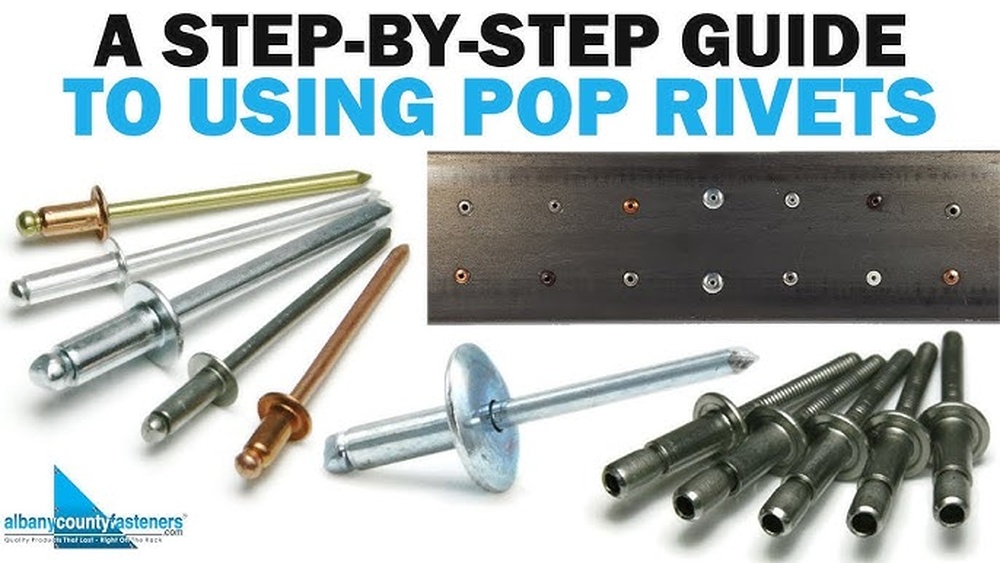
There are several types of rivets, each designed for specific uses. Solid rivets are the most common and very strong. Blind rivets, also called pop rivets, can be installed from one side. Tubular rivets have a hollow shaft and are easy to set. Drive rivets are pushed in with force and used in light-duty tasks.
Materials Used
Rivets come in different materials based on their job. Steel rivets are strong and good for heavy loads. Aluminum rivets resist rust and are lightweight. Copper rivets offer good electrical conductivity. Stainless steel rivets resist corrosion and last long outdoors.
How Rivets Work
Rivets are simple fasteners used to join materials tightly. They work by creating a permanent bond through a mechanical process. The rivet is placed in a pre-drilled hole, then deformed to hold the pieces together firmly. This method ensures a strong and durable connection without the need for screws or welding.
Installation Process
The rivet is inserted into aligned holes of the materials. A tool pulls the rivet’s mandrel, expanding the end inside the hole. This forms a tight head, locking the materials together. Once set, the mandrel breaks off, leaving the rivet in place. This process is quick and requires minimal tools.
Strength Factors
The strength of rivets depends on material type and size. Steel rivets provide high strength for heavy loads. Aluminum rivets are lighter and resist corrosion well. Proper installation ensures the rivet holds without loosening. Tight fit and correct rivet length improve joint durability.
Advantages Of Rivet Fasteners
Rivet fasteners offer several advantages that make them popular in many industries. They provide strong, long-lasting joints suitable for various materials. Their simple design and reliable performance make them a preferred choice for many projects.
Durability
Rivets create strong, permanent bonds that resist vibration and stress. They hold materials tightly together, reducing the risk of loosening over time. Their solid construction works well in tough environments and heavy use.
Cost-effectiveness
Rivets are affordable and easy to install, saving time and labor costs. They need no special tools or skills for most applications. Their long lifespan lowers maintenance and replacement expenses.
Versatility
Rivets work with many materials, including metal, plastic, and wood. They fit different thicknesses and shapes with various sizes and types. Their wide use spans from small gadgets to large machines.
Common Applications
Rivets are simple and strong fasteners used in many fields. They join two or more pieces of material tightly. Their design allows for permanent fastening, making them reliable and durable. Many industries depend on rivets for assembling parts that must stay secure over time. Below are some common areas where rivets play a key role.
Automotive Industry
Rivets hold car parts together firmly. They fasten body panels, frames, and interior components. Cars need strong joints that resist vibration and stress. Rivets provide this strength without adding much weight. This helps improve fuel efficiency and safety. Rivets also make repairs easier and quicker.
Aerospace Use
Planes require very strong and light fasteners. Rivets meet these needs perfectly. They join metal sheets and structural parts in aircraft. Rivets ensure safety by keeping parts tightly connected. The aerospace industry trusts rivets to handle high pressure and tough conditions. They help planes stay reliable during long flights.
Construction Projects
Rivets secure metal beams and panels in buildings. They provide strong joints that last for years. Bridges, towers, and large structures use rivets extensively. Rivets resist weather effects and heavy loads. This makes them ideal for outdoor and heavy-duty projects. Construction workers rely on rivets for safe and stable builds.
Comparing Rivets To Other Fasteners
Rivets serve as a reliable type of fastener in many industries. Comparing rivets to other fasteners helps understand their strengths and limitations. This comparison covers bolts and screws, welding, and adhesives. Each method has its own use and best application.
Bolts And Screws
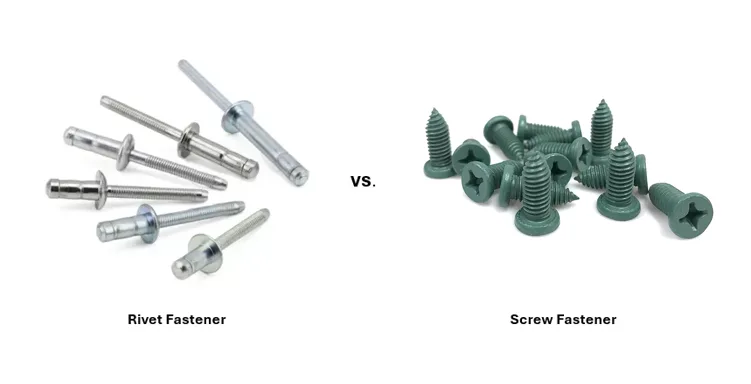
Bolts and screws create strong, removable joints. They use threads to hold materials together. Unlike rivets, bolts and screws allow easy disassembly. Rivets provide a permanent hold and are harder to remove. Bolts and screws need precise alignment and pre-drilled holes. Rivets can join thin or soft materials without damage. Bolts and screws can loosen over time with vibration. Rivets resist vibration better and maintain tightness.
Welding
Welding fuses materials by melting their edges together. It creates a strong, permanent bond. Welding is ideal for metals and heavy-duty projects. Rivets do not require heat and avoid warping materials. Welding needs skilled labor and special equipment. Riveting is faster and safer for thin or delicate parts. Welds can crack under stress, while rivets offer flexible joints. Both methods provide solid connections but suit different needs.
Adhesives
Adhesives bond surfaces using glue or resin. They work well for smooth, clean materials. Adhesives do not need holes or mechanical force. Rivets provide physical fastening that adhesives can lack. Adhesives can fail with heat or moisture. Rivets maintain strength in harsh conditions. Adhesives allow joining different materials without damage. Rivets are better for heavy loads and vibration. Each method fits specific tasks and materials.
Choosing The Right Rivet
Choosing the right rivet is important for a strong and lasting connection. The right rivet depends on several factors. Size, type, material, and load needs all play a key role. Selecting carefully helps ensure the joint will hold up well.
Size And Type Selection
Rivets come in many sizes and types. The size must fit the materials being joined. Too small, and the joint may fail. Too large, and it can damage the parts. The type depends on the application. Blind rivets work well where only one side is accessible. Solid rivets offer strong, permanent joints. Choose the type based on how and where you will use it.
Material Compatibility
The rivet material should match or suit the parts joined. Steel rivets fit steel or hard metals. Aluminum rivets work well with light metals to avoid corrosion. Stainless steel rivets resist rust in wet or outdoor settings. Using the wrong material can lead to rust or weak joints. Always pick a rivet material that suits the environment and metals involved.
Load Requirements
The rivet must handle the forces on the joint. Different jobs need different strength levels. Heavy loads need stronger rivets like solid steel. Light loads may only need aluminum or plastic rivets. Consider both shear and tensile forces. The right rivet size and type help keep the joint safe under stress. Checking load needs ensures the rivet will hold through use.
Maintaining Riveted Joints
Riveted joints hold parts tightly together. They provide strength and durability in many structures. Maintaining these joints ensures they stay strong and safe. Regular care helps prevent failures and extends the life of the riveted assembly.
Inspection Tips
Check rivets often for signs of wear or damage. Look for cracks, rust, or loose rivets. Use a magnifying glass for small defects. Tap rivets gently to hear for hollow sounds. A hollow sound may mean a loose rivet. Keep an eye on the surrounding metal for stress marks.
Common Issues
Rivets can loosen over time due to vibration or pressure. Corrosion is common, especially in damp environments. Cracks can develop near the rivet holes. Metal fatigue may cause the joint to weaken. Missing rivets reduce the joint’s strength and stability.
Repair Techniques
Tighten loose rivets by peening or replacing them. Remove rust with a wire brush before fixing. Fill cracks with welding or adhesive designed for metal. Replace missing rivets with the correct size and type. Use proper tools to avoid damaging the surrounding material.

Credit: baitalnuhas.com

Credit: www.amazon.com
Frequently Asked Questions
What Are Rivets Used For In Fastening?
Rivets permanently join two or more materials. They provide strong, reliable, and vibration-resistant fastening. Rivets are common in construction, aerospace, and manufacturing.
How Do Rivet Fasteners Work?
Rivet fasteners work by inserting a metal pin through holes in materials. The pin’s end is deformed, creating a secure hold. This process is called riveting.
Are Rivets Stronger Than Screws Or Bolts?
Rivets offer strong, permanent joints but are not removable like screws or bolts. They resist vibration and shear forces better, making them ideal for specific applications.
What Materials Can Rivets Fasten Together?
Rivets fasten metals, plastics, leather, and wood. They work well with dissimilar materials, creating durable, vibration-resistant joints in various industries.
Conclusion
Rivets are strong and reliable fasteners used in many projects. They join materials tightly and resist loosening over time. Their simple design makes them easy to use and cost-effective. Rivets work well where welding or screws may not fit. Choosing the right rivet depends on your materials and needs.
Understanding rivets helps you pick the best fastener for your work. They play a key role in construction, manufacturing, and repairs. Trust rivets for a secure and lasting hold every time.