When working with heavy machinery, choosing the right fastener isn’t just a small detail—it’s a critical decision that affects safety, performance, and durability. You might think any bolt or screw will do, but using the wrong fastener can lead to costly repairs or even dangerous failures.
You’ll discover exactly which fasteners are best suited for heavy machinery and why making the right choice can save you time, money, and headaches down the road. Keep reading to ensure your equipment stays strong and reliable under the toughest conditions.
Credit: www.rlfasteners.com
Types Of Fasteners For Heavy Machinery
Heavy machinery needs strong and reliable fasteners. These parts hold machines together and keep them working safely. Different fasteners serve different purposes. Choosing the right type affects machine durability and performance. Understanding the common fasteners helps in making the best choice for your equipment.
Bolts And Screws
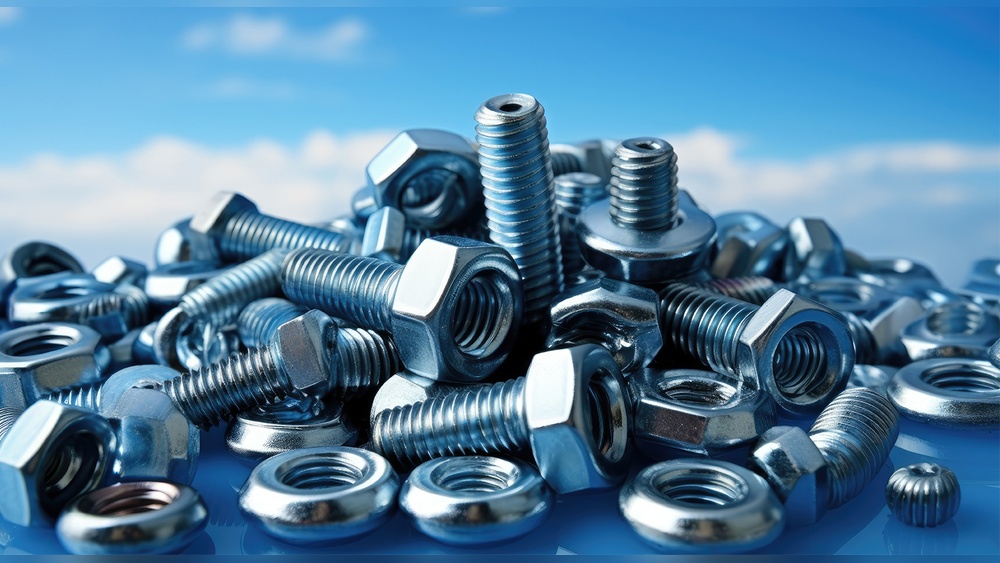
Bolts and screws are the most common fasteners in heavy machinery. Bolts join two or more parts with nuts. Screws attach parts directly into materials. Both provide strong and secure connections. They come in many sizes and shapes for different tasks. Their strength helps machines handle heavy loads and vibrations.
Nuts And Washers
Nuts work with bolts to secure parts tightly. Washers sit between the nut and the surface. They spread the load and prevent damage. Washers also stop nuts from loosening during movement. Using the right nuts and washers increases the machine’s stability and safety.
Rivets And Pins
Rivets permanently join metal parts. They are hammered or pressed into place. Pins hold parts together but allow some movement. They are easy to remove for repairs. Both rivets and pins are strong and reliable. They are common in parts that need high strength or easy maintenance.
Clips And Retainers
Clips and retainers hold parts without screws or bolts. Clips snap into place and are quick to install. Retainers keep parts from moving or falling off. They are useful in tight spaces and for small parts. These fasteners help keep machines running smoothly and safely.
Material Choices For Heavy-duty Fasteners
Choosing the right material for heavy-duty fasteners is crucial. The material affects strength, durability, and resistance to harsh environments. Fasteners must hold heavy parts securely under stress. Different materials offer unique benefits for heavy machinery use. Understanding these options helps pick the best fastener for the job.
Steel Variants
Steel is the most common material for heavy-duty fasteners. Carbon steel offers strong tensile strength. It handles heavy loads without bending or breaking. Heat-treated steel variants improve hardness and wear resistance. Steel fasteners are cost-effective and widely available. They perform well in many industrial settings.
Stainless Steel Benefits
Stainless steel resists rust and corrosion. It lasts longer in wet or chemical environments. This material keeps fasteners strong even with moisture exposure. Stainless steel also looks cleaner and requires less maintenance. Ideal for machinery exposed to water or chemicals.
Alloy Fasteners
Alloy fasteners combine metals for extra strength and toughness. They endure high stress and extreme temperatures. These fasteners resist fatigue and cracking better than plain steel. Alloy fasteners suit heavy machines that operate under tough conditions. They provide reliable performance over time.
Corrosion-resistant Options
Corrosion can weaken fasteners and cause machine failure. Fasteners with special coatings resist rust and chemical damage. Zinc plating and galvanization are common methods. These coatings protect steel fasteners in harsh environments. Corrosion-resistant fasteners extend the life of heavy machinery parts.
Strength And Load Requirements
Choosing the right fastener for heavy machinery depends heavily on strength and load requirements. Every fastener must handle the forces it faces without failing. Understanding these strength aspects helps pick the best fastener for safety and durability.
Fasteners face different types of stresses. These include pulling forces, sideways forces, and repeated loads. Each type of stress affects the fastener’s performance and lifespan. Knowing these factors guides the selection process.
Tensile Strength Ratings
Tensile strength shows how much pulling force a fastener can resist. It is crucial for parts under tension. High tensile strength fasteners prevent stretching or breaking. Always check the fastener’s tensile rating for heavy machinery use.
Shear Strength Considerations
Shear strength measures the fastener’s ability to resist forces that cut across it. Fasteners in joints often face shear forces. Choosing fasteners with strong shear ratings stops them from snapping under load. This is vital in machines with moving parts.
Impact Resistance
Impact resistance defines how well a fastener handles sudden forces. Heavy machinery often experiences shocks and vibrations. Fasteners with high impact resistance avoid cracking or deforming. This keeps machines running smoothly and safely.
Fatigue Life
Fatigue life is the fastener’s ability to endure repeated loading cycles. Heavy machinery parts move or vibrate regularly. Fasteners with long fatigue life last longer and reduce maintenance. This saves time and cost over the machine’s life.
Environmental Factors Affecting Fastener Selection
Choosing the right fastener for heavy machinery depends heavily on environmental factors. These factors affect the fastener’s strength, durability, and lifespan. Understanding the conditions around the machinery helps in selecting the best fastener type and material.
Different environments put fasteners under various stresses. Some fasteners may fail quickly if the environment is harsh. Others withstand extreme conditions without losing function. Knowing these details saves time and money in repairs and replacements.
Temperature Extremes
Fasteners must handle very high or low temperatures. Heat can cause some metals to weaken or expand. Cold can make metals brittle and prone to cracking. Choose fasteners made from materials rated for the expected temperature range. Stainless steel and certain alloys perform well under temperature stress.
Exposure To Chemicals
Chemicals in the environment can corrode or degrade fasteners. Acids, oils, and solvents attack many common metals. Fasteners with chemical resistance, like those coated with zinc or made of stainless steel, last longer. Consider the type and concentration of chemicals near the machinery.
Moisture And Humidity
Water and moisture cause rust and corrosion on many fasteners. Humid environments increase this risk. Fasteners made of corrosion-resistant materials help prevent damage. Use stainless steel or coated fasteners in wet or damp conditions to extend life.
Vibration And Shock
Heavy machinery often creates strong vibrations and shocks. These forces can loosen or break fasteners. Fasteners designed for vibration resistance, such as lock nuts or spring washers, provide better holding power. Using the right fastener reduces maintenance needs and improves safety.
Fastener Coatings And Treatments
Fastener coatings and treatments protect bolts, nuts, and screws in heavy machinery. These processes extend fastener life and improve performance. They help resist corrosion, wear, and heat damage. Choosing the right coating or treatment is key for machine safety and durability.
Galvanizing
Galvanizing covers fasteners with a layer of zinc. This zinc layer stops rust and corrosion. It works well in wet or outdoor environments. Hot-dip galvanizing is common for heavy machinery fasteners. It ensures strong protection against harsh conditions.
Heat Treatments
Heat treatments change the strength and toughness of fasteners. Processes like quenching and tempering make fasteners harder. This helps them resist stress and wear under heavy loads. Heat-treated fasteners last longer in tough machine parts.
Plating Options
Plating adds a thin metal layer on the fastener surface. Common plating metals include zinc, nickel, and chrome. Plating improves corrosion resistance and appearance. It can also reduce friction during assembly. Choose plating based on the environment and load demands.
Lubrication And Sealants
Lubricants reduce friction between fastener threads. This makes tightening easier and prevents damage. Sealants block moisture and prevent loosening from vibration. Using the right lubricant and sealant improves fastener reliability. These treatments are vital in moving parts and harsh conditions.
Credit: www.rlfasteners.com
Installation Techniques For Heavy Machinery
Installing fasteners in heavy machinery requires careful attention. The right techniques ensure safety and long-lasting performance. Proper installation prevents breakdowns and costly repairs. It also keeps machines running smoothly under heavy loads.
Each step in the installation process matters. Follow clear guidelines for torque, locking, preloading, and inspection. These steps help secure fasteners firmly and avoid loosening over time.
Torque Specifications
Torque is the force used to tighten fasteners. Using the correct torque stops damage and ensures strength. Too much torque can strip threads or break parts. Too little torque allows fasteners to loosen.
Use a calibrated torque wrench for accuracy. Follow the manufacturer’s torque values. These values depend on fastener size and material. Always tighten fasteners in stages to spread the load evenly.
Thread Locking Methods
Thread locking prevents fasteners from vibrating loose. Use thread-locking compounds like anaerobic adhesives for strong bonds. These adhesives fill gaps between threads and harden.
Mechanical locking devices such as lock washers or lock nuts also help. Choose the right locking method based on the fastener type and environment. Proper locking increases safety and machine reliability.
Preloading Fasteners
Preloading means applying tension to fasteners before use. It keeps parts tightly clamped under stress and movement. Proper preload reduces fatigue and prevents joint failure.
Measure preload with specialized tools or by following torque values. Avoid overloading fasteners, which can cause damage. Correct preload improves the lifespan of heavy machinery components.
Inspection And Maintenance
Regular inspection finds loose or damaged fasteners early. Check torque settings and look for wear or corrosion. Replace any fasteners that show signs of failure.
Schedule maintenance based on machine use and environment. Keeping fasteners in good condition avoids unexpected breakdowns. Consistent care extends the life of heavy machinery and ensures safe operation.
Common Mistakes In Fastener Selection
Choosing the right fastener for heavy machinery is critical. Many mistakes happen during selection. These errors cause failures and increase repair costs. Knowing common mistakes helps avoid problems and ensures safety.
Overlooking Load Types
Fasteners must handle different load types. Some face tension, others shear or compression. Ignoring these forces leads to fastener failure. Pick fasteners designed for the specific load. This choice keeps machines strong and safe.
Ignoring Environmental Impact
Fasteners work in harsh environments. Moisture, chemicals, and temperature changes affect them. Using wrong fasteners causes rust and corrosion. Always select fasteners with suitable coatings or materials. This prevents damage and extends fastener life.
Using Incorrect Materials
Material choice affects fastener strength and durability. Steel fasteners might not fit aluminum parts well. Wrong materials cause wear or breakage. Match fastener material to machine parts. This prevents damage and ensures long-lasting performance.
Improper Installation
Even the best fastener fails if installed wrongly. Over-tightening or loose fitting weakens the joint. Use proper tools and follow torque specs. Correct installation keeps machinery safe and running smoothly.
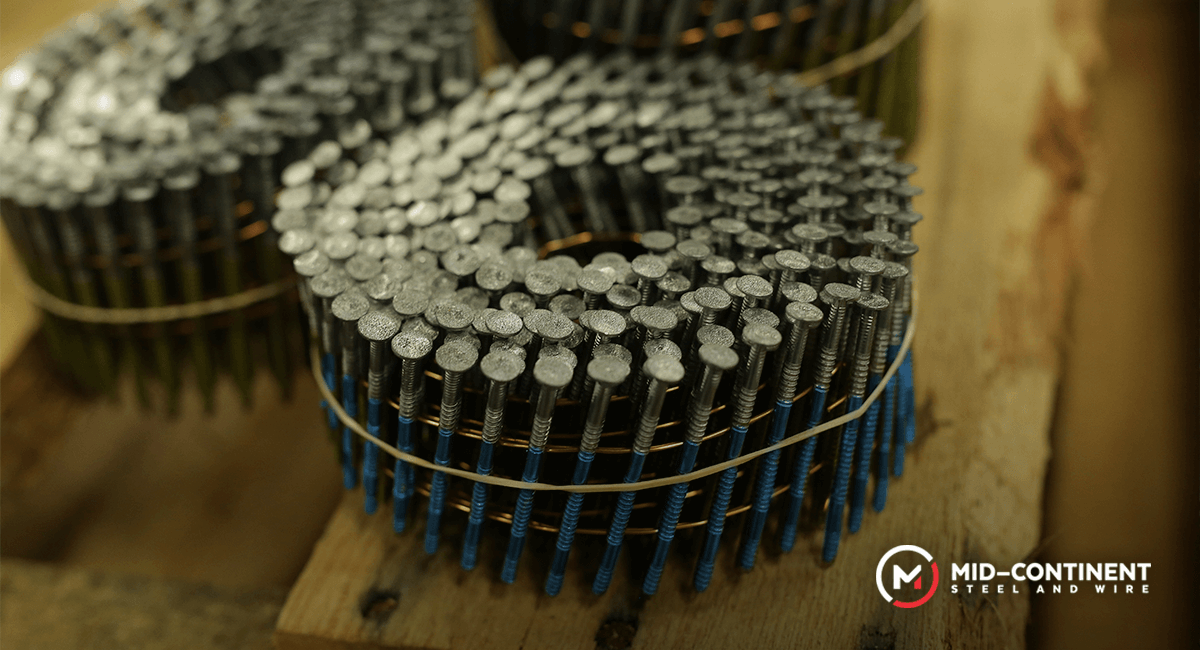
Credit: mcswusa.com
Emerging Trends In Heavy Machinery Fasteners
Heavy machinery demands strong and reliable fasteners. New trends focus on improving strength, durability, and efficiency. These trends help machines perform better and last longer. Fasteners now use modern materials and smart designs. They also aim to reduce environmental impact. Let’s explore the latest developments in heavy machinery fasteners.
High-strength Composite Fasteners
Composite fasteners combine materials like carbon fiber and resin. They are lighter than metal but very strong. These fasteners resist corrosion and wear well. Their light weight helps reduce machine load. This improves fuel efficiency and handling. Industries adopt them for tough environments and long-lasting parts.
Smart Fastening Systems
Smart fasteners include sensors to monitor tightness and stress. They send data to operators in real-time. This prevents failures and improves safety. These systems detect loosening before damage occurs. Maintenance becomes easier and faster. Smart fastening is growing in heavy equipment and robotics.
Sustainable Materials
Fastener makers use recycled metals and bio-based plastics. These materials lower environmental harm. Sustainable fasteners still meet strength and durability needs. They help companies follow green manufacturing rules. Using eco-friendly fasteners supports cleaner production and waste reduction.
Advanced Coating Technologies
New coatings protect fasteners from rust, heat, and chemicals. They extend the life of parts in harsh conditions. Some coatings reduce friction for easier installation. Others improve electrical conductivity. Advanced coatings keep fasteners reliable under stress and extreme weather.
Frequently Asked Questions
What Type Of Fastener Is Best For Heavy Machinery?
Heavy machinery requires high-strength fasteners like grade 8 bolts. These bolts withstand heavy loads and vibrations, ensuring durability and safety during operation.
How To Choose Fasteners For Heavy Machinery?
Select fasteners based on load, material compatibility, and environmental factors. Use corrosion-resistant materials and consider thread type for optimal performance.
Are Stainless Steel Fasteners Suitable For Heavy Machinery?
Yes, stainless steel fasteners resist corrosion and are ideal for outdoor or moist environments. However, they may have lower tensile strength than alloy steel bolts.
What Size Fastener Is Recommended For Heavy Machinery?
Fastener size depends on load and machinery design. Typically, larger diameters with fine threads offer better grip and strength for heavy-duty applications.
Conclusion
Choosing the right fastener keeps heavy machinery safe and strong. Different machines need different fasteners for best results. Think about the material, load, and environment before deciding. Good fasteners reduce breakdowns and save repair costs. Always pick quality products to avoid problems later.
Proper fastener use makes machines work longer and better. Simple choices lead to big improvements in machine life. Careful selection protects your investment and boosts performance.