Have you ever wondered what holds massive machines, buildings, or even your everyday gadgets together? The answer lies in something small but incredibly strong—industrial fasteners.
These tiny components play a huge role in keeping your world safe and running smoothly. Understanding what industrial fasteners are can give you a new appreciation for the hidden heroes behind the scenes. If you want to know how these simple pieces make a big difference in industries and maybe even your own projects, keep reading.
This article will break down everything you need to know in a clear and straightforward way.
Industrial Fasteners Basics
Industrial fasteners are small hardware pieces that hold parts together. They play a big role in many industries, from construction to electronics. Understanding the basics helps in choosing the right fastener for each job. This section explains their key functions, materials, and common shapes and sizes.
Key Functions
Fasteners join two or more parts tightly. They keep structures strong and safe. They allow easy assembly and disassembly of machines. Fasteners also help in adjusting parts for better fit. Without fasteners, many products would fall apart.
Materials Used
Steel is the most common material for fasteners. It is strong and cost-effective. Stainless steel resists rust and lasts longer. Brass and aluminum offer light weight and corrosion resistance. Plastic fasteners are good for light, non-metal parts.
Common Shapes And Sizes
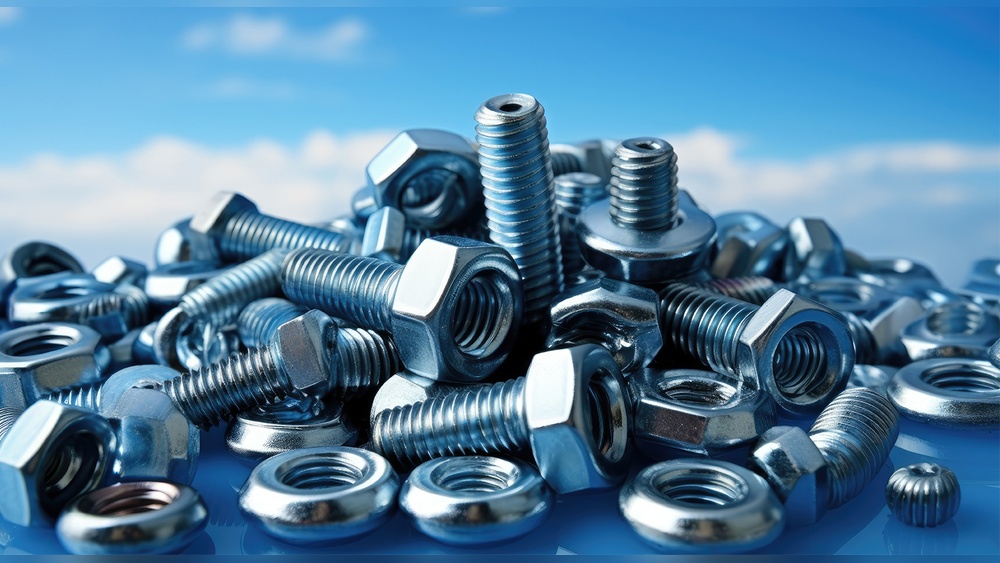
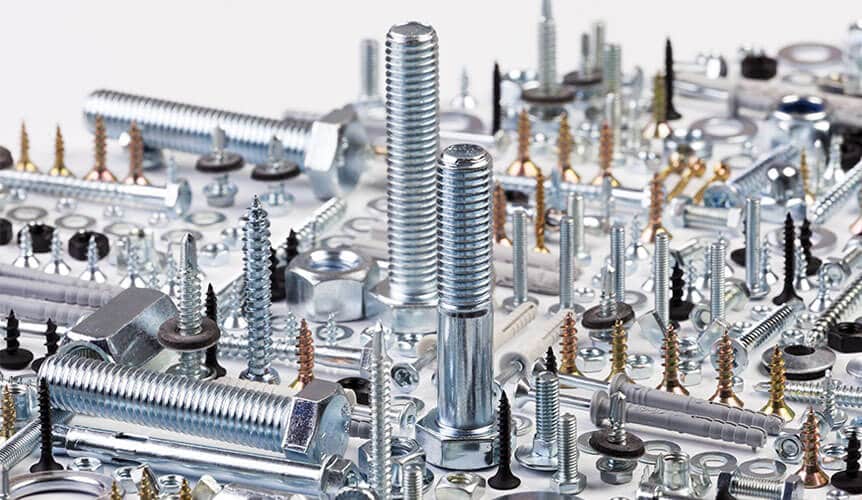
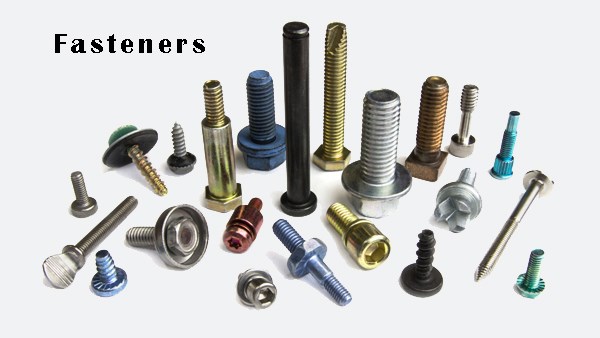
Bolts, screws, nuts, and washers are common fastener types. Bolts usually have a flat or hexagonal head. Screws have pointed ends to dig into materials. Sizes vary from tiny screws to large bolts for heavy jobs. Choosing the right size ensures a secure fit.
Types Of Industrial Fasteners
Industrial fasteners are essential parts used to join or hold materials together. They come in many types, each serving a unique purpose. Understanding these types helps in choosing the right fastener for a job. Below are the common categories of industrial fasteners.
Bolts And Screws
Bolts and screws are among the most common fasteners. Bolts usually need a nut to hold parts tightly. Screws often go directly into the material. Both provide strong and reliable fastening for many applications.
Nuts And Washers
Nuts work with bolts to secure parts firmly. They are shaped to fit the bolt’s threads. Washers sit under nuts or bolt heads. They spread the load and prevent damage to surfaces.
Rivets And Pins
Rivets join materials by deforming the tail end. They create a permanent bond. Pins fit into holes to hold parts in place. They allow some movement but keep parts aligned.
Clips And Clamps
Clips hold parts quickly without tools. They are easy to install and remove. Clamps apply pressure to keep parts tight temporarily. Both are useful for quick assembly and adjustments.
Applications In Industries
Industrial fasteners play a vital role in many industries. They hold parts together, ensuring safety and strength. Different industries use fasteners in unique ways, depending on their needs. Understanding these applications helps to see their importance in daily life and industry operations.
Automotive Sector
Fasteners join parts in cars, trucks, and motorcycles. They keep engines, frames, and interiors secure. Strong fasteners resist vibration and heat. This makes vehicles safer and more reliable on the road.
Construction Industry
Buildings and bridges rely on fasteners for stability. They connect steel beams, concrete forms, and wooden structures. Fasteners in construction must handle heavy loads and harsh weather. This ensures structures last long and stay safe.
Electronics And Appliances
Small fasteners hold together gadgets and home appliances. They secure circuit boards, panels, and casings. Precision is key to avoid damage. Fasteners help keep devices working well and easy to repair.
Aerospace And Defense
Fasteners in aerospace join aircraft parts and equipment. They must endure extreme pressure and temperature changes. Reliable fasteners protect passengers and crew. Defense equipment also depends on strong, precise fasteners for safety.
Credit: www.industrialfastenersandsupply.com
Choosing The Right Fastener
Choosing the right industrial fastener is key to a strong and safe assembly. The correct fastener ensures durability and reliable performance. Several factors help decide which fastener fits a specific job. Understanding these elements helps avoid costly mistakes and downtime.
Load Requirements
Fasteners must handle the forces applied to them. Consider the weight and stress the joint will face. Different fasteners have varied strength ratings. Choose a fastener that supports the maximum load without failing.
Environmental Factors
Environment impacts fastener choice greatly. Exposure to moisture, chemicals, or extreme temperatures can cause corrosion. Select fasteners made from materials that resist these conditions. This prevents rust and extends the lifespan of the joint.
Material Compatibility
Match the fastener material with the parts being joined. Metals can react and corrode if mismatched. Use compatible metals or coatings to avoid damage. Proper compatibility ensures a secure and lasting connection.
Cost Considerations
Balance quality with budget limits. Cheap fasteners may fail and lead to repairs. Investing in the right fastener reduces maintenance costs. Consider long-term savings over initial price when choosing.
Installation And Maintenance Tips
Installing and maintaining industrial fasteners correctly ensures strong, safe connections. Proper care helps avoid costly repairs and downtime. Follow simple tips to improve fastener performance and life.
Proper Tools And Techniques
Use the right tools for each fastener type. Wrenches, screwdrivers, and torque tools must fit properly. Tighten fasteners to the correct torque to avoid damage. Avoid over-tightening or under-tightening. Clean threads before installation to prevent cross-threading. Apply lubricants if recommended by the manufacturer. Follow the installation guide closely to ensure secure fastening.
Inspection And Replacement
Check fasteners regularly for signs of wear and damage. Look for rust, cracks, or loose parts. Replace any fasteners that show damage immediately. Keep records of inspections to track fastener condition. Use quality replacements that match original specifications. Regular inspection prevents unexpected failures and keeps machines safe.
Preventing Common Failures
Prevent corrosion by applying protective coatings or using stainless steel fasteners. Avoid vibration loosening by using locking nuts or thread lockers. Do not mix different metals to reduce rust risk. Store fasteners in dry, clean places. Train workers on proper handling and installation methods. These steps reduce common problems and extend fastener life.

Credit: hrfastener.com
Future Trends In Fasteners
The world of industrial fasteners is evolving fast. New trends shape how fasteners are made and used. These changes improve strength, efficiency, and environmental impact. Industries depend on fasteners that meet modern demands. The future brings exciting developments in materials, technology, and sustainability.
Advanced Materials
Fasteners now use stronger, lighter materials. Titanium and composites grow in popularity. These materials resist corrosion and wear better. They help reduce weight in vehicles and machines. New alloys enhance durability under tough conditions. This means longer-lasting, safer fasteners for many uses.
Smart Fastening Systems
Technology adds intelligence to fasteners. Sensors can monitor tightness and stress levels. They alert workers before problems occur. This reduces breakdowns and maintenance costs. Wireless data helps track fastener performance in real time. Smart fasteners improve safety and efficiency on job sites.
Sustainability Efforts
Eco-friendly fasteners gain more attention. Manufacturers focus on recyclable and biodegradable materials. Reducing waste and energy use is a priority. Fasteners designed for easy removal help recycling efforts. Sustainable fasteners support green building and clean energy projects. They align with global moves toward a healthier planet.
Credit: www.warwickfasteners.com
Frequently Asked Questions
What Are Industrial Fasteners Used For?
Industrial fasteners join or secure parts in machines and structures. They provide strength, stability, and ease of assembly or disassembly in manufacturing and construction.
Which Materials Are Common For Industrial Fasteners?
Industrial fasteners are often made of steel, stainless steel, brass, and aluminum. These materials offer durability, corrosion resistance, and strength for various applications.
How Do Industrial Fasteners Differ From Regular Fasteners?
Industrial fasteners are designed for heavy-duty applications with higher strength and precision. They meet stricter standards and withstand extreme conditions compared to regular fasteners.
What Types Of Industrial Fasteners Exist?
Common types include bolts, nuts, screws, washers, rivets, and pins. Each type serves a specific fastening function in industrial assembly and construction.
Conclusion
Industrial fasteners hold parts tightly and keep machines working well. They come in many types, each serving a special purpose. Choosing the right fastener is key for safety and strength. These small tools play a big role in building and repairs.
Understanding their uses helps in picking the best option. Fasteners make sure structures stay firm and last long. Simple but important parts in many industries. A good fastener can save time and money. Always consider quality and fit before buying fasteners.