Have you ever wondered how machines and structures stay firmly connected without falling apart? The answer often lies in something called a stud fastener.
If you’re curious about what a stud fastener is and why it’s so important, you’re in the right place. This simple yet powerful component plays a crucial role in holding things together securely. Keep reading to discover how stud fasteners work and why they might be the key to your next project’s success.

Credit: en.wikipedia.org
Types Of Stud Fasteners
Stud fasteners come in several types, each designed for specific uses. Choosing the right type ensures strong and reliable connections. Below, we explore the common types of stud fasteners and their features.
Threaded Studs
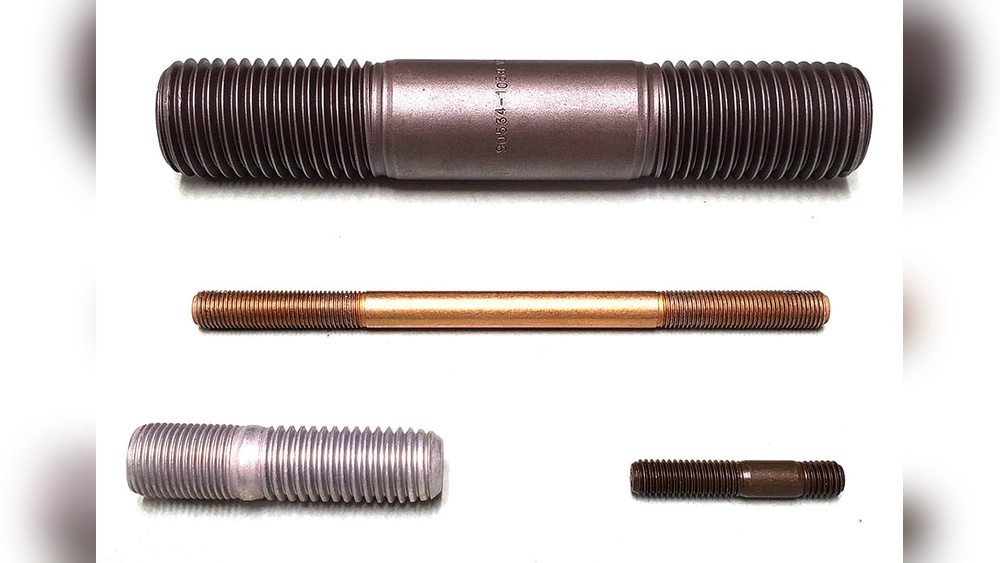
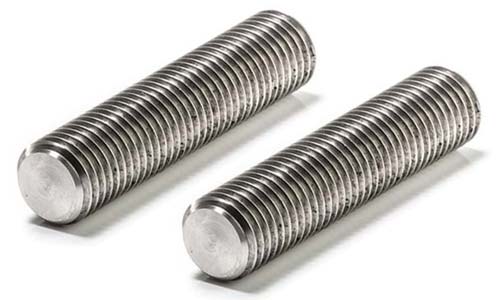
Threaded studs have threads on both ends or along the entire length. They attach parts by screwing into tapped holes or with nuts. These studs offer a secure hold and are easy to install and remove. Common in machinery and automotive applications, they handle vibration well.
Double Ended Studs
Double ended studs have threads on both ends but no head. One end screws into a part, and the other end holds a nut or another component. They are useful in tight spaces where a bolt head would not fit. These studs provide strong joints in engines and construction.
Weld Studs
Weld studs attach by welding one end to a metal surface. The other end remains threaded for nuts or other fasteners. These studs create a permanent and strong bond. They are often used in shipbuilding, automotive, and heavy machinery industries.
Tap End Studs
Tap end studs have one end threaded and the other end plain or slightly tapered. The plain end fits into a hole and is tapped or screwed into place. This type is easy to install and remove. Tap end studs work well for light to medium load applications.
Materials Used
Stud fasteners come in various materials. Each material offers different strength and resistance. Choosing the right material is key for durability and safety. The common materials include steel, stainless steel, brass, aluminum, and specialty alloys. These materials suit different uses and environments.
Steel Variants
Steel is the most common material for stud fasteners. It provides high strength and toughness. Carbon steel is popular for general use. Alloy steel offers better performance under stress. Steel fasteners often get coated to resist rust.
Stainless Steel
Stainless steel fasteners resist rust and corrosion well. They work best in wet or humid conditions. Grades like 304 and 316 are widely used. Stainless steel is strong and lasts longer outdoors. It costs more but adds value in tough environments.
Brass And Aluminum
Brass fasteners resist corrosion and have good electrical conductivity. They suit decorative and electrical applications. Aluminum fasteners are lightweight and resist rust. Both materials have lower strength than steel. Use them where weight and corrosion are concerns.
Specialty Alloys
Specialty alloys include titanium and nickel-based metals. These fasteners handle extreme heat and stress. They are common in aerospace and chemical industries. Specialty alloys offer excellent corrosion resistance. They are costly but essential for critical tasks.
Applications Of Stud Fasteners
Stud fasteners are small but powerful parts used in many fields. They hold pieces together tightly. Their design allows for strong, secure connections. These fasteners fit in tight spaces and handle heavy loads well. Their uses span across several industries. Each industry benefits from the unique strengths of stud fasteners.
Automotive Industry
Stud fasteners are vital in car manufacturing. They hold engine parts firmly in place. These fasteners secure wheels, brakes, and suspension components. Their strength helps cars handle rough roads safely. Easy installation and removal speed up repairs.
Construction Projects
In building work, stud fasteners join steel beams and panels. They ensure structures stay stable under stress. These fasteners also connect heavy machinery to foundations. Builders rely on them for long-lasting results. Their durability withstands weather and heavy use.
Machinery Assembly
Stud fasteners keep machines running smoothly. They secure gears, shafts, and other parts firmly. This prevents breakdowns caused by loose connections. The fasteners help maintain precise machine alignment. Quick assembly and disassembly reduce downtime.
Electronics And Appliances
Small stud fasteners hold electronic devices together. They secure circuit boards and internal components tightly. These fasteners ensure devices stay compact and durable. Their reliability extends the life of appliances. Easy servicing is possible due to their design.

Credit: hrfastener.com
Installation Methods
Stud fasteners need precise installation to ensure strong and lasting joints. Various methods exist to install these fasteners, each suited to different materials and applications. Proper installation improves durability and safety in construction and machinery. Understanding these methods helps in choosing the right approach for your project.
Threading Techniques
Threading is a common method for installing stud fasteners. It involves cutting or rolling threads on the stud and the hole. The stud screws into the pre-threaded hole securely. This technique provides strong mechanical grip without additional materials. Manual or machine tools can perform threading depending on the scale.
Welding Procedures
Welding attaches stud fasteners by melting metal parts together. It creates a permanent bond between the stud and the base material. Different welding types include arc welding and resistance welding. Welding is ideal for high-stress applications where extra strength is needed. Skilled operators must control heat to avoid damage.
Use Of Adhesives
Adhesives bond stud fasteners using chemical agents. These glues fill gaps and hold parts tightly. Adhesives work well on materials that cannot be threaded or welded easily. They offer vibration resistance and prevent loosening over time. Surface preparation is important to ensure adhesive effectiveness.
Torque Specifications
Torque controls the tightness of stud fasteners during installation. Applying the correct torque prevents over-tightening or loosening. Manufacturers provide torque values based on stud size and material. Using a torque wrench ensures consistent and safe fastening. Proper torque extends the life of the joint.
Advantages Of Stud Fasteners
Stud fasteners offer many benefits in various applications. They provide a strong and reliable way to join parts together. These fasteners improve the overall performance and lifespan of machinery and structures. Below are some key advantages that make stud fasteners a popular choice.
Enhanced Load Distribution
Stud fasteners spread the load evenly across the joint. This reduces stress on any single point. Even load distribution helps prevent damage and failure. It also extends the life of connected parts. This makes stud fasteners ideal for heavy-duty applications.
Ease Of Maintenance
Stud fasteners allow easy removal and replacement of parts. Only the nut needs to be unscrewed, leaving the stud in place. This saves time and effort during repairs. It also reduces the risk of damaging the threaded holes. Maintenance becomes quicker and less costly.
Improved Alignment
Stud fasteners help keep parts aligned correctly. The stud acts as a guide during assembly. This ensures precise positioning and tight fitting. Good alignment prevents leaks, vibrations, and wear. It improves the performance and safety of the equipment.
Corrosion Resistance
Many stud fasteners come with coatings or materials that resist rust. Corrosion resistance increases the fastener’s durability. It protects joints in harsh environments. This reduces maintenance needs and replacement costs. Corrosion-resistant studs maintain strong connections over time.
Common Challenges
Stud fasteners are useful in many industries. They hold parts tightly and offer strong support. Despite their benefits, users often face common problems. These issues can affect safety and performance. Understanding these challenges helps in choosing and using stud fasteners correctly.
Corrosion Issues
Corrosion is a major problem for stud fasteners. Moisture and chemicals cause rust over time. Rust weakens the metal and reduces strength. Corrosion can make removal difficult or damage parts. Protective coatings and proper materials help reduce this risk.
Thread Damage
Threads on stud fasteners can get damaged easily. Over-tightening or cross-threading causes this damage. Damaged threads lead to poor grip and joint failure. Using the right tools and careful handling protects the threads.
Incorrect Installation
Wrong installation can cause many problems. Too much force or wrong alignment can break studs. Incorrect installation lowers joint strength and safety. Following proper steps and torque values ensures correct fitting.
Material Compatibility
Material mismatch causes fastener failure. Different metals react and corrode faster when combined. Choosing compatible materials prevents damage and extends fastener life. Know the materials before selecting stud fasteners.
Selecting The Right Stud Fastener
Selecting the right stud fastener is crucial for a secure and lasting connection. The choice depends on several key factors. These factors help match the fastener to the application. This ensures safety and efficiency in use.
Stud fasteners come in different sizes, materials, and designs. Choosing correctly reduces the risk of failure and saves costs. Consider the environment, load, material, and budget before deciding.
Load Requirements
Understand the weight and stress the fastener must hold. Heavy loads require strong, durable stud fasteners. Light loads allow smaller, simpler options. Overestimating load capacity can waste money. Underestimating can cause damage or accidents.
Environmental Factors
Think about the environment where the fastener will be used. Moisture, temperature, and chemicals affect fastener choice. Stainless steel resists rust in wet areas. Heat-resistant fasteners suit high-temperature zones. Choose coatings or materials that withstand the conditions.
Material Compatibility
Match the stud fastener material with the parts being joined. Metal fasteners fit metal parts better. Avoid mixing metals that can cause corrosion. Plastic or composite parts need special fasteners. Proper compatibility extends the life of the assembly.
Cost Considerations
Balance quality and price for the best value. High-quality fasteners cost more but last longer. Cheap fasteners may fail early and increase repair costs. Calculate total cost, not just the purchase price. Investing in good fasteners saves money over time.
Credit: boltport.com
Frequently Asked Questions
What Is A Stud Fastener Used For?
A stud fastener connects two parts securely without a nut. It is ideal for applications needing strong, permanent joints. Studs allow easy assembly and disassembly in machinery and automotive parts.
How Does A Stud Fastener Differ From A Bolt?
Unlike bolts, stud fasteners are threaded on both ends and lack a head. They are inserted into tapped holes, providing stronger, more stable connections in high-stress environments.
What Materials Are Stud Fasteners Made From?
Stud fasteners are commonly made from steel, stainless steel, and alloy metals. These materials ensure durability, corrosion resistance, and strength for various industrial applications.
Can Stud Fasteners Be Reused After Removal?
Stud fasteners can sometimes be reused if undamaged. However, it’s safer to replace them to maintain joint integrity and avoid weakening from wear or corrosion.
Conclusion
Stud fasteners hold parts together firmly and securely. They come in different sizes and materials for many uses. These fasteners are easy to install and remove when needed. Understanding their types helps you pick the right one. They play a key role in construction and machinery.
Choosing the correct stud fastener improves safety and strength. Knowing what a stud fastener is helps in many projects. Simple, strong, and reliable—stud fasteners keep things connected well.