Have you ever wondered what holds things together in your everyday life? From the shoes you wear to the furniture in your home, fasteners play a crucial role in keeping everything secure and stable.
But what exactly is a fastener, and why should you care about it? Understanding fasteners can help you make better choices when fixing, building, or even buying products. Keep reading, and you’ll discover how these small but mighty components impact your daily life in ways you never imagined.

Credit: allpointsfasteners.com
Basics Of Fasteners
Fasteners are small devices that hold things together. They play a key role in building and fixing objects. Understanding the basics helps you choose the right fastener for any job.
Fasteners come in many shapes and sizes. Each type has a unique use and strength. Knowing their purpose and materials improves your work quality.
Definition And Purpose
Fasteners join parts or materials firmly. They keep things from moving or falling apart. Common fasteners include screws, bolts, nuts, and nails. Each fastener type fits a specific need. They help in construction, repair, and manufacturing tasks.
Common Materials
Fasteners are made from different materials. Steel is the most common due to its strength. Stainless steel resists rust and lasts longer outdoors. Brass fasteners resist corrosion and look nice. Plastic fasteners are light and resist chemicals. Choosing the right material depends on the job and environment.
Credit: www.vogtland.gr
Types Of Fasteners
Fasteners are small devices that join two or more objects together. They hold parts firmly in place. Different tasks need different fasteners. Understanding the types helps choose the right one for each job.
Bolts And Screws
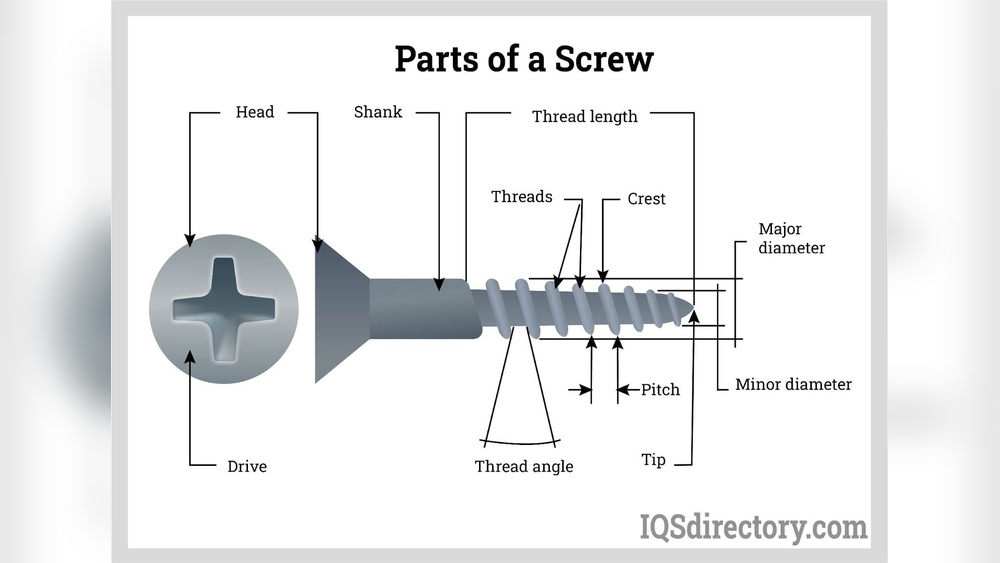
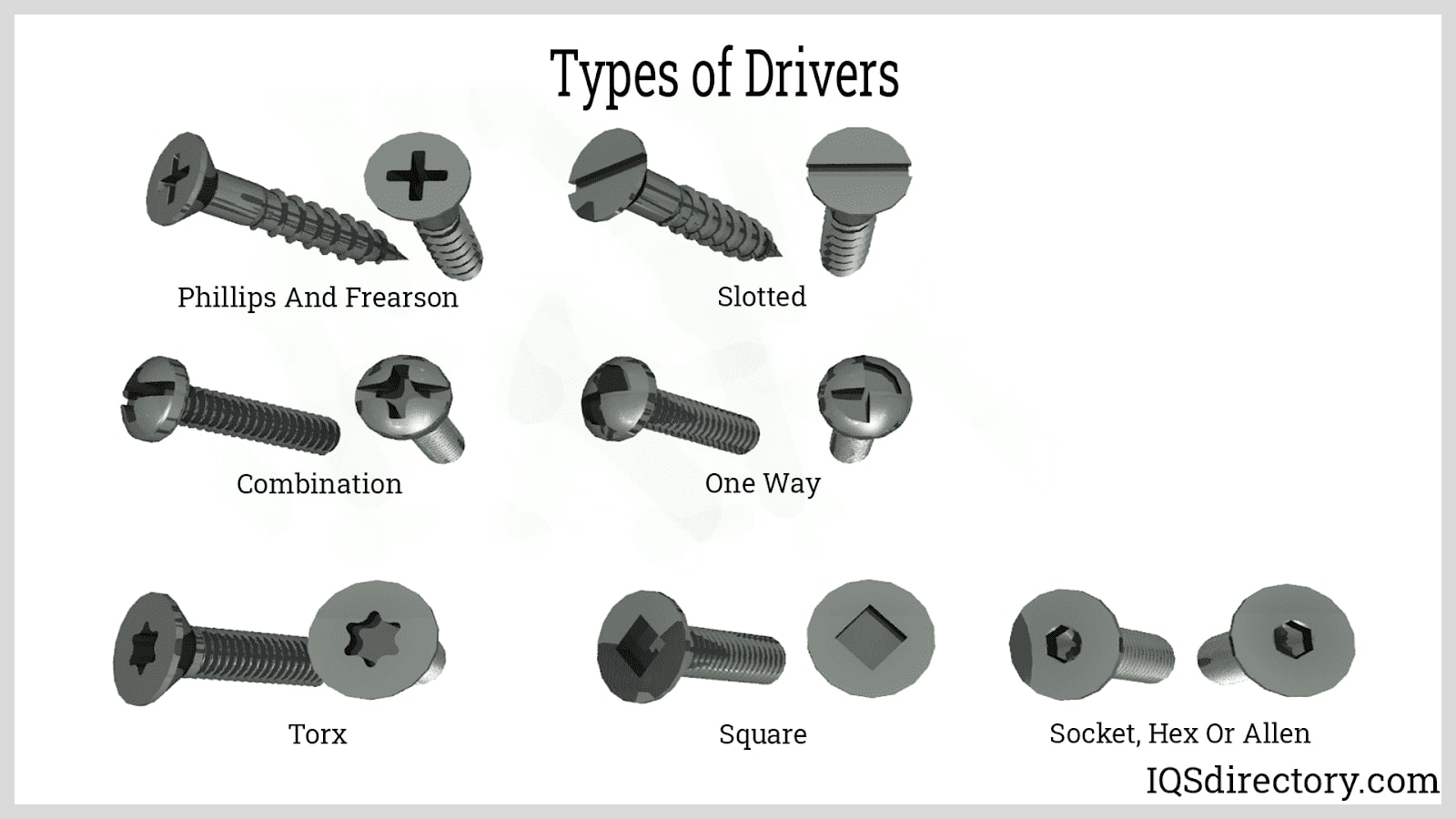
Bolts and screws are the most common fasteners. Both have threads that grip materials tightly. Bolts usually need a nut to secure them. Screws can hold objects without a nut. They come in many sizes and shapes.
Nuts And Washers
Nuts are small pieces that twist onto bolts. They lock bolts in place. Washers sit between the nut and the surface. They spread the load and protect surfaces. Nuts and washers work together to secure parts well.
Rivets And Pins
Rivets join materials by creating a permanent hold. They are hammered or pressed to fit. Pins are simple rods that hold parts together. They can be removed easily. Both rivets and pins are strong and reliable fasteners.
Clips And Clamps
Clips and clamps hold parts without drilling holes. Clips snap onto edges or grooves. Clamps squeeze parts tightly to keep them still. They are useful for temporary or adjustable connections. These fasteners are easy to use and remove.
Choosing The Right Fastener
Choosing the right fastener is important for any project. The right fastener holds parts together firmly and safely. Using the wrong type can cause problems. It might not hold well or could break easily. Understanding key factors helps pick the best fastener for the job.
Load And Strength Considerations
Fasteners must handle the weight and force they face. Heavy loads need strong fasteners made from tough materials. Light loads can use smaller or less strong fasteners. Check the fastener’s strength rating before use. This prevents failures and keeps structures safe.
Environmental Factors
Fasteners face different environments like moisture, heat, or chemicals. Rust can weaken metal fasteners exposed to water. Use stainless steel or coated fasteners in wet areas. High temperatures require fasteners that resist heat damage. Choose fasteners that suit the environment to last longer.
Material Compatibility
Fasteners must match the materials they join. Metal fasteners work well with metal parts. Wood needs screws or nails designed for wood. Some fasteners can cause corrosion if materials react badly together. Pick fasteners that fit the materials to avoid damage and ensure a strong hold.
Fastener Applications
Fasteners are small but vital parts used to hold things together. They join materials like metal, wood, and plastic. Their uses spread across many fields. Fasteners must be strong and reliable for different tasks. Here are some common areas where fasteners play a key role.
Construction Industry
Fasteners connect beams, panels, and frames in buildings. They ensure structures stay stable and safe. Nails, screws, and bolts are often used here. They help build homes, offices, and bridges. Without strong fasteners, buildings would not last long.
Automotive Uses
Cars need fasteners to hold parts tightly. Engines, doors, and seats all use screws and bolts. Fasteners keep vehicles safe and functional. They resist vibration and heat inside cars. Quality fasteners prevent accidents and breakdowns.
Electronics And Appliances
Small fasteners hold circuit boards and panels in place. They secure parts inside phones, computers, and TVs. Fasteners allow easy repair and assembly. They keep delicate electronics safe from damage. Without them, devices would fall apart quickly.
Furniture Assembly
Fasteners join wood, metal, and plastic pieces in furniture. Screws and bolts create strong joints in chairs and tables. Fasteners make furniture sturdy and long-lasting. They also help with easy setup and moving. Using the right fasteners improves furniture quality.
Installation Techniques
Installing fasteners properly is key to a strong and lasting hold. The right techniques keep materials secure and prevent damage. Understanding how to install fasteners helps achieve the best results every time.
Tools Required
Basic tools include screwdrivers, wrenches, and drills. Choose the right size and type for the fastener. Use a level to keep things straight. Safety gear like gloves and goggles protect your hands and eyes.
Best Practices
Start by cleaning the surfaces to remove dirt and grease. Align fasteners carefully with holes or marks. Apply steady pressure without forcing the fastener. Tighten just enough to hold parts firmly but avoid over-tightening.
Common Mistakes To Avoid
Do not use the wrong tools or fasteners for the job. Avoid driving fasteners at an angle. Over-tightening can strip threads or crack materials. Skipping surface preparation leads to weak bonds and fastener failure.

Credit: en.wikipedia.org
Maintenance And Inspection
Fasteners hold parts together in machines and structures. Regular maintenance and inspection keep them safe and strong. This section explains how to check fasteners for problems. Learn how to spot wear and damage. Understand when to replace fasteners. Discover steps to prevent fastener issues.
Signs Of Wear And Damage
Look for cracks or bends in fasteners. Rust and corrosion weaken their strength. Loose fasteners cause parts to move or rattle. Worn threads make screws hard to tighten. Check for missing or broken pieces. These signs show fasteners may fail soon.
Replacement Guidelines
Replace fasteners showing cracks or deep rust. Avoid using damaged or bent fasteners. Use the same size and type for replacements. Always follow the manufacturer’s instructions. Replace fasteners that no longer hold tight. Regular replacement keeps machines safe and reliable.
Preventive Measures
Keep fasteners clean and dry to avoid rust. Use lubricants to make tightening easier. Tighten fasteners to the recommended torque. Avoid overtightening that can cause damage. Inspect fasteners regularly for early signs of wear. Proper care extends fasteners’ life and keeps parts secure.
Frequently Asked Questions
What Are The Main Types Of Fasteners?
Fasteners include screws, bolts, nuts, washers, and rivets. Each type serves a specific purpose in joining materials securely.
How Do Fasteners Differ From Adhesives?
Fasteners physically join materials, allowing easy disassembly. Adhesives bond surfaces chemically, often creating permanent joints.
Why Are Fasteners Important In Construction?
Fasteners provide strong, reliable connections that ensure structural integrity. They allow easy assembly and maintenance of buildings and machinery.
What Materials Are Fasteners Commonly Made From?
Fasteners are typically made from steel, stainless steel, brass, aluminum, and plastic. Material choice depends on strength and corrosion resistance needs.
Conclusion
Fasteners hold things together in many ways. They come in different shapes and sizes. Each type has a special job to do. You find fasteners in cars, buildings, and gadgets. Choosing the right fastener makes work easier and safer. Knowing what fasteners are helps in everyday tasks.
They keep objects strong and steady. Simple but important pieces in our daily lives. Understanding fasteners helps in fixing and building things well.