Are you tired of loose papers slipping out of your folders or messy stacks cluttering your desk? Paper fasteners can be the simple solution you need to keep everything neat and organized.
If you’re unsure how to use them or want to make the most of their benefits, this guide is made just for you. By the time you finish reading, you’ll know exactly how to secure your documents quickly and efficiently, saving you time and frustration.
Let’s dive in and transform the way you manage your paperwork!
Credit: leetdorianhotel.net
Types Of Paper Fasteners
Paper fasteners help keep papers together neatly. They come in different types. Each type works best for certain tasks. Knowing the types helps you choose the right one.
Split Pins
Split pins are metal fasteners with two legs. You push them through holes in papers. Then spread the legs apart to hold papers tight. They are strong and reusable. Great for thick stacks of paper.
Brads
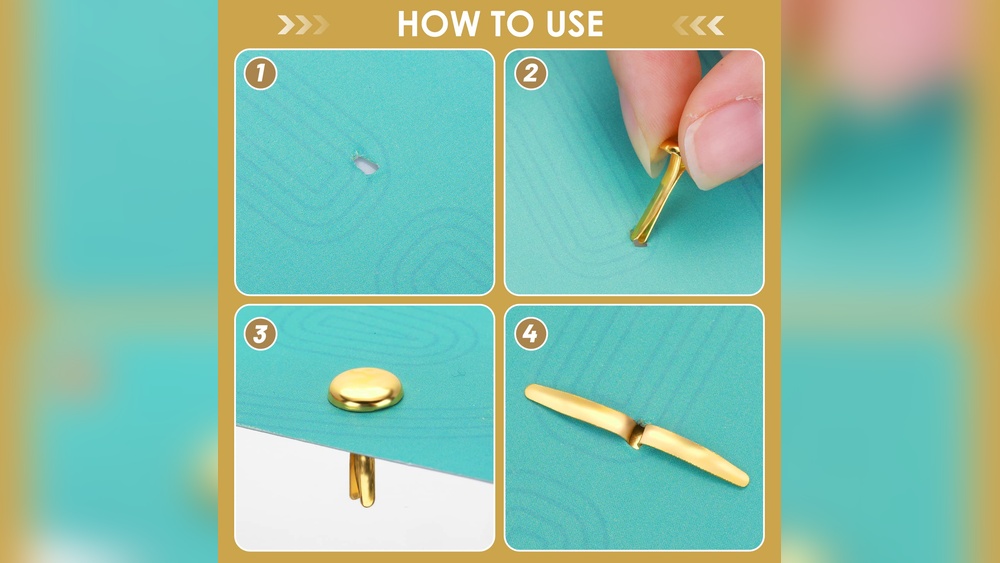
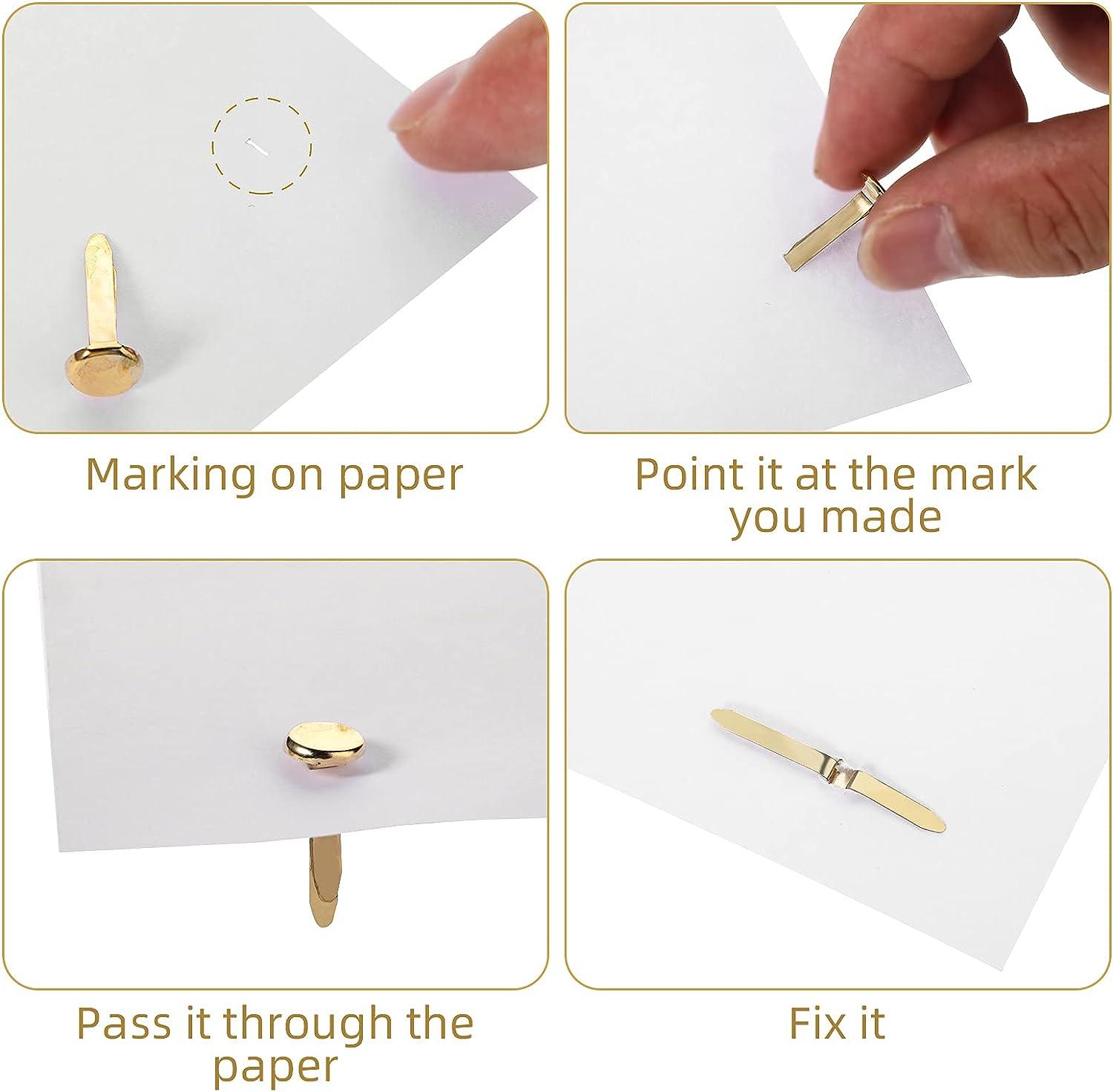
Brads have a small head and two thin legs. Insert the legs through paper holes. Bend the legs outward to secure sheets. Brads work well for light to medium papers. They allow papers to turn easily.
Prong Fasteners
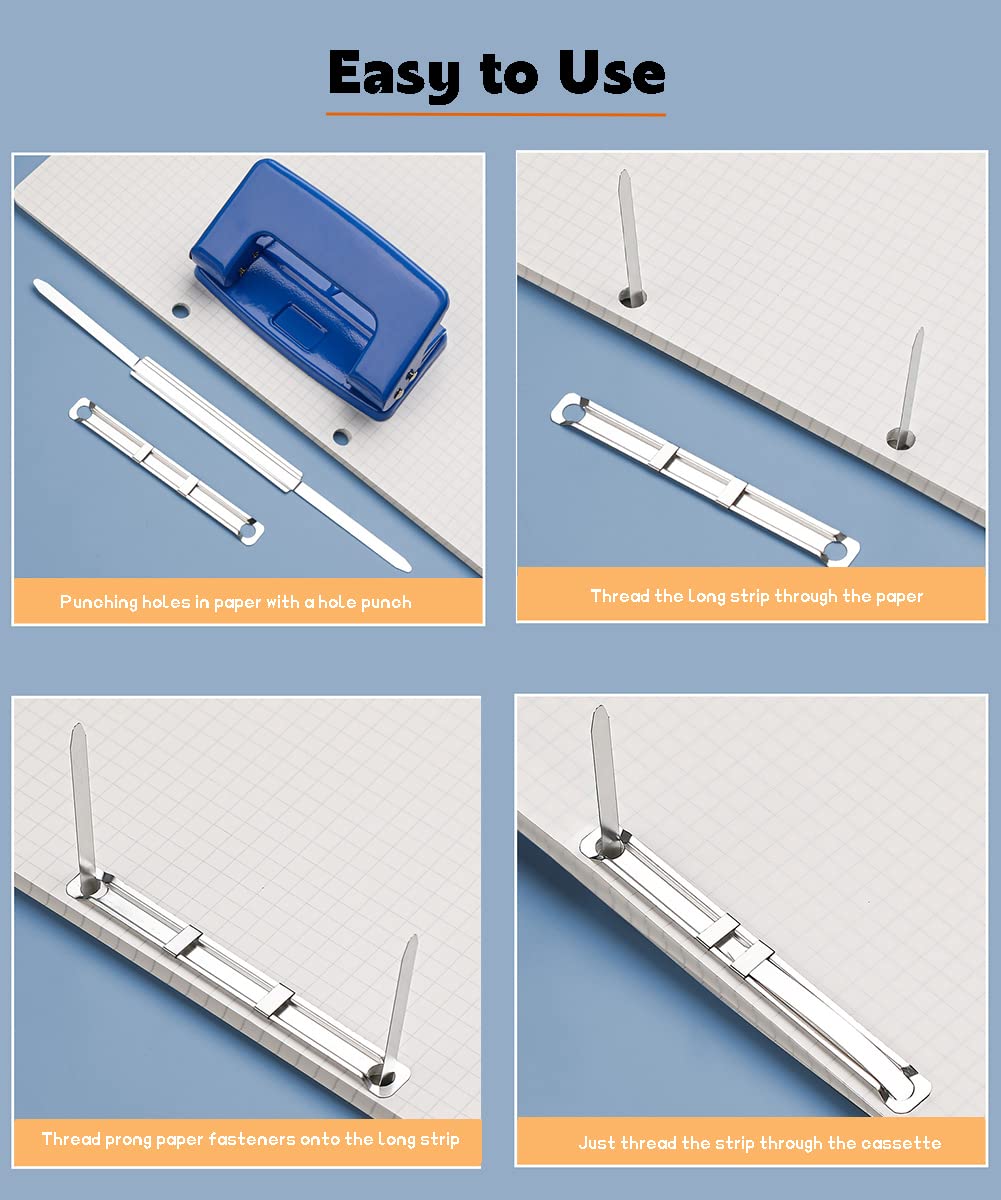
Prong fasteners have a flat base and two long prongs. Push prongs through paper holes. Then fold prongs down flat. These fasteners hold many pages together. Good for reports or booklets.
Butterfly Clips
Butterfly clips are small and decorative. Insert the clip through paper holes. The two wings open like a butterfly. They hold papers securely but allow easy removal. Ideal for small paper stacks or crafts.
Credit: www.amazon.sa
Choosing The Right Fastener
Choosing the right paper fastener is key to keeping your documents neat and secure. The right fastener ensures papers stay together without damage. It also makes handling and organizing easier. Consider a few factors before picking the best fastener for your needs.
Consider Paper Thickness
Check how thick your paper stack is. Thin stacks need small fasteners. Thick stacks require longer prongs to hold all pages firmly. Using the wrong size can cause papers to slip or tear. Measure your paper thickness to match the fastener size.
Select Fastener Size
Fasteners come in various sizes. Choose one that fits your paper stack well. Too small, and it won’t hold pages properly. Too large, and it may be hard to close or look untidy. Pick a size that fits comfortably and secures papers neatly.
Material And Durability
Fasteners come in metal or plastic. Metal fasteners are strong and last long. Plastic ones are lighter and resist rust. Select material based on how often you use the fastener. For heavy use, metal is best. For light or occasional use, plastic works fine.
Step-by-step Fastening Process
Using paper fasteners is a simple way to keep papers together. Follow these clear steps for neat and secure fastening. This process saves time and keeps documents organized.
Aligning Your Papers
Place all papers on a flat surface. Make sure the edges line up evenly. Check that holes for the fastener match perfectly. This step ensures the papers stay aligned after fastening.
Inserting The Fastener
Take the paper fastener and push its prongs through the holes. Insert slowly to avoid tearing the paper. The fastener should go through all sheets cleanly. This keeps the papers firmly joined.
Securing And Folding
Bend the prongs of the fastener outward. Fold them flat against the back of the papers. Press the prongs so they lie smooth and tight. This locks your papers together securely and neatly.

Credit: www.youtube.com
Organizing Documents Efficiently
Organizing documents efficiently saves time and reduces stress. Using paper fasteners helps keep papers together in neat groups. This makes your desk and files look tidy. It also helps you find papers quickly.
Labeling Sections
Labeling sections with paper fasteners keeps documents clear. Attach a small label or tag near the fastener. Write a short title or date on the label. This way, you can know what each section contains. It avoids confusion and helps in quick sorting.
Color Coding
Color coding with fasteners makes organization simple. Use different colored fasteners for each category. For example, red for urgent papers, blue for reports, and green for invoices. Colors act as visual clues for easy identification. This method speeds up finding the right documents.
Using Fasteners For Categorization
Fasteners help separate documents into categories. Group papers by topic, project, or date. Fasten each group tightly to avoid mixing. You can add multiple fasteners for subcategories. This keeps your work orderly and easy to manage.
Common Mistakes To Avoid
Using paper fasteners is simple, but mistakes can cause frustration. Avoiding common errors helps your papers stay neat and secure. Here are some common mistakes to watch out for.
Overloading Fasteners
Do not put too many sheets on one fastener. It can bend or break the fastener. Papers may also slip out easily. Use multiple fasteners for thick stacks.
Incorrect Folding
Fold the fastener prongs carefully and fully. Partial or uneven folding can cause sharp edges. These edges may tear papers or cause injury. Press the prongs flat against the paper for best hold.
Ignoring Paper Alignment
Always line up papers before inserting the fastener. Misaligned papers can create bulges or damage pages. Proper alignment makes the bundle look tidy and professional. Check edges before securing the fastener.
Creative Uses For Paper Fasteners
Paper fasteners are small but very useful tools. They hold papers together and let you change pages easily. These fasteners are not only for office use. They can be part of creative projects too. They help organize, decorate, and build in many ways.
Diy Booklets
Create simple booklets using paper fasteners. Stack your pages neatly. Punch holes along one side. Insert fasteners to hold pages together. You can add or remove pages anytime. It is perfect for notes, recipes, or mini journals. The fasteners keep everything secure and easy to flip.
Temporary Binding
Use paper fasteners for quick, temporary binding. They hold documents during reviews or edits. Punch holes in your papers. Insert fasteners to keep pages organized. When changes are done, open the fasteners and rearrange. This saves time and reduces paper damage.
Craft Projects
Paper fasteners work well in many craft projects. Use them to connect paper parts that need movement. They are great for making paper dolls, wheels, or spinning parts. Fasteners add a fun, interactive element to crafts. Kids enjoy making and playing with these creations.
Frequently Asked Questions
What Are Paper Fasteners Used For?
Paper fasteners securely bind multiple sheets of paper. They allow easy addition or removal of pages. Fasteners are common in reports, presentations, and organizing documents neatly.
How Do You Insert A Paper Fastener Correctly?
Punch holes aligned to the fastener prongs. Insert prongs through holes from front to back. Spread prongs wide apart on the backside to secure papers tightly.
Can Paper Fasteners Be Reused Multiple Times?
Yes, paper fasteners are reusable. Simply fold open prongs to remove papers. Then reinsert and fold prongs to fasten new documents again.
Are Paper Fasteners Better Than Staples?
Paper fasteners allow easier paper addition or removal. Staples permanently bind sheets and can damage paper. Fasteners offer flexibility and neat organization.
Conclusion
Paper fasteners help keep documents neat and organized. They are easy to use and save time. Choose the right size for your papers. Insert the prongs through the holes carefully. Fold the prongs to secure the pages tightly. You can reuse fasteners many times.
This simple tool makes filing and sorting easier. Try using paper fasteners to improve your work or school tasks. They keep papers together without damaging them. A small effort brings big order to your documents.


