Have you ever wondered how strong a fastener really is when it’s twisted? Understanding the torsional strength of a fastener is crucial for making sure your projects hold up under pressure.
Whether you’re working on a DIY task or managing a large construction job, knowing this key property can save you time, money, and frustration. You’ll discover exactly what torsional strength means, why it matters, and how it affects the safety and durability of your fasteners.
Keep reading to unlock the secrets that can help you choose the right fastener every time.

Credit: www.researchgate.net
Basics Of Torsional Strength
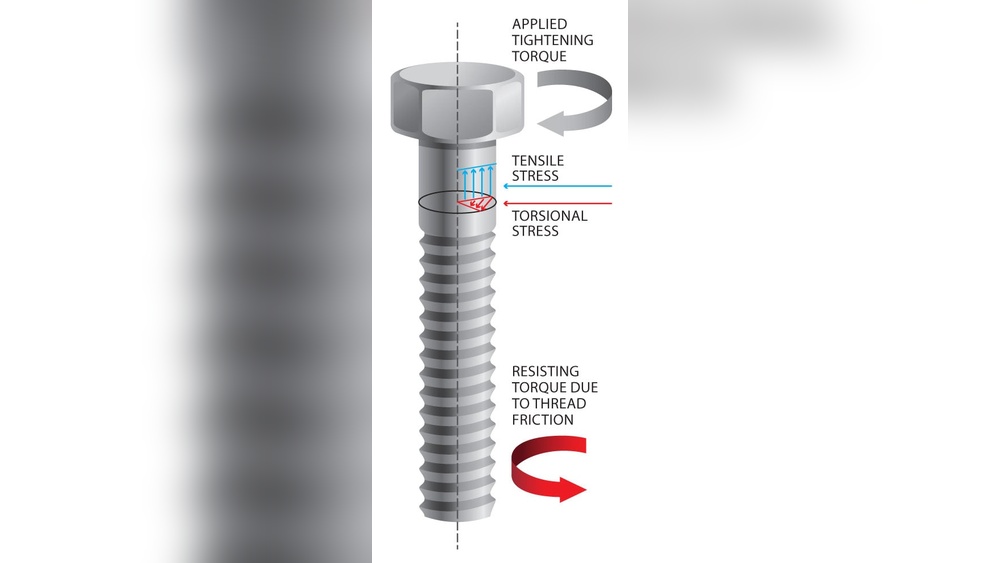
Torsional strength is a key property of fasteners. It shows how much twist a fastener can handle before it breaks or fails. Understanding this helps in choosing the right fastener for various applications.
This section explains the basics of torsional strength. It covers what it means, why it matters, and how it is measured.
Definition Of Torsional Strength
Torsional strength is the ability of a material to resist twisting forces. It is the maximum torque a fastener can take without damage. Torque means the force that causes something to rotate or twist.
Fasteners with high torsional strength can handle more twist without breaking. Low torsional strength means the fastener may fail under less twisting force.
Importance For Fasteners
Torsional strength is important for fasteners because they often face twisting forces during use. For example, screws and bolts are twisted to tighten or loosen.
If the torsional strength is too low, the fastener can snap or strip. This causes problems in construction, machines, and many other areas. Choosing fasteners with the right torsional strength ensures safety and durability.
Units Of Measurement
Torsional strength is measured in units of torque. The common units are Newton-meters (Nm) and pound-feet (lb-ft). These units show how much twisting force the fastener can resist.
Manufacturers test fasteners using special tools to find their torsional strength. This data helps users select fasteners that fit their needs.
Factors Affecting Torsional Strength
Torsional strength shows how much twisting force a fastener can handle. Several factors affect this strength. Understanding these helps in choosing the right fastener for your project. The key factors include material properties, fastener geometry, thread design, and surface treatments.
Material Properties
The material of a fastener plays a big role in torsional strength. Stronger materials resist twisting better. Steel, titanium, and alloys are common choices. Some materials are harder and less likely to deform. The quality of the material also matters. Heat treatment can improve strength.
Fastener Geometry
The shape and size of a fastener affect how it handles torque. A thicker fastener usually has higher torsional strength. The length and diameter must be balanced for best performance. The head design can also influence torque distribution. Proper geometry reduces the chance of failure.
Thread Design
Thread shape and pitch impact how fasteners resist twisting. Coarse threads may grip better in soft materials. Fine threads provide more surface contact and hold tighter. The angle and depth of threads affect strength. Good thread design helps spread the load evenly.
Surface Treatments
Surface treatments can strengthen a fastener against twisting forces. Coatings like zinc or chrome add protection and reduce wear. Some treatments increase hardness on the surface. This helps resist damage during installation. Proper surface treatment extends fastener life.
Types Of Fasteners And Their Torsional Strength
Torsional strength is the ability of a fastener to resist twisting forces. Different fasteners have different torsional strengths. Knowing these differences helps in selecting the right fastener for a job. Below, we explore common types of fasteners and their torsional strengths.
Bolts
Bolts are strong fasteners used with nuts. They handle high torsional forces well. The material and thread design affect their strength. Bolts made of steel have better torsional strength than those made of aluminum. Proper torque during installation is important to avoid damage.
Screws
Screws are versatile fasteners with varying torsional strengths. Wood screws have lower torsional strength than machine screws. The type of thread and length also play a role. Over-tightening can strip the threads and reduce strength.
Studs
Studs are threaded rods used between two parts. They offer high torsional strength because they do not have a head. Their strength depends on the material and thread pitch. Studs are ideal for heavy-duty applications requiring strong resistance to twisting.
Nuts
Nuts work with bolts and studs to hold parts together. Their torsional strength depends on the material and thread quality. High-grade nuts resist twisting better. Using the correct nut for the fastener ensures a secure connection.

Credit: www.gauthmath.com
Testing Torsional Strength
Testing torsional strength shows how much twist a fastener can take before it breaks. This test helps ensure fasteners hold parts tightly under twisting forces. Accurate testing prevents failures and improves safety in many applications.
Laboratory Methods
Laboratory tests use machines to apply twisting force to fasteners. The fastener is fixed at one end while torque is applied to the other. Devices measure how much force the fastener resists before it bends or breaks. This method gives precise results under controlled conditions.
Standard Testing Procedures
Testing follows set standards from organizations like ASTM or ISO. These standards describe how to prepare samples and apply torque. They also specify test speed and environment. Following standards ensures results are reliable and comparable worldwide.
Interpreting Test Results
Results show the maximum torque a fastener withstands. This value indicates the fastener’s strength and quality. Engineers compare results to required specifications to decide if a fastener is suitable. Low torsional strength means the fastener might fail under stress.
Calculating Torsional Strength
Calculating the torsional strength of a fastener helps ensure it can handle twisting forces without breaking. This calculation is important for safety and performance in many mechanical applications. It involves understanding the forces, material properties, and dimensions of the fastener. Accurate calculations prevent failures and extend the life of the fastener.
Mathematical Formulas
The torsional strength depends on the torque and the fastener’s geometry. The basic formula is:
Where T is the torque, τ is the shear stress, J is the polar moment of inertia, and r is the radius.
The polar moment of inertia (J) for a circular cross-section is:
d is the diameter of the fastener. These formulas calculate the maximum torque before the fastener twists or fails.
Using Material Data
Material properties are key in torsional strength. Shear strength or shear stress values come from material data sheets. Different metals and alloys have different shear strengths. Use the shear strength to find the maximum torque the fastener can handle safely.
Example: Steel fasteners have higher shear strength than aluminum ones. Always check the material’s shear strength for accurate calculations.
Practical Examples
Imagine a steel bolt with a diameter of 10 mm. Its shear strength is 400 MPa. First, calculate J:
J = π × (10 mm)⁴ / 32 = 9,817.5 mm⁴
Then, calculate the torque T:
T = 400 MPa × 9,817.5 mm⁴ / 5 mm = 785,400 N·mm or 785.4 N·m
This means the bolt can safely handle 785.4 Newton-meters of torque before failing.
Improving Torsional Strength
Improving the torsional strength of a fastener helps it resist twisting forces. Stronger fasteners last longer and hold parts tightly. Several methods can increase torsional strength. Choosing the right materials and designs plays a key role. Heat treatment and special coatings also add strength. Each approach targets different weaknesses in fasteners.
Material Selection
Selecting strong materials boosts torsional strength. Steel alloys with high carbon content are common. They handle twisting without breaking. Some fasteners use stainless steel for extra toughness. Metals like titanium offer strength and low weight. The right metal depends on the application needs.
Design Adjustments
Adjusting the fastener’s shape improves its resistance. Thicker shanks reduce the risk of twisting. Threads designed to spread load evenly help too. Some fasteners use wider heads for better grip. Proper design balances strength with ease of use.
Heat Treatment
Heat treatment changes the metal’s internal structure. It makes fasteners harder and more elastic. Processes like quenching and tempering are common. Heat-treated fasteners resist torsion better. This method improves durability without adding weight.
Coatings And Finishes
Coatings protect fasteners from wear and corrosion. Zinc plating and black oxide are popular options. These finishes reduce surface damage under stress. Some coatings increase surface hardness too. This helps fasteners maintain strength over time.
Common Failures Related To Torsion
Torsional strength is crucial for fasteners that hold parts together under twisting forces. When fasteners fail under torsion, it can cause serious problems in machines or structures. Understanding common failures helps prevent damage and ensures safety.
Fasteners face different types of failures due to torsion. These failures affect their ability to hold parts tightly. Below are the most common types of torsion-related failures.
Shearing
Shearing happens when the fastener breaks across its cross section. The twisting force cuts through the fastener like scissors. Shearing often occurs when the applied torque is too high. This failure is sudden and leaves no warning signs.
Thread Stripping
Thread stripping occurs when the threads on the fastener or inside the hole get damaged. Twisting force causes the threads to slide and lose grip. The fastener becomes loose and cannot hold parts together. This failure reduces the strength and reliability of the joint.
Fatigue Cracks
Fatigue cracks develop over time from repeated twisting. Small cracks start and grow slowly with each load cycle. These cracks weaken the fastener and can cause it to break unexpectedly. Fatigue cracks are hard to spot without careful inspection.

Credit: www.high-strength-steel.com
Applications And Industry Standards
Understanding the torsional strength of a fastener is key in many industries. This strength shows how much twisting force a fastener can handle before failing. Different fields use fasteners in various ways, so they need specific standards. These standards ensure safety and performance across many applications.
Each industry has unique needs for fasteners. The torsional strength must match these needs. Let’s explore how automotive, aerospace, and construction sectors apply this knowledge. We will also look at the important standards that guide fastener use.
Automotive
Fasteners in cars face constant stress and vibration. Torsional strength helps keep parts tight and safe. Engines, brakes, and suspension systems rely on strong fasteners. Weak fasteners can cause breakdowns or accidents. Automotive fasteners must meet strict strength tests. This ensures vehicles run smoothly and safely.
Aerospace
Aerospace fasteners endure extreme forces and temperatures. Aircraft parts twist and turn during flights. Fasteners with high torsional strength prevent failures in flight. Safety is critical in this industry. Fasteners must pass rigorous testing to meet aerospace standards. This protects passengers and equipment alike.
Construction
Construction fasteners join heavy materials like steel and concrete. Buildings and bridges face strong winds and loads. Fasteners must resist twisting to keep structures stable. Poor torsional strength can cause structural damage or collapse. Construction fasteners follow strict guidelines for strength. This supports safe and durable buildings.
Relevant Standards
Standards define the required torsional strength for fasteners. Organizations like ASTM, ISO, and SAE set these rules. These standards cover testing methods and material quality. Fasteners are certified to meet these guidelines. This ensures they perform well in real-world conditions. Standards help manufacturers produce reliable fasteners worldwide.
Frequently Asked Questions
What Defines The Torsional Strength Of A Fastener?
Torsional strength measures a fastener’s ability to resist twisting forces. It ensures the fastener won’t fail under torque during installation or use.
How Is Torsional Strength Of Fasteners Tested?
Testing involves applying torque until the fastener twists or breaks. This assesses the maximum torque the fastener can safely withstand.
Why Is Torsional Strength Important In Fastener Selection?
It prevents fastener failure under twisting loads. Choosing the right torsional strength ensures safety and durability in mechanical assemblies.
Which Materials Offer Higher Torsional Strength In Fasteners?
Alloy steels and heat-treated metals typically have higher torsional strength. Material choice directly affects a fastener’s performance under torque.
Conclusion
Torsional strength shows how much twist a fastener can take. It helps choose the right fastener for your project. Knowing this strength keeps structures safe and strong. Always check the fastener’s specs before use. This simple step saves time and money.
Understanding torsional strength makes your work more reliable. It is key to building things that last. Keep this in mind for better results every time.