Have you ever reached for a paper fastener and realized you didn’t have one? It can be frustrating when you need to keep your papers together quickly, but the usual tool is nowhere to be found.
Luckily, there are simple and clever alternatives you can use right now. If you want to know easy, effective ways to hold your documents without a paper fastener, you’re in the right place. Keep reading, and you’ll discover practical solutions that save your time and keep your papers neat.
Common Paper Fasteners
Paper fasteners hold sheets together neatly. They keep papers organized and easy to handle. Many types of fasteners exist. Each serves a specific purpose. Knowing common fasteners helps find suitable alternatives.
Types Of Paper Fasteners
Staples are small metal clips. They punch through paper and bend to hold pages. Paper clips are thin metal loops. They slide on top to grip papers without holes.
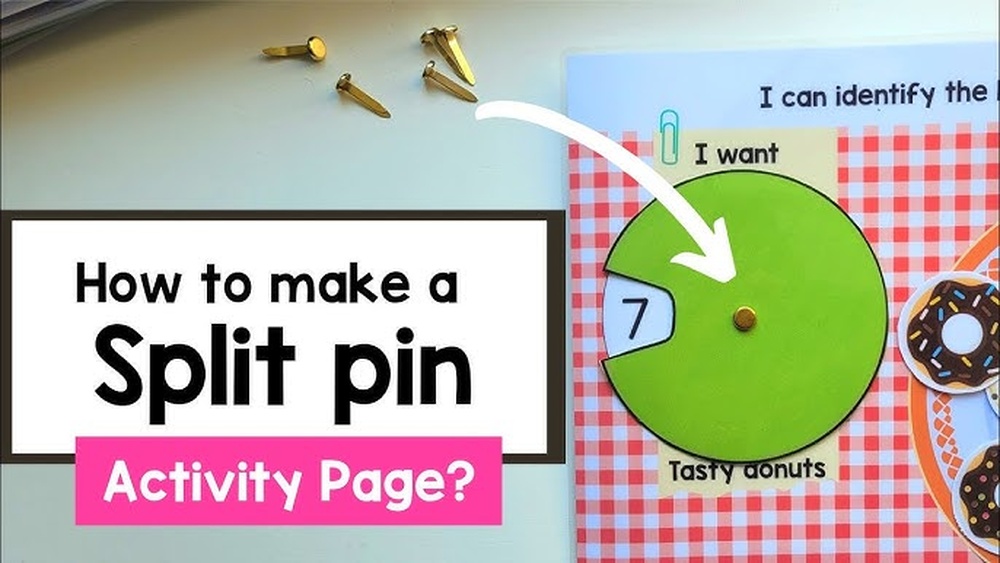
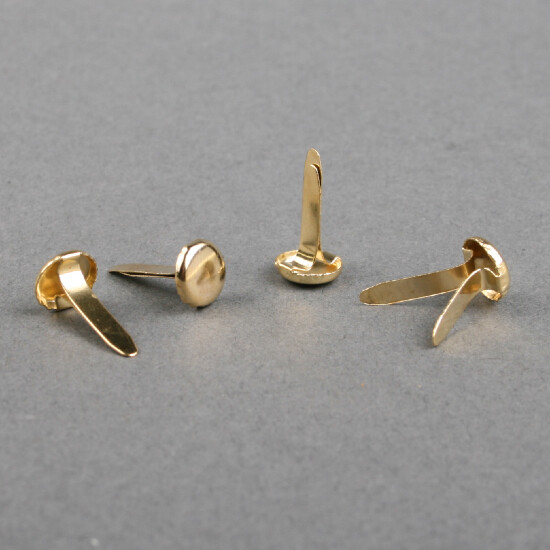
Brads or split pins have two prongs. They insert through punched holes and fold open. Binder clips use a strong spring. They clamp thick stacks of paper securely.
Plastic fasteners also exist. They snap through holes and hold papers firmly. Each type suits different paper amounts and needs.
Limitations Of Traditional Fasteners
Staples can damage paper with holes and tears. Removing staples may rip pages. Paper clips can slip off easily. They do not hold large stacks well.
Brads need punched holes, which may not be available. Binder clips are bulky and can leave marks. Plastic fasteners are less common and may break.
Understanding these limits helps choose better paper fastener substitutes. Sometimes, other options work best.
Binder Clips
Binder clips are a popular alternative to paper fasteners. They hold papers tightly without punching holes. These clips have a strong grip and a simple design. You can open and close them easily. They come in different sizes and can secure many sheets at once.
Sizes And Uses
Binder clips come in small, medium, and large sizes. Small clips hold about 10-15 sheets. Medium clips can handle 40-50 sheets. Large clips secure over 100 sheets. Use small clips for notes or few pages. Medium ones work well for reports or booklets. Large clips are perfect for thick stacks or files. You can also use binder clips to organize cables or keep bags closed.
Advantages Over Paper Fasteners
Binder clips do not damage paper like fasteners do. They do not leave holes or tears. Clips are reusable many times without losing grip. They hold papers more securely and prevent slips. Clips are easier to remove and adjust. They work well with different paper sizes and types. Binder clips also save time because they attach quickly. Their metal arms can act as handles to carry papers easily.
Staples And Staplers
Staples and staplers offer a quick and reliable way to hold papers together. They are common in offices, schools, and homes. Unlike paper fasteners, staples do not leave large holes or require folding. They keep documents neat and secure with minimal effort.
Staplers come in various sizes. Some can staple a few sheets, while heavy-duty ones handle thick stacks. They are easy to use and widely available, making them a popular alternative.
When To Use Staples
Use staples for small to medium paper stacks. They work best for up to 20 sheets. Staples are ideal for quick tasks like reports, assignments, or letters. Choose staples when you want a firm hold without damaging papers. Avoid using staples on very thick stacks. They can jam the stapler or tear the paper.
Staple Removal Tips
Remove staples gently to avoid tearing papers. Use a staple remover tool or flat object. Slide the remover under the staple’s edge carefully. Lift the staple slowly to release it. If no tool is available, use a small flat screwdriver. Push the staple legs up before pulling it out. Check papers for tiny tears and smooth them out. Removing staples carefully keeps documents clean and reusable.
Paper Clips
Paper clips are a simple and effective alternative to paper fasteners. They hold papers together without punching holes or causing damage. Paper clips are easy to use and remove. They come in various sizes and shapes, making them versatile for many tasks.
Different Styles
Standard paper clips are the most common and widely used. They have a simple oval shape made from metal wire. Jumbo paper clips are larger and hold more sheets at once. Colored paper clips add a bit of style and help with organization. Some clips have plastic coatings for better grip and color options. Decorative clips come in fun shapes for personal or creative use.
Best Situations For Paper Clips
Paper clips work well for temporary document holding. They are perfect for small stacks of paper that need quick access. Use them to keep receipts, notes, or handouts together. They are ideal when you want to avoid holes or marks on papers. Paper clips also help sort papers by color or size. They are handy in offices, schools, and homes.
Rubber Bands
Rubber bands offer a simple way to keep papers together without using a paper fastener. They stretch to fit around stacks of paper and hold them tightly. Rubber bands come in many sizes and colors, making them useful for different tasks. They are easy to find in offices, homes, and schools.
Securing Loose Papers
Wrap a rubber band around a group of papers to keep them from scattering. It works well for holding notes, receipts, or small documents. The band keeps papers in one place without punching holes or damaging them. You can quickly remove and reuse the rubber band as needed. This method is fast and neat for organizing papers on the go.
Pros And Cons
Rubber bands are cheap and easy to use. They do not require any special tools or skills. They can hold a large number of papers tightly. Rubber bands are flexible and reusable, which helps reduce waste.
On the downside, rubber bands may snap if stretched too much. They can leave marks or indentations on delicate paper. Over time, rubber bands can dry out and lose their stretchiness. Not ideal for very thick stacks or important documents needing long-term holding.
String Or Twine
String or twine offers a simple way to hold papers together without a paper fastener. It is easy to find and use. You only need some string and a pair of scissors. This method works well for small stacks of papers or projects that need a rustic look.
Creative Binding Methods
Wrap string around the papers neatly. Tie a tight knot or a bow to secure them. You can also punch holes in the papers and thread the string through. This adds a creative touch to your documents. Different colors and thicknesses of string make your papers look unique.
Durability Factors
String or twine holds papers well, but it may loosen over time. Thicker twine lasts longer and holds better. Avoid using thin or weak string for heavy paper stacks. Keep the knot tight to prevent papers from slipping out. This method works best for light to medium paper bundles.
Folders And Envelopes
Folders and envelopes offer a simple way to keep papers together without using paper fasteners. They come in many sizes and materials. You can choose from plastic, paper, or even fabric options. These tools help keep your documents neat and easy to carry. They also make sorting papers faster and less messy.
Organizing Multiple Pages
Folders hold many pages in one place. They prevent papers from falling out or mixing up. You can separate documents by topic or date. Envelopes work well for smaller stacks of paper. Both help keep your work tidy and easy to find. No need to punch holes or staple pages together.
Protection Benefits
Folders and envelopes protect papers from damage. They stop pages from bending or tearing. Plastic folders shield against water and spills. Envelopes keep papers safe during transport. Using these keeps your documents clean and intact. It is a simple way to guard important papers.
Credit: www.thesolutionshop.com
Adhesive Solutions
Adhesive solutions offer practical alternatives to paper fasteners. They hold papers together without holes or metal parts. These options work well for both home and office tasks. Choosing the right adhesive depends on how long you want the papers to stay joined.
Using Tape Or Glue
Tape is easy to use and comes in many types. Clear tape works best for small paper stacks. Double-sided tape is good for a neat finish. Glue sticks provide a smooth hold without wrinkling paper. Liquid glue can join papers firmly but takes time to dry.
Temporary Vs Permanent
Temporary adhesives let you separate papers without damage. Removable tape or glue dots fit this need. They peel off cleanly and leave no marks. Permanent adhesives like strong glue or heavy-duty tape create lasting bonds. Choose permanent solutions for documents you want to keep together forever.
Digital Alternatives
Digital alternatives offer a smart way to organize and manage documents. They reduce the need for paper and fasteners. Digital tools help keep files neat and easy to find.
Scanning And Sharing Files
Scan paper documents to create digital copies. Use apps or scanners to save files on your computer. Share files by email or cloud storage. This method keeps documents safe and accessible. No need for physical fasteners or folders.
Reducing Paper Usage
Digital files cut down on paper use. Write notes and make lists on your phone or tablet. Use apps to edit and sign documents online. This reduces waste and clutter on your desk. Going digital helps the environment and saves space.

Credit: www.youtube.com
Choosing The Right Alternative
Choosing the right alternative to a paper fastener depends on your specific needs. Different options serve different purposes. Picking the best one saves time and effort. It also keeps your documents organized and neat.
Factors To Consider
First, think about how many pages you need to hold together. Some alternatives work better for small stacks, others for thick bundles. Consider if you want a permanent or temporary hold. Also, check if you need to add or remove pages often. The type of paper matters too. Thicker paper may need stronger fasteners. Lastly, think about how the fastener will look. Presentation can be important in some cases.
Matching Alternatives To Needs
For a small number of pages, paper clips are quick and easy. They allow you to add or remove pages fast. Binder clips work better for thicker stacks. They hold papers firmly without damage. Staplers create a permanent hold but can be tricky to remove. Plastic folders or report covers protect documents and keep them together. String or twine can bind papers for a rustic or simple look. Choose based on what fits your project and style best.

Credit: en.wikipedia.org
Frequently Asked Questions
What Are Common Alternatives To Paper Fasteners?
Common alternatives include staples, binder clips, paper clips, and rubber bands. These tools hold papers together securely and are easy to use. Each option suits different needs based on document thickness and permanence required.
Can Binder Clips Replace Paper Fasteners Effectively?
Yes, binder clips are a strong alternative. They hold thick paper stacks firmly and are reusable. Binder clips come in various sizes, making them versatile for different document volumes.
How Do Paper Clips Compare To Paper Fasteners?
Paper clips are simpler and quicker to use. They work best for light document bundling but lack the permanence and strength of paper fasteners. Paper clips are ideal for temporary holding.
Are Rubber Bands A Good Substitute For Paper Fasteners?
Rubber bands can hold papers but are less secure. They are flexible and convenient for bundling multiple documents temporarily. However, they may slip or damage papers if too tight.
Conclusion
Choosing an alternative to a paper fastener can be simple and useful. Staples, paper clips, or binder clips hold papers tightly. Rubber bands work well for quick fixes. Using tape or string also keeps pages together. Each option fits different needs and paper amounts.
Try a few to see what works best. Keep your papers neat without a fastener. Small changes make a big difference. Save time and effort with these easy tools. Your documents stay organized and easy to handle.