Are you struggling to keep your documents organized and secure? Table top fasteners might be the simple solution you’ve been missing.
These handy tools help you bind papers quickly and neatly, saving you time and frustration. You’ll learn exactly how to use table top fasteners step-by-step, so you can keep your workspace tidy and your important papers in perfect order. Ready to make your paperwork easier?
Let’s dive in!

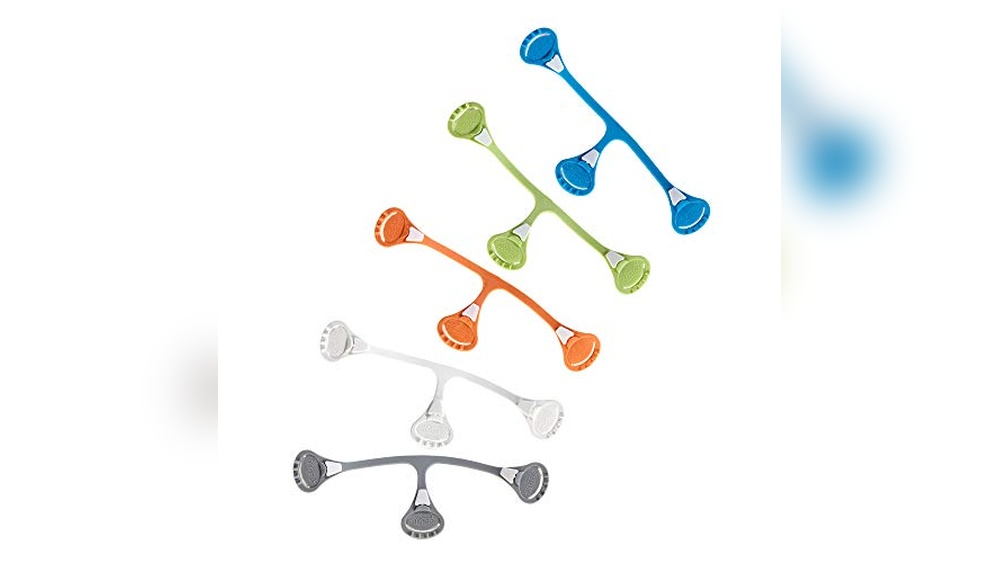
Credit: www.amazon.com
Types Of Table Top Fasteners
Table top fasteners hold pieces of wood or material together. They keep your table strong and steady. Different fasteners work best for different needs. Knowing the types helps you pick the right one for your project.
Cam Locks
Cam locks are small and easy to use. They fit into pre-drilled holes. Turn the cam lock to tighten and join parts. These fasteners are common in flat-pack furniture. They provide a strong hold without screws showing.
Dowel Pins
Dowel pins are wooden or metal rods. They fit into matching holes in two pieces. When glued, dowels create a firm bond. They keep table tops aligned and stable. Dowels are simple and cost-effective fasteners.
Corner Brackets
Corner brackets are metal pieces shaped like an “L.” They attach under the table at corners. Brackets add extra strength and support. They are easy to install with screws. Corner brackets help keep table tops square.
Screw Clamps
Screw clamps hold parts tightly while assembling. Turn the screw to adjust pressure. They keep pieces in place during glue drying. Screw clamps prevent movement and gaps. These are handy tools for table top assembly.
Choosing The Right Fastener
Choosing the right table top fastener is key for a strong and lasting hold. The right fastener keeps your tabletop secure and stable. It also prevents damage to your furniture.
Several factors affect your choice. Focus on the material, load needs, and how easy it is to install. These points help you pick the best fastener for your project.
Material Compatibility
Match the fastener material with the tabletop material. Wood needs different fasteners than metal or glass. Using the wrong type can cause cracks or rust.
Steel fasteners work well with metal tables. Brass or stainless steel suits wood better. Check for corrosion resistance, especially outdoors.
Load Capacity
Check the weight your fastener must hold. Heavy tabletops need fasteners with high load capacity. Lightweight fasteners may fail under pressure.
Look for fasteners rated for your table size and weight. Overestimating load capacity gives extra safety and durability.
Ease Of Installation
Choose fasteners that you can install easily. Some need special tools or skills. Simple fasteners save time and reduce errors.
Clip-on or screw-in fasteners are common and user-friendly. Read instructions and prepare the right tools before starting.
Tools Needed For Assembly
Using table top fasteners is easier with the right tools. Proper tools help you work faster and get better results. Prepare these tools before starting the assembly. It saves time and reduces mistakes.
Screwdrivers And Drills
Screwdrivers and drills are key tools for table top fasteners. A screwdriver fits the screw head and helps turn it. Choose the right size for your screws. A drill speeds up the work and drills pilot holes. Use drill bits that match your screw size. Power drills make the process smooth and quick.
Measuring Tools
Measuring tools ensure your fasteners are placed correctly. A tape measure helps find exact lengths and distances. A ruler or a square checks right angles. Mark points with a pencil for accuracy. Precise measurements prevent errors in assembly.
Clamps And Supports
Clamps hold pieces steady while you work. They prevent movement and keep parts aligned. Use clamps to secure the table top and frame. Supports can help keep the work level. This makes fastening safer and more precise.
Preparing The Table Components
Preparing the table components is a key step in using table top fasteners. This step ensures a strong and neat connection between table parts. Careful preparation helps avoid mistakes and saves time later.
Cleaning Surfaces
Start by cleaning the surfaces of the table parts. Remove dust, dirt, and grease with a soft cloth. Clean surfaces help fasteners grip better. Use mild soap and water if needed. Let the parts dry completely before moving on.
Aligning Pieces
Place the table pieces in their exact positions. Check edges and corners to make sure they line up. Use clamps or a helper to hold parts steady. Proper alignment ensures the table stays strong and even.
Marking Fastener Locations
Mark where each fastener will go using a pencil. Measure carefully to keep marks even and balanced. Mark both pieces where the fasteners will connect. Clear marks help avoid drilling errors and keep the table neat.
Step-by-step Assembly Process
The step-by-step assembly process of table top fasteners ensures a strong and durable connection. Following clear steps helps avoid mistakes and saves time. This guide breaks down the main actions to assemble fasteners properly.
Inserting Fasteners
Start by aligning the fastener with the pre-drilled holes on the table parts. Gently push the fastener into the hole until it fits snugly. Avoid forcing it to prevent damage. Check that the fastener sits flush with the surface.
Tightening Techniques
Use a screwdriver or Allen key to turn the fastener clockwise. Apply steady pressure for even tightening. Stop once the fastener feels secure but avoid over-tightening. Over-tightening can strip the threads or crack the wood.
Checking Stability
Test the connection by gently moving the table parts. There should be no wobbling or gaps. If the fastener feels loose, tighten it slightly more. Confirm all fasteners are secure before using the table.

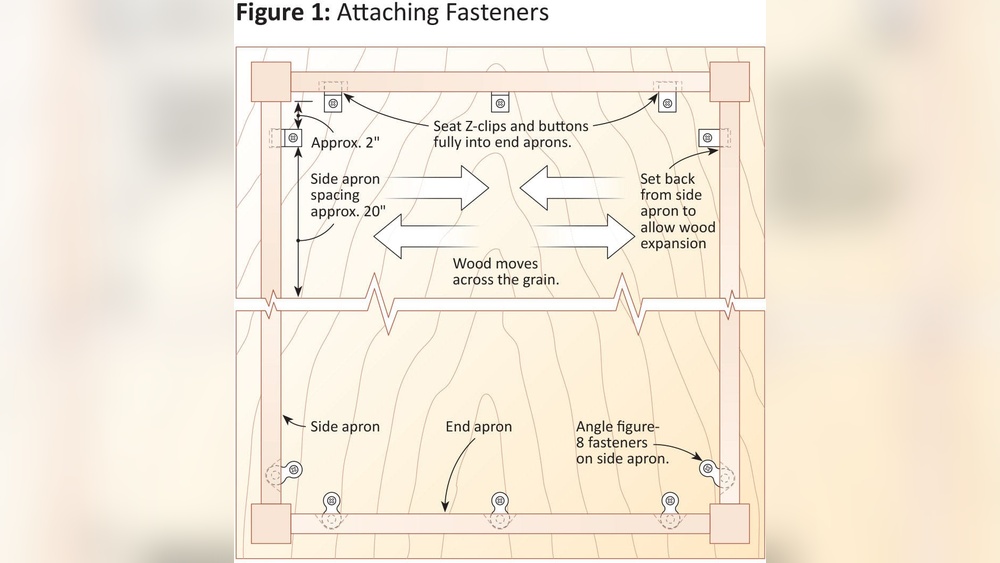
Credit: www.woodcraft.com
Common Mistakes To Avoid
Using table top fasteners correctly is key for a strong and neat finish. Avoiding common mistakes saves time and prevents damage. Watch out for these errors to keep your project smooth and safe.
Over-tightening
Too much force can strip the threads or crack the material. Tighten fasteners just enough to hold parts securely. Stop once you feel resistance to avoid damage.
Misalignment
Fasteners must line up with holes and edges precisely. Misaligned fasteners cause uneven pressure and weaken joints. Take time to position parts correctly before fastening.
Using Incorrect Fasteners
Choosing the wrong size or type leads to poor holding power. Use fasteners made for your table top material and thickness. Check labels and match specifications carefully for best results.
Maintenance Tips For Longevity
Table top fasteners hold parts together tightly. Proper care helps them last longer. Small efforts keep them working well and safe. Follow these simple tips to maintain your fasteners.
Regular Inspections
Check fasteners often for signs of damage or rust. Look closely at each part. Early spotting of problems saves time and money. Clean dirt and debris to avoid wear. Keep the area dry to stop rusting.
Retightening Fasteners
Fasteners can loosen over time due to use. Tighten them regularly with the right tools. Avoid over-tightening, which can cause damage. Tight fasteners keep the table parts stable. Make this step part of your routine.
Replacing Worn Parts
Replace fasteners that show cracks or wear. Using damaged parts can cause failure. Choose the correct size and type for replacements. Proper parts ensure the table stays strong. Keep spare fasteners on hand for quick fixes.
:max_bytes(150000):strip_icc()/1164-0c242eeb354d4cca978884b48afcbdc3.jpg)
Credit: www.woodmagazine.com
Frequently Asked Questions
What Are Table Top Fasteners Used For?
Table top fasteners securely join wood panels or table parts. They provide stability and allow easy disassembly. These fasteners are ideal for flat-pack furniture and woodworking projects, ensuring a strong, durable connection without visible screws or nails.
How Do You Install Table Top Fasteners?
To install, drill pilot holes in the tabletop edges. Align the fastener with the holes and secure it using screws. Tighten the fasteners evenly to ensure a flush and stable connection between the table parts.
Can Table Top Fasteners Hold Heavy Tabletops?
Yes, quality table top fasteners can support heavy tabletops. Choose fasteners rated for the weight and size of your table. Proper installation is essential to maintain strength and prevent wobbling or loosening over time.
Are Table Top Fasteners Reusable?
Table top fasteners are reusable and designed for easy removal. This allows for disassembly and reassembly without damaging the wood. Reusability makes them perfect for movable furniture or tables that need periodic maintenance.
Conclusion
Table top fasteners help keep materials tight and secure. They are easy to use and save time. Choose the right fastener for your project. Tighten carefully to avoid damage. These fasteners work well on wood and other surfaces. Practice a few times to get comfortable.
Using table top fasteners makes your work neat and strong. Simple tools and a little patience go a long way. Try them out and see the difference yourself.