Are you curious about what keeps your roof firmly in place, no matter the weather? Understanding roof fasteners is key to knowing how your home stays safe and secure.
These small but powerful components play a crucial role in protecting your investment and ensuring your comfort. You’ll discover exactly what roof fasteners are, why they matter, and how choosing the right ones can make all the difference for your roof’s strength and durability.
Keep reading to learn the secrets behind a well-secured roof and how you can make smart choices for your home.
Credit: www.kyfus.com
Types Of Roof Fasteners
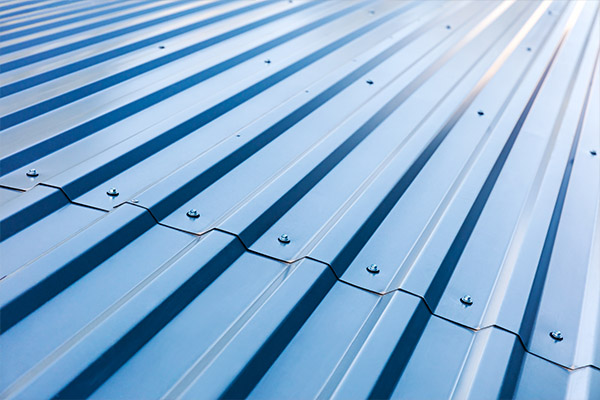
Roof fasteners hold roofing materials firmly in place. They keep roofs safe against wind and rain. Different roofs need different fasteners for the best fit. Choosing the right type helps protect your home and saves money on repairs.
Here are common types of roof fasteners used in construction and repairs.
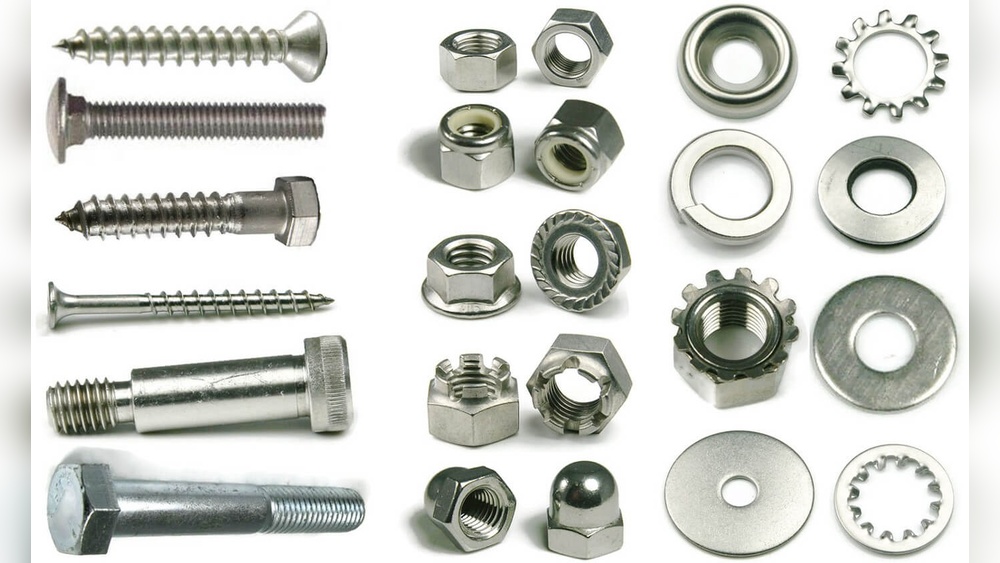
Nails And Screws
Nails and screws are the most common roof fasteners. Nails are quick to install and cost less. Screws provide stronger holding power and resist pulling out. Both come in different sizes and materials. Galvanized nails and screws resist rust and last longer.
Clips And Straps
Clips and straps secure roofing panels without nails or screws. They allow for roof expansion and contraction. Metal clips attach panels to the roof frame. Straps wrap around parts to hold them tight. These fasteners prevent damage in strong winds.
Adhesives And Sealants
Adhesives and sealants bond roofing materials without mechanical fasteners. They fill gaps and stop water leaks. Sealants are flexible and waterproof. Adhesives work well with metal, wood, and shingles. They improve roof strength and weather resistance.
Materials Used In Roof Fasteners
Roof fasteners hold roofing materials tightly in place. Their strength and durability depend on the materials used. Choosing the right material is key for long-lasting performance. Different materials offer unique benefits and fit different roofing needs.
Steel And Stainless Steel
Steel is strong and widely used in roof fasteners. It resists bending and holds materials firmly. Stainless steel adds extra protection against rust. It works well in wet or coastal areas. These fasteners last long and keep roofs secure.
Aluminum
Aluminum is lightweight and does not rust. It suits roofs that need less weight. Aluminum fasteners resist corrosion in many environments. They work best with metal or lighter roofing materials. These fasteners are easy to handle and install.
Plastic Components
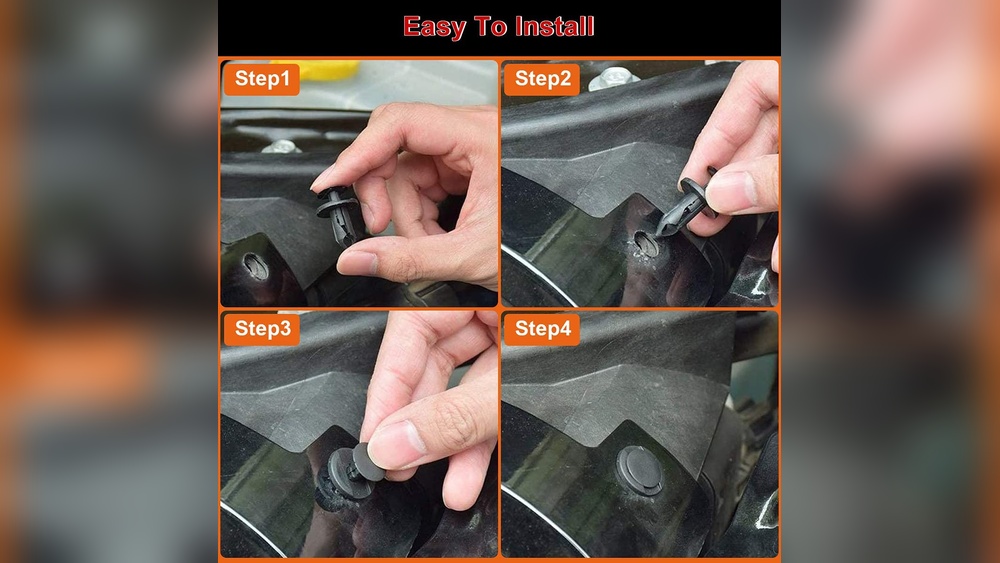
Plastic parts often support fasteners by sealing or cushioning. They prevent water leaks around screws or nails. Plastic washers keep the roof tight and dry. These components resist weather damage and are flexible. They help extend the life of fasteners.
Choosing The Right Fastener
Choosing the right roof fastener is key for a strong and lasting roof. Fasteners keep roofing materials in place. They stop wind, rain, and snow from causing damage. Picking the right fastener protects your home and saves repair costs.
Compatibility With Roofing Materials
Fasteners must match the roofing material. Metal, wood, and shingles need different types of fasteners. Using the wrong fastener can cause leaks or damage. Check what material your roof uses. Choose fasteners designed to fit that material exactly.
Weather Resistance
Fasteners face sun, rain, and freezing cold. They must resist rust and corrosion. Stainless steel and coated fasteners last longer. Good weather resistance keeps the roof strong over time. Weak fasteners can break or wear out fast.
Load Bearing Capacity
Fasteners hold the weight of roofing materials and snow. They need to be strong enough for heavy loads. Check the load rating before buying fasteners. Strong fasteners prevent roof parts from coming loose or falling.
Credit: bdnfasteners.com
Installation Techniques
Installing roof fasteners correctly is key to a strong, lasting roof. Proper techniques ensure the roof stays secure and protects your home from weather damage. This section explains important steps and tips for installing roof fasteners safely and effectively.
Proper Placement
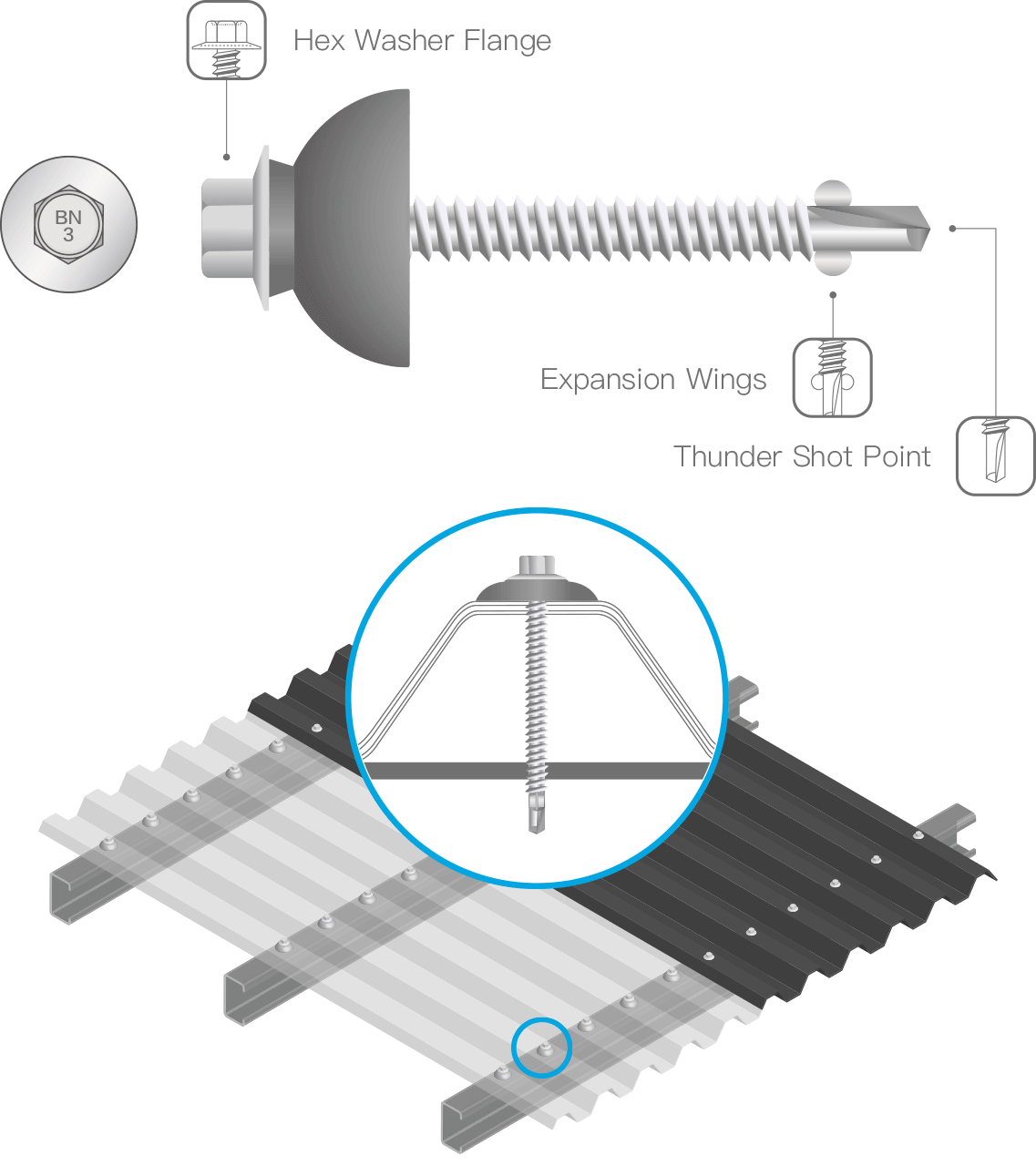
Place fasteners where the roofing material overlaps. This helps hold layers tightly together. Follow the manufacturer’s guide for exact spacing. Avoid placing fasteners too close to edges. This prevents damage and leaks. Ensure fasteners go straight into the roof deck, not just the shingles.
Tools And Equipment
Use a cordless drill or screw gun for faster work. Choose the right bit size to avoid stripping fasteners. Safety gear is important: wear gloves and eye protection. A ladder or scaffolding ensures safe access to the roof. Keep fasteners and tools organized for easy reach.
Common Mistakes To Avoid
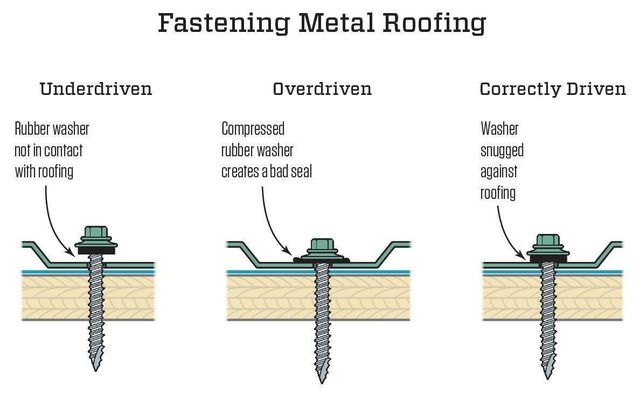
Do not over-tighten fasteners; this can damage materials. Avoid missing fasteners in critical areas like ridges and edges. Do not use the wrong type or size of fastener. Avoid placing fasteners too far apart, which weakens the roof. Check each fastener to ensure it is flush, not loose or sticking out.
Maintenance And Inspection
Maintaining and inspecting roof fasteners is important to keep your roof strong. Fasteners hold roof parts in place. Over time, they can wear out or get damaged. Regular checks help catch problems early. This saves money and avoids bigger repairs. Simple steps make your roof last longer and stay safe.
Signs Of Wear And Damage
Look for rust on metal fasteners. Rust weakens their grip. Loose or missing fasteners cause roof parts to shift. Cracked or bent fasteners show damage. Water leaks or stains inside your home may point to fastener issues. Pay attention to any unusual roof sounds during wind or rain.
Routine Checks
Inspect fasteners twice a year, especially after storms. Check roof edges and seams carefully. Use a ladder safely to see fasteners close up. Tighten any loose screws or nails. Clean debris that covers fasteners. Clear dirt and moss to prevent corrosion. Document your inspections to track changes over time.
Replacement Guidelines
Replace fasteners that are rusted, bent, or broken. Use fasteners made for your roof type and material. Choose weather-resistant fasteners for longer life. Replace fasteners in groups if many show damage. Avoid reusing old fasteners. Proper installation ensures strong roof support and prevents leaks.
Credit: www.midfloridametalroofingsupply.com
Impact On Roof Longevity
Roof fasteners play a key role in how long a roof lasts. These small parts hold roofing materials in place against wind, rain, and other forces. Choosing the right fasteners can help your roof stay strong and safe for many years. Poor fasteners can cause damage and shorten the roof’s life.
Preventing Leaks
Good roof fasteners keep shingles or panels tightly secured. This stops water from seeping under the roof. Water leaks can cause wood rot and mold inside the house. Proper fasteners reduce the chance of leaks, protecting the home’s interior. They create a tight seal that blocks rain and moisture.
Enhancing Structural Integrity
Roof fasteners connect roofing materials to the frame. Strong fasteners hold the roof steady during storms and heavy winds. Weak or rusted fasteners can loosen, causing parts of the roof to shift or fall. Using durable fasteners keeps the roof structure solid. This stability helps the roof last longer.
Cost Implications
Choosing cheap fasteners might save money upfront. But they often fail sooner, leading to repairs and replacements. High-quality fasteners cost more but reduce maintenance expenses. Investing in good fasteners helps avoid costly roof damage later. It protects your home and saves money over time.
Frequently Asked Questions
What Are Roof Fasteners Used For?
Roof fasteners secure roofing materials to the building structure. They ensure stability, prevent leaks, and withstand weather conditions.
Which Types Of Roof Fasteners Exist?
Common types include nails, screws, and clips. Each type suits different roofing materials and installation needs.
How To Choose The Right Roof Fasteners?
Consider roofing material, climate, and building codes. Choose corrosion-resistant fasteners for durability and safety.
Can Roof Fasteners Prevent Leaks?
Yes, properly installed fasteners create a tight seal. This reduces water infiltration and protects the roof’s integrity.
Conclusion
Roof fasteners play a key role in keeping roofs safe and secure. They hold materials tightly during strong winds and storms. Choosing the right fasteners helps prevent leaks and damage. Different roofs need different types of fasteners for best results.
Good fasteners also make roof installation easier and faster. Understanding roof fasteners helps you protect your home better. Keep them in mind for any roofing project ahead. Simple, strong, and reliable – that is what roof fasteners provide.