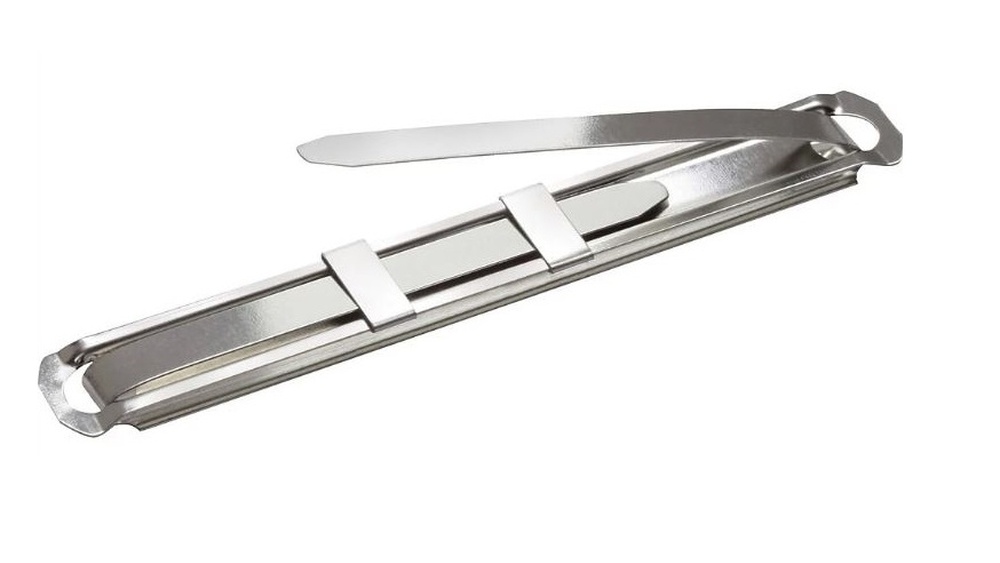
Are you struggling to keep your papers organized and secure? Prong paper fasteners might be the simple solution you need.
They hold your documents tightly without damaging them, making your work look neat and professional. You’ll learn exactly how to use prong paper fasteners quickly and easily. By the end, you’ll handle your paperwork like a pro and save time every day.
Ready to make your documents stay in place? Let’s dive in!
Choosing The Right Prong Fasteners
Choosing the right prong fasteners makes your paper organizing easier and neater. It helps keep documents secure and tidy. Picking the correct type and size fits your project needs perfectly. This section explains the types, materials, and sizes of prong fasteners to guide your choice.
Types Of Prong Fasteners
Prong fasteners come in several styles. The most common are two-prong and four-prong fasteners. Two-prong fasteners suit thin stacks of paper. Four-prong fasteners hold thicker bundles firmly. Some prong fasteners have adjustable lengths to fit different paper amounts. Choose a style that matches your document thickness and use.
Materials And Sizes
Prong fasteners are made from metal or plastic. Metal prongs are strong and last longer. Plastic prongs are lighter and good for small jobs. Sizes vary by prong length and width. Longer prongs hold more paper securely. Narrow prongs fit smaller holes in paper. Select material and size based on document weight and thickness.
Credit: www.youtube.com
Preparing Your Documents
Preparing your documents is the first step to using prong paper fasteners correctly. Proper preparation helps keep your papers neat and secure. Take your time to organize and arrange the sheets before fastening. This prevents damage and makes your files look professional.
Follow these simple steps to get your documents ready for prong fasteners. This will save time and avoid mistakes during the process.
Aligning Papers Properly
Stack your papers evenly. Make sure all edges line up straight. Check that no sheets stick out or fold. Use a flat surface for better alignment. This keeps the document tidy and easy to handle.
Hold the stack firmly to avoid shifting. Neat alignment helps the fastener work well and keeps papers secure.
Punching Holes Accurately
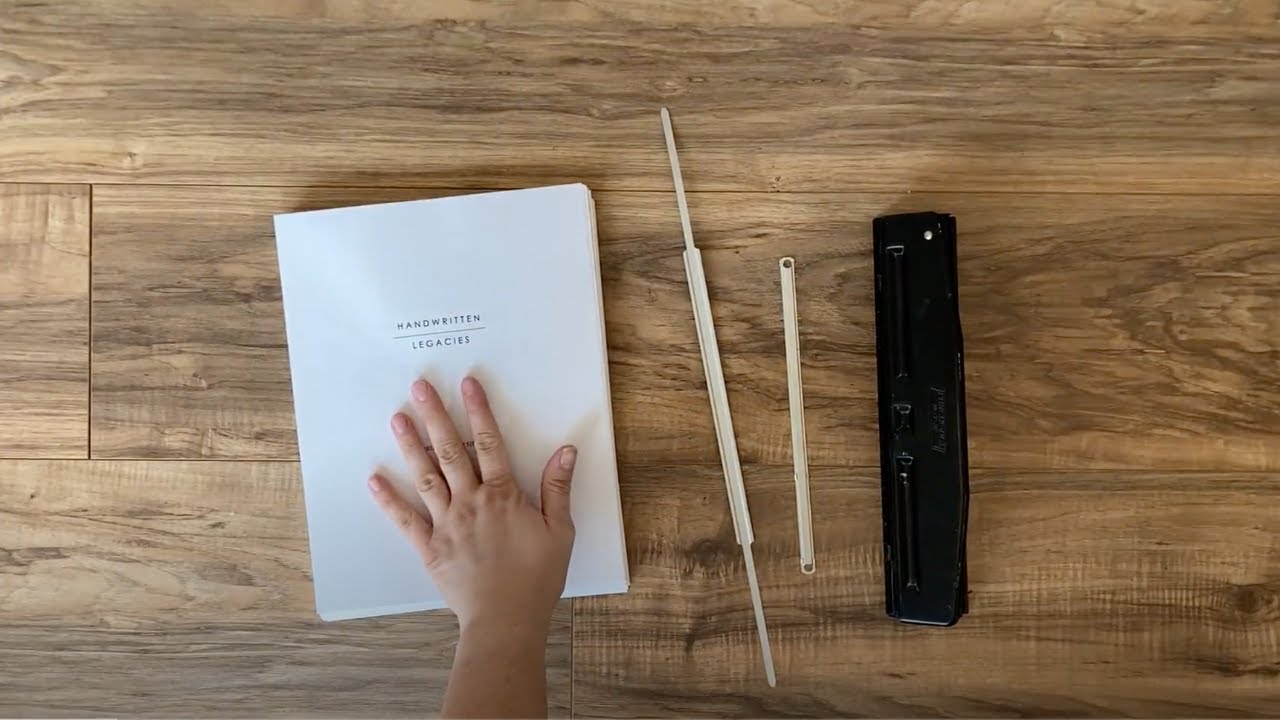
Choose a hole punch that fits the fastener size. Mark the spots for holes on the paper edge. Use a ruler to measure equal distances. Punch holes slowly and carefully to avoid tearing.
Check that the holes line up across all sheets. Accurate holes ensure the prongs fit perfectly and hold the papers tightly.
Inserting The Prong Fastener
Inserting the prong paper fastener is a simple task. It helps keep papers together neatly. Follow easy steps to ensure a secure hold. This method works well for documents, reports, or school papers.
Positioning The Prongs
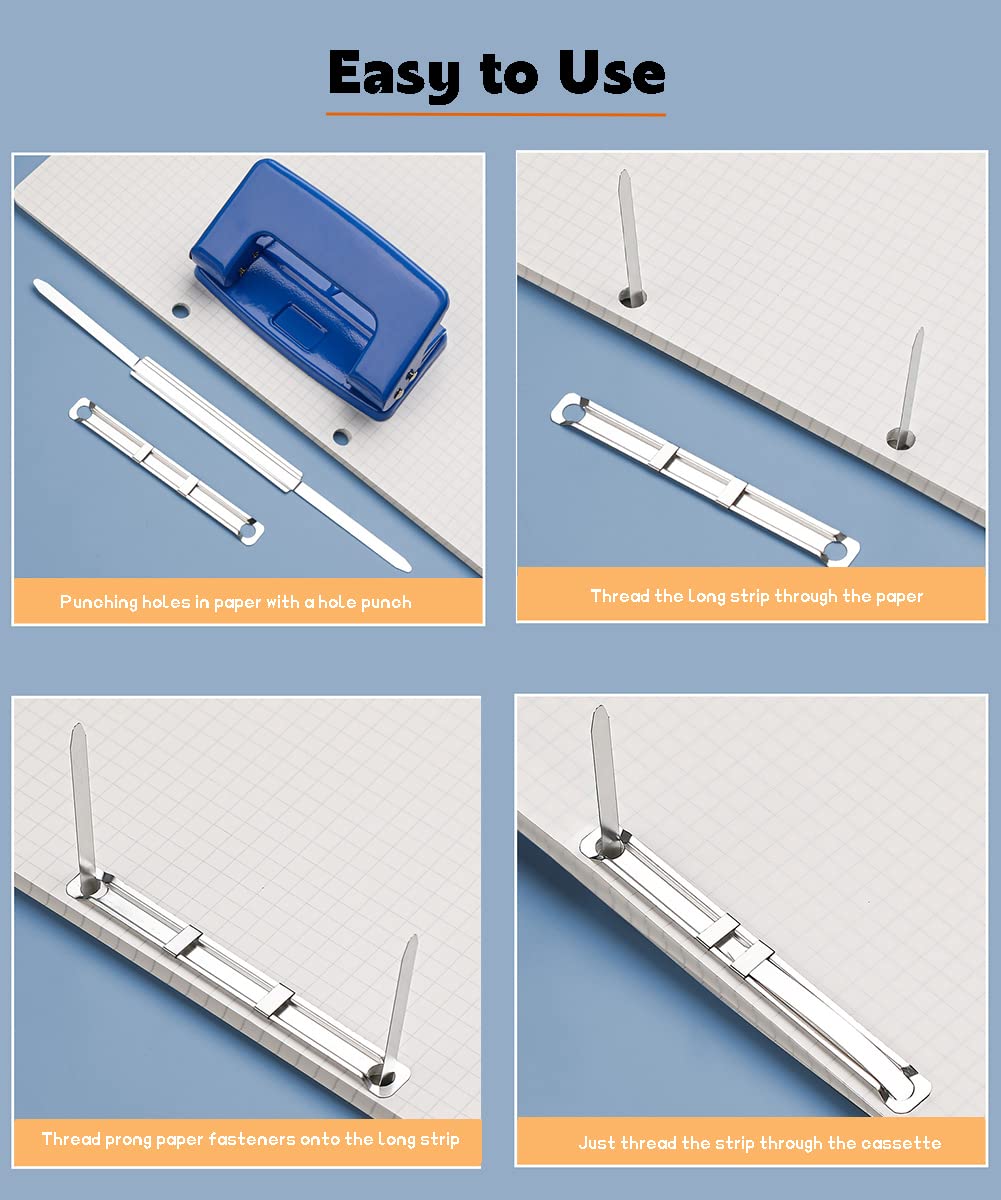
First, gather the papers you want to fasten. Align the holes punched in your papers. Take the prong fastener and place it through the holes. Make sure the prongs go all the way through. The base of the fastener should sit flat on the paper.
Securing The Papers
After positioning, spread the prongs wide apart. Fold the prongs down flat against the paper. Press firmly to hold the papers tightly. Check that the papers do not slip out. Your documents are now fastened securely and look tidy.
Locking The Prongs In Place
Locking the prongs in place is a key step to keep your papers secure. Proper locking stops pages from slipping out and keeps your documents neat. This process does not take much time but needs attention to detail.
After inserting the papers onto the prongs, you must fold them carefully. The way you fold affects how tight and stable the hold will be. A secure lock means your papers stay organized and protected.
Folding Techniques
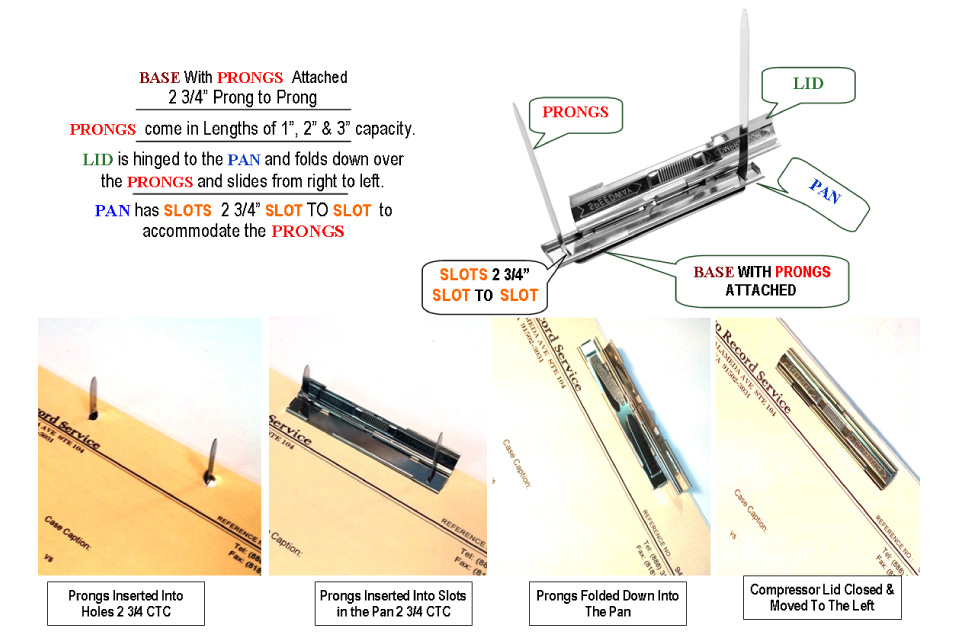
Bend the prongs inward toward the paper stack. Fold each prong flat against the back of the papers. Use your fingers or a flat tool to press the prongs down firmly. Avoid leaving gaps between the prongs and papers. Smooth, even folds help keep the papers from shifting.
Ensuring A Tight Hold
Press the folded prongs tightly against the paper stack. Check for any loose or raised prongs. If needed, press again to secure every prong firmly. The tighter the prongs, the less chance of papers slipping out. A strong hold keeps your documents safe and tidy.
Removing And Reusing Prong Fasteners
Removing and reusing prong fasteners helps save time and materials. It keeps your documents neat and organized. Knowing how to do this safely protects your papers and the fastener itself. This section explains easy steps to remove and put back prong fasteners.
Safe Removal Tips
Start by opening the prongs gently. Use your fingers to bend them upward. Avoid pulling hard to stop tearing the paper. If prongs are tight, use a flat tool like a butter knife. Slide it under the prong and lift carefully. Work slowly to keep the fastener and papers intact. Check for any stuck staples or clips. Remove those before pulling out the fastener.
Reassembly Methods
Line up your papers with the hole in the fastener. Insert the prongs through the punched holes. Fold the prongs flat against the paper backing. Use a bone folder or ruler edge to press the prongs down tightly. This keeps papers secure and prevents slipping. Make sure prongs are folded evenly on both sides. Test the hold by gently shaking the stack. Reuse prong fasteners several times with care.
Credit: www.amazon.sa
Common Mistakes To Avoid
Using prong paper fasteners correctly helps keep documents neat and secure. Avoiding common mistakes saves time and prevents damage. Here are some common errors to watch out for.
Overstuffing Fasteners
Putting too many papers on one fastener causes problems. The prongs may not close properly. Papers can tear or bend easily. Use multiple fasteners for thick stacks. Keep the number of sheets manageable for a clean hold.
Misaligned Holes
Holes that do not line up make fastening difficult. Papers might slip or tear when prongs do not fit well. Punch holes carefully and check alignment before fastening. Proper hole placement ensures a strong and neat bundle.
Creative Uses For Prong Fasteners
Prong paper fasteners are not just for holding papers together. They offer many creative uses around the home and office. These small tools help keep items neat and add a simple, stylish touch to projects. Their flexibility makes them perfect for organizing and crafting.
Using prong fasteners can make your projects cleaner and easier to manage. They work well with different materials, like paper, fabric, and thin cardboard. Let’s explore some creative ideas to use prong fasteners beyond the usual.
Organizing Craft Projects
Prong fasteners keep craft supplies tidy and easy to access. Use them to group paper scraps, fabric pieces, or ribbon samples. They hold items together without damage and allow quick changes.
Make a mini color palette by attaching swatches to a fastener. This helps see all colors at once. Organize stickers, stamps, or small tools by fastening them in sets. It saves space and reduces mess.
Diy Stationery Ideas
Create custom notebooks by binding loose pages with prong fasteners. This lets you add or remove pages anytime. Make unique greeting cards by adding layers held with fasteners. It adds texture and interest.
Design simple photo albums or memory books. Attach photos and notes with prong fasteners for a neat look. They also work well for making homemade calendars or planners. A flexible way to keep your schedule organized.
Credit: www.speedwayfilefasteners.com
Frequently Asked Questions
What Are Prong Paper Fasteners Used For?
Prong paper fasteners securely bind multiple sheets of paper. They organize documents efficiently and keep papers intact without staples or clips. Ideal for reports, presentations, and files, they allow easy page turning and document expansion.
How Do You Insert Prong Paper Fasteners?
Punch holes in the paper stack using a hole puncher. Insert the fastener prongs through the holes. Fold the prongs flat against the paper’s back to secure the sheets firmly.
Can Prong Paper Fasteners Be Reused?
Yes, prong paper fasteners are reusable. Simply unfold the prongs to remove or add papers. This makes them eco-friendly and cost-effective for managing changing documents.
Are Prong Paper Fasteners Suitable For Thick Documents?
Prong fasteners work best with thin to moderately thick stacks. For very thick documents, multiple fasteners or heavier-duty options may be necessary to ensure secure binding.
Conclusion
Prong paper fasteners help keep documents neat and secure. They work well for organizing papers or reports. Using them is quick and simple with just a few steps. Remember to punch holes carefully for best results. Store fasteners in a dry place to avoid rust.
Try these tips to make your paperwork easier. Small tools, big help. Keep your files tidy every day.

