Have you ever wondered what holds your furniture, gadgets, or even buildings together? The answer often lies in something small but incredibly strong: a metal fastener.
These tiny pieces play a huge role in keeping things secure and stable. If you’ve ever struggled with loose screws or shaky joints, understanding metal fasteners can change how you approach repairs and projects. Keep reading to discover what metal fasteners are, why they matter to you, and how knowing about them can make your next DIY task easier and more effective.
Metal Fasteners Basics
Metal fasteners are small parts that hold things together. They are strong and reliable. You find them in many products and structures. Understanding the basics of metal fasteners helps you know their role in everyday items.
Definition And Purpose
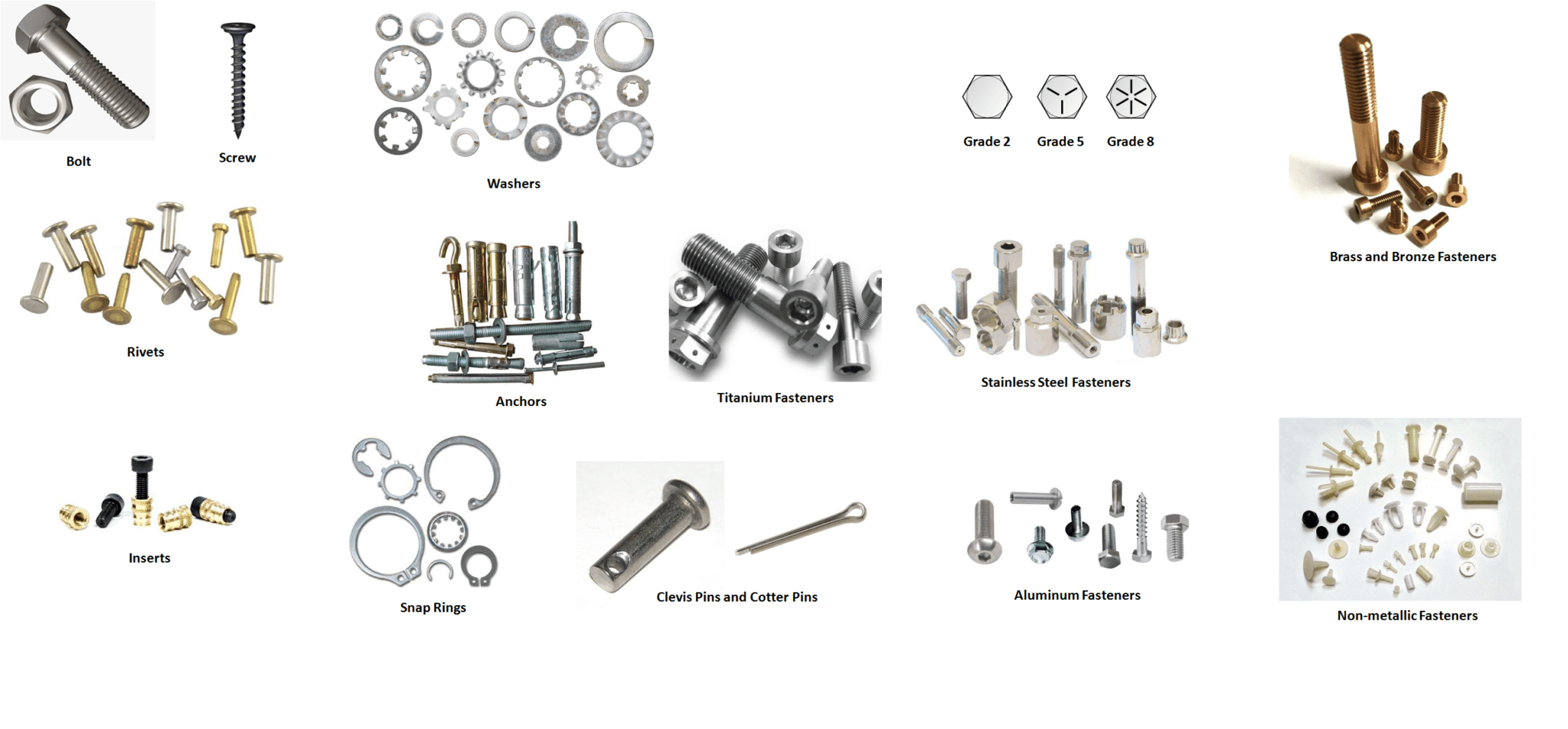
Metal fasteners are devices used to join two or more objects. They keep materials tightly connected. Fasteners provide strength and stability to structures. They allow easy assembly and disassembly of parts. Screws, bolts, nuts, and rivets are common types.
Materials Used
Most metal fasteners are made from steel or stainless steel. Steel is strong and cost-effective. Stainless steel resists rust and corrosion. Other metals include brass, aluminum, and titanium. Each metal suits specific needs and environments.
Common Applications
Metal fasteners appear in buildings, cars, and electronics. They join wood, metal, and plastic parts. Fasteners hold furniture pieces together. They secure machine parts and electronic components. Their use is vital in construction and manufacturing.
Credit: www.hollyplasticparts.com
Types Of Metal Fasteners
Metal fasteners hold parts together in many machines and structures. They come in many types, each with a special use. Knowing these types helps choose the right one for any job.
Here are the main types of metal fasteners that you will see often.
Bolts And Screws
Bolts and screws join two or more parts tightly. Bolts need nuts to hold parts, while screws often go directly into materials. They come in many sizes and shapes for different tasks.
Nuts And Washers
Nuts fit on bolts to lock parts firmly. Washers go between the nut and surface to spread pressure. They protect the surface and stop loosening from vibration.
Rivets
Rivets connect parts permanently. You place a rivet in a hole and then press or hammer its end. This creates a strong bond that does not come apart easily.
Pins
Pins hold parts in place but allow some movement. They fit into holes to keep pieces aligned. Common pins include cotter pins and spring pins.
Clips And Clamps
Clips and clamps fasten parts quickly without tools. Clips snap into place to hold components. Clamps squeeze parts together tightly and can be reused many times.
Choosing The Right Fastener
Choosing the right metal fastener is key to a strong and lasting connection. The fastener must hold parts together safely and resist wear over time. Several factors help decide the best fastener for a project. Understanding these can save time and prevent failures.
Load And Strength Considerations
Fasteners must support the weight and forces applied to them. Each fastener has a strength rating for tension, shear, and torque. Choose one that matches or exceeds the load needs. Overloading a weak fastener causes breakage or loosening.
Think about dynamic loads too. Fasteners in moving parts face repeated stress. Use fasteners designed for vibration and fatigue resistance in such cases.
Environmental Factors
Fasteners face different environments like moisture, heat, and chemicals. Rust and corrosion weaken fasteners over time. Stainless steel or coated fasteners resist rust in wet areas.
High temperatures need fasteners made from heat-resistant materials. Chemical exposure requires corrosion-resistant fasteners. Match the fastener to the environment to ensure durability.
Material Compatibility
Fasteners must match the materials they join. Different metals expand at different rates. Use compatible metals to avoid loosening or damage.
Galvanic corrosion happens when two different metals touch in moisture. Choose fasteners that prevent this issue. Matching fastener and material types extends the life of your assembly.

Credit: www.amazon.com
Installation Methods
Metal fasteners join materials together securely. Choosing the right installation method ensures strong, lasting bonds. Methods vary by tool type and project needs. Understanding each method helps in selecting the best option.
Hand Tools
Hand tools are simple devices used to install metal fasteners. Common tools include screwdrivers and wrenches. They require manual effort but offer precise control. Hand tools suit small jobs and tight spaces. They are easy to carry and use anywhere.
Power Tools
Power tools speed up fastener installation. Drills and impact drivers are popular choices. They reduce effort and save time. Power tools work well for large projects and tough materials. Battery-powered versions provide mobility without cords.
Specialized Equipment
Specialized equipment handles complex fastener jobs. Rivet guns and torque wrenches fit this category. These tools ensure exact force and placement. They improve safety and consistency in installations. Specialized tools are common in industrial and automotive work.
Maintenance And Inspection
Metal fasteners hold parts together tightly. Proper maintenance and inspection keep them strong and safe. Regular checks help find problems early. Fixing or replacing fasteners on time stops bigger issues. This section explains how to spot wear, decide when to replace, and prevent damage.
Signs Of Wear And Damage
Look for rust or corrosion on metal fasteners. Check for cracks or bends in the fastener body. Loose or missing fasteners show a problem. Stripped threads or worn heads make fastening weak. Any change in shape or color is a warning sign.
Replacement Guidelines
Replace fasteners if rust covers more than 30%. Change fasteners with cracks or bends immediately. Do not reuse stripped or damaged threads. Use the same size and type as the original. Follow manufacturer advice for replacement timing.
Preventive Measures
Keep fasteners clean and dry to avoid rust. Apply lubricants or anti-corrosion sprays regularly. Tighten fasteners to the correct torque level. Use washers or lock nuts to prevent loosening. Store fasteners in a dry place before use.

Credit: www.engineeringexpress.com
Industry-specific Uses
Metal fasteners play a crucial role across many industries. They hold parts together securely. Each industry uses fasteners in specific ways. The choice of fastener depends on strength, size, and material needs.
Understanding how different sectors use metal fasteners helps to see their importance. Fasteners must meet unique demands in each field. From building structures to tiny electronic devices, metal fasteners are everywhere.
Construction
In construction, metal fasteners join large materials like steel and wood. They keep buildings stable and safe. Bolts, screws, and nails are common fasteners here. These fasteners must resist weather and heavy loads.
Automotive
Cars need fasteners to hold parts like engines and frames. Fasteners in vehicles face vibrations and heat. They must be strong and reliable to keep cars safe. Special fasteners help in assembling different car parts.
Aerospace
Aerospace fasteners must be lightweight but very strong. Planes and spacecraft use them to hold critical components. Fasteners here resist extreme temperatures and pressure. Precision and durability are essential for safety.
Electronics
Electronic devices use small metal fasteners. They keep circuit boards and parts in place. These fasteners are tiny but must be secure. They help protect delicate components from damage.
Frequently Asked Questions
What Is A Metal Fastener Used For?
A metal fastener joins two or more objects securely. It provides strength and stability in construction and manufacturing. Fasteners like screws and bolts hold materials tightly together. They are essential in automotive, aerospace, and furniture industries.
What Are Common Types Of Metal Fasteners?
Common metal fasteners include screws, bolts, nuts, washers, and rivets. Each type serves specific purposes in assembly and construction. Screws and bolts provide strong mechanical joints. Nuts and washers secure these joints, while rivets create permanent connections.
How Do Metal Fasteners Differ From Other Fasteners?
Metal fasteners are durable and resist wear, unlike plastic or wood fasteners. They withstand high stress and temperature conditions. Metal fasteners offer better load-bearing capacity and corrosion resistance. They are preferred in heavy-duty applications and critical structural work.
What Materials Are Metal Fasteners Made Of?
Metal fasteners are typically made from steel, stainless steel, brass, and aluminum. Steel fasteners are strong but may rust without coating. Stainless steel offers corrosion resistance. Brass and aluminum are lightweight and used in specific applications where metal properties matter.
Conclusion
Metal fasteners hold things tightly and keep structures strong. They come in many shapes and sizes for different jobs. Choosing the right fastener helps products last longer and work better. Simple tools can use metal fasteners to build or fix almost anything.
Understanding their role makes projects easier and safer. Metal fasteners are small parts with big importance. They connect, support, and hold materials firmly every day.