Have you ever come across the word “fastener” and wondered how to say it correctly? You’re not alone.
Pronouncing certain words can be tricky, and getting it right makes you sound confident and knowledgeable. You’ll learn exactly how to pronounce “fastener” with simple tips that stick in your mind. By the end, you’ll never hesitate to say it out loud again.
Ready to boost your pronunciation skills? Let’s get started!

Credit: www.flaps2approach.com
Fastener Pronunciation Basics
Understanding how to pronounce “fastener” correctly helps clear confusion. It makes speaking about tools and hardware easier. Clear pronunciation improves communication in daily and work conversations. This section breaks down the basics of saying “fastener” right.
Phonetic Breakdown
The word “fastener” has three parts: fast-en-er. Pronounce it as /ˈfæst.nɚ/. The first part “fast” sounds like the word fast. The middle “n” is soft and quick. The last part “er” sounds like “ner.” Say all parts smoothly together. Practice slowly at first. Then speak faster as you get confident.
Common Mispronunciations
Many say “fast-en-ser” with an extra “s” sound. Others say “fas-ter” dropping the middle sound. Avoid mixing “fastener” with similar words like “faster.” Saying “fast-ner” without the middle vowel is wrong. Focus on each sound to avoid mistakes. Listening to native speakers helps fix errors. Repeat until your pronunciation sounds natural.

Credit: elsaspeak.com
Regional Pronunciation Variations
Pronunciation of words can change depending on where you are. The word “fastener” is no different. Different English-speaking regions say it in unique ways. These variations come from history, culture, and local speech patterns.
Understanding these differences helps with clear communication. It also shows respect for various accents and dialects. Here are some common ways “fastener” is pronounced across English-speaking areas.
American English
In American English, “fastener” is often said as FAST-ner. The middle syllable is very soft or almost silent. Some say it quickly, so it sounds like two syllables instead of three. This is common in everyday speech.
British English
In British English, people usually pronounce all three syllables: FAST-en-er. The middle syllable is clearer and more distinct. The “a” in the first syllable sounds sharper. It sounds a bit slower and more careful than American English.
Other English Dialects
Other English dialects may blend these pronunciations. In Australia, “fastener” sounds closer to British English but faster. In some parts of Canada, it sounds like the American version. In South Africa, the pronunciation often matches British English but with a unique accent.
These regional differences make English rich and interesting. Listening carefully helps understand and respect these variations.
Tips To Practice Pronunciation
Practicing pronunciation takes time and focus. Small steps help improve your speaking skills. Use clear methods to hear and say words correctly. Practice often to build confidence and fluency.
Listening Exercises
Listen to native speakers saying the word “fastener.” Use audio clips or videos from reliable sources. Repeat what you hear to match the sounds. Pay attention to stress and rhythm. Listening helps your brain learn correct pronunciation.
Speaking Drills
Say the word “fastener” slowly at first. Break it into parts: fast-ner. Practice saying each part clearly. Then say the whole word smoothly. Repeat this several times daily. Record yourself and compare with native speakers.
Using Pronunciation Tools
Use online tools that show how to say words. Tools like phonetic spellings and voice feedback are useful. Try apps with speech recognition to check your pronunciation. These tools give instant help and guide your practice.
Fastener In Context
Understanding how to pronounce “fastener” in real-life situations helps improve communication. The word often appears in construction, manufacturing, and daily talk. Knowing how to say it clearly makes conversations smoother. It also helps when reading technical manuals or giving instructions. Let’s explore how “fastener” fits into sentences and professional environments.
Using Fastener In Sentences
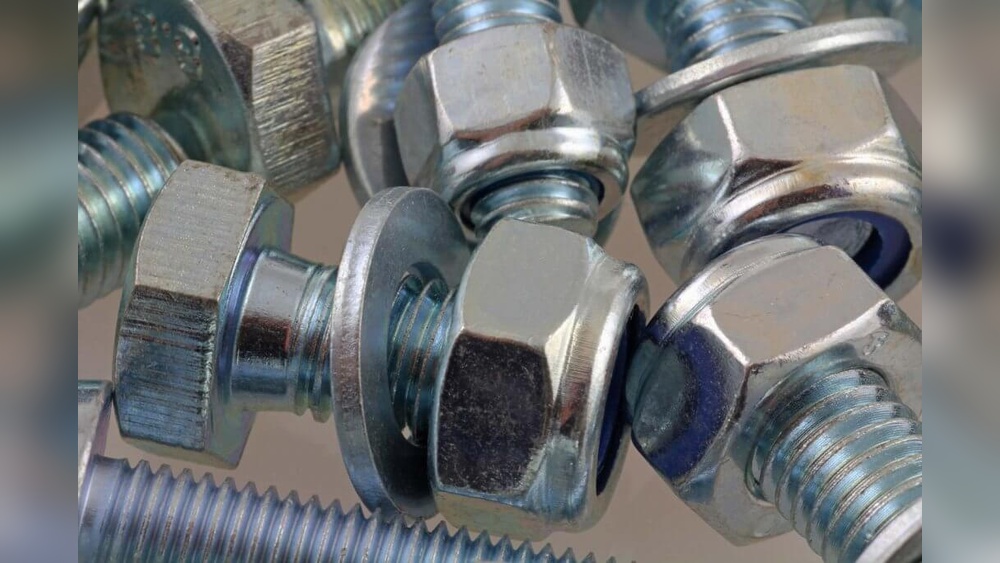
Fastener means a device that holds objects together. For example, “The carpenter used a fastener to join the wood.” Another sentence could be, “Choose the right fastener for your project.” People often say, “This fastener is strong and reliable.” Using simple sentences helps remember the word’s sound and meaning.
Pronunciation In Technical Settings
In technical places, clear speech is important. Workers say “fastener” with equal stress on both syllables. It sounds like “FAST-uh-ner.” Saying it slowly at first helps. Then, practice saying it faster. In meetings, clear pronunciation avoids confusion. It makes instructions easy to follow and tasks safer.
Resources For Pronunciation Improvement
Improving pronunciation takes practice and good tools. Using the right resources helps you hear and say words correctly. This section shares easy ways to improve how you say “fastener” and other words.
Online Dictionaries
Online dictionaries often include audio clips for words. Listen to native speakers say “fastener” clearly. Repeat the word out loud several times. Websites like Merriam-Webster and Cambridge provide reliable pronunciation guides. They also show phonetic spellings to help you understand sounds.
Language Apps
Language apps offer interactive ways to practice pronunciation. Apps like Duolingo and Babbel have speech recognition features. They listen to your voice and give instant feedback. This helps you correct mistakes and improve faster. Practice daily for better results.
Pronunciation Videos
Videos show mouth movements and tongue positions for sounds. Search for pronunciation videos of “fastener” on platforms like YouTube. Watching experts speak helps you mimic their style. Pause and repeat tricky parts until comfortable. Visual learning makes pronunciation easier to grasp.

Credit: www.youtube.com
Frequently Asked Questions
How Do You Pronounce “fastener” Correctly?
The word “fastener” is pronounced as /ˈfæsnər/. Emphasize the first syllable “fas,” and the second syllable sounds like “ner. ” Avoid pronouncing the “t” clearly, as it is often silent or very soft.
Is The “t” In Fastener Silent?
Yes, in most English dialects, the “t” in “fastener” is silent or barely pronounced. The word sounds like “fas-ner,” making it easier and quicker to say.
What Is The Origin Of The Word “fastener”?
“Fastener” comes from the verb “fasten,” meaning to secure or attach. It refers to any device that holds objects together, like screws or clips.
Can Fastener Pronunciation Vary By Region?
Yes, pronunciation varies slightly by region. Some may softly pronounce the “t,” but generally, it remains silent in American and British English.
Conclusion
Pronouncing “fastener” is easier than it seems. Break the word into two parts: “fast” and “ner. ” Say each part slowly, then together. Practice a few times to feel confident. Listening to native speakers helps a lot. Remember, clear pronunciation improves understanding.
Keep practicing, and soon it will sound natural. Speaking clearly builds better communication. Now, you are ready to use “fastener” with ease. Simple steps lead to great progress.