Are you tired of messy papers and important documents slipping through the cracks? Using folders with fasteners can be the simple solution you need to keep everything organized and secure.
Imagine opening a folder and instantly finding exactly what you’re looking for—no more wasted time or frustration. You’ll discover easy steps to use folders with fasteners effectively, so your paperwork stays neat and accessible. Keep reading to unlock a smart way to manage your documents like a pro.
Credit: www.tops-products.com
Choosing The Right Folder
Choosing the right folder with fasteners helps keep your papers safe and organized. Different folders serve various needs. Picking the correct one saves time and prevents damage to documents.
Types Of Folders With Fasteners
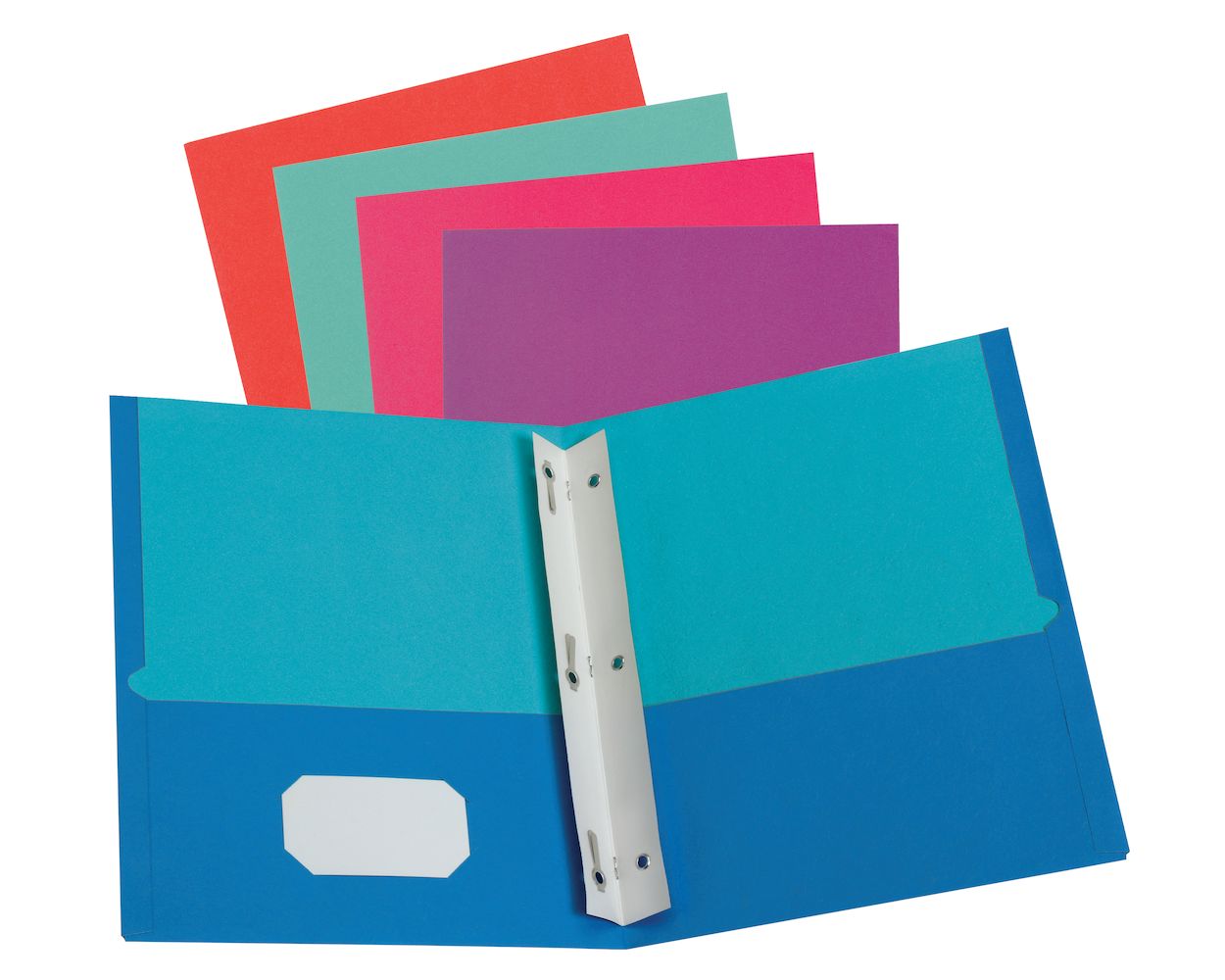
Folders with fasteners come in many styles. Some have prong fasteners, others use clips or brads. Prong fasteners hold punched papers firmly. Clip fasteners allow easy addition or removal of sheets. Brad fasteners work well for small stacks of papers. Choose a type that fits your document handling habits.
Materials And Durability
Folders are made from different materials. Cardboard folders are common and affordable. Plastic folders resist water and tears better. For frequent use, plastic offers longer life. Cardboard works fine for light, short-term use. Consider the environment and how tough your folder needs to be.
Size And Capacity Options
Folders come in various sizes to fit paper types. Standard folders fit letter-size papers. Larger folders can hold legal-size documents. Capacity varies from a few sheets to over 100 pages. Know how many papers you need to store. Choose a folder that can hold them without bending or tearing.
Selecting Suitable Fasteners
Selecting the right fasteners for folders is key to keeping documents safe and organized. The right fastener holds papers firmly without damage. Choosing fasteners depends on the folder type, material, and how much weight it must carry. This guide helps you pick fasteners that fit your folder needs well.
Common Fastener Types
Paper fasteners come in many styles. Prong fasteners have two metal prongs that bend to hold papers. They work well for thick stacks. Slide fasteners slide between papers and folder holes. They are easy to open and close. Button fasteners use a small button or clasp. These are good for light use. Choose fasteners that suit how often you open the folder.
Matching Fasteners To Folder Material
Folder materials vary from plastic to cardboard. Plastic folders need rust-resistant fasteners like stainless steel. Cardboard folders work with metal prongs or plastic clips. Thin folders need smaller fasteners to avoid tears. Thick folders need stronger, larger fasteners. Matching fasteners to folder material keeps the folder strong and durable.
Fastener Size And Strength
Fastener size depends on paper quantity. Small fasteners hold few sheets tightly. Large fasteners handle thick stacks without bending. Strength matters for heavy documents. Metal fasteners are stronger than plastic ones. Choose a size that fits the folder holes perfectly. Strong fasteners keep papers secure and neat.
Preparing Documents For Filing
Preparing documents for filing is an important step to keep your papers organized. It helps save time and makes it easier to find what you need. A little effort before filing can prevent damage and confusion later.
Sorting and arranging your papers correctly sets a strong foundation. Following simple rules for hole punching keeps documents secure. Protecting your papers ensures they last longer and look neat.
Sorting And Categorizing Papers
Start by grouping papers by type or subject. Use clear labels or notes to mark each group. Keep similar documents together, like bills, reports, or receipts. This method helps you find papers quickly. Avoid mixing different categories in one folder.
Punching Holes Correctly
Use a hole punch that matches your folder fasteners. Align papers evenly before punching holes. Punch holes in the same position on each page. Check that holes are not too close to the edge. This stops pages from tearing easily.
Ensuring Document Safety
Fasten papers tightly but do not over-tighten. Avoid folding or bending important documents. Use sheet protectors for fragile or valuable papers. Keep folders away from water and direct sunlight. Store folders in a dry, cool place to prevent damage.
Attaching Documents To Fasteners
Attaching documents to fasteners keeps papers neat and organized. Fasteners hold papers securely inside folders. Using fasteners correctly helps prevent lost or messy papers. This section explains how to attach papers cleanly and safely.
Aligning Papers On Fasteners
Start by stacking your papers evenly. Make sure holes line up with the fastener posts. Hold the papers steady to avoid shifting. Slide papers carefully onto each fastener post. Ensure all pages sit flat and straight.
Securing Fasteners Properly
Once papers are aligned, press the fastener arms down gently. Lock the fastener by bending the arms inward. Avoid forcing the fastener too hard. Check if papers hold tightly without movement. A secure fastener keeps papers safe and tidy.
Avoiding Damage To Documents
Do not punch holes too close to the edge. Use the correct size hole punch for your fastener. Avoid overloading fasteners with too many papers. Handle papers carefully to prevent tears or wrinkles. Proper care keeps your documents clean and intact.
Maintaining Organized Folders
Keeping folders with fasteners neat helps find documents fast. Organized folders save time and reduce stress. Small steps make a big difference in folder management. Use clear methods to keep everything tidy.
Labeling And Indexing
Label each folder clearly with its content name. Use large, readable fonts for easy reading. Create an index page listing all folder contents. This helps locate documents without opening each folder. Consistent labels avoid confusion and lost papers.
Regularly Reviewing Contents
Check folder contents every few months. Remove outdated or unnecessary documents quickly. Update labels and indexes to match current files. Regular reviews keep folders relevant and manageable. Avoid clutter by clearing old papers often.
Storing Folders Efficiently
Store folders upright to prevent damage and bending. Use shelves or filing cabinets for easy access. Group similar folders together for faster retrieval. Keep folders away from moisture and direct sunlight. Proper storage extends folder life and protects documents.
Troubleshooting Common Issues
Using folders with fasteners keeps papers organized and neat. Sometimes, small problems occur. These common issues can slow down your work. Fixing them is easy with the right tips. This section helps you solve these problems fast.
Loose Fasteners
Loose fasteners cause papers to slip out. Check the metal prongs often. Press them together to tighten. Avoid opening the folder too much. Use fasteners made for the folder size. Replace fasteners if they bend or break.
Torn Document Holes
Paper holes tear if the fastener is too tight. Use reinforced hole protectors to stop tears. Punch holes carefully with the right tool. Do not add too many papers on one fastener. Smooth out any rough edges on holes.
Overfilled Folders
Overfilled folders do not close properly. Sort papers and remove extras. Use a larger folder if needed. Overfilling breaks fasteners and paper holes. Keep folders about three-quarters full for best use.
Tips For Maximizing Organization
Organizing folders with fasteners helps keep papers neat and easy to find. Small steps can make a big difference. Simple methods improve your system and save time. Try these tips to get the most out of your folders.
Color Coding Systems
Use different colors for each category or project. This helps you spot the folder quickly. Pick bright, clear colors for easy recognition. Stick to the same color for one topic. It makes sorting and finding papers faster.
Using Dividers And Tabs
Dividers separate sections inside folders. Tabs label each section clearly. Write short, clear names on tabs. This avoids confusion and speeds up your work. Choose sturdy dividers to protect papers well.
Digital Backup Suggestions
Scan important documents and save them on your computer. Use simple file names for easy search. Keep backups on a cloud service or external drive. This prevents loss if papers get damaged or lost.

Credit: www.youtube.com

Credit: filingsupplies.com
Frequently Asked Questions
What Are Folders With Fasteners Used For?
Folders with fasteners securely hold and organize loose papers. They prevent documents from slipping out. These folders are ideal for presentations, reports, or schoolwork.
How Do You Insert Papers Into Fastener Folders?
Open the fastener prongs, align paper holes, and slide papers onto prongs. Close the prongs to secure. This keeps papers neat and intact.
Can Fastener Folders Be Reused Multiple Times?
Yes, fastener folders can be reused many times. Simply open the prongs, add or remove papers, and close again. They are durable and cost-effective.
What Types Of Fasteners Are Available In Folders?
Common types include metal prongs, plastic clips, and sliding bars. Each type securely holds papers but varies in durability and ease of use.
Conclusion
Using folders with fasteners keeps papers neat and secure. It helps find documents quickly and saves time. Choose the right fastener type for your needs. Keep folders organized by labeling each one clearly. Regularly review and remove old papers to avoid clutter.
Simple steps make your workspace tidy and efficient. Try these tips to stay organized every day.