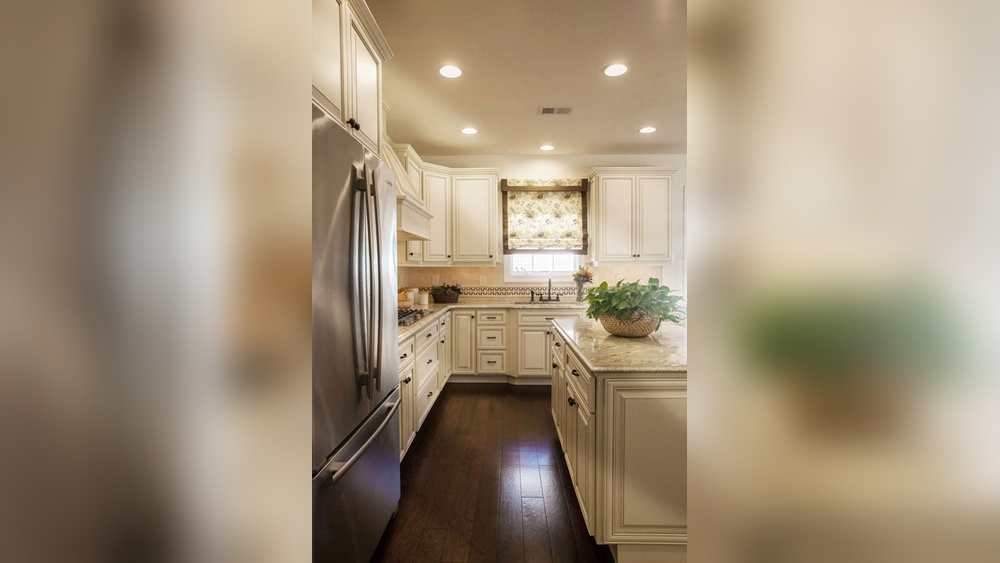
Are you ready to give your kitchen a fresh new look without spending a fortune? Learning how to mount kitchen cabinet hardware is one of the simplest ways to transform your space instantly.
Whether you’re updating old knobs and pulls or installing brand new ones, this task is easier than you think. By the end of this guide, you’ll have the confidence and know-how to complete the job like a pro, saving time and avoiding costly mistakes.
Let’s dive in and make your kitchen cabinets stand out!
Choosing The Right Hardware
Choosing the right hardware for your kitchen cabinets changes the look and feel of the space. It helps with function and adds style. Picking hardware needs thought about types, materials, and matching it with your kitchen’s design.
Types Of Cabinet Hardware
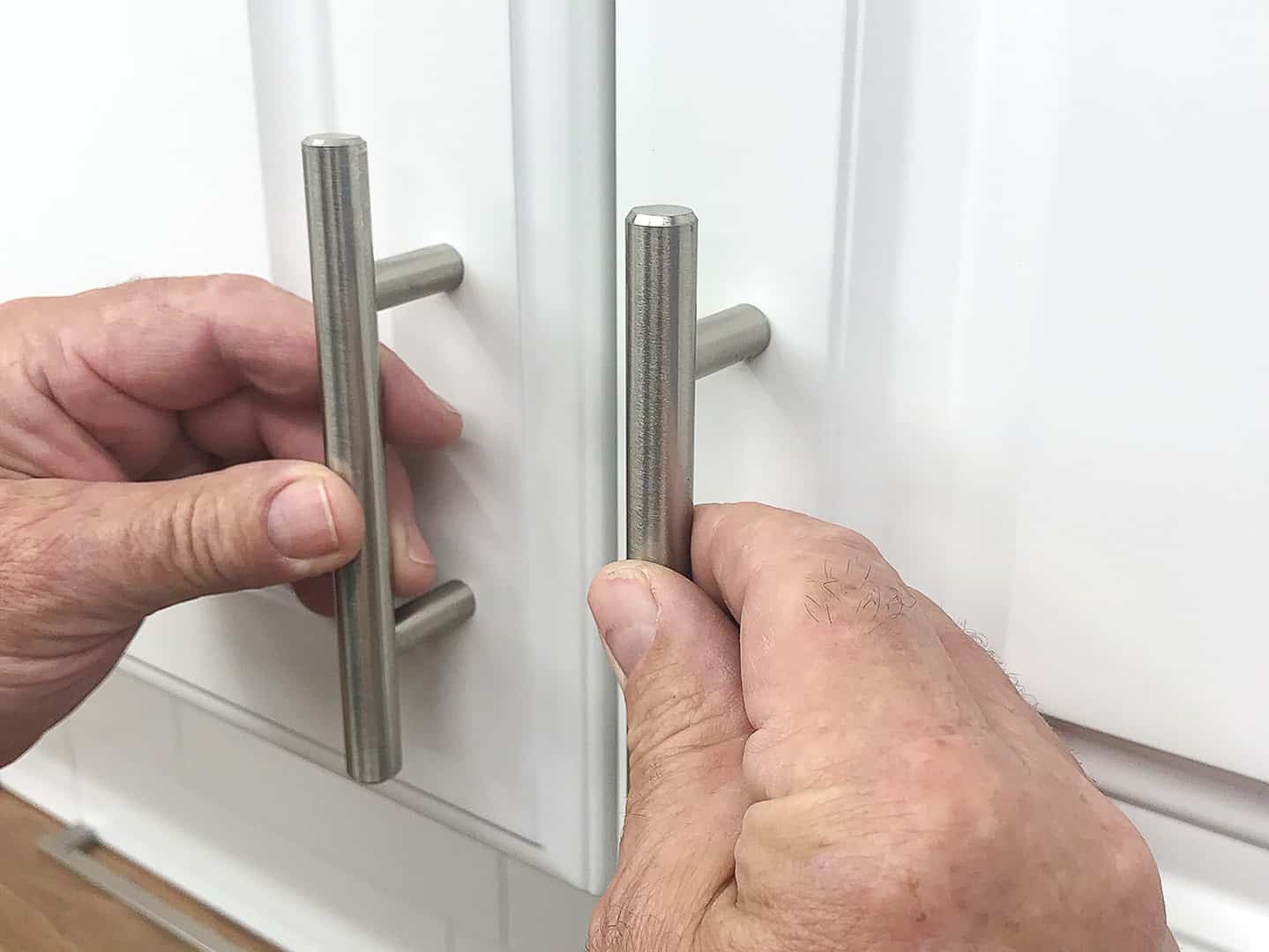
There are many types of cabinet hardware. Knobs are small and easy to install. Pulls are longer and give a better grip. Handles come in different shapes and sizes. Choose what feels good in your hand.
Some hardware is simple and plain. Others have fancy designs. Think about how often you use the cabinets. Choose hardware that fits your daily needs.
Materials And Finishes
Cabinet hardware comes in many materials. Metal is popular and very strong. Brass, stainless steel, and chrome last a long time. Plastic hardware is cheap but less durable.
Finishes change the look of the hardware. Matte finishes hide fingerprints. Shiny finishes look bright and clean. Pick a finish that matches your kitchen’s colors.
Matching Style With Kitchen Design
Your kitchen style guides your hardware choice. Modern kitchens look good with sleek, simple hardware. Traditional kitchens fit better with ornate, classic knobs and pulls.
Consider the color of your cabinets and counters. Hardware should blend or stand out as a feature. Match the hardware style with your kitchen’s mood.
Credit: truepositiontools.com
Gathering Tools And Materials
Gathering tools and materials is the first step in mounting kitchen cabinet hardware. Being prepared saves time and helps avoid mistakes. Collecting everything you need ensures a smooth process. It also helps keep your workspace organized.
Essential Tools
Start with basic tools. A drill or screwdriver is key for installing screws. A tape measure helps place hardware accurately. A pencil marks screw spots on cabinets. A level keeps handles straight. A drill bit matching screw size prevents damage. A ruler or square ensures even spacing. These tools make installation easier and faster.
Hardware Components
Know what hardware parts you need. Handles or knobs come with screws. Check the length fits your cabinet thickness. Sometimes spacers or washers are included. Keep all pieces organized before starting. Using the correct screws is important for a secure fit. Double-check your hardware matches your cabinet style.
Safety Equipment
Protect yourself during installation. Safety glasses shield your eyes from dust and debris. Gloves protect your hands from sharp edges. Wear a dust mask if drilling creates dust. Keep your workspace clean to avoid accidents. Safety gear helps prevent injuries and keeps you comfortable.
Preparing Cabinets For Installation
Preparing your kitchen cabinets for hardware installation is a crucial step. This process helps ensure the hardware fits perfectly and lasts long. Proper preparation saves time and prevents mistakes. Follow these steps carefully for the best results.
Cleaning And Inspection
Start by cleaning the cabinet surfaces. Use a mild cleaner to remove dirt and grease. Dry the surface completely before moving on. Inspect the cabinets for damage or loose parts. Fix any problems to avoid issues later.
Measuring And Marking
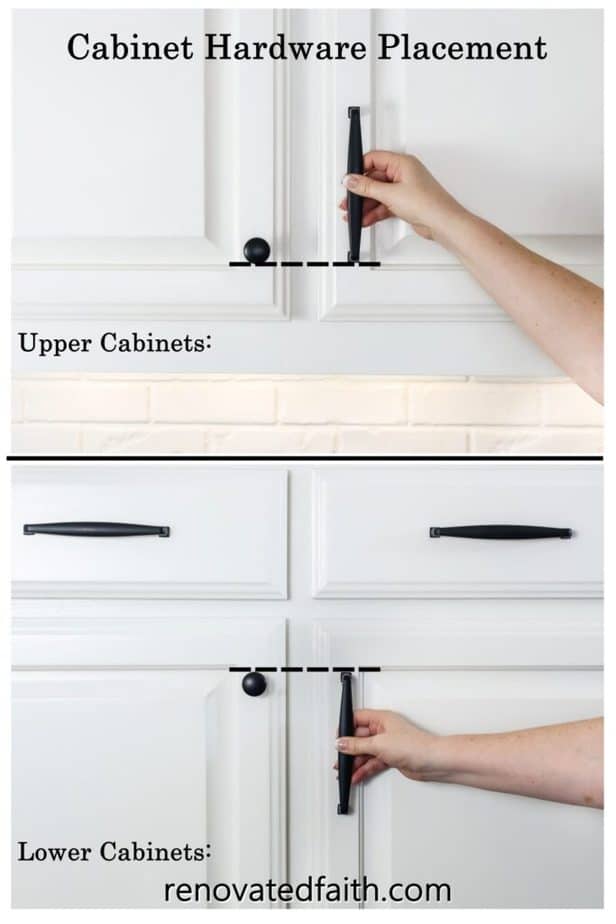
Measure the exact spot for each piece of hardware. Use a tape measure and a pencil for accuracy. Mark the spots lightly with a pencil. Double-check your marks to avoid misplacement. Consistent measuring ensures a neat look.
Drilling Pilot Holes
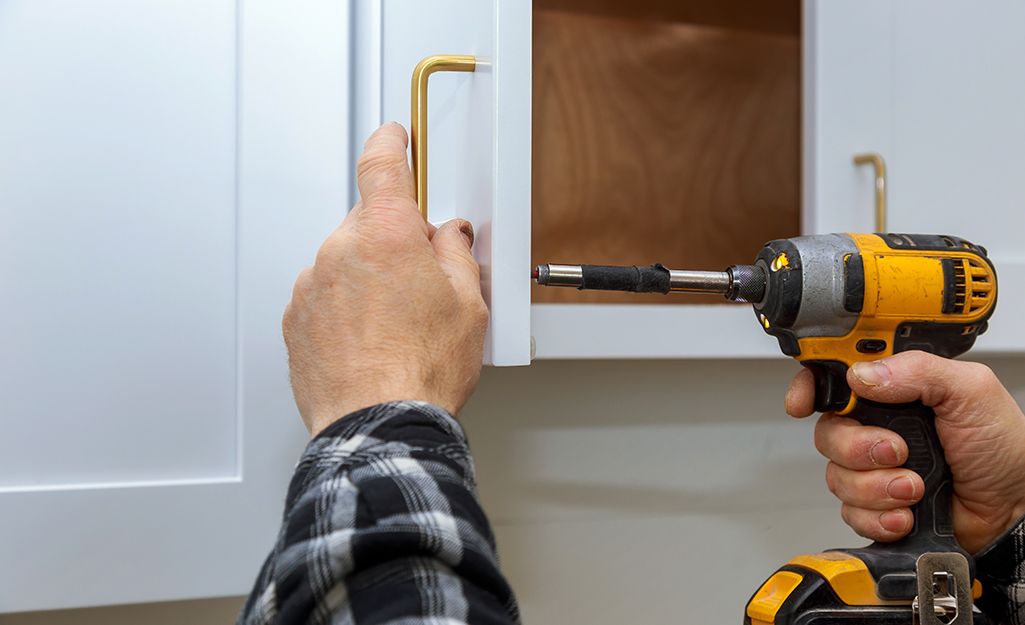
Drill small pilot holes on the marked spots. Use a drill bit slightly smaller than the screws. Pilot holes guide the screws and prevent wood splitting. Drill carefully, keeping the drill straight. This step makes installation easier and cleaner.
Credit: renovatedfaith.com
Mounting Cabinet Handles
Mounting cabinet handles is a simple task that can improve your kitchen’s look. Handles make cabinets easier to open and add style. Proper installation ensures handles stay strong and aligned. Follow these steps to fit your kitchen cabinet handles perfectly.
Aligning Handles
Start by measuring the spots for the handles. Use a ruler or tape to mark holes evenly. Check that marks are level and straight. Align handles with the marks before drilling. This step helps avoid crooked handles or uneven gaps.
Securing Screws
Insert screws through the inside of the cabinet door. Hold the handle tightly against the door. Turn the screws slowly with a screwdriver. Tighten until the handle feels secure but not too tight. Avoid over-tightening to prevent damage to the handle or door.
Checking Stability
After securing, test each handle by pulling gently. Make sure handles do not wiggle or feel loose. If any handle moves, tighten screws a bit more. Stable handles improve safety and daily use comfort.
Attaching Knobs
Attaching knobs to kitchen cabinets is a simple way to upgrade your space. It adds style and makes opening cabinets easier. Proper installation ensures the knobs are sturdy and look good. Use the right tools and follow clear steps for best results.
Placement Tips
Place knobs in a spot that feels natural to grab. Usually, knobs go near the cabinet door’s lower corner. For drawers, the center works well. Measure carefully before drilling holes. Keep knobs level and consistent across all cabinets.
Screw Tightening Techniques
Start by hand-tightening the screw to avoid cross-threading. Use a screwdriver, not a drill, for final tightening. Tighten screws until the knob feels secure but avoid over-tightening. Over-tightening can strip the screw hole or damage the knob.
Avoiding Damage
Use a drill bit slightly smaller than the screw to prevent splitting. Place painter’s tape on the drill spot for extra protection. Drill slowly and steadily to avoid cracks. Clean any wood dust before attaching the knob to ensure a firm fit.
Troubleshooting Common Issues
Mounting kitchen cabinet hardware can sometimes bring small problems. These issues can slow down your work or cause frustration. Knowing how to fix common problems helps keep the project smooth. This section covers easy solutions for typical hardware troubles.
Fixing Misaligned Hardware
Misaligned handles or knobs look messy and feel awkward. To fix this, first loosen the screws slightly. Move the hardware gently until it lines up correctly. Tighten the screws while holding the hardware steady. Check the alignment by opening and closing the door. Repeat if needed for a perfect fit.
Dealing With Stripped Screws
Stripped screws happen when the tool slips or the screw wears out. Try using a rubber band over the screw head for extra grip. If this fails, replace the screw with a new one of the same size. For deep damage, fill the hole with wood filler and drill a new pilot hole. This gives the screw a solid hold again.
Adjusting For Uneven Doors
Uneven cabinet doors spoil the kitchen’s look. Check the hinges first to see if they are loose. Tighten all hinge screws firmly. If the door still hangs unevenly, adjust the hinge settings. Many hinges have small screws to move the door up, down, or sideways. Make small turns and test the door’s position often.
Maintaining Cabinet Hardware
Maintaining your kitchen cabinet hardware keeps your kitchen looking neat and fresh. Small efforts extend the life of knobs, pulls, and handles. Regular care prevents damage and saves money on replacements.
Cleaning Tips
Wipe hardware with a soft cloth and mild soap. Avoid harsh chemicals that can damage finishes. Dry thoroughly to stop water spots. For stubborn dirt, use a toothbrush with gentle cleaner. Clean regularly to keep the shine and prevent buildup.
Tightening Loose Pieces
Loose hardware can fall off or cause damage. Check screws often and tighten with a screwdriver. Hold the knob or pull firmly while tightening. If screws strip, replace them with slightly larger ones. Secure hardware keeps cabinets safe and easy to use.
Replacing Worn Hardware
Hardware wears out over time or breaks. Choose replacements that match your style and size. Remove old hardware carefully to avoid cabinet damage. Install new pieces firmly for a perfect fit. Fresh hardware gives your kitchen a quick, affordable update.
Credit: www.homedepot.com
Frequently Asked Questions
How Do I Choose The Right Hardware For Kitchen Cabinets?
Select hardware that matches your kitchen style and cabinet material. Consider size, finish, and functionality for best results.
What Tools Are Needed To Mount Kitchen Cabinet Hardware?
You need a drill, screwdriver, measuring tape, pencil, and level. These tools ensure accurate and secure hardware installation.
How Do I Measure For Cabinet Hardware Placement?
Measure from cabinet edges to mark hole positions. Use a template for consistent spacing and level alignment.
Can I Install Cabinet Hardware Without Drilling?
Yes, adhesive or magnetic hardware options exist but may not be as durable as drilled installations.
Conclusion
Mounting kitchen cabinet hardware is simple with the right steps. Measure carefully and mark holes before drilling. Use the proper tools to avoid mistakes. Take your time for neat and secure results. New handles and knobs can change your kitchen’s look.
Enjoy the fresh style and easier use of your cabinets. Try this task yourself and see how much fun it can be. Small changes make a big difference in your kitchen space.