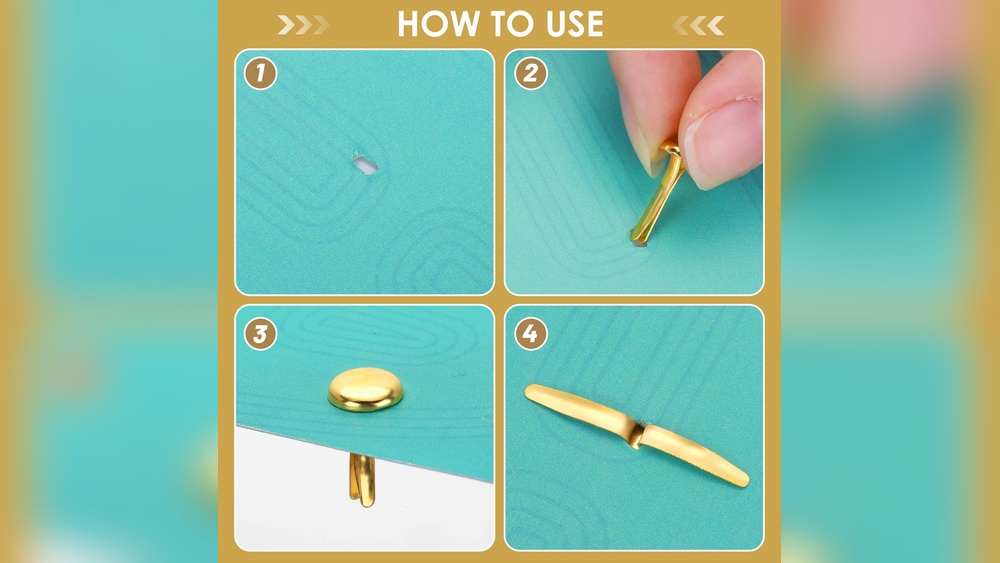
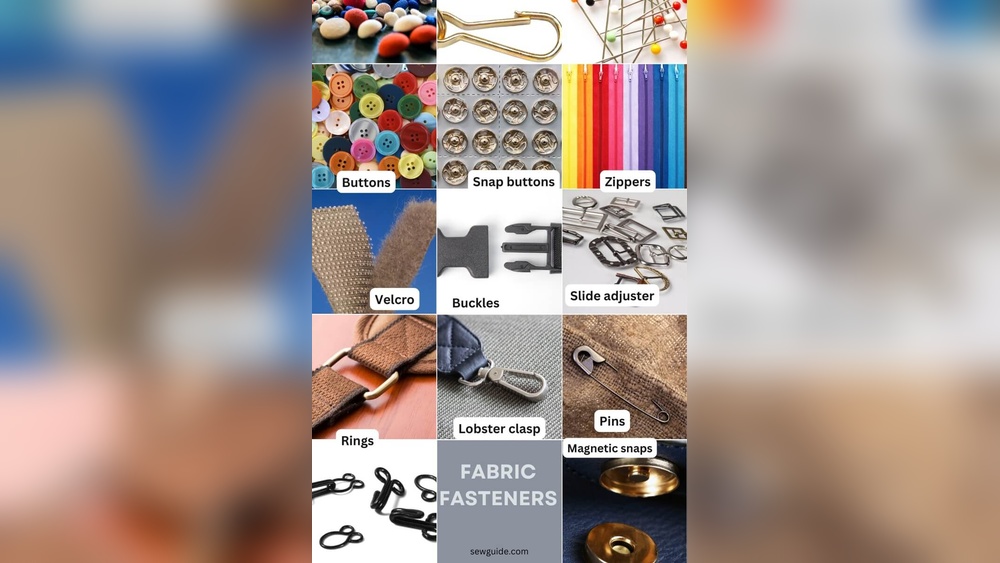
Are you looking for a simple way to fasten your clothes, bags, or DIY projects without sewing complicated buttons or zippers? Plastic snap fasteners might be exactly what you need.
They are easy to use, durable, and perfect for adding a professional touch to your creations. You’ll discover step-by-step how to use plastic snap fasteners, saving you time and frustration. Keep reading to unlock the secrets that will make your next project smoother and more enjoyable.
Choosing The Right Snap Fasteners
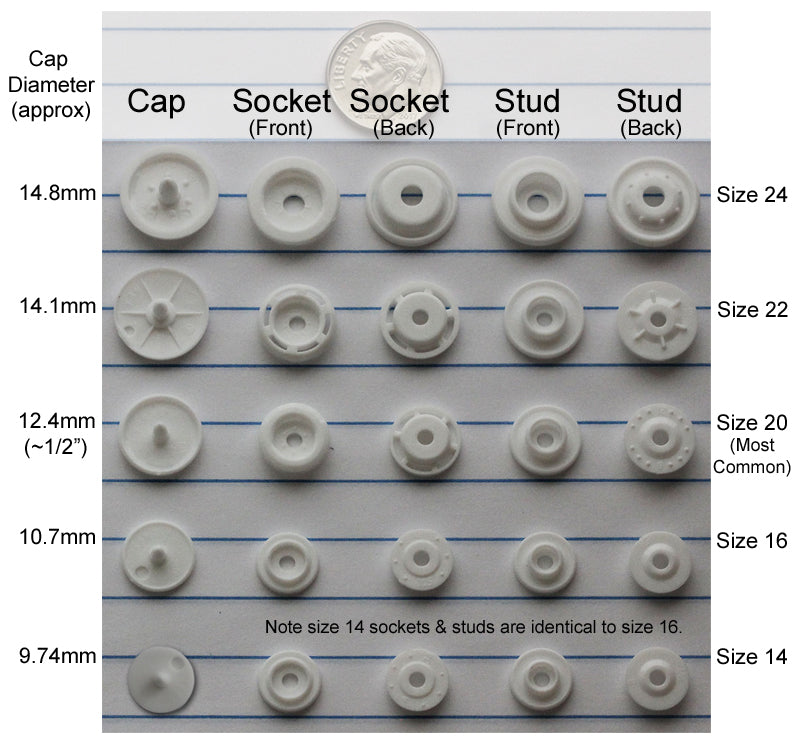
Choosing the right plastic snap fasteners is key for your project’s success. The right snaps ensure durability and ease of use. Not all snap fasteners fit every fabric or style. Understanding types, fabric compatibility, and tools is important. This guide helps you pick the best snap fasteners for your needs.
Types Of Plastic Snap Fasteners
Plastic snap fasteners come in various styles and sizes. Common types include sew-on snaps and press-on snaps. Sew-on snaps require stitching to attach. Press-on snaps use a tool to fix them in place. Some snaps have decorative tops to match fabric colors. Choose snaps that fit your project’s look and function.
Selecting Based On Fabric
Different fabrics need different snap fasteners. Lightweight fabrics like cotton need small, lightweight snaps. Heavy fabrics like denim require strong, large snaps. Thin fabrics can tear if snaps are too big. Use plastic snaps on delicate fabrics to avoid damage. Match snap strength with fabric weight for best results.
Tools You Will Need
Using plastic snap fasteners needs a few basic tools. A snap fastener plier or hand press works well. Some snaps come with a special attachment tool. You also need a hole punch for thick fabrics. Scissors and a ruler help with precise placement. Having the right tools makes installation easier and neater.
Credit: kamsnaps.com
Preparing Your Materials
Preparing your materials is the first step to using plastic snap fasteners. This stage ensures your project looks neat and works well. Careful preparation saves time and avoids mistakes. It helps you place snaps correctly and attach them firmly. Follow these simple steps to get ready.
Marking Snap Placement
Mark the exact spot for each snap. Use a pencil or fabric chalk. Mark both sides of the fabric. This keeps snaps aligned. Check the marks twice before pressing snaps. Clear marks make the job easier and cleaner.
Cutting Fabric Accurately
Cut fabric straight and to the right size. Use sharp scissors or a rotary cutter. Cut slowly to avoid jagged edges. Smooth edges help snaps fit better. Measure twice, cut once. Accurate cuts improve the final look.
Gathering Snap Components
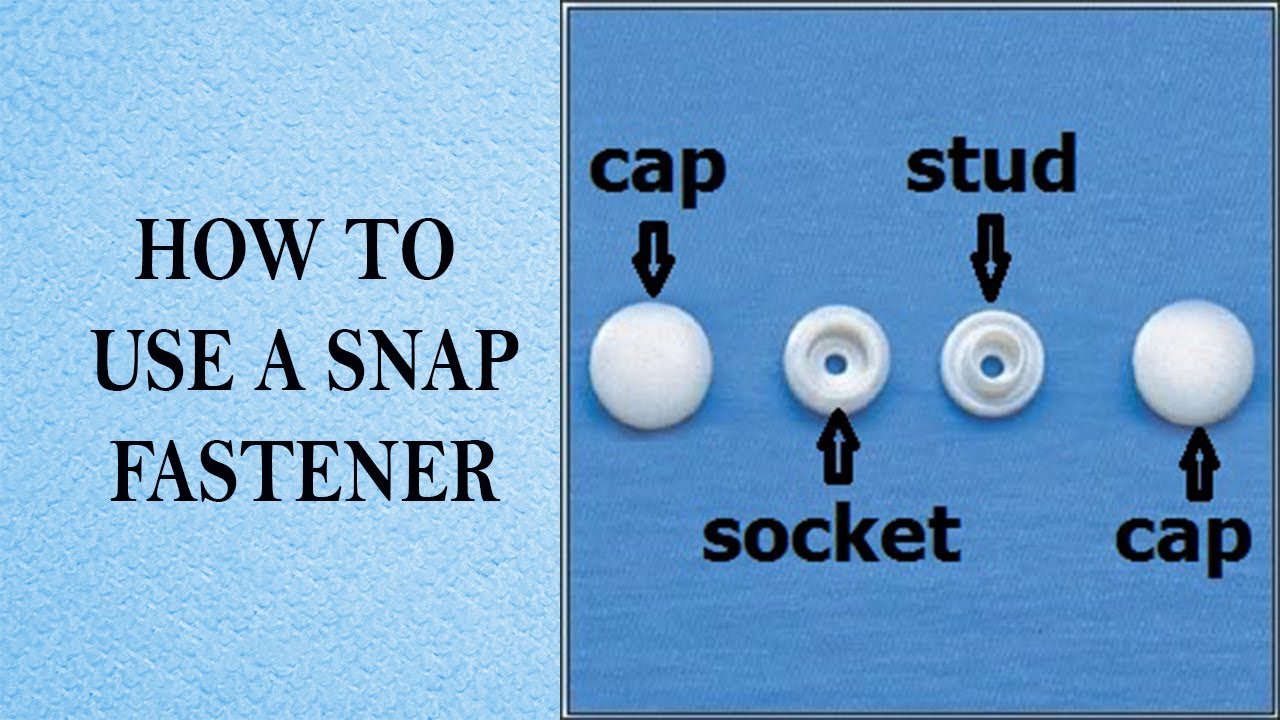
Collect all snap parts before starting. Each snap has two main pieces: male and female. Also, have the setting tool ready. Organize pieces by size and color. This saves time and prevents confusion. Ready tools make installation smooth and quick.
Attaching Snap Fasteners
Attaching plastic snap fasteners is simple and quick. These fasteners hold fabric or other materials together without sewing. Proper attachment keeps your project strong and neat. Follow these easy steps to get the best results.
Aligning Snap Parts Correctly
Place the male and female parts of the snap carefully. Make sure they line up perfectly. Misaligned snaps won’t close properly or stay secure. Check the fabric’s front and back sides. The snap should fit flat and even.
Using Hand Press Or Pliers
Use a hand press or snap pliers to attach snaps. These tools apply even pressure on the fastener parts. Position the snap in the tool’s slots. Squeeze the handle firmly but gently. Avoid squeezing too hard to prevent damage.
Securing Snaps Firmly
Press the snap parts together until they lock tightly. A loose snap can fall off or come undone. Test the snap by opening and closing it a few times. Make sure it holds well and feels secure. Adjust if needed for a perfect fit.

Credit: www.amazon.com
Testing Snap Functionality
Testing snap functionality is a key step when using plastic snap fasteners. It ensures the snaps work properly and stay secure. This step helps avoid problems later. You can test the snaps quickly with a few simple checks.
Checking Snap Closure
Press the snap parts together firmly. Listen for a click sound. This sound means the snap has locked in place. Try pulling them apart gently. The snaps should stay closed without slipping. If they open easily, the snap may be loose.
Ensuring Durability
Open and close the snap several times. Check if it still clicks and holds tightly. Look for cracks or breaks in the plastic. Durable snaps last through many uses. Weak snaps may break or stop working quickly.
Adjusting If Needed
Sometimes snaps need slight adjustment for a better fit. Press the snap harder or softer. Move the parts slightly to align them. Replace the snap if it does not close well. Proper adjustment keeps your project neat and secure.
Tips For Long-lasting Snaps
Plastic snap fasteners are a popular choice for many projects. They are easy to use and affordable. To make sure your snaps last long, some care and attention is needed. Follow these tips to keep your snaps working well and looking good.
Avoiding Common Mistakes
Do not force snaps closed or open. This can break the plastic parts. Make sure to align the snap parts correctly before pressing. Avoid using snaps on very thick or stiff materials. This puts extra stress on the snaps and causes damage. Use the right size snap for your fabric. Small snaps on heavy fabric may fail quickly.
Care And Maintenance
Keep snaps clean and dry. Dirt and moisture can cause snaps to stick or weaken. Wipe snaps gently with a soft cloth. Avoid harsh chemicals or abrasive cleaning tools. Store items with snaps in a cool, dry place. This prevents warping or weakening of plastic parts. Check snaps regularly for signs of wear or damage.
When To Replace Snaps
Replace snaps if they do not close tightly anymore. Loose snaps can fall off or cause fabric damage. Also, replace snaps that show cracks or breaks. Damaged snaps lose their strength and function. Swap old snaps during repairs or alterations. This keeps your item working well and looking neat.
Credit: www.youtube.com
Frequently Asked Questions
What Tools Are Needed To Install Plastic Snap Fasteners?
You need snap fasteners, a hole punch, and a setting tool or pliers. A hammer or press can also help. These tools make installation easier and ensure a secure fit for your plastic snaps.
How Do I Attach Plastic Snap Fasteners To Fabric?
Mark the spot, punch a hole, insert the snap parts, and press firmly. Use pliers or a setting tool for best results. Ensure the fabric layers align correctly for a durable attachment.
Can Plastic Snap Fasteners Replace Buttons On Clothing?
Yes, plastic snap fasteners are a convenient alternative to buttons. They offer quick fastening and a clean look. They work well on lightweight fabrics and kids’ clothing for easy use.
Are Plastic Snap Fasteners Reusable After Removal?
Plastic snap fasteners can be reused if removed carefully. Avoid damaging the snaps or fabric. However, frequent removal may weaken their holding power over time.
Conclusion
Plastic snap fasteners offer a simple way to secure fabric and materials. They are easy to install and use in many projects. Choose the right size and type for your needs. Practice attaching them to improve your skill. Snap fasteners save time and provide a neat finish.
Keep tools and parts organized for better results. Try different colors and styles for creativity. Using plastic snap fasteners makes your work look professional and clean. Give it a try and see the difference yourself.