When you’re working with bolts and nuts, how do you know if they’re tightened just right? Too loose, and parts can come apart; too tight, and you risk damaging them.
That’s where a special tool comes in—a wrench designed to measure exactly how tight a fastener is. If you want to avoid guesswork and ensure your projects hold strong and last longer, understanding this tool is a game-changer. Keep reading, and you’ll learn how this wrench works, why it matters, and how it can save you time and frustration on every job.
Credit: home.howstuffworks.com
Torque Wrench Basics
A torque wrench is a special tool that helps control how tight a fastener is. It applies a specific force to bolts or nuts. This prevents damage from over-tightening or loosening from under-tightening. Understanding how torque wrenches work makes using them easier and safer.
Setting The Torque
First, the user sets the torque value on the wrench. This is the amount of force needed to tighten the fastener. Most torque wrenches have a scale or dial for this. Adjusting it ensures the right tightness for each job. Proper settings protect the fastener and the parts it holds.
Applying Force
Next, the user applies force by turning the wrench handle. The wrench measures the twisting force on the fastener. As the user tightens, the wrench senses when the set torque is reached. This prevents over-tightening and helps achieve the correct tension.
Torque Indication Methods
Torque wrenches show when the desired torque is reached in different ways. Click-type wrenches make a clear sound or snap. Digital wrenches display the torque value on a screen. Some models have a needle or pointer that moves on a gauge. These signals help users stop tightening at the right moment.
Credit: www.homedepot.com
How Torque Wrenches Work
Proper maintenance and calibration keep your torque wrench accurate and reliable. Without care, the tool may give wrong torque readings. This can lead to loose or over-tightened fasteners, causing damage or safety risks.
Regular upkeep extends the life of your wrench. Calibration ensures it measures torque correctly. Both help you work safely and efficiently.
Regular Calibration Importance
Calibration checks if the wrench applies the correct torque. Over time, parts can wear or shift, affecting accuracy. Testing the wrench against a standard tool keeps it precise.
Calibrate your torque wrench at least once a year. More often if you use it daily or in harsh conditions. Keep a record of calibration dates and results for reference.
Storage Tips
Store your torque wrench in a clean, dry place. Avoid extreme temperatures and humidity, which can damage internal parts. Use the case that comes with the wrench for protection.
Always set the wrench to the lowest torque setting after use. This releases tension on the spring inside and helps maintain accuracy. Handle the tool carefully to avoid drops or shocks.
Choosing The Right Torque Wrench
A torque wrench is essential for applying precise force to fasteners. Its main role is to control how tight bolts and nuts become. This helps avoid damage from over-tightening or failure from under-tightening. Torque wrenches find use in many fields. Each application requires specific torque settings for safety and performance.
Automotive Use
Torque wrenches ensure car parts are secure and safe. Mechanics use them for engine assembly and wheel installation. Correct torque prevents parts from loosening on the road. It also avoids damage to threads and fasteners. This tool is vital during regular vehicle maintenance.
Industrial And Construction
In factories and construction sites, torque wrenches guarantee structural integrity. Workers tighten machinery bolts to exact specifications. This stops equipment failure and accidents. Large projects rely on torque wrenches for reliable assembly. Safety standards often require documented torque values.
Home Improvement Projects
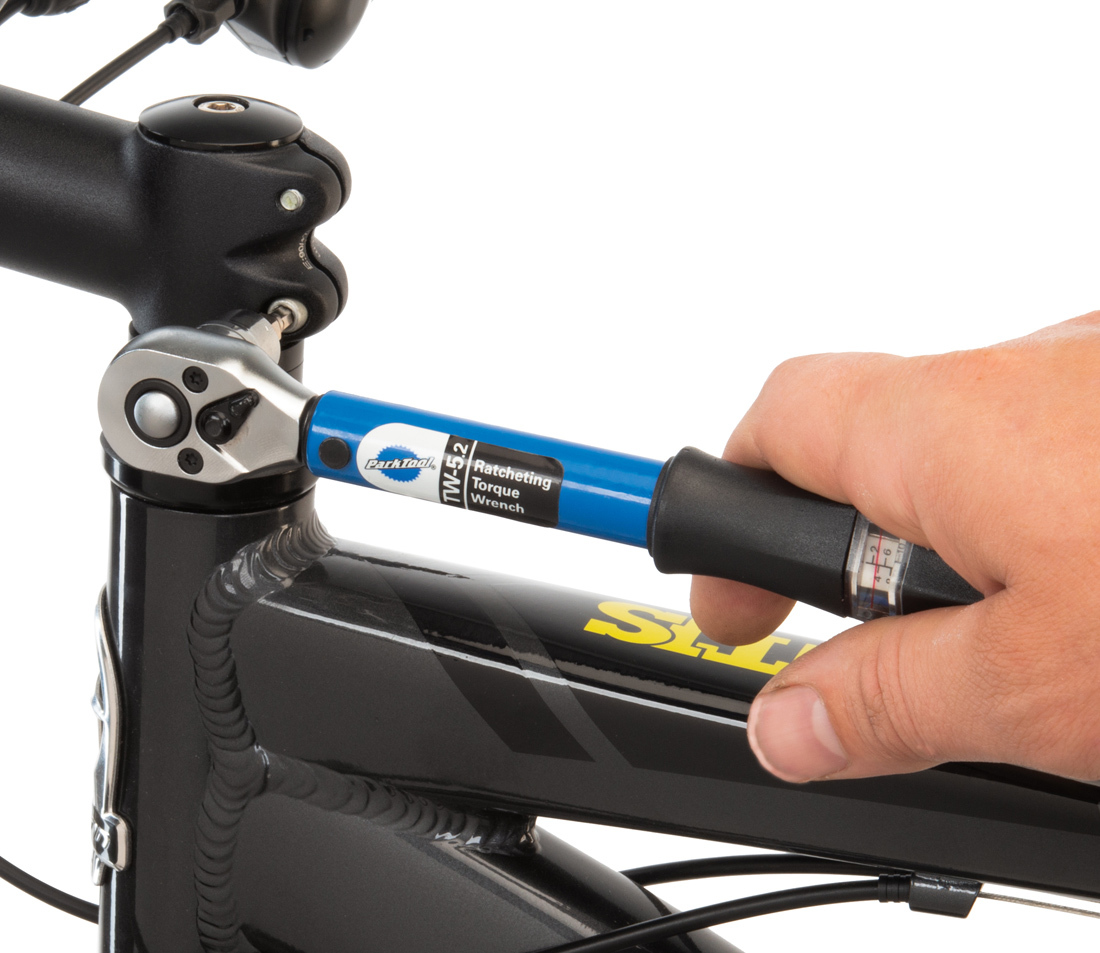
DIY enthusiasts use torque wrenches for furniture and appliance assembly. This tool helps avoid stripped screws and loose parts. It ensures better durability and function of home items. Even small projects benefit from proper torque control. The wrench offers confidence in every fastener’s tightness.
Credit: www.parktool.com
Frequently Asked Questions
What Is A Wrench Used To Determine How Tight A Fastener Is?
A torque wrench measures and applies precise torque to fasteners. It prevents over-tightening and ensures proper tension.
What Is A Tightening Wrench Called?
A tightening wrench is called a torque wrench. It applies precise torque to fasteners, preventing over- or under-tightening.
What Tool Is Used For Tightening?
A torque wrench is used for tightening fasteners to a specific torque, ensuring proper tension without damage.
What Is The Tool Used To Tighten Fasteners To A Specific Setting?
A torque wrench tightens fasteners to a specific torque setting. It prevents over- or under-tightening by clicking at the preset value.
Conclusion
A torque wrench ensures fasteners are tightened just right. It prevents damage from too much force or loosening from too little. Using this tool helps keep assemblies safe and secure. It is easy to set and use, making tasks more accurate.
Knowing how to use a torque wrench saves time and effort. The right tightness means parts last longer and work better. Keep this wrench handy for any project requiring precise fastening. Proper torque control makes all the difference in quality and safety.