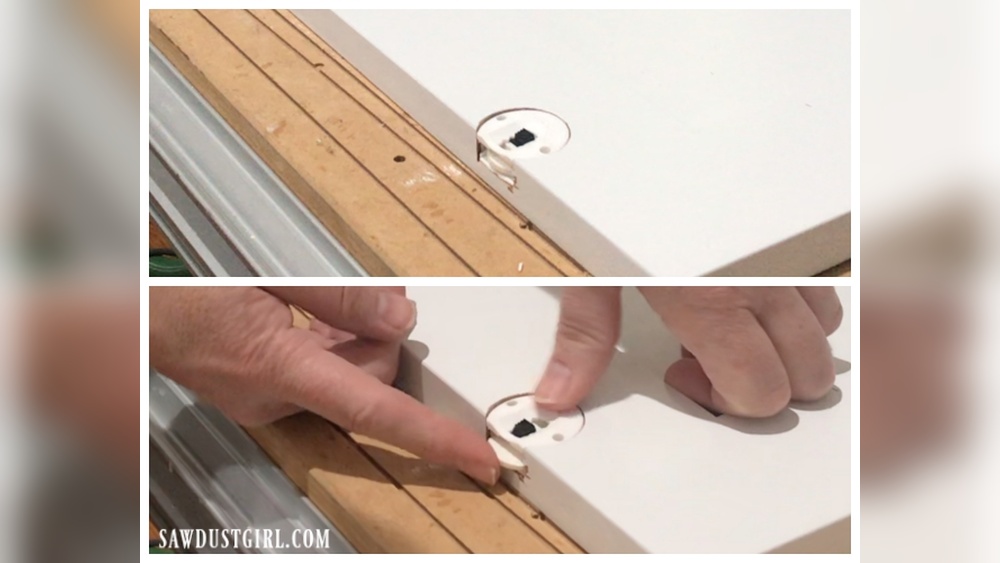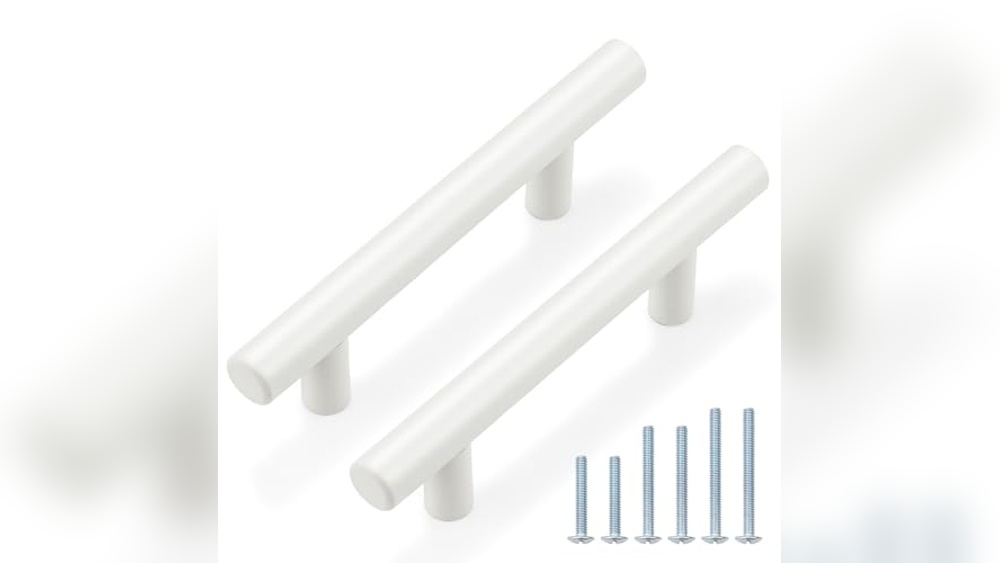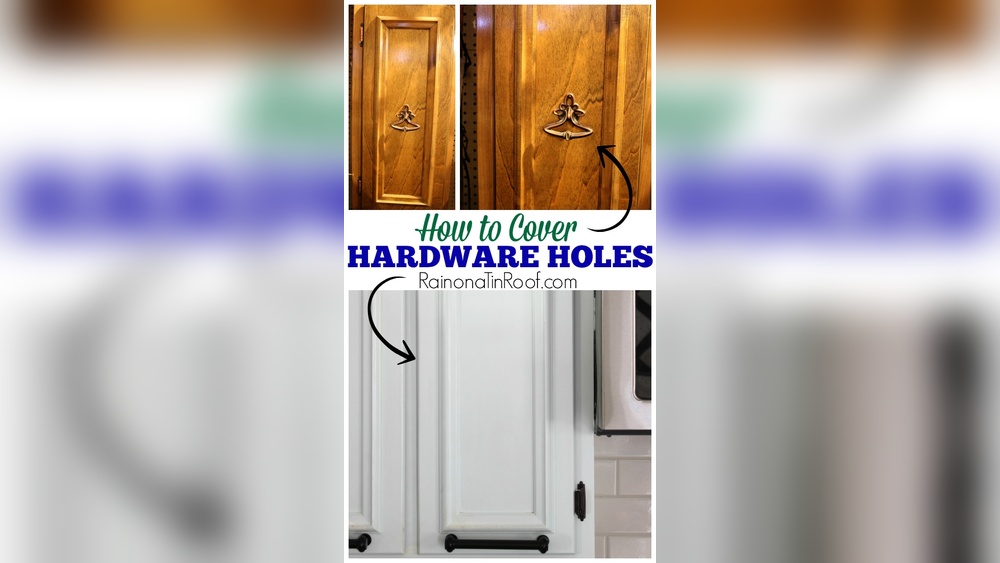
Are you wondering if those extra holes in your kitchen cabinets can be filled neatly? Maybe you want to change your cabinet hardware but worry about the old holes ruining the look.
You’re not alone. Filling cabinet hardware holes the right way can make your kitchen look fresh and flawless without a full remodel. You’ll discover simple, effective methods to fill those holes so your cabinets look brand new again. Keep reading to find easy tips that save you time, money, and frustration.
Types Of Cabinet Hardware Holes
Cabinet hardware holes come in various sizes and positions. These holes hold handles, knobs, and pulls on cabinet doors and drawers. Understanding the types of holes helps in filling or replacing hardware correctly.
Different cabinets may have different hole sizes and placements. Knowing these details saves time and ensures a neat finish when you fill old holes or install new hardware.
Common Hole Sizes
The most common hole size for cabinet hardware is 3/16 inch in diameter. This size fits most screws used for knobs and pulls. Some cabinets use 1/4 inch holes, especially for larger handles.
Hole depth varies but usually matches screw length. Drilling new holes or filling old ones requires matching the size closely. This prevents loose hardware or visible gaps.
Hole Placement Variations
Hole placement depends on the cabinet style and hardware type. Knobs often have a single hole centered on the door or drawer front. Pulls usually need two holes spaced evenly apart.
Spacing between holes for pulls ranges from 3 to 5 inches. Some cabinets have holes near edges, while others place them in the center area. Measuring before filling or drilling is important.
Materials For Filling Holes
Filling holes in kitchen cabinet hardware is common during updates or repairs. Choosing the right material affects the finish and durability. Different fillers suit various hole sizes and wood types. Some are quick fixes, while others need sanding and painting after drying. Knowing your options helps you pick the best product for your cabinets.
Wood Putty Options
Wood putty is a popular choice for small holes and scratches. It is soft and easy to apply with a putty knife. Drying time varies but is usually fast. Wood putty matches many wood colors and can be sanded smooth. It works well for holes left by screws or nails. Use water-based putty for indoor cabinets to avoid strong smells.
Epoxy Fillers
Epoxy fillers are strong and durable for larger holes. They come in two parts that mix before use. Epoxy fills deep holes and bonds tightly to wood. It dries hard and can be shaped or sanded. Epoxy resists moisture, making it good for kitchen areas. It takes longer to cure but lasts longer than putty.
Wax Sticks And Plugs
Wax sticks and plugs offer quick, easy repairs for small holes. Wax sticks come in different colors to match wood tones. Rub the stick over the hole to fill it instantly. Wax plugs are small pieces pressed into holes for a neat finish. These materials do not need drying or sanding. They are best for holes that are not too large.
Tools Needed For Repair
Fixing holes in kitchen cabinet hardware needs the right tools. These tools help fill the holes smoothly and neatly. Using proper tools makes the repair last longer and look better. Preparation is key for a clean, strong finish.
Basic Hand Tools
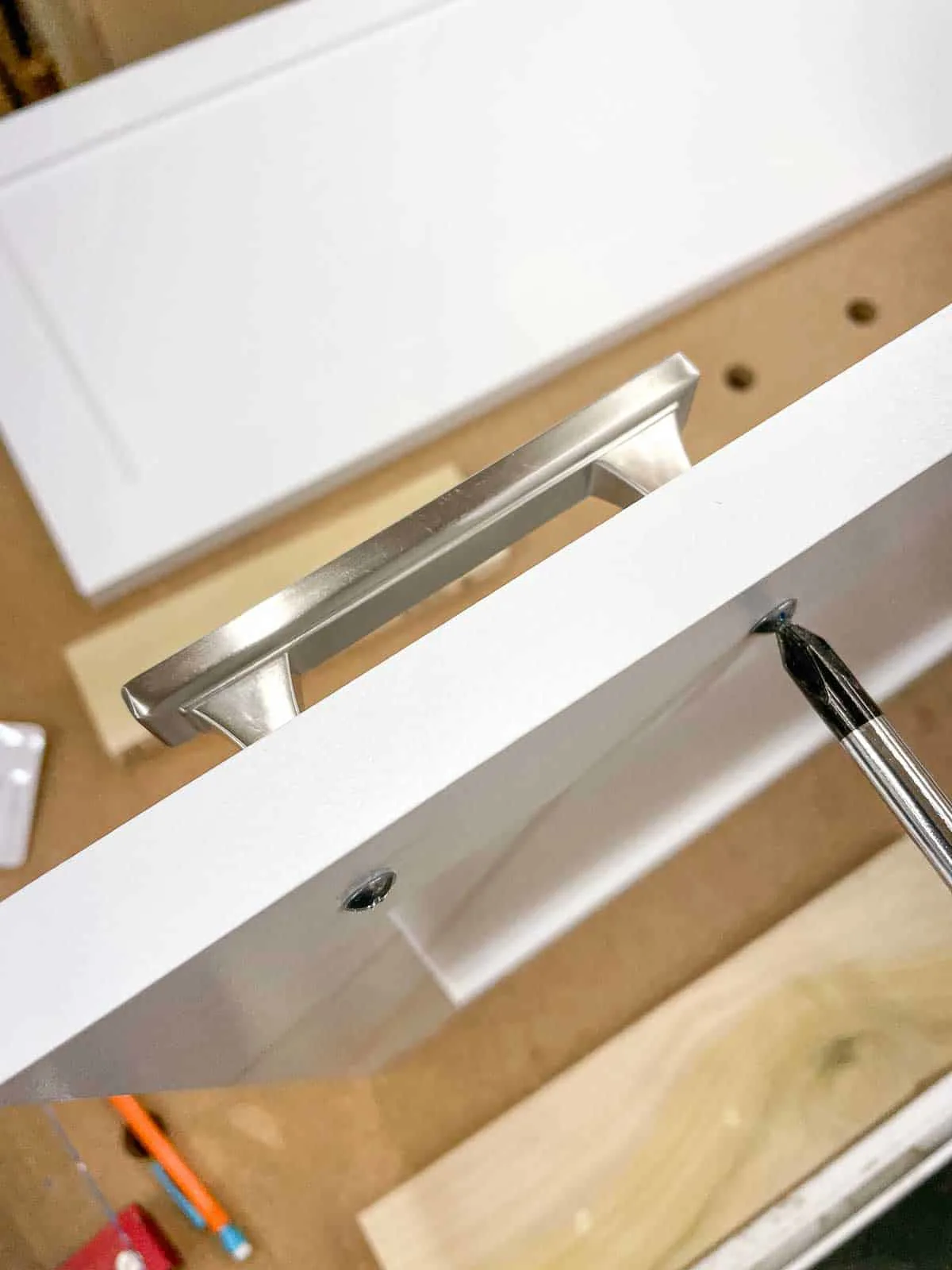
You will need a few simple tools to start. A screwdriver helps remove hardware from cabinets. Sandpaper smooths the surface before and after filling. A putty knife spreads the filler evenly inside the holes. A clean cloth wipes away dust and debris. These basic tools are easy to find and use.
Specialty Filling Tools
Some repairs need special tools for better results. Wood filler or epoxy putty comes with a small spreader for precise application. A small drill or reamer may help enlarge or clean out the hole. A detail sander can smooth tight spaces around the repair. These specialty tools improve accuracy and finish quality.
Credit: www.thehandymansdaughter.com
Step-by-step Filling Process
Filling holes in kitchen cabinet hardware is a simple task with the right steps. Following a clear process helps you get smooth, neat results. Each step prepares the surface for the next, making the repair last longer and look better.
Cleaning The Hole
Start by cleaning the hole carefully. Remove dirt, dust, and old filler bits. Use a small brush or cloth to clear out loose debris. This step ensures the new filler sticks well to the surface. A clean hole gives a stronger, smoother finish.
Applying The Filler
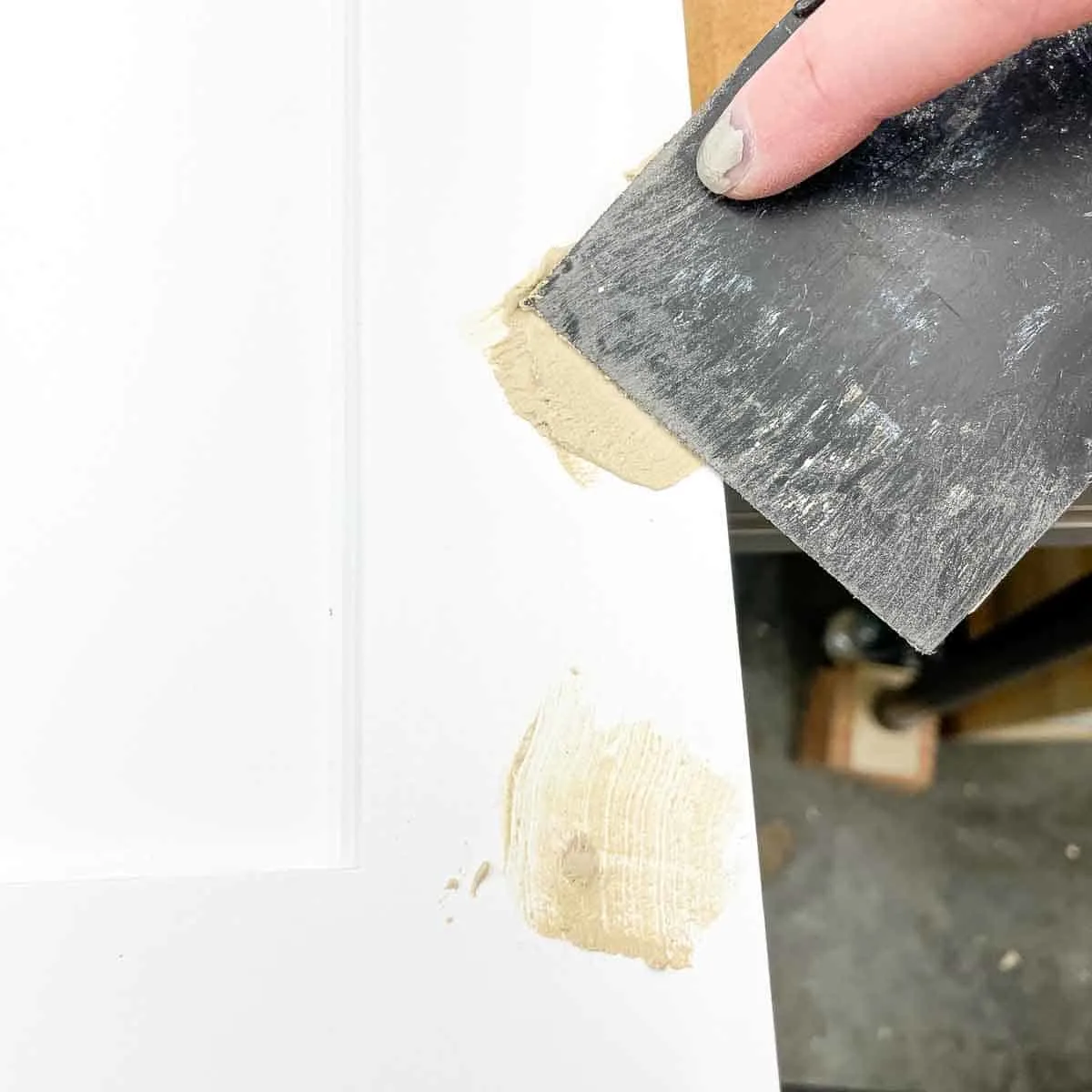
Choose a wood filler that matches your cabinet material. Use a putty knife to press the filler into the hole firmly. Fill the hole completely, leaving no air pockets. Smooth the surface with the knife to reduce sanding later. Let the filler dry fully before moving on.
Sanding And Smoothing
After the filler dries, sand the area lightly with fine-grit sandpaper. Sand until the surface is even with the cabinet. Avoid sanding too hard to prevent damage. Wipe away dust with a clean cloth. This step creates a smooth base for finishing.
Matching The Finish
Match the cabinet’s finish by applying paint or stain over the filled hole. Use a small brush for precision and thin layers. Let each layer dry before adding the next. This helps the repair blend seamlessly with the rest of the cabinet. A well-matched finish hides the repair completely.
Tips For A Seamless Repair
Fixing holes in kitchen cabinet hardware needs care to look natural. The repair should blend with the rest of the cabinet. This section shares tips for a seamless repair that hides holes well.
Color Matching Techniques
Choose a filler that matches your cabinet color closely. Test the color on a hidden spot first. Mix paint or stain to get the right shade. Use a small brush for precise application. Let it dry fully and check the match. Repeat if needed to blend the repair perfectly.
Preventing Future Damage
Use the correct size hardware screws for your cabinets. Avoid over-tightening screws to protect the wood. Add felt pads under hardware to reduce stress. Regularly check hardware for loosening or damage. Tighten screws gently to keep cabinets safe. These steps help keep cabinets strong and hole-free longer.
Credit: www.thehandymansdaughter.com
When To Replace Instead Of Repair
Deciding whether to repair or replace kitchen cabinet hardware holes is important. Small holes may be easy to fill, but some problems need more than patching. Knowing when to replace saves time, money, and frustration. It also protects your cabinets from further damage.
Assessing Structural Damage
Check the area around the holes carefully. Look for cracks, warping, or soft wood. These signs show deeper damage. Filling holes only helps if the wood is still strong. Weak or damaged wood means replacement is best. Repairing weak wood can cause bigger problems later.
Cost Vs. Benefit Analysis
Compare repair costs with replacement costs. Filling holes might seem cheaper at first. But multiple repairs add up. Replacement offers a fresh, clean look and lasts longer. Think about the time and effort repairs need. Sometimes, replacing is a better investment for your kitchen.

Credit: www.youtube.com
Frequently Asked Questions
Can Kitchen Cabinet Hardware Holes Be Filled Easily?
Yes, kitchen cabinet hardware holes can be filled easily using wood filler or putty. Sand the area smooth after drying for a seamless finish.
What Materials Work Best To Fill Cabinet Holes?
Wood filler, epoxy putty, and wood plugs work best to fill cabinet holes. Choose a material that matches your cabinet’s wood type.
How Long Does It Take For Filler To Dry?
Drying time varies by product but usually takes 30 minutes to 2 hours. Always check the manufacturer’s instructions for best results.
Can Filled Holes Support New Hardware Installation?
Yes, once the filler is fully dry and sanded, it can support new hardware installation securely.
Conclusion
Filling holes in kitchen cabinet hardware keeps cabinets looking neat. Use the right filler for a smooth, lasting finish. Sand and paint carefully to match the cabinet surface. Small repairs save money and improve kitchen appearance. Choose materials that blend well with your cabinet style.
Take your time to get the best results. Simple steps make your kitchen look fresh and clean. A little effort goes a long way in home care.