Are you struggling with tricky buttons or zippers that just won’t cooperate? Snap fasteners could be the simple solution you need.
They’re quick to use, secure, and perfect for everything from clothes to accessories. If you’ve ever wondered how to use a snap fastener the right way, you’re in the right place. Keep reading, and you’ll discover easy steps and insider tips that make snapping things together effortless and satisfying.
Ready to make your life a little easier? Let’s dive in!
Credit: so-sew-easy.com
Choosing The Right Snap Fastener
Choosing the right snap fastener is important for your project’s success. The right snap fastener makes your work easier and ensures durability. It fits the fabric or material perfectly. This guide helps you pick the best snap fastener.
Types Of Snap Fasteners
Snap fasteners come in several types. The most common are sew-on snaps and press studs. Sew-on snaps need stitching to attach. Press studs use pressure to fix in place. There are also magnetic snaps for easy open and close. Choose based on how you want to use the fastener.
Materials And Sizes
Snap fasteners are made from metal, plastic, or nylon. Metal snaps are strong and last longer. Plastic snaps work well for lightweight fabrics. Nylon snaps are soft and flexible. Sizes vary from small to large. Pick the size that suits your fabric thickness and design.
Tools Needed
Using snap fasteners requires basic tools. You need a snap fastener plier or a hand press tool. Some snaps need a hammer and anvil set. A hole puncher is helpful for thick materials. Choose tools that match your snap type for best results.
Preparing The Fabric
Preparing the fabric is the first step in using a snap fastener. It helps the fastener stay secure and last longer. Proper preparation also makes the attachment neat and strong. Follow simple steps to get the fabric ready for snap fasteners.
Marking Placement
Start by deciding where to place the snap fastener. Use a fabric marker or chalk to mark the exact spot. Make sure the marks on both fabric pieces match perfectly. This helps the snap fastener close smoothly and align well.
Making Holes
Create small holes where you marked the fabric. Use a sharp tool like an awl or a small pair of scissors. The holes should be just big enough for the snap parts to fit. Avoid making holes too large to prevent fabric damage.
Reinforcing The Area
Strengthen the fabric around the holes to prevent tearing. Sew a few stitches or apply a small patch of interfacing behind the spot. Reinforcement keeps the fabric firm and supports the snap fastener. This step is important for soft or thin fabrics.
Attaching The Snap Fastener
Attaching a snap fastener is a simple task that adds convenience and style to your projects. Snap fasteners hold fabric pieces together securely and are easy to open and close. This section explains how to attach them correctly for the best results.
Positioning The Parts
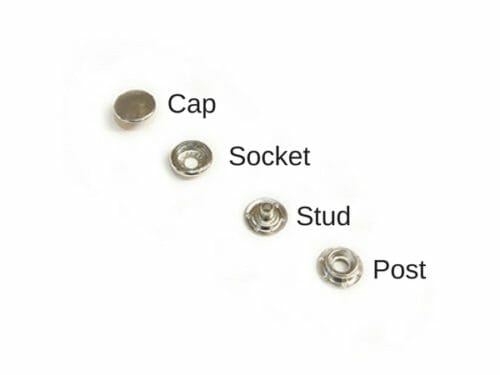
Start by placing the snap parts on the fabric. The cap goes on the outside, where you want it to show. The socket sits behind the cap on the fabric’s wrong side. Align the stud and the post on the opposite fabric piece. Proper placement ensures the snap will close firmly.
Using A Snap Fastener Tool
A snap fastener tool helps fix the parts together tightly. Place the fabric with the cap and socket on the tool’s base. Position the stud and post on the tool’s punch side. Press the tool handles firmly to join the parts. This method creates a strong snap bond.
Hand-securing Method
Hand-securing works well for light fabrics or small snaps. Use a needle and strong thread to sew the snap parts onto the fabric. Stitch through the holes around the snap edges several times. This method needs more time but works without special tools. Check that the snap holds firmly before use.

Credit: susieddesigns.wordpress.com
Testing The Snap Fastener
Testing the snap fastener is a key step after installation. It ensures the snap works properly and lasts long. Careful testing helps avoid issues like misalignment or weak holding power. This section covers two main checks: alignment and durability.
Checking Alignment
First, inspect the snap fastener’s position. Both parts should line up perfectly. Press the snap closed to see if it clicks easily. If it feels off or hard to close, adjust it. Proper alignment makes opening and closing smooth. Check the edges to avoid gaps or overlaps.
Ensuring Durability
Next, test the snap’s strength. Open and close the snap several times. It should hold firmly without loosening. Try pulling the snap gently to check if it stays fastened. A durable snap fastener keeps your item secure for a long time. Replace any snap that feels weak or loose.
Common Troubleshooting Tips
Troubles with snap fasteners can slow down your project. Knowing common fixes saves time and stress. Small problems often have simple solutions.
Check these tips to handle usual snap fastener issues. Clear steps help you get snaps working smoothly again.
Fixing Misaligned Snaps
Misaligned snaps don’t close properly. Check both sides before pressing together. Adjust the position of one side gently.
Use a flat surface to help align snaps evenly. Press firmly but slowly to avoid bending parts. If snaps stay crooked, remove and reattach carefully.
Replacing Damaged Snaps
Snaps can break or lose grip over time. Remove damaged parts with pliers or a small tool. Avoid tearing fabric while pulling out snaps.
Choose a new snap of the same size and type. Attach it using a snap tool or pliers. Test the new snap to ensure it holds well.
Credit: so-sew-easy.com
Creative Uses For Snap Fasteners
Snap fasteners are small but very useful. They hold things together quickly and easily. Their simple design makes them perfect for many creative projects. You can use snap fasteners beyond just clothes. They add function and style to many items. Let’s explore some fun and practical uses for snap fasteners.
Clothing Repairs
Snap fasteners fix broken buttons fast. Replace missing buttons on shirts or pants easily. They keep clothes wearable without sewing a lot. Use snaps to close jackets or skirts instead of zippers. Snaps make repairs neat and strong. Save old clothes by adding snap fasteners where needed.
Diy Accessories
Create custom bracelets or wallets with snap fasteners. Attach snaps to fabric or leather pieces for closures. Make bags that open and close quickly. Use colorful snaps to decorate simple accessories. Snap fasteners make items easy to use and stylish. They work well for kids’ craft projects too.
Home Decor Projects
Snap fasteners help change pillow covers fast. Attach curtains or slipcovers with snaps for easy cleaning. Make removable tablecloths or chair pads with snap closures. Use snaps to hang lightweight decorations or banners. They add convenience and keep items tidy. Snap fasteners can brighten up your home in small ways.
Frequently Asked Questions
What Tools Do I Need To Install A Snap Fastener?
You need a snap fastener kit, including a setter, anvil, and hammer. Some kits have pliers instead. Basic sewing tools may also help for fabric alignment.
How Do I Choose The Right Snap Fastener Size?
Select a snap size based on your fabric thickness and project type. Smaller snaps fit light fabrics, while larger snaps suit heavy materials like denim or leather.
Can I Install Snap Fasteners Without Sewing Skills?
Yes, snap fasteners can be installed without sewing. Use a snap fastener tool kit that crimps the snaps onto the fabric securely.
How To Avoid Fabric Damage When Using Snap Fasteners?
Place interfacing behind thin fabrics to reinforce. Use proper tools and gentle hammering or pressing to prevent fabric tearing or distortion.
Conclusion
Snap fasteners offer a simple way to join fabrics quickly. They save time and keep clothes secure. You only need basic tools to use them well. Practice a bit to get the best results. These fasteners work great on many items like bags and jackets.
Try adding snap fasteners to your next sewing project. You will find them useful and easy to handle. Small but handy, they make your work neat and strong. Give them a try and see the difference yourself.