Have you ever wondered what fasteners really mean and why they are so important in your daily life? Whether you’re fixing something at home or working on a big project, understanding fasteners can save you time and frustration.
These small but powerful items hold things together, making sure everything stays in place. Keep reading, and you’ll discover how fasteners work, the different types you should know about, and how choosing the right one can make all the difference in your next task.
Your next repair or build will be easier once you get the hang of this!
Credit: www.hanshin-neji.com
Fasteners Basics
Fasteners are small tools that join two or more objects together. They hold parts tightly so they do not move or come apart. Fasteners help build everything from furniture to cars and buildings.
Understanding the basics of fasteners is important. It helps you pick the right fastener for any job. This section explains what fasteners are and what materials make them strong.
What Are Fasteners
Fasteners are devices used to connect things. Screws, nails, bolts, and nuts are common types. They keep parts fixed and secure. Fasteners can be temporary or permanent. Some need tools to install or remove.
Common Materials Used
Fasteners are made from different materials. Steel is most common for strength and durability. Stainless steel resists rust and works well outdoors. Brass is softer and used for decoration. Plastic fasteners are light and resist corrosion.
The choice of material depends on the job and environment. Strong materials suit heavy loads. Corrosion-resistant types fit wet or outdoor use.
Credit: www.iqsdirectory.com
Types Of Fasteners
Fasteners are small but vital parts that hold objects together. They come in many types, each designed for specific tasks. Choosing the right fastener ensures strong, secure connections. Here is a guide to the common types of fasteners.
Screws And Their Varieties
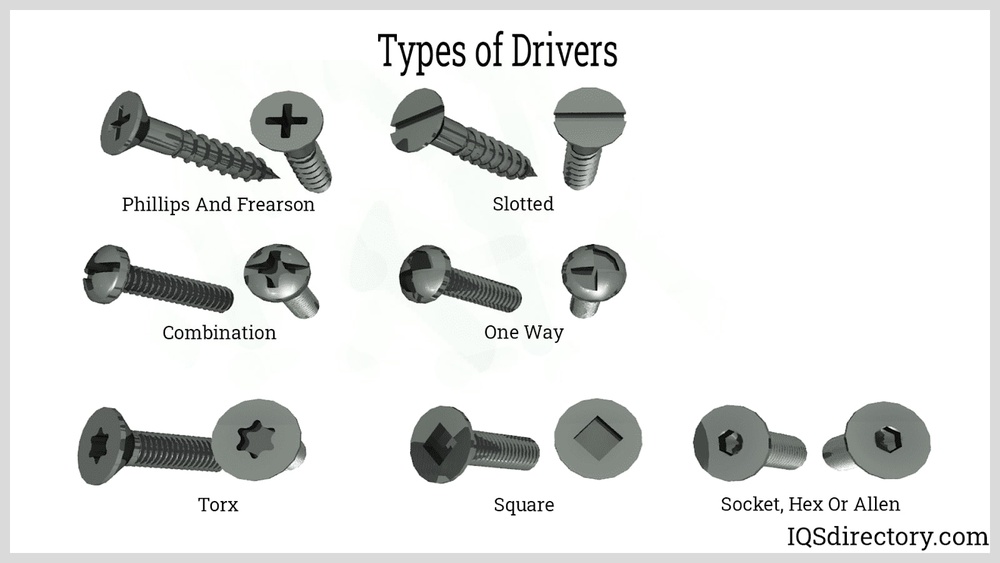
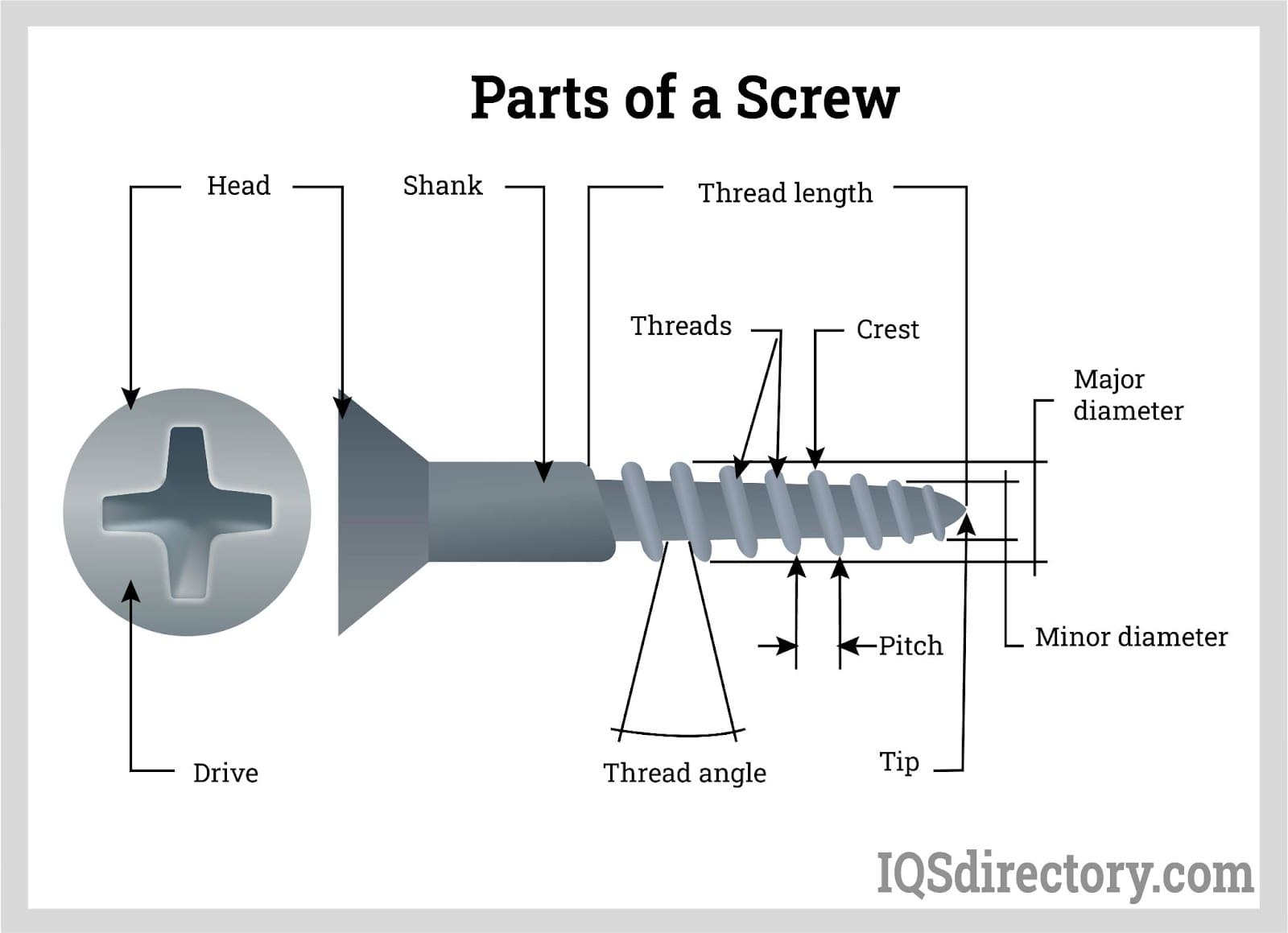
Screws are one of the most common fasteners. They have a threaded shaft that fits into materials. Wood screws, machine screws, and sheet metal screws serve different purposes. Some screws have flat heads, while others have rounded or pan heads. Each type fits a specific tool and application.
Bolts And Nuts
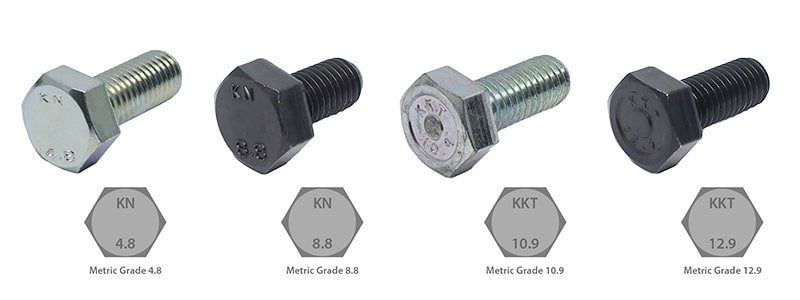
Bolts work with nuts to join parts firmly. A bolt passes through holes in materials and a nut tightens it. They create strong joints that can be undone if needed. Different bolt sizes and shapes suit various projects. Hex bolts and carriage bolts are popular types.
Rivets And Pins
Rivets join materials permanently by deforming the end. They are common in metalwork and construction. Pins hold parts in place without threads. Cotter pins and clevis pins are used for safety and alignment. Both rivets and pins provide secure fastening without screws or nuts.
Clips And Clamps
Clips hold parts quickly without tools. They fit into grooves or around edges. Clamps apply pressure to hold pieces while working or drying. Hose clamps and spring clips are common examples. These fasteners allow easy assembly and removal.
Anchors And Dowels
Anchors secure fasteners in materials like drywall or concrete. They expand to hold tightly inside holes. Dowels are wooden or metal rods that fit into matching holes. They align and strengthen joints in woodworking. Both offer strong support where screws alone may fail.
Choosing The Right Fastener
Choosing the right fastener is key to a strong and lasting hold. Fasteners come in many types, sizes, and materials. Picking the correct one ensures safety and durability. It also saves time and money by avoiding repairs or replacements later.
Understanding a few important points helps make the best choice. Focus on the materials involved, the load the fastener must bear, and the environment it will be used in. These factors guide you to the perfect fastener for your project.
Factors To Consider
Look at the size and type of the parts being joined. Consider the environment, such as moisture or heat. Think about how often the fastener will be removed or adjusted. These details affect the fastener’s performance and lifespan.
Material Compatibility
Choose a fastener made from a material that works well with the parts. Metals like steel, brass, or aluminum suit different uses. Avoid mixing metals that cause rust or corrosion. Matching materials prevent damage and keep the joint strong.
Load And Strength Requirements
Know the weight and pressure the fastener must hold. Heavy loads need stronger fasteners like bolts or lag screws. Light loads might only need nails or small screws. Using the right strength prevents failure and keeps everything secure.
Fastener Applications
Fasteners are essential parts used to join two or more objects together. They hold materials firmly in place to create strong and stable connections. Fasteners come in many shapes and sizes, designed for different jobs. Understanding their applications helps to see their importance in daily life and industry.
Fasteners appear in many fields and products. Each type fits specific needs based on strength, durability, and materials involved. Their applications range from building large structures to assembling small gadgets.
Construction Uses
Fasteners are critical in construction for joining wood, metal, and concrete. Nails, screws, and bolts secure walls, roofs, and floors. They keep buildings safe and stable. Fasteners also allow easy repairs and adjustments on site.
Automotive Fastening
Cars use many fasteners to hold parts together. Bolts and screws fix engines, doors, and seats. These fasteners must withstand heat, vibration, and movement. Proper fastening ensures vehicle safety and performance.
Electronics And Appliances
Small fasteners join parts inside electronics and appliances. Screws and clips connect circuit boards, panels, and batteries. They keep components secure while allowing easy access for repairs. Fasteners help maintain device reliability.
Furniture Assembly
Furniture uses fasteners to join wood or metal parts. Screws, dowels, and bolts create sturdy chairs, tables, and cabinets. Fasteners allow quick assembly and disassembly. They provide strength and keep furniture stable.
Installation Tips
Installing fasteners correctly is key to strong, lasting connections. Proper installation prevents damage and ensures safety. Follow these tips for best results.
Tools Needed
Choose the right tools for each fastener type. Common tools include screwdrivers, wrenches, pliers, and drills. Using proper tools helps avoid slipping or stripping fasteners. Keep tools clean and in good condition for smooth work.
Common Mistakes To Avoid
Do not overtighten fasteners. Too much force can break or damage them. Avoid mixing fastener types in one joint. This can weaken the connection. Always check for the correct size before installation. Using the wrong size causes poor fit and failure.
Maintenance And Inspection
Regularly check fasteners for looseness or rust. Tighten any loose fasteners carefully. Replace damaged or rusty fasteners immediately. Clean fasteners and surrounding areas to prevent buildup. Routine inspection extends the life of your project.
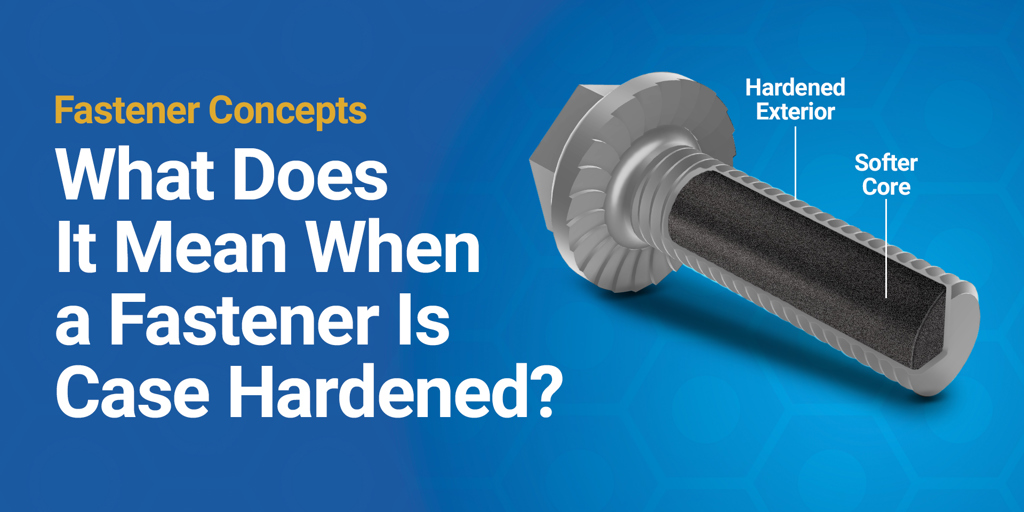
Credit: www.earnestmachine.com
Frequently Asked Questions
What Are Fasteners Used For In Construction?
Fasteners join two or more objects securely. They hold materials like wood, metal, or plastic together. Common types include screws, nails, bolts, and rivets. Fasteners ensure structural integrity and stability in buildings and other projects.
What Types Of Fasteners Exist?
Fasteners include screws, nails, bolts, nuts, washers, and rivets. Each type serves specific purposes based on material and strength requirements. Selection depends on the application, load, and environment.
How Do Fasteners Differ From Adhesives?
Fasteners mechanically join objects, providing strong, removable connections. Adhesives bond surfaces chemically and are often permanent. Fasteners allow easy disassembly, while adhesives offer seamless joints without holes.
Why Are Fasteners Important In Manufacturing?
Fasteners enable precise assembly of parts, ensuring product durability and safety. They simplify repairs and replacements. Proper fasteners improve efficiency and reduce production costs in manufacturing.
Conclusion
Fasteners hold things together in everyday life. They come in many shapes and sizes. Knowing their types helps in choosing the right one. Each fastener has a specific job to do. Using the correct fastener makes structures strong and safe.
Simple parts with big roles. Understanding fasteners helps in fixing and building tasks. Keep this knowledge handy for your projects.