Have you ever struggled with your bracelet slipping off or found it hard to put on? Knowing how to make a bracelet fastener can solve that problem easily.
Imagine creating a simple, secure clasp that fits your style perfectly and keeps your bracelet safe all day long. In this guide, you’ll discover step-by-step tips to craft your own fastener quickly and confidently. Keep reading to unlock the secret to making your bracelets both beautiful and functional!

Credit: jewelrymakingjournal.com
Materials Needed
Making a bracelet fastener requires a few basic materials. Choosing the right supplies helps your project come together smoothly. Each item has a role in securing your bracelet. Gather everything before starting to save time and effort.
Understanding the different types of fasteners and the tools needed makes the process easier. This guide covers the essentials clearly and simply.
Types Of Fasteners
Fasteners come in many styles. Common types include lobster clasps, toggle clasps, and magnetic clasps. Lobster clasps are small and secure. Toggle clasps are easy to use and stylish. Magnetic clasps snap closed quickly, perfect for those with limited dexterity. Select a fastener that matches your bracelet style and size.
Tools Required
Basic tools make attaching fasteners simple. You will need pliers, such as round-nose and flat-nose pliers. Wire cutters are essential for trimming excess wire or chain. A crimping tool helps secure beads and wires tightly. Keep all tools within reach for smooth assembly.
Choosing The Right Fastener
Choosing the right fastener is key to making a bracelet both secure and stylish. The fastener holds the bracelet in place. It needs to fit the design and feel comfortable to wear. Picking the best fastener helps your bracelet last longer and look great.
Consider Bracelet Style
The style of your bracelet guides the type of fastener you choose. Thin, delicate bracelets often use small clasps like lobster or spring ring types. Chunky or wide bracelets suit toggle or magnetic fasteners. The fastener should blend with the bracelet’s overall look. A mismatched fastener can make the bracelet look unfinished.
Match Materials
The material of your bracelet should match the fastener’s material. Metal bracelets work best with metal fasteners. Leather or fabric bracelets pair well with clasps designed for those materials. Matching materials keep the bracelet strong and avoid wear. Avoid mixing metals that may cause discoloration or skin irritation.
Preparing The Bracelet
Preparing the bracelet is a key step before adding the fastener. This step makes sure the bracelet fits well and stays strong. Careful preparation helps your bracelet look neat and last longer.
It also makes attaching the fastener easier and more secure. Let’s break down the main tasks in this stage.
Measuring Length
Measure your wrist to find the right bracelet length. Use a soft tape measure or a piece of string. Wrap it around your wrist comfortably, not too tight or loose. Mark the spot where the ends meet. Add about one inch for the fastener and movement. Cut the bracelet material to this total length.
Securing Ends
Secure the ends of your bracelet to stop fraying or unraveling. Fold or knot the ends if you use string or leather. Use glue or clear nail polish on fabric ends for extra hold. Attach end caps or crimps for metal or beaded bracelets. This step keeps your bracelet strong and tidy.
Step-by-step Fastener Making
Making a bracelet fastener is simple and fun. This part keeps the bracelet secure on your wrist. Follow these clear steps to add a strong fastener to your bracelet. You will learn how to attach clasps, use jump rings, and add hooks or lobster clasps. Each step helps your bracelet look professional and stay safe.
Attaching Clasps
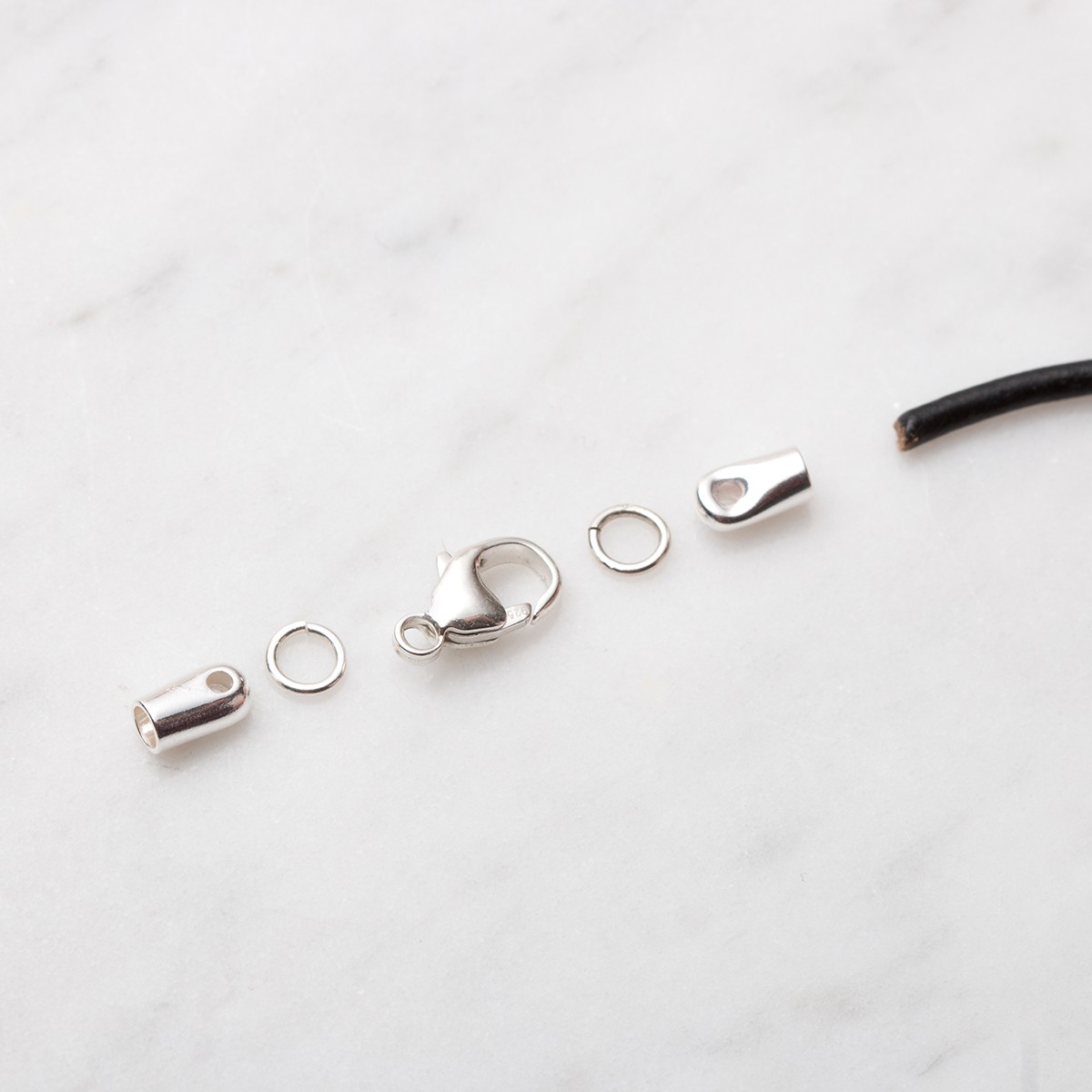
Start by choosing a clasp that fits your bracelet style. Use pliers to open the clasp’s loop gently. Slide the bracelet end loop into the clasp loop. Close the clasp loop tightly with pliers. Make sure it feels firm and does not open easily. This keeps the bracelet secure and easy to wear.
Using Jump Rings
Jump rings connect different parts of your bracelet. Use two jump rings for better strength. Open a jump ring by twisting it sideways with pliers. Attach it to the bracelet end or clasp. Close the jump ring by twisting it back tightly. Repeat with the second jump ring if needed. Jump rings add flexibility and make fasteners stronger.
Adding Hooks Or Lobster Clasps
Hooks and lobster clasps are popular fasteners. Choose one that matches your bracelet size. Open the clasp’s loop using pliers carefully. Attach it to the bracelet end or jump ring. Close the loop firmly to avoid falling off. Test the clasp by opening and closing it a few times. This ensures easy use and reliable hold for your bracelet.
Tips For Quick Assembly
Speed matters in making a bracelet fastener. Quick assembly saves time and reduces frustration. Simple habits can help you work faster and cleaner. Follow these tips to keep your process smooth and efficient.
Organizing Tools
Start by gathering all tools in one place. Use a tray or small box to hold pliers, cutters, and tweezers. Arrange them in the order you will use them. Keep your workspace clear and neat. This way, you find tools quickly and avoid searching.
Prepping Components
Sort the fastener parts by size and type. Lay them out on a flat surface. Check for any defects or damage before use. Measure cords or chains carefully to avoid mistakes. Prepare jump rings and clasps in advance. Ready components speed up the assembly process.

Credit: www.youtube.com
Troubleshooting Common Issues
Troubleshooting common issues with bracelet fasteners helps improve your jewelry’s look and function. Small problems can stop your bracelet from closing properly. Fixing these issues makes your bracelet safer to wear and lasts longer.
Loose Fasteners
Loose fasteners cause your bracelet to fall off easily. Check if the jump rings or loops are too wide. Use pliers to gently squeeze them tighter. Avoid squeezing too hard to prevent breaking the metal. If the clasp feels weak, replace it with a stronger one. Test the fastener by pulling lightly to see if it holds well.
Misaligned Clasps
Misaligned clasps make closing the bracelet hard. Look closely to see if the parts line up. Adjust the position by bending the clasp slightly with pliers. Make small movements to avoid damage. Ensure the hook fits into the ring smoothly. Try closing and opening several times to check the alignment.
Customizing Your Fastener
Customizing your bracelet fastener makes your jewelry unique and personal. It adds style and shows your creativity. Simple fasteners can become beautiful parts of your bracelet. Small changes make a big difference in how your bracelet looks and feels.
Decorative Elements
Decorative elements give your fastener a special touch. You can use beads, charms, or small metal shapes. These pieces make the fastener stand out and add beauty. Choose elements that match the theme of your bracelet. Tiny crystals or stones create a sparkling effect. Use textures like hammered metal for a rustic look. These little details make your bracelet more attractive and fun.
Color Coordination
Color coordination helps your fastener blend with the bracelet. Pick colors that match or contrast nicely. Matching colors create a smooth and elegant look. Contrasting colors make the fastener a focal point. Use paint, enamel, or colored thread to change the fastener’s color. Think about the bracelet’s main colors. Choose fastener colors that fit well and look balanced. This keeps your bracelet stylish and eye-catching.
Credit: www.kernowcraft.com
Frequently Asked Questions
What Materials Do I Need For A Bracelet Fastener?
You need jewelry wire, pliers, crimp beads, jump rings, and clasp. Choose materials based on your bracelet style and durability needs.
How Do I Attach A Fastener To A Bracelet?
Thread the wire through the clasp, add a crimp bead, and squeeze it with pliers. Trim excess wire for a clean finish.
Can I Make A Bracelet Fastener Without Special Tools?
Basic fasteners can be made using simple pliers and wire cutters. However, specialized pliers make the process easier and more secure.
What Types Of Fasteners Work Best For Bracelets?
Lobster clasps, toggle clasps, and magnetic clasps are popular. Choose based on ease of use, security, and bracelet design.
Conclusion
Making a bracelet fastener is easier than you think. A few simple steps can create a strong, stylish clasp. Practice a little, and your skills will improve fast. You can use different materials to match your bracelet style. This small detail makes your bracelet last longer and look better.
Try making your own fastener next time you craft. Enjoy the satisfaction of wearing something you made yourself. Keep experimenting and have fun with your jewelry projects.