When torquing fasteners, it is critical to get it just right. If you apply too little force, your connection might loosen or fail.
Apply too much, and you risk stripping threads or breaking bolts. You might think it’s a simple step, but the truth is, the way you torque fasteners can make or break the safety and durability of your project. You’ll discover the key reasons why precision matters and learn practical tips to ensure your fasteners hold strong every time.
Keep reading to avoid costly mistakes and make your work truly reliable.

Credit: www.enginelabs.com
Importance Of Accurate Torque
Accurate torque is very important when tightening fasteners. It ensures the right amount of force is applied. Too little torque can cause loose fasteners. Too much torque can damage the fastener or the parts it holds. Proper torque keeps everything safe and working well.
Impact On Fastener Performance
Correct torque helps fasteners hold parts firmly. It stops them from coming loose due to vibration or stress. Tightening fasteners properly improves the strength of the entire assembly. This reduces the chance of failure during use. It also helps maintain safety and reliability.
Preventing Damage And Failures
Over-tightening fasteners can strip threads or break bolts. Under-tightening can cause leaks or parts to separate. Both cases lead to costly repairs or accidents. Using the right torque protects fasteners and the equipment they hold. It extends the life of machinery and ensures smooth operation.

Credit: www.hotrod.com
Common Torque Measurement Methods
Measuring torque correctly is key to tightening fasteners safely and effectively. Different tools and methods exist to check torque values. Each method offers unique benefits for various tasks.
Choosing the right torque measurement method helps prevent damage and ensures strong connections. Understanding common tools makes it easier to select the best option for your needs.
Manual Torque Wrenches
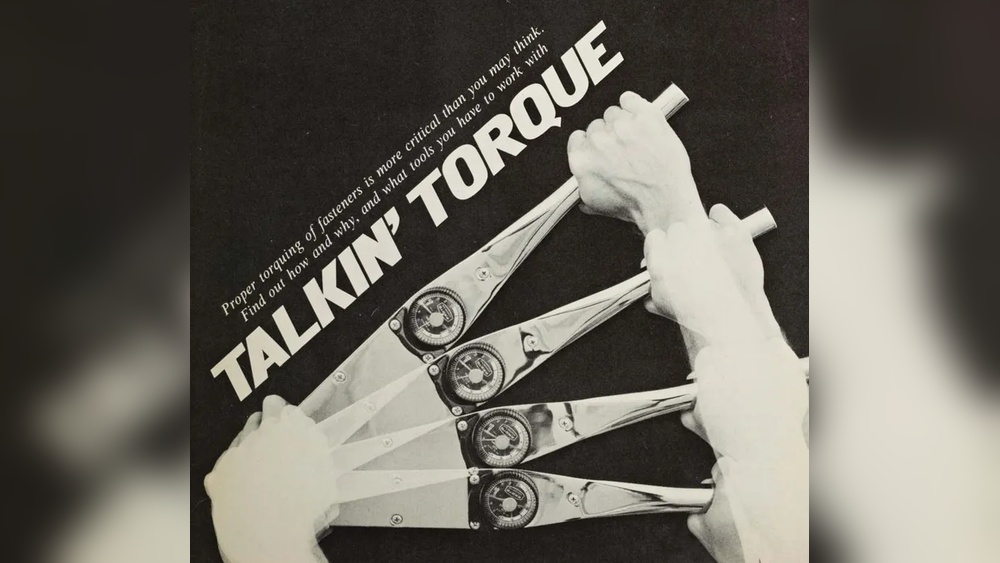
Manual torque wrenches are simple tools used widely in many industries. They allow users to apply a set torque by feeling a click or other signal. These wrenches come in several types, including beam and click models.
Manual wrenches need careful calibration and proper use to deliver accurate results. They are affordable and suitable for routine tasks where extreme precision is not critical.
Digital Torque Tools
Digital torque tools provide precise torque readings on a screen. They use sensors to measure the applied force and convert it into a digital value. These tools often include memory to record torque data for quality control.
Digital torque tools are easy to read and reduce human error. They work well in environments requiring consistent and accurate torque application.
Torque Sensors And Gauges
Torque sensors and gauges measure torque directly on fasteners or equipment. They use strain gauges or other sensing technologies to detect twisting force. These devices provide real-time feedback during tightening.
Torque sensors are ideal for automated systems and research settings. They offer high precision and help monitor torque continuously for safety and performance.
Factors Affecting Torque Accuracy
Torque accuracy is essential for fastening tasks. It ensures safety, durability, and performance. Several factors affect how accurately torque is applied. Understanding these helps avoid common fastening problems.
Fastener Material And Type
Different materials react differently to torque. Steel, aluminum, and plastic have unique strength and stretch properties. The fastener’s thread design also changes torque needs. Choosing the right type and material helps achieve precise torque.
Lubrication And Surface Conditions
Lubricated fasteners require less torque to tighten. Dry or rusty threads increase friction. This affects torque readings and can cause over-tightening. Clean and properly lubricated surfaces improve torque accuracy.
Tool Calibration And Maintenance
Torque tools must be calibrated regularly. Worn or damaged tools give wrong torque values. Proper maintenance keeps tools working correctly. Accurate tools deliver consistent torque every time.

Credit: www.mudgefasteners.com
Best Practices For Precise Tightening
Precise tightening of fasteners ensures safety and performance. Over-tightening or under-tightening can cause damage or failure. Following best practices helps achieve the correct torque every time. This section covers key steps for accurate and reliable tightening.
Step-by-step Tightening Procedures
Start by cleaning fastener threads and surfaces. This removes dirt and oil that affect torque accuracy. Insert the fastener by hand to avoid cross-threading. Use a calibrated torque wrench for tightening. Tighten in stages, gradually increasing torque to the target value. Follow a specific pattern, such as a star or crisscross, for even pressure. Stop tightening once the specified torque is reached.
Using Torque Specifications
Always refer to manufacturer torque specifications. These numbers ensure fastener strength and joint integrity. Never guess or use random torque values. Use tools set to the exact torque setting. Check torque specs for different conditions, like temperature or lubrication. Record torque values during assembly for quality control. Adjust torque if using different fastener materials or sizes.
Training And Skill Development
Proper training improves tightening accuracy and safety. Teach workers how to read torque wrenches and follow procedures. Practice on sample fasteners before real work. Update skills regularly to keep up with new tools and standards. Encourage asking questions to avoid mistakes. Skilled workers reduce the risk of fastener failure. Training builds confidence and ensures consistent results.
Consequences Of Improper Torque
Applying the correct torque to fasteners is vital for safe and reliable assembly. Incorrect torque can cause serious problems. These issues affect both the performance and safety of machines and structures.
Understanding the consequences of improper torque helps avoid costly repairs and accidents. Tightening fasteners too little or too much leads to different types of damage. Each mistake carries its own risks.
Loose Fasteners And Safety Risks
Fasteners that are too loose can come undone easily. This causes parts to move or separate unexpectedly. Machinery may fail during operation, risking injury or damage.
Loose fasteners reduce the stability of structures. Vibrations and shocks make the problem worse over time. Safety hazards increase, especially in vehicles and heavy equipment.
Over-tightening And Component Damage
Over-tightening fasteners applies too much pressure on parts. This can strip threads or break bolts entirely. Damaged components may need costly replacement or repair.
Excessive torque can also warp or crack materials. The overall strength of the assembly weakens. Over-tightening leads to premature wear and failure of equipment.
Technological Advances In Torque Control
Technological advances have improved how we control torque during fastener tightening. These improvements help ensure accuracy and consistency. They reduce errors caused by manual tightening. Technology makes the process faster and safer. It also helps maintain the quality of the joint.
Smart Torque Tools
Smart torque tools provide real-time feedback during tightening. They measure the exact torque applied to each fastener. These tools alert users if the torque goes beyond set limits. Some models connect to smartphones or computers. This allows easy tracking and recording of torque data. Smart tools help avoid under-tightening or over-tightening problems. They improve quality control and reduce rework.
Automated Tightening Systems
Automated tightening systems use robots or machines to tighten fasteners. They follow precise torque settings for each bolt or screw. These systems improve speed and repeatability. They reduce human error and physical strain on workers. Automated systems can work in harsh or hard-to-reach places. They provide consistent results and improve overall productivity. Data from these systems helps analyze and optimize assembly processes.
Frequently Asked Questions
Why Is Torquing Fasteners Critical For Safety?
Proper torquing ensures fasteners hold components securely. This prevents loosening and potential mechanical failure, enhancing safety and reliability.
How Does Correct Torque Prevent Fastener Damage?
Applying the right torque avoids over-tightening or under-tightening. This protects threads and fasteners from stripping or breaking during use.
What Tools Are Best For Accurate Torque Application?
Use calibrated torque wrenches or torque screwdrivers. These tools ensure consistent and precise torque, improving fastener performance and lifespan.
When Should Torque Values Be Rechecked On Fasteners?
Recheck torque after initial installation and periodic maintenance. This maintains joint integrity and prevents loosening due to vibration or thermal changes.
Conclusion
Proper torque ensures fasteners hold parts tightly and safely. It prevents damage from too much force or loose connections. Using the right tools and following torque specs is key. Check fasteners regularly to keep machines working well. Precision matters for safety and long-lasting results.
Always take time to torque fasteners correctly. Small care leads to big benefits.