Have you ever wondered what holds your furniture, gadgets, or even your car parts firmly together? The answer lies in something small but mighty: the fastener.
Understanding what a fastener is can change the way you see everyday objects and even help you make smarter choices for your projects. You’ll discover what fasteners are, why they matter, and how they play a crucial role in keeping things secure and reliable.
Stick with me, and you’ll gain insights that could save you time, money, and frustration in your next DIY or professional task.
Fastener Basics
Fasteners are small devices that hold objects together. They play a key role in construction, manufacturing, and everyday tasks. Understanding the basics helps you choose the right fastener for your needs.
Fasteners come in many shapes and sizes. Each type serves a specific purpose. Knowing the materials and uses can save time and effort.
Definition And Purpose
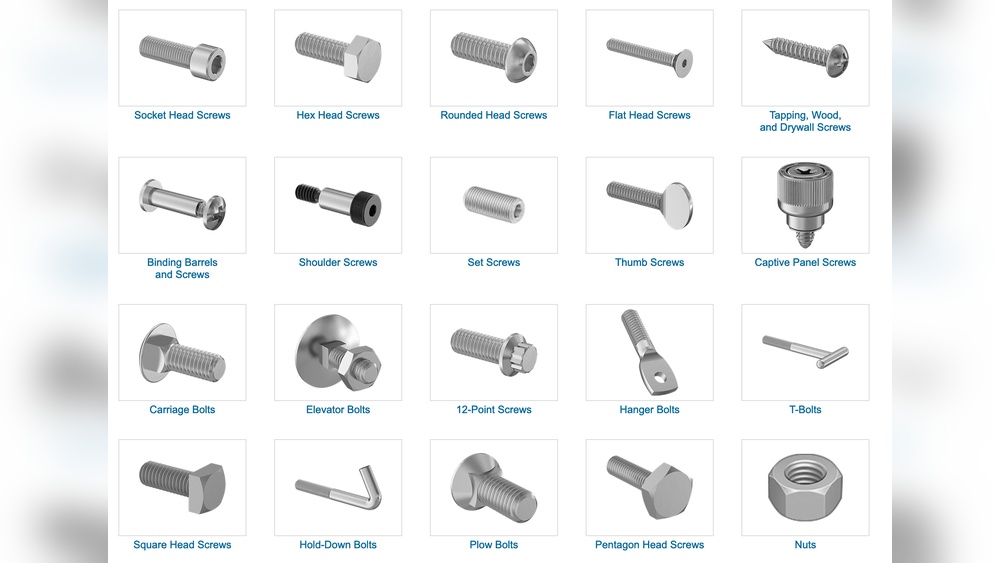
A fastener is a hardware device used to join two or more objects. It keeps parts connected securely. Common fasteners include screws, bolts, nails, and rivets. They make structures stable and strong. Fasteners allow easy assembly and disassembly. This helps in repairs and maintenance.
Common Materials
Fasteners are made from different materials based on use. Steel is the most common material. It offers strength and durability. Stainless steel resists rust and corrosion. Brass is used for decorative purposes and electrical work. Aluminum fasteners are lightweight and resist corrosion. Plastic fasteners are used for light loads and non-metal applications.

Credit: en.wikipedia.org
Types Of Fasteners
Fasteners are essential tools in construction and manufacturing. They hold parts together securely. Different tasks need different fasteners. Each type has unique features and uses.
Bolts And Screws
Bolts and screws join materials tightly. Bolts need nuts to stay firm. Screws cut their own threads in wood or metal. Both come in many sizes and shapes. They provide strong, reliable connections.
Nuts And Washers
Nuts fit on bolts to lock them in place. Washers sit under nuts or bolt heads. They spread the load and prevent damage. Washers also stop loosening from vibrations. Together, they improve fastening strength.
Rivets
Rivets create permanent joints. They are inserted into holes and then deformed. This holds parts tightly without screws or nuts. Rivets work well for metal sheets. They resist vibration and pull-out forces.
Clips And Clamps
Clips and clamps hold parts temporarily or semi-permanently. Clips snap into place quickly. Clamps apply pressure to secure objects. Both allow for easy removal and adjustment. They suit flexible or soft materials well.
Anchors
Anchors fix fasteners into walls or concrete. They expand or grip inside holes. Anchors hold screws firmly in weak materials. They prevent fasteners from pulling out. Ideal for heavy loads and safety.
Choosing The Right Fastener
Choosing the right fastener is key for a strong, lasting hold. The right fastener depends on the project and conditions. Consider the materials, the weight it must hold, and the environment. Each factor helps pick the best fastener for safety and durability.
Material Compatibility
Fasteners must match the materials they join. Metal fasteners work well with metal parts. Wood screws suit wooden pieces best. Using the wrong fastener can cause damage or weak joints. Check if the fastener reacts with the material. Avoid rust or corrosion by choosing compatible materials.
Load Requirements
Fasteners must handle the load they carry. Heavy loads need strong, thick fasteners. Light loads can use smaller, thinner fasteners. Consider both static and dynamic loads. Static loads stay constant, like furniture weight. Dynamic loads change, like moving parts. Pick a fastener that supports the load safely.
Environmental Factors
The environment affects fastener choice. Outdoor projects need rust-resistant fasteners. Stainless steel or coated fasteners resist moisture well. Indoor fasteners don’t need heavy protection. High temperatures or chemicals require special fasteners. Match the fastener to the conditions for long life.
Fastener Applications
Fasteners are essential in many industries. They hold parts together and provide strength. Different types of fasteners suit various tasks. Their use depends on the material and the required strength. Below are some common areas where fasteners play a key role.
Construction And Building
Fasteners secure beams, walls, and roofs. Nails, screws, and bolts join wood and metal parts. They ensure buildings stand firm against weather and time. Proper fasteners make structures safe and durable.
Automotive Industry
Cars rely on fasteners to hold parts tightly. Engines, doors, and seats all use bolts and screws. Fasteners help vehicles withstand vibrations and movement. They keep all components working well together.
Electronics
Small fasteners keep circuit boards and parts in place. Screws and clips are common in devices like phones and computers. They protect delicate components and allow easy repairs. Precision is key in electronic fasteners.
Furniture Assembly
Fasteners join wood, metal, and plastic in furniture. Screws and bolts provide stability and strength. They allow easy assembly and disassembly. Good fasteners make furniture last longer and stay sturdy.
Installation Techniques
Installing fasteners correctly ensures strong, long-lasting joints. The right techniques improve the strength and safety of any project. This section explains key steps to install fasteners properly.
Tools And Equipment
Select tools based on the fastener type and material. Common tools include screwdrivers, drills, wrenches, and hammers. Power tools speed up installation and provide consistent force. Always check tool condition before use to avoid damage.
Safety Tips
Wear protective gear like gloves and safety glasses. Work in a clean, well-lit area to avoid accidents. Secure materials firmly before fastening. Keep fingers clear of tools during operation. Follow manufacturer safety guidelines for each fastener and tool.
Common Mistakes To Avoid
Do not overtighten fasteners; this can damage materials. Avoid using wrong tools that slip or strip fasteners. Ensure holes are properly sized to prevent weak joints. Do not ignore alignment; misaligned fasteners reduce strength. Check fasteners for defects before installation.
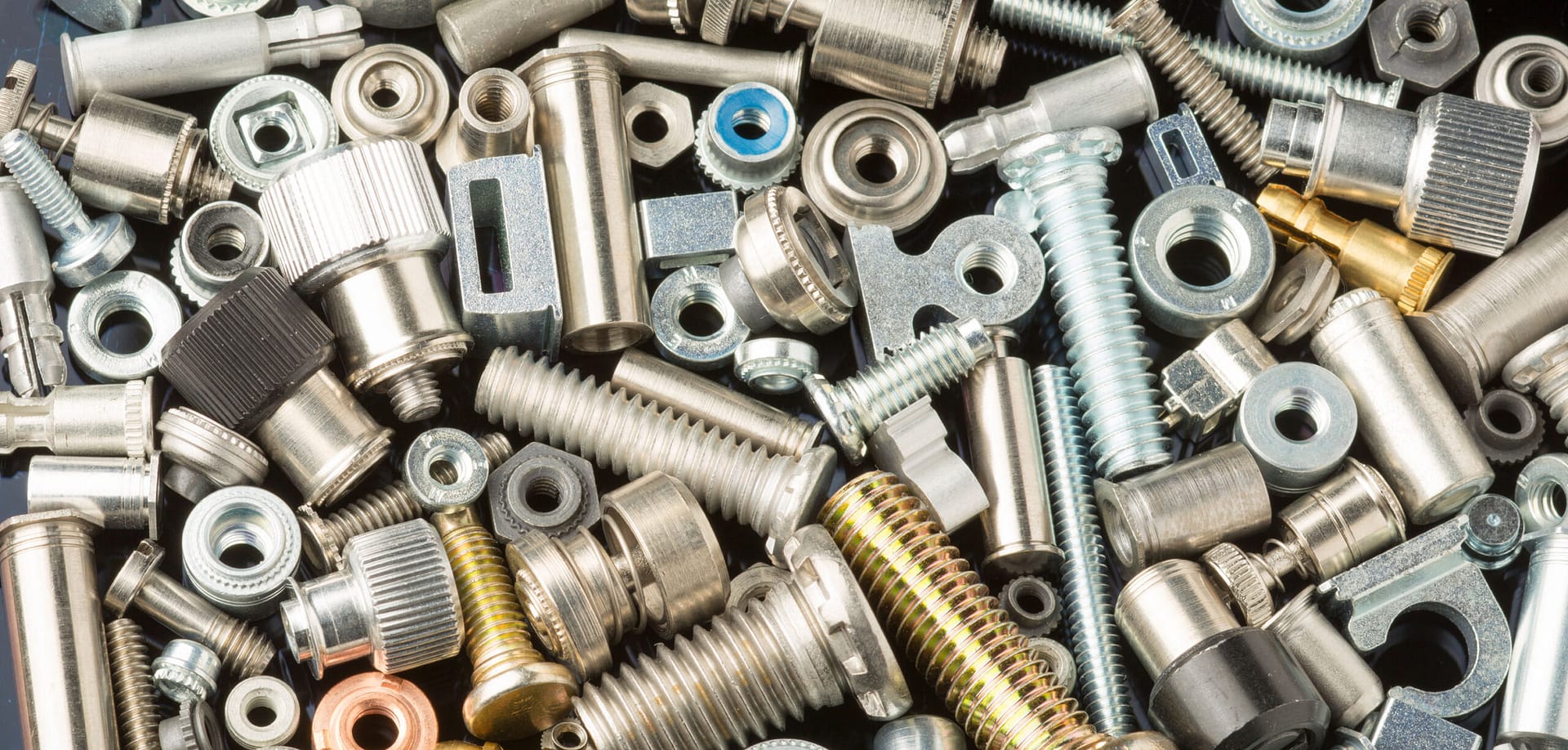
Credit: www.pemnet.com
Maintenance And Inspection
Maintenance and inspection are crucial for fasteners. They ensure safety and extend the life of the fastener. Regular checks help find problems before they become serious. Proper care keeps machines and structures strong.
Signs Of Wear And Damage
Look for cracks, rust, or corrosion on fasteners. Bent or stripped threads show damage too. Loose fasteners may indicate wear or poor fitting. Check for missing parts like washers or nuts. Any unusual movement or noise can signal trouble.
Replacement Guidelines
Replace fasteners showing visible damage immediately. Follow the manufacturer’s instructions for replacement intervals. Use the same type and size for replacement. Avoid reusing old fasteners in critical areas. Always tighten fasteners to the correct torque.
Preventive Measures
Keep fasteners clean and dry to prevent rust. Apply anti-corrosion coatings when needed. Use locking devices to stop loosening from vibration. Store fasteners in a dry, organized place. Schedule regular inspections as part of routine maintenance.

Credit: en.wikipedia.org
Frequently Asked Questions
What Is A Fastener Used For?
A fastener joins or secures two or more objects together. It ensures stability and strength in construction or manufacturing.
What Are Common Types Of Fasteners?
Common fasteners include screws, bolts, nuts, washers, nails, and rivets. Each type serves different joining purposes.
How Do Fasteners Differ From Adhesives?
Fasteners provide mechanical joining, allowing disassembly. Adhesives bond surfaces chemically and are usually permanent.
Why Are Fasteners Important In Construction?
Fasteners ensure structural integrity, safety, and durability. They hold components together under stress and load.
Conclusion
Fasteners hold things together in many ways. They come in different types and sizes. Choosing the right fastener helps keep items strong and safe. They are simple but very useful in daily life and work. Understanding fasteners makes building and fixing easier.
Small parts with big roles. Remember, fasteners help create and protect. They keep everything connected.