When you start any project, whether it’s fixing a loose cabinet or building something new, the right fasteners make all the difference. But do you really know the types of fasteners available and which one fits your needs best?
Choosing the wrong fastener can lead to weak joints, wasted time, and even safety risks. You’ll discover the most common types of fasteners, how they work, and why picking the right one matters for your success. Keep reading, and you’ll never have to guess which fastener to use again.

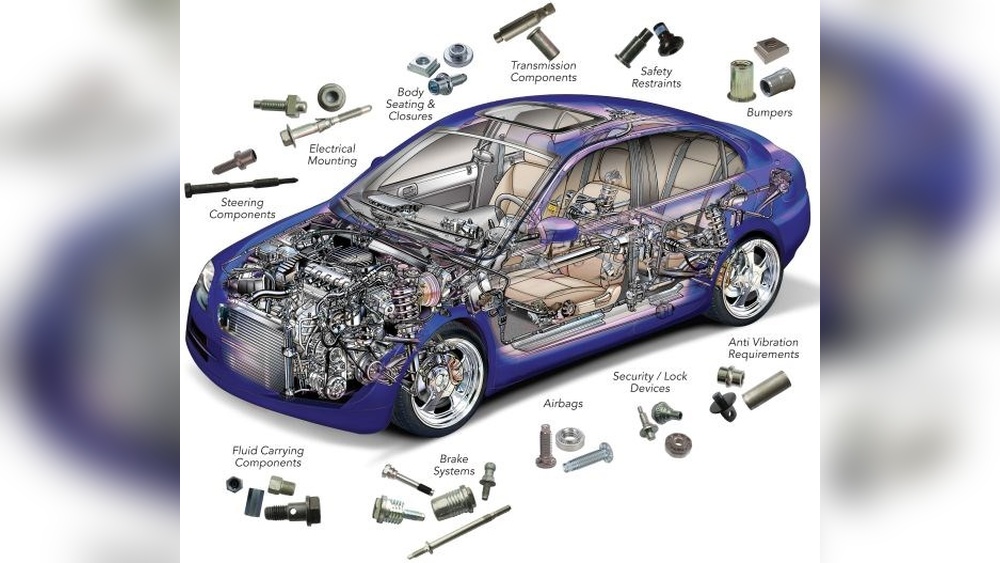
Credit: allpointsfasteners.com
Common Fastener Types
Fasteners hold materials together in many projects. They come in various types, each serving a special purpose. Knowing common fasteners helps in choosing the right one for the job. These fasteners include nails, screws, bolts, nuts, and washers.
Nails And Their Uses
Nails are simple, slender metal pins. They join wood or thin materials quickly. Nails work best for framing, carpentry, and small repairs. They hold pieces tightly but can be removed if needed. Common nail types include finishing nails, common nails, and brads.
Screws And Variations
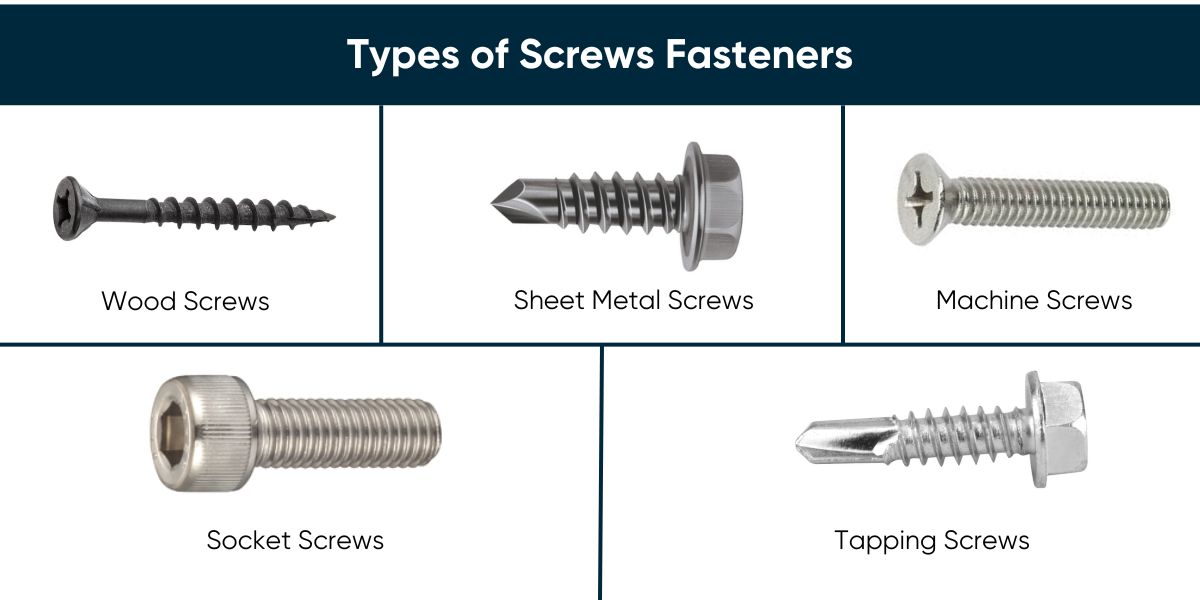
Screws have a threaded shaft for strong grip. They provide better holding power than nails. Screws come in many types like wood screws, machine screws, and drywall screws. Each type fits different materials and tools. Screws are easy to insert and remove with a screwdriver.
Bolts And Nuts
Bolts are strong fasteners with external threads. They work with nuts to clamp parts firmly. Bolts fit through holes, then nuts tighten on the other side. This pair is common in machinery and construction. Bolts and nuts create a secure and adjustable connection.
Washers And Their Roles
Washers are thin discs placed under nuts or bolt heads. They spread pressure evenly and protect surfaces. Washers prevent damage and loosening from vibration. Flat washers, lock washers, and fender washers are popular types. They improve fastener strength and durability.
Specialized Fasteners
Specialized fasteners serve unique purposes in construction and manufacturing. They provide solutions where standard fasteners cannot. These fasteners offer strength, security, and specific functions for various projects. Understanding these types helps you pick the right fastener for your needs.
Rivets For Permanent Joints
Rivets create strong, lasting connections between materials. They work by deforming the tail end after insertion. This deformation locks parts together firmly. Rivets are common in metalwork, aircraft, and bridges. They resist vibration and shear forces well. Once installed, rivets are difficult to remove.
Clips And Clamps
Clips and clamps hold parts without drilling holes. They provide quick and easy fastening solutions. Clips often snap into place and hold light objects. Clamps grip materials tightly during assembly or repair. Both are reusable and adjustable for different sizes. They prevent damage by avoiding permanent holes.
Anchors For Masonry
Anchors secure fasteners into concrete, brick, and stone. They expand inside the hole to grip tightly. Anchors support heavy loads on walls or floors. Common types include wedge, sleeve, and drop-in anchors. They are essential for safe mounting in masonry. Proper anchor selection ensures strong, stable fixtures.
Pins And Cotter Pins
Pins align or fasten parts temporarily or permanently. Cotter pins hold bolts or shafts in place. They pass through holes and bend to lock securely. Pins are easy to install and remove. They prevent parts from sliding or loosening. These fasteners are common in machinery and automotive uses.
Materials Used In Fasteners
Fasteners come in many materials, each suited for different jobs. Choosing the right material affects strength, durability, and resistance to weather or chemicals. Understanding common materials helps you pick the best fastener for your project.
Steel And Stainless Steel
Steel is the most common fastener material. It offers high strength and lasts long. Stainless steel resists rust and corrosion better than regular steel. It works well outdoors and in wet places. Both types suit many uses, from construction to machinery.
Brass And Copper
Brass and copper fasteners resist corrosion very well. They do not rust, making them perfect for marine and electrical work. Brass is strong but softer than steel. Copper fasteners conduct electricity and resist heat. Both add a decorative touch too.
Plastic Fasteners
Plastic fasteners are lightweight and resist chemicals well. They do not conduct electricity or rust. Plastic works best for light-duty jobs or where metal could cause damage. These fasteners come in many shapes and colors. They are common in electronics and household items.
Coatings And Finishes
Coatings protect fasteners from rust and wear. Zinc plating is common and prevents corrosion. Black oxide adds mild rust protection and a sleek look. Some fasteners have special coatings for heat or chemical resistance. Coatings extend fastener life and improve performance.
Choosing The Right Fastener
Choosing the right fastener is key for any project. It affects the strength and durability of your work. Using the wrong fastener can cause damage or failure. Understanding the options helps you pick the best fit.
Factors To Consider
Think about the project type and environment. Is it indoors or outdoors? Will the fastener face heat or moisture? Consider size and shape needs. Also, check if you need a removable or permanent fix.
Matching Fastener To Material
Different materials need different fasteners. Wood requires screws or nails made for wood. Metal needs bolts or rivets that hold tight. Plastic may need special fasteners that won’t crack it. Match the fastener to the material for a strong hold.
Load And Strength Requirements
Know how much weight the fastener must hold. Light loads need smaller screws or nails. Heavy loads need strong bolts or anchors. Check the fastener’s strength rating. Choose one that can handle the stress safely.
Corrosion Resistance Needs
Fasteners may face water, salt, or chemicals. These can cause rust or damage. Use stainless steel or coated fasteners to resist corrosion. This keeps your project safe and long-lasting.
Tools For Fastener Installation
Fasteners need the right tools for proper installation. Choosing the right tool ensures strong and secure connections. Tools vary depending on the type of fastener and the job size.
Knowing which tool to use helps save time and effort. Tools can be manual, powered, or specialty equipment designed for specific fasteners.
Hand Tools
Hand tools are the simplest way to install fasteners. Common examples include screwdrivers, wrenches, and pliers. These tools give good control for small or delicate jobs. They work well for basic tasks and are easy to carry. Hand tools require no power source and can be used anywhere.
Power Tools
Power tools speed up fastener installation. Drills and impact drivers are popular choices. These tools use electricity or batteries to work quickly. Power tools reduce manual effort and increase efficiency. They are ideal for larger projects or hard materials. Always pick the right bit or socket for the fastener.
Specialty Equipment
Some fasteners need special tools to install correctly. Rivet guns, torque wrenches, and nail guns fit this category. Specialty equipment ensures precise fastening and proper tension. These tools improve safety and reduce mistakes. They are often used in construction and manufacturing.
Maintenance Tips
Keep tools clean and dry to prevent rust. Regularly check for wear and damage. Sharpen or replace bits and blades as needed. Store tools in a safe, organized place. Proper maintenance extends tool life and keeps work safe.

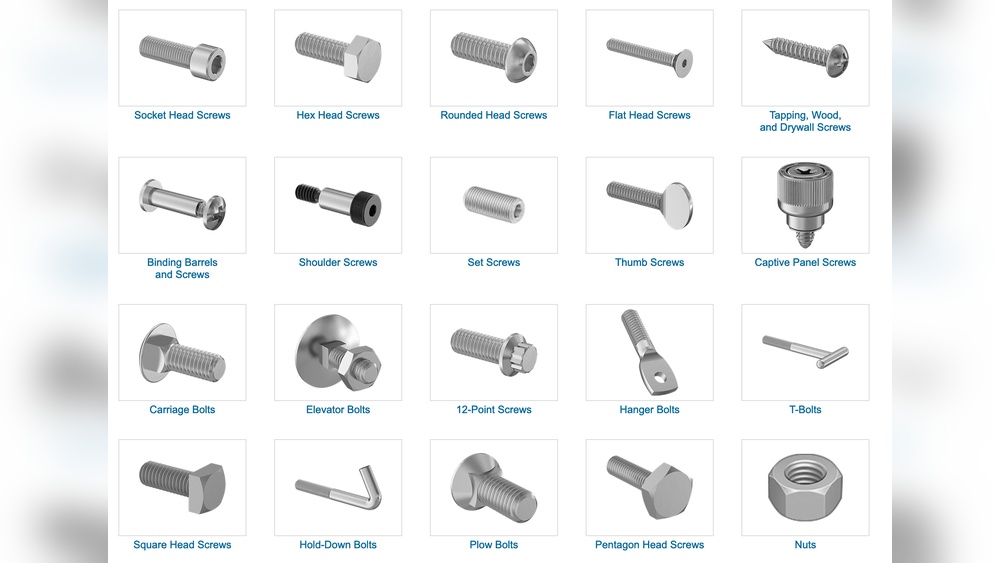
Credit: wizforteeth.com
Fastener Maintenance And Safety
Fastener maintenance and safety are essential for strong and secure connections. Proper care keeps structures safe and prevents accidents. Regular checks and good habits extend fastener life and ensure they work well.
Inspection Techniques
Check fasteners often for signs of wear or damage. Look for rust, cracks, or bending. Use a flashlight to see hidden spots. Tighten any loose fasteners immediately. Keep a record of inspections for future checks.
Preventing Loosening
Use thread-locking compounds to keep fasteners tight. Apply washers to spread pressure evenly. Avoid over-tightening, which can weaken fasteners. Choose fasteners with locking features for extra security. Regularly re-check tightness, especially in vibrating machines.
Safe Handling Practices
Wear gloves and eye protection when handling fasteners. Use the right tools for each fastener type. Avoid dropping fasteners to prevent damage or loss. Store fasteners in labeled containers to keep them organized. Keep the workspace clean to avoid accidents.
Replacing Old Fasteners
Replace fasteners that show rust or damage. Use the same size and type for replacements. Never reuse fasteners designed for single use. Dispose of old fasteners properly to avoid hazards. Test new fasteners to ensure they fit well and hold tight.
Credit: bhansalitechno.com
Frequently Asked Questions
What Are The Common Types Of Fasteners Used?
Common fasteners include screws, bolts, nuts, washers, rivets, and nails. Each serves unique purposes in joining materials securely.
How Do Screws Differ From Bolts In Fastening?
Screws typically thread directly into materials, while bolts require nuts for fastening. Screws are often used for lighter, precise holds.
What Are The Advantages Of Using Rivets As Fasteners?
Rivets provide permanent, strong joints ideal for metalwork. They resist vibration and are commonly used in aircraft and construction.
When Should Washers Be Used With Fasteners?
Washers distribute load, prevent damage, and reduce loosening. They are essential when fastening soft materials or in high-vibration environments.
Conclusion
Fasteners play a key role in many projects and repairs. Different types serve different needs. Screws, bolts, nails, and rivets are common examples. Choosing the right fastener ensures strong and lasting connections. Remember to consider material, size, and purpose. Understanding these basics helps you work smarter and safer.
Keep these points in mind for your next build or fix. Simple tools and the right fastener go a long way.