Are you tired of struggling with loose or missing license plate fasteners? Putting them on correctly might seem simple, but a small mistake can lead to frustration and even fines.
In this guide, you’ll learn exactly how to put on license plate fasteners quickly and securely. With easy steps and helpful tips, you’ll save time and keep your plate firmly in place. Keep reading to make sure your license plate stays put, no matter where the road takes you.

Credit: www.youtube.com
Tools Needed
Putting on license plate fasteners is simple with the right tools. Having these tools ready saves time and avoids frustration. You do not need many items to complete this task.
Phillips Head Screwdriver
A Phillips head screwdriver fits most license plate screws. It provides good grip and control. Choose one with a comfortable handle for easy use.
Flat Head Screwdriver
A flat head screwdriver helps with some types of fasteners. It can pry off old fasteners or adjust parts gently. Keep one nearby for flexibility.
Socket Wrench
Some license plates use bolts instead of screws. A socket wrench removes these bolts quickly. Match the socket size to the bolt for a tight fit.
Plastic Fastener Remover
This tool removes plastic clips without damage. It is useful for vehicles using plastic fasteners. The curved tip slides under clips easily.
Gloves
Gloves protect your hands from sharp edges. They also improve grip on small tools. Use lightweight gloves for comfort and safety.
Types Of Fasteners
License plate fasteners hold your plate securely on your vehicle. Different types suit various needs and tools. Choosing the right fastener makes installation easier and keeps your plate safe.
Screw Fasteners
Screw fasteners are the most common choice. They use simple screws to attach the plate. Screws fit into existing holes on your car. Tightening them with a screwdriver keeps the plate firm. They are strong and easy to replace if needed.
Push-in Clips
Push-in clips snap into holes without tools. They are quick to install and remove. These clips work best on plastic or soft metal frames. They hold the plate tightly but may not be as strong as screws. Ideal for temporary or quick fixes.
Bolt And Nut Sets
Bolt and nut sets provide extra security. The bolt goes through the plate and car frame. The nut tightens on the other side to hold everything firmly. These fasteners need tools like wrenches for installation. They are very durable and resist loosening over time.
Preparing The Plate And Mount
Preparing the plate and mount is the first step to attach license plate fasteners correctly. This step ensures the plate fits well and stays secure. It also helps prevent damage to the car and plate.
Focus on cleaning the surface and aligning the plate. These tasks make the fastening process smooth and effective. A clean and aligned plate looks neat and stays in place longer.
Cleaning The Surface
Start by wiping the area where the plate will go. Use a damp cloth to remove dirt and dust. Dirt can stop the fasteners from holding well. Dry the surface completely with a clean cloth. A clean surface helps the fasteners grip the mount firmly.
Aligning The Plate
Place the plate on the mount to check its position. Make sure the holes on the plate match the holes on the mount. Hold the plate steady and adjust it until it fits perfectly. Proper alignment stops the plate from wobbling or falling off. Double-check the position before adding fasteners.

Credit: www.youtube.com
Step-by-step Fastener Installation
Installing license plate fasteners is a simple task anyone can do. Follow these easy steps to secure your plate firmly. This guide covers three common fastener types for a quick and safe installation.
Installing Screw Fasteners
Start by aligning the license plate with the holes on the car. Place the screw through the plate and into the hole. Use a screwdriver to turn the screw clockwise. Tighten until the plate feels secure but avoid over-tightening. This prevents damage to the plate or car.
Attaching Push-in Clips
First, match the clip size with the hole on your car. Push the clip through the license plate hole and then into the car’s mounting hole. Press firmly until you hear a click or feel it lock in place. Check the plate to ensure it is firmly attached and does not move.
Securing Bolt And Nut Sets
Align the license plate holes with the car’s mounting points. Insert the bolt through the plate and car hole. Thread the nut onto the bolt from behind the mounting surface. Hold the bolt steady with a wrench while tightening the nut with another tool. Tighten until the plate is secure without forcing it.
Tips For A Secure Fit
Securing license plate fasteners properly keeps your plate safe and stable. A strong fit stops the plate from rattling or falling off. Simple steps can make a big difference. Pay close attention to how tight and stable your fasteners are.
Avoiding Over-tightening
Turn the fastener gently until it feels snug. Tightening too much can crack the plate or strip the screws. Use just enough force to hold the plate firmly in place. Stop tightening as soon as the plate stops moving. Over-tightening causes damage and weakens the hold.
Checking Fastener Stability
After fastening, shake the plate lightly to test stability. The plate should not move or wiggle. If it does, tighten the fasteners a little more. Check all fasteners one last time before finishing. A stable plate stays secure on rough roads and in bad weather.
Common Mistakes To Avoid
Putting on license plate fasteners seems simple but mistakes happen often. These errors can cause the plate to fall off or damage your car. Avoiding common mistakes saves time and keeps your license plate secure.
Careful steps matter for a strong and safe fit. Watch out for these common pitfalls.
Using Wrong Fastener Size
Fasteners come in different sizes. Using the wrong size can loosen the plate or scratch it. Always check the size before starting. Fit the fastener snugly but not too tight.
Overtightening Fasteners
Tightening too much can crack the plate or strip the screw threads. Tighten just enough to hold the plate firmly. Stop turning once it feels secure.
Ignoring Rust Or Dirt
Rusty or dirty holes make fasteners weak. Clean the area before attaching the plate. Use a cloth or brush to remove dirt and rust.
Using Fasteners Not Meant For Plates
Regular screws or nails may look similar but lack proper grip. Use fasteners designed for license plates. These fit better and last longer.
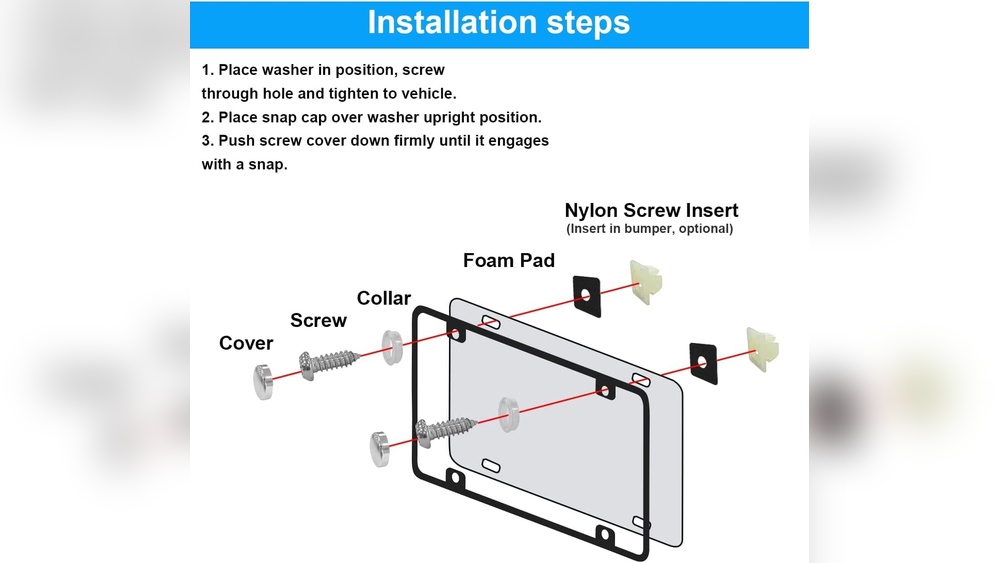
Skipping The Use Of Washers
Washers distribute pressure and protect the plate. Without washers, fasteners can damage the plate. Always place washers under the fastener heads.
Maintenance And Removal
Proper maintenance and removal of license plate fasteners keep your plates secure and your vehicle looking neat. Regular care prevents rust and damage. Removing fasteners carefully avoids scratches and broken parts.
Regular Inspection
Check fasteners often for rust or looseness. Tighten any loose screws to keep plates stable. Look for cracks or worn parts that need replacing. Clean fasteners with mild soap and water to prevent buildup. Dry them well to stop rust from forming.
Safe Removal Techniques
Use the right screwdriver to avoid stripping fasteners. Turn screws slowly and steadily to loosen them. If a fastener is stuck, apply a little lubricant and wait. Avoid using force, which can damage the plate or car. Keep removed fasteners safe to reuse or replace later.

Credit: www.amazon.sa
Frequently Asked Questions
What Tools Do I Need For License Plate Fasteners?
You need a screwdriver or drill, the correct fasteners, and a level. These tools help secure and align your license plate properly.
How Do I Prevent License Plate Fasteners From Rusting?
Use stainless steel or coated fasteners to avoid rust. Applying anti-rust spray also extends their lifespan and keeps them secure.
Can I Use Universal Fasteners For All License Plates?
Universal fasteners fit most plates but check size compatibility first. Using the right size ensures a tight, secure fit without damage.
How Tight Should License Plate Fasteners Be?
Fasteners should be snug but not over-tightened. Over-tightening can crack the plate or strip the screw holes, causing damage.
Conclusion
Putting on license plate fasteners is simple and quick. Choose the right fasteners for your car’s plate. Align the plate carefully before securing it tightly. Avoid over-tightening to prevent damage. Check the fasteners regularly to keep the plate secure. Small steps like these save time and effort.
You can do this yourself without extra help. Keep your license plate safe and steady on the road.