Have you ever come across the phrase “close all fasteners” and wondered what it really means? Whether you’re working on a DIY project, assembling furniture, or handling machinery, understanding this simple instruction can save you time and prevent costly mistakes.
Knowing exactly how to close all fasteners properly ensures your work is safe, secure, and built to last. Keep reading to uncover what this term means and how it can make a big difference in your next project.
Credit: www.coats.com
Close All Fasteners Meaning
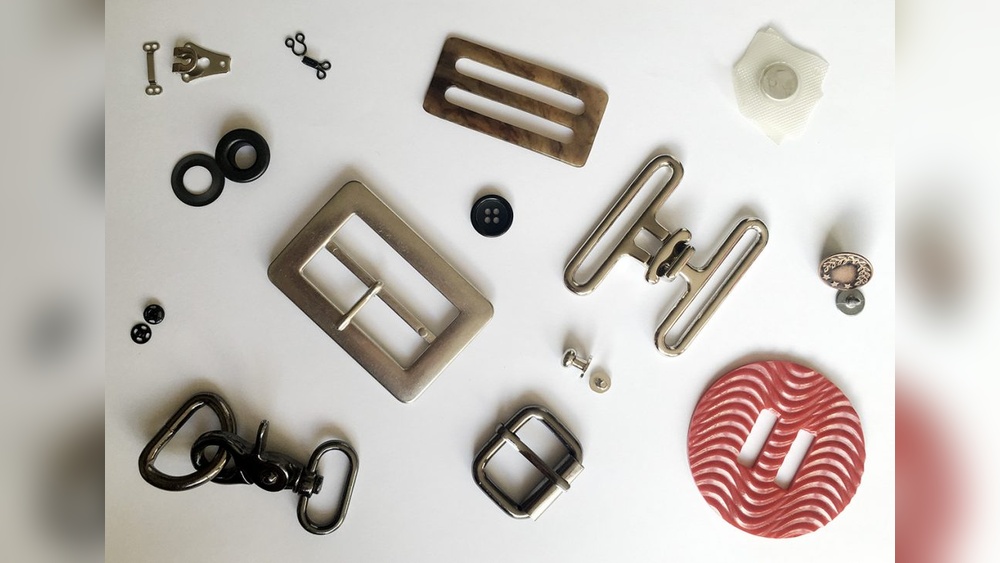
The phrase “Close All Fasteners” appears in many instructions and manuals. It tells you to make sure every fastener is secure. Fasteners include screws, bolts, zippers, buttons, or any item that holds things together. Understanding this phrase helps in following directions clearly and safely.
Definition Of Close All Fasteners
“Close All Fasteners” means to tighten or secure all the items that hold parts together. It ensures nothing is left loose or open. This action prevents parts from falling apart or moving unexpectedly. It is a simple but important step in many tasks.
Common Contexts For The Term
This phrase often appears in clothing care instructions, like zippers or buttons. It also shows up in equipment assembly guides. Machines, furniture, and bags require all fasteners to be closed for safety. Closing all fasteners avoids damage and keeps things working properly.
Types Of Fasteners
Fasteners hold objects together securely. They come in many types, each serving a unique purpose. Understanding these types helps in choosing the right one for your task. Here are the main types of fasteners commonly used.
Screws And Bolts
Screws and bolts are strong and reliable. Screws have sharp threads that dig into materials. Bolts need a nut to hold parts tightly. Both create firm joints that resist loosening.
Nuts And Washers
Nuts and washers work together with bolts. Nuts twist onto bolts to lock parts in place. Washers sit under nuts or bolt heads. They spread pressure and protect surfaces from damage.
Clips And Clamps
Clips and clamps fasten without threading. Clips snap onto edges or holes. Clamps apply pressure to hold items tightly. Both are easy to install and remove quickly.
Why Closing Fasteners Matters
Closing all fasteners is more than a simple step in any project. It ensures that parts stay connected and function as planned. Failing to close fasteners properly can lead to problems that affect safety, strength, and durability.
Properly closed fasteners hold everything firmly. This keeps structures stable and prevents accidents. The importance of this step cannot be ignored in any assembly or repair work.
Safety Considerations
Fasteners that are not closed tightly can loosen over time. Loose fasteners can cause parts to fall or break. This creates a safety risk for anyone nearby. Closing fasteners securely reduces the chance of accidents.
Structural Integrity
Closed fasteners keep parts aligned and strong. Loose fasteners weaken the whole structure. This can lead to failures under stress or load. Tight fasteners maintain the design strength and stability.
Preventing Damage
Vibrations and movement can damage loose parts. Closed fasteners prevent parts from rubbing or hitting each other. This reduces wear and tear. It helps extend the life of the object or structure.

Credit: www.gluegun.com
Methods To Close Fasteners
Closing fasteners is essential to keep parts secure and stable. Different methods exist to close fasteners effectively. Each method suits specific tasks and tools. Choosing the right approach ensures safety and durability.
Manual Tightening Techniques
Manual tightening uses hand tools like screwdrivers and wrenches. This method works well for small jobs and delicate parts. It offers control over the force applied. Simple and cost-effective, it suits most household repairs.
Using Power Tools
Power tools speed up the closing process. Electric screwdrivers and impact drivers deliver consistent force quickly. They reduce effort and save time, especially on large projects. Care is needed to avoid over-tightening or damaging parts.
Torque Specifications
Torque specifications guide how tight fasteners should be. Using a torque wrench ensures the right amount of force. Too tight may cause damage; too loose can lead to failure. Following specs keeps assemblies safe and reliable.
Common Mistakes To Avoid
Understanding what “close all fasteners” means is important. Many people make mistakes that cause problems later. These errors can lead to damage or unsafe conditions. Avoiding common mistakes helps keep everything secure and working well.
Over-tightening Risks
Fasteners need the right amount of tightness. Too much pressure can break threads or parts. Over-tightening may also cause fasteners to snap or strip. This can make repairs harder and more costly. Use a torque wrench if possible. It helps apply the correct force.
Ignoring Manufacturer Guidelines
Every product has specific instructions. These guidelines tell how tight fasteners should be. Ignoring them can weaken the structure. It can also void warranties or cause safety issues. Always read and follow the manual carefully. This keeps the assembly safe and reliable.
Skipping Inspection
Checking fasteners after closing is vital. Skipping this step risks missing loose or damaged parts. Regular inspection catches problems early. It prevents failures and keeps things secure. Make it a habit to inspect fasteners before use.

Credit: www.asce.org
Tools For Closing Fasteners
Closing fasteners is a common task in many projects. It means tightening screws, bolts, or nuts until they hold parts firmly together. Using the right tools makes this job easier and safer. Different tools suit different fasteners and tasks.
Wrenches And Spanners
Wrenches and spanners are basic tools for closing fasteners. They fit around nuts and bolts to turn them. These tools come in many sizes to match various fastener heads. Open-end wrenches grip two sides, while box-end wrenches surround the fastener fully. Adjustable wrenches can fit multiple sizes. These tools give good control and can tighten fasteners by hand.
Torque Wrenches
Torque wrenches help close fasteners with exact force. They measure how tight you turn the fastener. This prevents over-tightening or under-tightening, which can cause damage or loosening. Torque wrenches have a scale or click sound to show the set torque. These tools are important in mechanical and automotive work. They ensure fasteners hold parts safely and correctly.
Power Drivers
Power drivers speed up closing fasteners. They use batteries or electricity to turn screws and bolts fast. These tools reduce hand effort and save time. Power drivers come with different bits to fit many fastener types. They often have adjustable speed and torque settings. Power drivers are useful for construction, repairs, and assembly jobs.
Applications In Different Industries
The phrase “close all fasteners” means tightening or securing all screws, bolts, or clips. This action ensures that parts stay together safely. Many industries rely on this process to maintain strong and safe connections. Each industry uses it in different ways based on their needs.
Automotive Industry
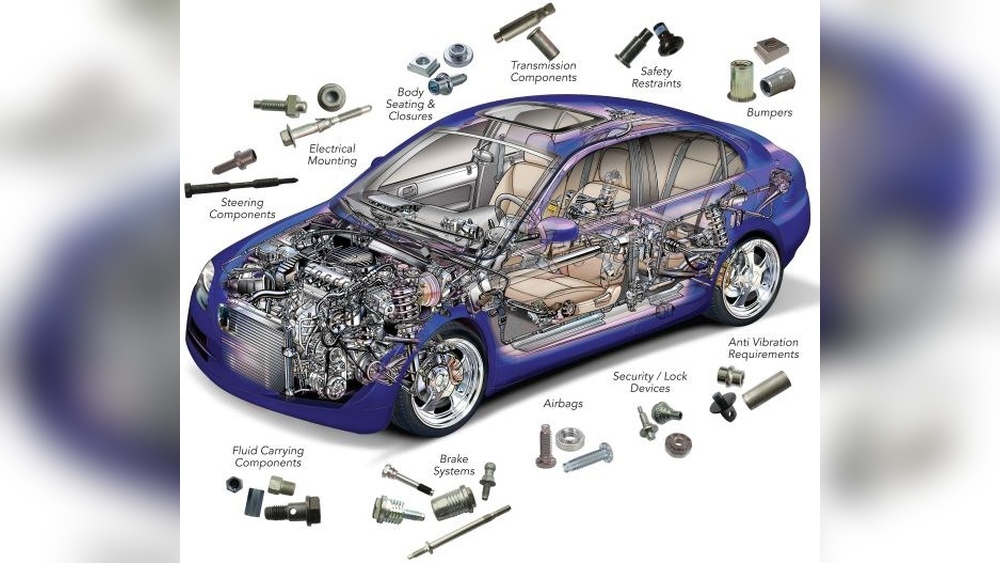
In the automotive industry, closing all fasteners is critical for vehicle safety. Every bolt and screw in the engine and chassis must be secure. Loose fasteners can cause parts to fall off or malfunction. Mechanics follow strict guidelines to tighten all fasteners to the right level. This process helps avoid accidents and keeps the car running smoothly.
Construction Sector
The construction sector depends on close all fasteners for building stability. Workers must secure bolts and screws in steel beams and wood frames. Properly closed fasteners prevent structures from collapsing. This step ensures buildings can handle heavy loads and weather conditions. Inspectors check that all fasteners are tight before approving the work.
Aerospace And Aviation
Aerospace and aviation require precise closing of all fasteners. Planes face extreme forces during flight. Loose fasteners can cause serious safety risks. Engineers use special tools to tighten every fastener to exact specifications. Regular checks keep the aircraft safe for passengers and crew. This careful process supports the high safety standards of the industry.
Maintenance And Inspection
Maintenance and inspection are key to keeping fasteners secure and safe. Regularly checking fasteners helps prevent accidents and machine failures. It ensures all parts stay tightly connected and work smoothly. Understanding how to maintain and inspect fasteners saves time and cost on repairs.
Regular Checks
Check fasteners often. Set a schedule for inspections based on usage and environment. Use a flashlight to see hidden bolts or screws clearly. Focus on areas with vibration or heavy use. Note any fasteners that look worn or damaged.
Signs Of Loosened Fasteners
Look for gaps between parts or movement when touched. Listen for rattling sounds during operation. Notice any unusual vibrations or noises. Check if fastener heads are stripped or damaged. These signs show fasteners need attention.
Re-tightening Procedures
Use the correct tool for each fastener type. Follow the manufacturer’s torque specifications. Tighten fasteners evenly and gradually. Avoid over-tightening to prevent damage. Double-check all fasteners after re-tightening to ensure security.
Frequently Asked Questions
What Does “close All Fasteners” Mean In Construction?
“Close All Fasteners” means tightening all screws, bolts, or nails fully. It ensures structural integrity and safety in projects. This step prevents loosening over time and maintains the strength of assembled components.
Why Is Closing All Fasteners Important?
Closing all fasteners is crucial for stability and durability. It prevents parts from shifting or coming apart under stress. Properly closed fasteners increase safety and extend the lifespan of the structure or machinery.
How Do You Properly Close All Fasteners?
Properly closing fasteners involves tightening them to the recommended torque. Use appropriate tools like a wrench or screwdriver. Avoid over-tightening to prevent damage, and ensure each fastener is secure and flush with the surface.
When Should You Close All Fasteners During Assembly?
Fasteners should be closed after aligning all parts correctly. This ensures proper fit and function. Closing fasteners too early can cause misalignment, while delaying it can lead to instability during assembly.
Conclusion
Closing all fasteners means tightening every bolt and screw fully. This step ensures safety and stability in any project. Skipping this can cause parts to loosen or fail. Always check each fastener carefully before finishing your work. Doing so saves time and prevents accidents later.
Simple but important. Understanding this term helps in many DIY and professional tasks. Keep your work strong by closing all fasteners properly.