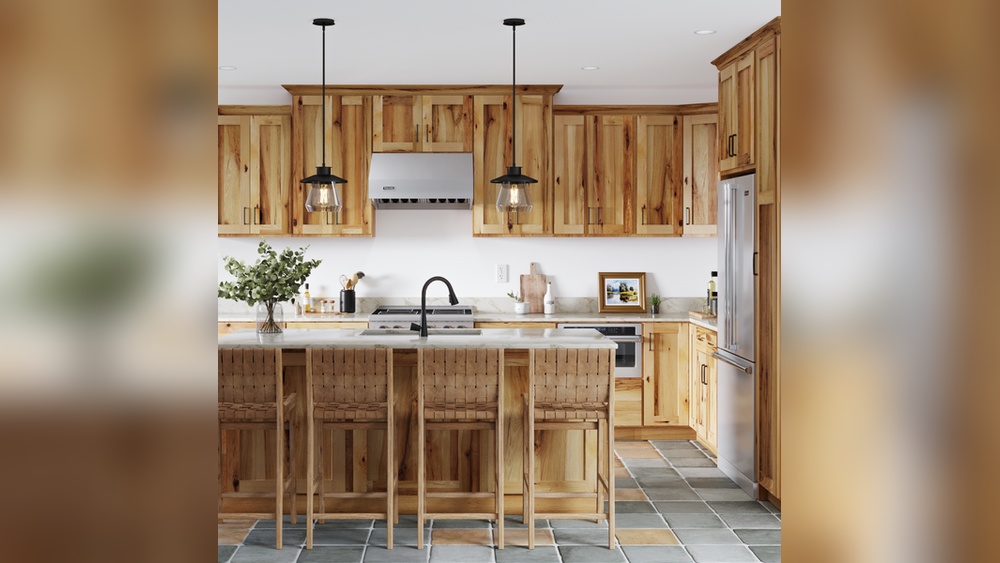
Are you ready to upgrade your cabinets but unsure how to get the right hardware fit? Measuring your cabinets correctly is the first crucial step to ensure your new handles or knobs look perfect and function smoothly.
Getting it wrong can lead to wasted time, extra costs, and frustration. In this guide, you’ll learn simple, clear steps to measure your cabinets like a pro—no guesswork, no hassle. Keep reading, and you’ll gain the confidence to choose the perfect hardware that transforms your space effortlessly.

Credit: porchdaydreamer.com
Tools You Need
Measuring cabinets for hardware needs the right tools. These tools help you get exact sizes. Accurate measurements stop mistakes and save time. Prepare these items before starting your project.
Measuring Tape
A measuring tape is the main tool for measuring. It helps you check length, width, and height easily. Use a tape that is at least 25 feet long. Look for one with clear numbers and marks. This tool lets you measure inside and outside cabinet parts.
Pencil And Paper
Write down measurements as you go. A pencil and paper help keep track. Mark notes or draw simple sketches of your cabinet. This record stops confusion later. Use a sharp pencil for clear writing. Keep your notes organized for easy reference.
Level
A level checks if surfaces are even. Uneven cabinets can cause hardware to fit poorly. Place the level on cabinet doors and shelves. Adjust measurements if surfaces are not straight. A small bubble level is easy to use and carry.
Caliper Or Ruler
Calipers or rulers measure small details. They help check hardware holes and thickness. Use a caliper for precise inside and outside measurements. A ruler works well for simple, straight edges. These tools ensure your hardware fits perfectly.
Identify Cabinet Types
Knowing the types of cabinets helps measure hardware correctly. Each cabinet type needs different hardware sizes and styles. Identifying cabinet types is the first step in the measurement process. It ensures a proper fit and smooth installation.
Base Cabinets
Base cabinets sit on the floor. They support countertops and hold heavy items. Measure their height, width, and depth for handles or knobs. Check the door or drawer fronts for hardware placement. Base cabinet hardware often includes pulls and knobs.
Wall Cabinets
Wall cabinets hang above countertops. They store lighter items like dishes and glasses. Their size is usually smaller than base cabinets. Measure the door width and height carefully. Wall cabinet hardware should be easy to reach and use.
Drawer Fronts
Drawers come in many sizes and depths. Measure the drawer front width and height. This helps select the right hardware size. Drawer pulls or knobs should fit the drawer front well. Proper measurement avoids hardware that is too big or small.
Specialty Cabinets
Specialty cabinets include corner units and pantry cabinets. They may have unique shapes or sizes. Measure each section separately for accurate hardware fitting. Specialty cabinets might need custom hardware or special placement. Precise measurement keeps the look balanced and functional.
Measure For Knobs
Measuring for knobs is simple but important. Correct measurements help you pick the right size and fit. This stops mistakes and saves time during installation. Follow easy steps to get the perfect measurements for your cabinet knobs.
Locate Mounting Holes
Start by finding the holes on your cabinet doors or drawers. These holes are where the knobs will attach. Use a flashlight if the holes are hard to see. Check both the door and drawer fronts for holes.
Measure Hole Diameter
Use a ruler or caliper to measure the hole diameter. Most knob holes are about 3/16 inches wide. Write down the exact size. This helps you pick knobs that fit well without being loose or tight.
Mark New Holes
If you want new knob placement, mark spots carefully. Use a pencil and ruler to measure the distance from edges. Make sure marks are even and straight. Double-check before drilling new holes to avoid errors.
Credit: www.emtek.com
Measure For Pulls
Measuring for cabinet pulls is important to get the right fit. Pulls come in many sizes and shapes. Accurate measurements help avoid mistakes. This section shows you how to measure for pulls step by step.
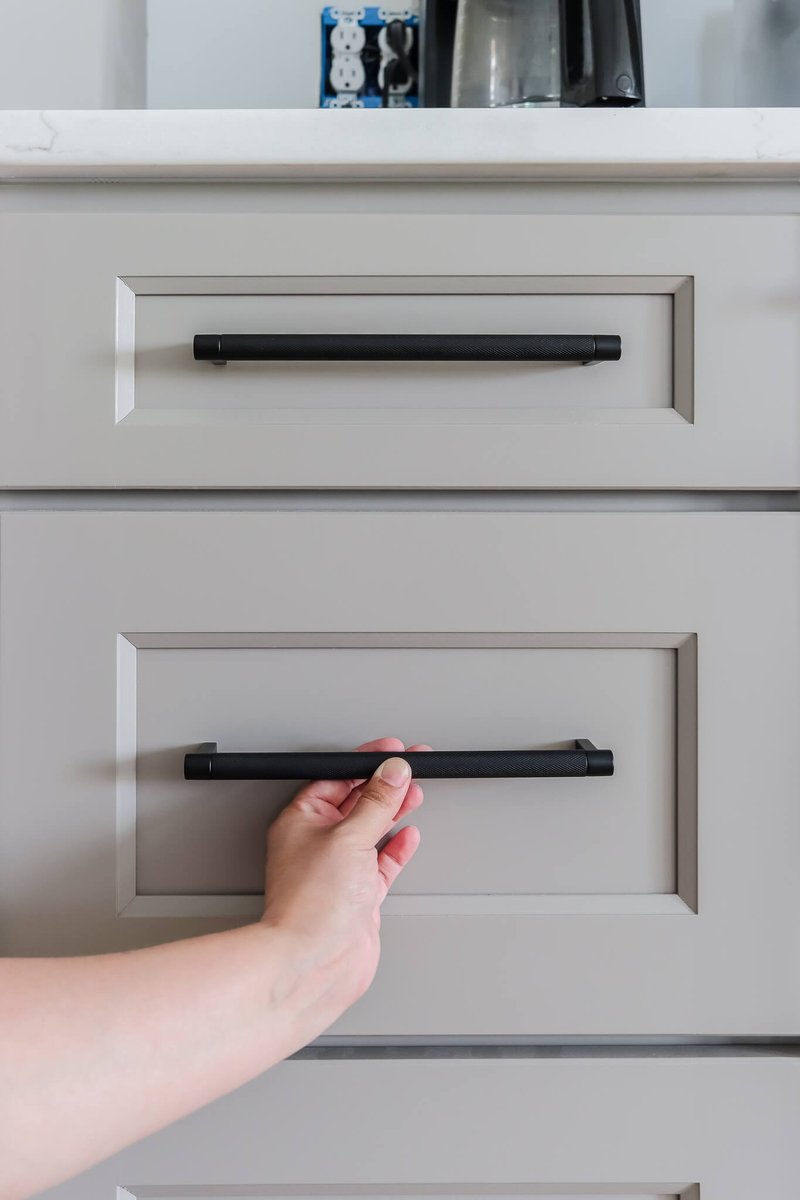
Determine Center-to-center Distance
Center-to-center distance is the space between screw holes. Measure from the center of one hole to the center of the other. Use a ruler or tape measure for accuracy. This measurement helps find pulls that fit existing holes.
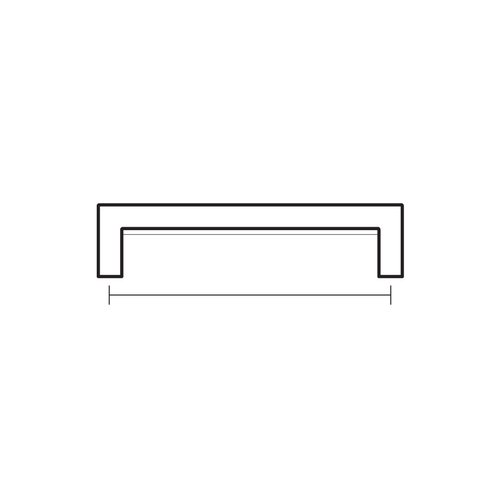
Check Handle Length
Handle length is the total size of the pull. It is different from the center-to-center distance. Measure from one end of the pull to the other. Knowing this size helps make sure the pull looks good on your cabinet.
Account For Handle Projection
Handle projection is how far the pull sticks out from the cabinet. Measure from the cabinet surface to the front of the pull. This ensures the pull is easy to grip. Also, it prevents handles from hitting each other in tight spaces.
Measure Drawer Hardware
Measuring drawer hardware is key to getting the perfect fit. Accurate measurements ensure your handles or knobs look balanced and work well. Follow simple steps to measure your drawer fronts right.
Take your time. Small errors can lead to holes in the wrong spots. Use a ruler or tape measure for best results.
Find Center Point
Start by finding the center of the drawer front. Measure the width of the drawer from left to right. Divide that number by two to get the middle point. Mark this spot lightly with a pencil. This is where your hardware will be centered.
Measure Width And Height
Next, measure the width of the hardware you want to install. Check the height or length if it is a pull handle. These measurements help you place screws in the right spots. Make sure you leave enough space around the hardware for easy use.
Consider Drawer Front Thickness
Check the thickness of your drawer front. This affects the length of screws you need. Too short screws won’t hold the hardware well. Too long screws may damage the drawer. Measure thickness with a ruler or caliper for accuracy.
Common Measurement Mistakes
Measuring cabinets for hardware is not as simple as it seems. Small mistakes can cause big problems. These errors can make your hardware look odd or not fit at all. Avoiding common measurement mistakes saves time and money. Here are some frequent errors to watch out for.
Ignoring Cabinet Thickness
Many people forget to measure cabinet thickness. This is important because hardware screws must fit properly. If the screw is too short, it won’t hold the hardware firmly. If it is too long, it may damage the cabinet. Always check the cabinet’s thickness before buying hardware.
Incorrect Hole Spacing
Hole spacing means the distance between screw holes on the hardware. Using wrong measurements causes holes to miss the marks. This leads to extra holes in your cabinet doors or drawers. Measure the hole spacing carefully with a ruler or tape measure. Double-check before drilling.
Misaligned Hardware Placement
Placing hardware off-center or crooked looks unprofessional. It can also make the hardware hard to use. Use a level and measuring tape to position hardware correctly. Mark the spots lightly with a pencil before drilling. Proper alignment improves both look and function.
Tips For Accurate Measuring
Measuring cabinets for hardware needs care and attention. Small mistakes can cause big problems. Accurate measuring saves time and money. Follow these simple tips to get it right the first time. This helps you find hardware that fits perfectly and looks great.
Double-check Measurements
Always measure twice before buying or drilling. This reduces errors and avoids damage. Use a tape measure and note down the numbers carefully. Check both width and height of the cabinet parts. Confirm the measurements again before making any changes.
Use A Level For Alignment
A level helps keep hardware straight and even. Hold the level against the cabinet surface. Adjust until the bubble is centered. Mark the spots for screws or handles. This ensures your hardware does not look crooked or uneven.
Take Photos For Reference
Photos help remember exact cabinet details. Take clear pictures from different angles. Include close-ups of corners and edges. Use these images when choosing hardware or installing it. Photos reduce confusion and make the process smoother.
Installing Hardware After Measuring
Installing hardware after measuring cabinets is a crucial step. It ensures handles and knobs fit well and look good. Proper installation keeps hardware strong and lasting. Follow clear steps to get it right the first time.
Mark Drill Points
Use a pencil to mark exact drill points on the cabinet. Check your measurements twice before marking. Mark both holes for handles or the center point for knobs. Straight marks help hardware align perfectly.
Drill Pilot Holes
Drill small pilot holes where you made marks. Pilot holes guide screws and prevent wood from splitting. Use a drill bit slightly smaller than the screw size. Drill slowly and keep the drill steady.
Attach Hardware Securely
Place the hardware over pilot holes. Insert screws and tighten them with a screwdriver. Avoid over-tightening to stop damage to cabinets. Ensure hardware is flush and does not wobble.
Credit: www.emtek.com
Frequently Asked Questions
How Do I Measure Cabinet Doors For Hardware?
Measure the cabinet door’s width and height precisely. Note the exact position for handles or knobs. Use a ruler or tape measure for accuracy. Mark drill points carefully to ensure proper hardware fit and alignment.
What Tools Are Needed To Measure Cabinets For Hardware?
You need a tape measure or ruler for accurate measurements. A pencil or marker helps mark drilling spots. A level ensures hardware is straight. These tools help install hardware precisely and avoid mistakes.
Where Should I Place Hardware On Cabinet Doors?
Place hardware 2. 5 to 3 inches from the corner on the edge. For knobs, measure from the top or bottom edge. Handles often center vertically on drawers. Consistent placement ensures a professional look and easy use.
How Do I Measure Drawers For Cabinet Hardware?
Measure drawer width and height first. Identify the center point for handles or knobs. Mark drill holes evenly spaced for balanced hardware placement. Accurate measurements prevent misaligned or crooked hardware installation.
Conclusion
Measuring cabinets for hardware is simple with clear steps. Always use a tape measure and record numbers carefully. Check the cabinet door’s height and width first. Measure from the edge to where hardware will go. Double-check your numbers before buying hardware.
Correct measurements ensure a perfect fit and easy installation. Take your time and measure twice to avoid mistakes. This helps your cabinets look neat and work well. Accurate measuring makes hardware buying less stressful and more successful. Follow these tips for a smooth experience every time.