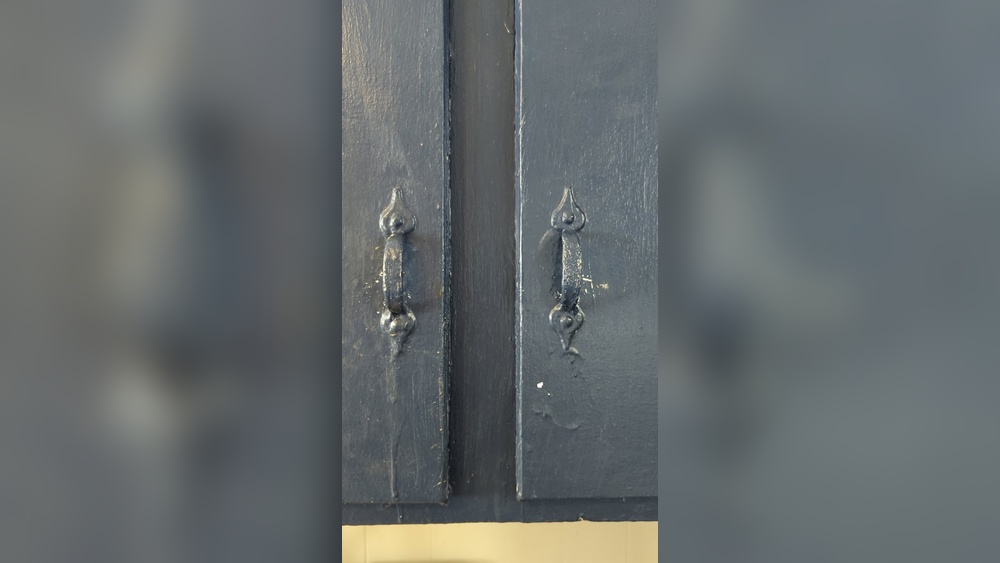
Are you ready to give your kitchen a fresh new look without the hassle of removing all the cabinet hardware? Painting your kitchen cabinets can completely transform the space, but taking off knobs and handles can be time-consuming and frustrating.
What if you could skip that step and still get a smooth, professional finish? In this guide, you’ll discover easy, practical tips to paint your kitchen cabinets without removing the hardware. Keep reading to learn how to save time, avoid mess, and achieve stunning results that will make your kitchen feel brand new.
Prepare The Kitchen Cabinets
Preparing kitchen cabinets is the first step to a smooth paint job. This step helps the paint stick better and last longer. Taking time to prepare means fewer problems later. The cabinets look fresh and clean after preparation. Follow these simple steps to get ready for painting without removing hardware.
Clean The Surfaces
Start by wiping the cabinets with a damp cloth. Remove dust and loose dirt carefully. Clean surfaces help the paint stick well. Use a mild soap mixed with water. Avoid harsh cleaners that can damage the wood. Clean all visible areas, including corners and edges.
Remove Grease And Grime
Kitchen cabinets often have grease from cooking. Use a degreaser or a mix of vinegar and water. Apply it with a sponge or cloth. Rub gently to break down grease and grime. Rinse with clean water and dry with a soft towel. Clean cabinets prevent paint from peeling.
Lightly Sand The Cabinets
Sanding roughs up the surface for better paint grip. Use fine-grit sandpaper, around 220 grit. Sand lightly over all surfaces, including edges. Avoid sanding too hard to keep the cabinet smooth. After sanding, wipe dust away with a damp cloth. This step ensures a clean, even base for painting.
Protect Hardware And Surroundings
Protecting your hardware and the surrounding areas is a key step before painting kitchen cabinets. This prevents paint from getting on handles, knobs, walls, or countertops. Taking simple precautions saves time and keeps your kitchen looking neat.
Covering hardware and taping nearby surfaces create a clean workspace. Using drop cloths protects the floor from spills and splatters. Each step helps avoid costly cleaning or repairs later.
Cover Handles And Knobs
Wrap handles and knobs with painter’s tape. Press tape edges tightly to block paint. Use small pieces for better control. This keeps hardware clean and paint-free. Remove tape carefully after painting dries.
Tape Off Adjacent Areas
Apply painter’s tape along cabinet edges near walls and countertops. Tape straight lines to protect these surfaces. Avoid gaps where paint can leak through. This step ensures sharp, clean paint lines on cabinets.
Use Drop Cloths For Floors
Spread drop cloths under your work area. Choose thick cloths or plastic sheeting for best coverage. Cover the entire floor section below cabinets. This prevents stains from accidental drips or spills. Keep cloths flat to avoid tripping hazards.
Choose The Right Paint And Tools
Choosing the right paint and tools is key to painting kitchen cabinets without removing hardware. The right materials make the job easier and give a smooth, lasting finish. Picking durable paint and proper brushes or rollers helps you avoid common problems. You can even use spray paint for a neat result. This section guides you through selecting paint and tools that fit your project.
Select Durable Paint Types
Use paint made for kitchen cabinets or furniture. These paints resist moisture and stains. Look for acrylic latex or enamel paints. They dry hard and last long. Semi-gloss or satin finishes work best. They clean easily and show less wear. Avoid flat paint because it stains and chips fast.
Pick Suitable Brushes And Rollers
Choose brushes with synthetic bristles. They hold paint well and give smooth strokes. Use angled brushes for edges and corners. For flat cabinet surfaces, use a small foam roller. It creates a smooth, even coat without brush marks. Clean your brushes and rollers after use to keep them in good shape.
Consider Spray Painting Options
Spray paint gives a smooth, professional look. It covers hardware and hard-to-reach areas well. Use spray paint designed for cabinets or metal. Spray outside or in a well-ventilated area. Wear a mask to avoid inhaling fumes. Practice on a test surface before spraying cabinets.

Credit: www.youtube.com
Apply Primer And Paint
Applying primer and paint to kitchen cabinets without removing hardware requires patience and care. This step helps protect the surface and ensures the paint sticks well. Proper application creates a smooth, even finish that lasts longer.
Apply Primer Evenly
Start by using a brush or roller to spread primer on the cabinets. Cover every part you want to paint. Avoid thick layers that cause drips. Thin, even coats work best for a clean base.
Let Primer Dry Completely
Wait for the primer to dry fully before painting. Drying times vary, so check the instructions on your primer. Touching wet primer can cause smudges and uneven spots.
Paint Cabinets In Thin Coats
Use a small brush or roller to apply thin layers of paint. Thin coats dry faster and look smoother. Thick paint can drip and create bumps. Take your time for the best result.
Allow Each Coat To Dry
Let each paint layer dry before adding another. This prevents peeling and uneven color. Follow the drying times on the paint can for best results. Patience ensures a strong, beautiful finish.
Final Touches And Cleanup
After painting kitchen cabinets without removing hardware, the final steps matter a lot. These last actions help your work look clean and last longer. Taking time with these tasks gives your kitchen a fresh, neat look.
Remove Tape Carefully
Peel off the painter’s tape slowly. Do this before the paint fully dries. Pull the tape back on itself at a sharp angle. This stops the paint from peeling off. Check edges for any tape left behind. Removing tape carefully keeps clean lines on your cabinets.
Clean Up Paint Tools
Wash brushes and rollers right after use. Use warm water and soap for water-based paint. For oil-based paints, use the right solvent. Dry tools completely before storing them. Clean tools stay in good shape for your next project.
Inspect And Touch Up
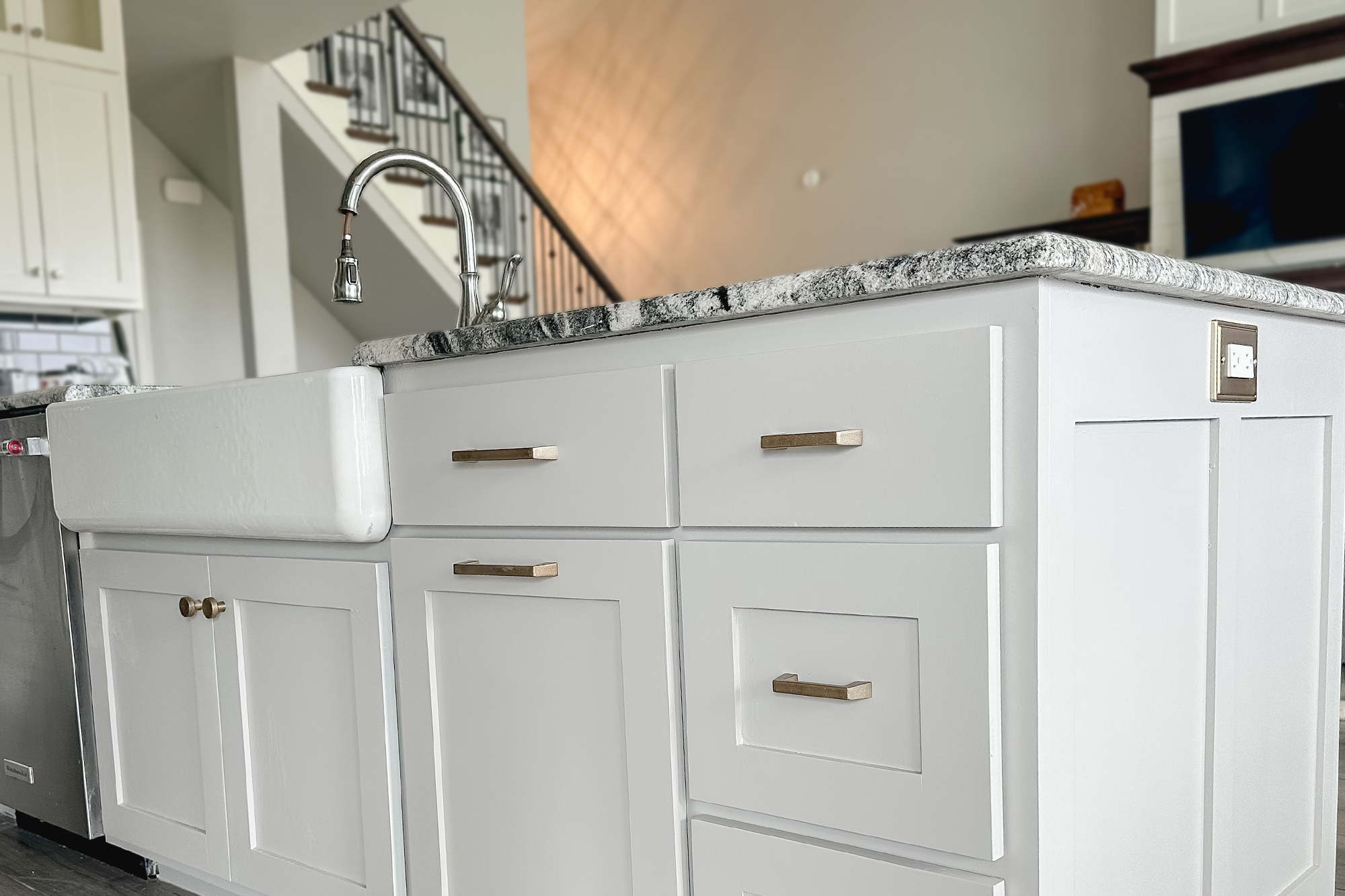
Look closely at your painted cabinets. Spot any thin or missed paint areas. Use a small brush to fix these spots. Check around hardware and edges carefully. Touch ups make your cabinets look smooth and even.
Credit: www.kilz.com
Tips For Long-lasting Finish
Keeping your kitchen cabinet paint fresh and smooth takes some care. A long-lasting finish means less work and a nicer look for years. Small habits can protect your painted cabinets and keep them looking new. Follow these tips to make your painted surfaces last.
Avoid Harsh Cleaners
Harsh cleaners can damage paint quickly. Stay away from bleach, ammonia, or strong chemicals. These can cause paint to peel or fade. Choose mild cleaning products that are safe for painted wood. This helps keep the finish intact and bright.
Use Gentle Cleaning Methods
Soft cloths or sponges work best to clean cabinets. Avoid rough scrubbing or abrasive tools. Light wiping removes dust and stains without scratching the paint. Use warm water and a little mild soap for tough spots. Rinse with clean water and dry immediately.
Maintain Painted Surfaces Regularly
Clean your cabinets often to stop dirt buildup. Check for chips or cracks in the paint. Fix small problems quickly to prevent bigger damage. A small touch-up can keep cabinets looking fresh. Regular care extends the life of your painted finish.

Credit: www.housemixblog.com
Frequently Asked Questions
Can I Paint Kitchen Cabinets Without Removing Hardware?
Yes, you can paint cabinets without removing hardware. Use painter’s tape to cover handles and hinges. This protects them from paint and saves time during the project.
How Do I Prep Cabinets Before Painting With Hardware?
Clean cabinets thoroughly with degreaser to remove dirt and grease. Lightly sand surfaces for better paint adhesion. Tape around hardware to avoid paint stains.
What Type Of Paint Works Best For Cabinets With Hardware?
Use durable, high-quality acrylic latex or enamel paint. These paints offer smooth finishes and resist chipping. They work well on wood and laminate surfaces.
How Can I Avoid Paint On Cabinet Hardware?
Apply painter’s tape carefully around hardware edges. Use a small angled brush for precision near handles. This prevents paint from sticking to the hardware.
Conclusion
Painting kitchen cabinets without removing hardware saves time and effort. It keeps your kitchen organized and clean during the project. Follow the right steps to avoid drips and uneven paint. Use painter’s tape to protect handles and hinges well. Choose good paint for lasting results and easy cleaning.
With patience and care, your cabinets will look fresh and new. This method helps you upgrade your kitchen without a big mess or cost. Try it yourself and enjoy a quick, simple kitchen makeover.