If you’ve ever tried to fix or upgrade your car, you know that dealing with car fasteners can be tricky. These little clips and screws hold important parts in place, and removing them the wrong way can cause damage or frustration.
But what if you could learn a simple, step-by-step method to remove car fasteners quickly and safely? You’ll discover easy tips and tools that make the job smoother—saving you time, effort, and stress. Keep reading, and you’ll gain the confidence to handle your car’s fasteners like a pro.
Credit: www.autoevolution.com
Types Of Car Fasteners
Car fasteners hold many parts of a vehicle together. They come in different shapes and sizes. Knowing these types helps in removing them safely. Each fastener needs a special way to take it off.
Plastic Clips
Plastic clips are common in car interiors. They hold panels and trims in place. These clips snap into holes. Use a flat tool to pry them gently. Pulling hard can break the clip.
Push Pins
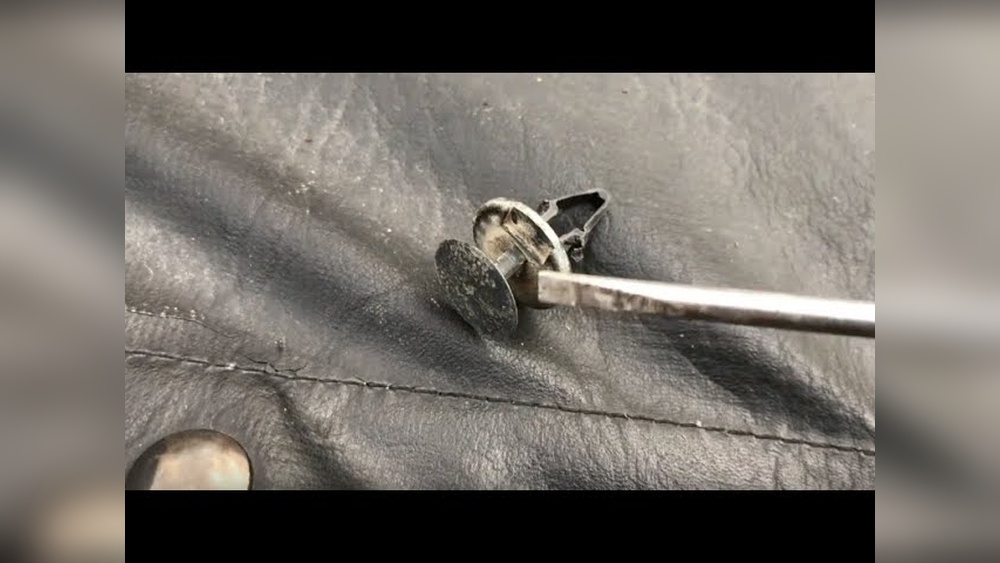
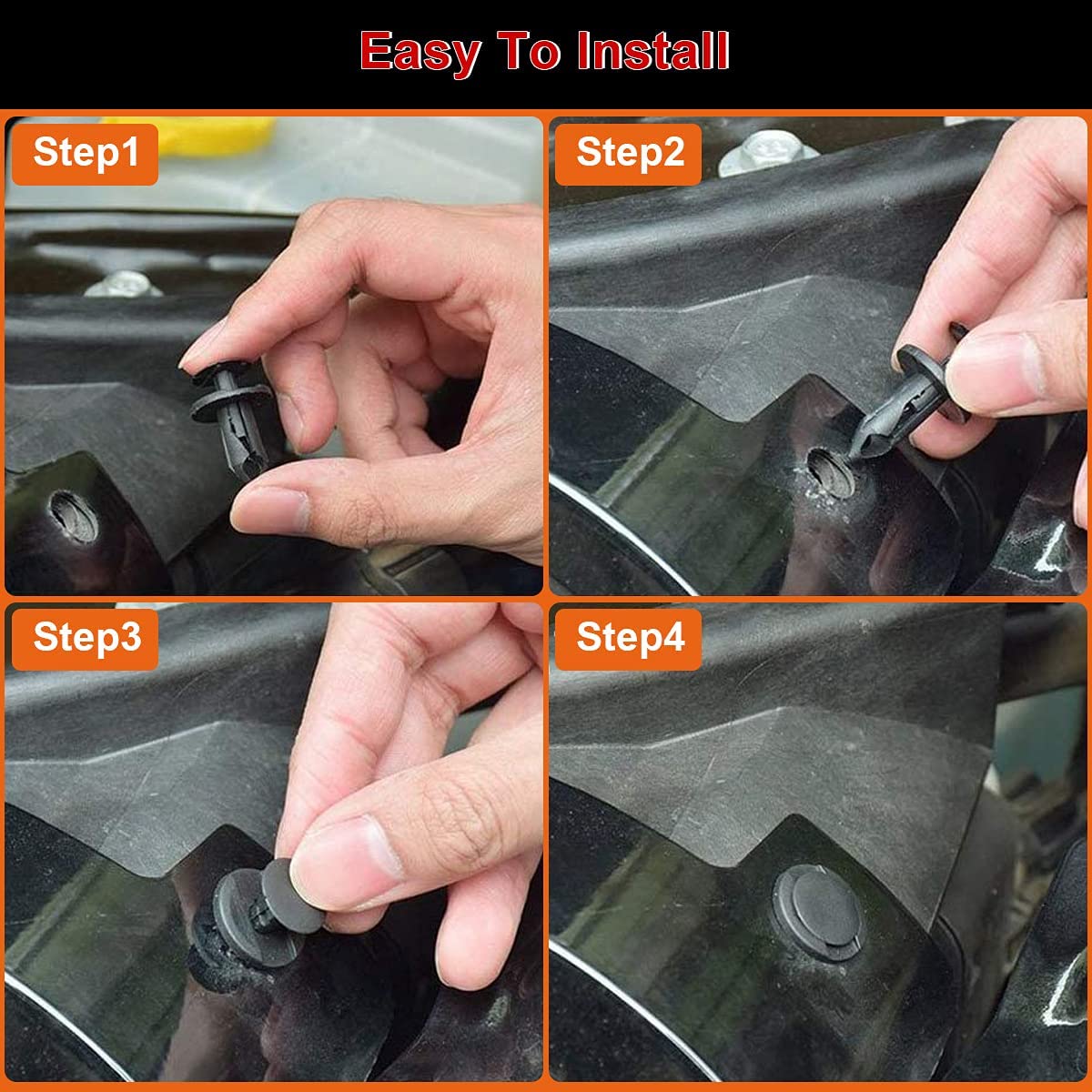
Push pins secure lightweight parts like splash guards. They have a center pin that pushes in. Pulling the center pin first loosens the pin. Then, the whole fastener comes out easily. Use a small screwdriver or clip remover.
Screws And Bolts
Screws and bolts hold parts tightly. They need screwdrivers or wrenches to remove. Match the tool to the fastener head. Turn counterclockwise to loosen. Keep screws and bolts safe for reassembly.
Rivets
Rivets join parts permanently. They cannot be unscrewed. Drill the rivet head carefully to remove it. Replace rivets with new ones after removal. This keeps parts secure and safe.
Essential Tools Needed
Removing car fasteners requires the right tools. Using proper tools protects your car parts from damage. It also makes the job quicker and easier. Here are the essential tools you need for removing car fasteners safely and effectively.
Trim Removal Tools
Trim removal tools are designed to pry off plastic clips and panels. They are usually made of plastic or nylon. This prevents scratching or breaking delicate trim pieces. A set of various shapes helps reach tight spots and different fastener types.
Screwdrivers
Screwdrivers are a must-have for removing screws holding fasteners. Both flathead and Phillips head screwdrivers work for most screws. Choose screwdrivers with comfortable grips for better control. Magnetic tips help keep screws from falling during removal.
Pliers
Pliers provide a strong grip on stubborn fasteners. Needle-nose pliers reach into narrow spaces to pull clips or pins. Locking pliers hold fasteners firmly without slipping. Use pliers carefully to avoid damaging plastic fasteners.
Socket Wrenches
Socket wrenches help remove bolts and nuts securing fasteners. They come with different socket sizes to fit various fasteners. Ratcheting handles speed up the loosening process. A good socket set covers most common fastener sizes.
Preparing Your Workspace
Preparing your workspace is the first step to remove car fasteners safely and efficiently. A clean, organized area helps you work faster and avoid mistakes. This section explains how to get your space ready before starting the task.
Safety Precautions
Wear gloves to protect your hands from sharp edges. Use safety glasses to guard your eyes from flying debris. Ensure good lighting to see every fastener clearly. Avoid loose clothing that might get caught in tools. Keep a first aid kit nearby for emergencies.
Organizing Tools
Gather all the tools you need before starting. Place screwdrivers, pliers, and trim removal tools within reach. Arrange them neatly on a clean surface to avoid losing any. Check tools for damage to ensure they work properly. Having tools ready saves time and reduces frustration.
Protecting Car Surfaces
Cover the car areas near fasteners with soft cloths or plastic sheets. This prevents scratches and dents during removal. Use painter’s tape on painted surfaces to add extra protection. Avoid placing heavy tools directly on the car body. Protecting surfaces keeps your car looking good after the work.

Credit: www.reddit.com
Removing Plastic Clips
Plastic clips hold many parts of a car’s interior and exterior. Removing them carefully saves time and avoids damage. These clips can be stubborn but are easy to remove with the right steps. Learn how to find and take out plastic clips without harm.
Locating Clips
Plastic clips are under door panels, bumpers, and trim pieces. Look near edges or where parts meet. They often hide under fabric or paint. Use a flashlight for better view in dark spots. Knowing clip positions helps avoid breaking parts.
Using Trim Tools
Use plastic trim tools to pry clips out gently. Metal tools may scratch or break clips. Insert the tool under the clip’s head carefully. Twist or lift slowly to release the clip. Patience prevents damage and keeps clips reusable.
Avoiding Damage
Work slowly to avoid breaking clips or panels. Do not force clips out with too much pressure. Keep tools flat against surfaces to prevent scratches. Store removed clips safely for reuse. Proper care saves money and effort later.
Taking Out Push Pins
Push pins are common fasteners in cars. They hold panels and trims firmly. Removing push pins carefully prevents damage to your vehicle. Using the right tools and methods makes the task easier. This section explains how to take out push pins safely.
Identifying Pin Types
Push pins come in different shapes and sizes. Some have a round head, others a flat one. Some pins have a center pin that pops out. Others are solid with no moving parts. Knowing the type helps choose the right removal method.
Prying Techniques
Use a flat tool like a panel remover or flathead screwdriver. Slide it gently under the pin head. Lift slowly to avoid breaking the pin or panel. For pins with a center pop, pull the center piece first. Then, the outer part will come out easily.
When To Replace Pins
Push pins can break or lose grip after removal. Check for cracks or missing pieces. Replace any damaged pins to keep panels secure. New pins are inexpensive and easy to install. Replacing pins helps maintain your car’s appearance and function.

Credit: www.youtube.com
Unscrewing Bolts And Screws
Unscrewing bolts and screws is a key step in removing car fasteners. It requires the right tools and techniques. Using the wrong driver or too much force can damage the fastener or the car. This section explains how to choose the right driver, loosen tight fasteners, and handle stripped screws safely and effectively.
Selecting The Right Driver
Choose a driver that fits the screw head exactly. A tight fit prevents slipping and damage. Common types include flathead, Phillips, and Torx drivers. Match the driver size to the screw size. Using a driver that is too small or too large makes the task harder.
Loosening Tight Fasteners
Apply steady, even pressure while turning the driver. Avoid sudden jerks or excessive force. If the fastener is very tight, use a penetrating oil. Let the oil sit for a few minutes to loosen rust or dirt. Use a wrench or pliers for extra grip if needed.
Handling Stripped Screws
Stripped screws have damaged heads and are hard to turn. Use a rubber band between the screw and driver for better grip. Try a screw extractor tool designed for stripped fasteners. Tap the screwdriver gently with a hammer to help loosen stuck screws. Patience and care reduce the risk of further damage.
Dealing With Rivets
Rivets hold many car parts tightly together. Removing them can be tricky but is necessary for repairs or upgrades. Understanding how to handle rivets makes the task easier and safer. This section breaks down the key steps in dealing with rivets on your car.
Types Of Rivets
Several types of rivets exist. Pop rivets are common and easy to remove. Solid rivets are stronger and require drilling. Blind rivets work in tight spaces. Knowing the type helps choose the right tools.
Drilling Out Rivets
Drilling out rivets is the most common removal method. Use a drill bit slightly smaller than the rivet head. Drill carefully to avoid damaging the car part. Once the head is removed, push out the remaining rivet body.
Installing New Rivets
Replace old rivets with new ones of the same type and size. Align the parts properly before installing. Use a rivet gun or hammer for fitting. Check that the new rivet holds the parts tightly together.
Tips For Preventing Damage
Removing car fasteners can be tricky. Using the wrong force or tools can cause damage. Protecting the fasteners and the car surface is important. Follow these tips to avoid scratches, breaks, or deformations.
Applying Gentle Pressure
Start with soft, steady force. Avoid pushing or pulling too hard. Fasteners are often made of plastic or soft metal. Too much pressure can break them. Use slow movements and feel the resistance. Patience helps to keep the parts safe.
Using Lubricants
Lubricants make removal easier. Spray a small amount on the fastener base. It reduces friction and loosens stuck parts. Use oils like WD-40 or silicone spray. Let the lubricant sit for a few minutes. This softens the grip without harming the car.
Keeping Fasteners Organized
Keep removed fasteners in order. Use labeled containers or trays. This prevents loss and confusion during reassembly. Fasteners come in different sizes and shapes. Mixing them up can cause fitting problems later. Organization saves time and avoids mistakes.
When To Seek Professional Help
Removing car fasteners can seem easy at first. Sometimes, it gets tricky and needs expert help. Knowing when to ask a professional saves time and avoids damage. Professionals have skills and tools to handle tough jobs safely.
Complex Fastener Systems
Some cars use fasteners with unique designs. These need special knowledge to remove. Wrong handling can break the fastener or the part it holds. Experts know how to take them off without harm.
Risk Of Vehicle Damage
Fasteners hold important parts of your car. Pulling them the wrong way can cause damage. Damage can be costly and hard to fix. A professional avoids this risk with careful work.
Lack Of Proper Tools
Removing fasteners often needs specific tools. Normal tools might not fit or work well. Using the wrong tools can ruin fasteners or car parts. Professionals have the right tools for every fastener type.
Frequently Asked Questions
What Tools Are Best For Removing Car Fasteners?
Use plastic trim removal tools or a flathead screwdriver for most car fasteners. Avoid metal tools to prevent damage. Specialized fastener removers are also effective and safe for delicate parts.
How Can I Remove Stubborn Car Fasteners Safely?
Apply gentle pressure and wiggle the fastener carefully. Use penetrating oil to loosen rusted or stuck fasteners. Avoid forcing it to prevent breaking or damaging the fastener.
Can I Reuse Car Fasteners After Removal?
Yes, many car fasteners can be reused if undamaged. Inspect for cracks or wear before reinstallation. Replace any fasteners that show signs of damage to ensure proper fit.
Are There Different Types Of Car Fasteners To Know?
Yes, common types include push clips, screws, rivets, and bolts. Each type requires specific removal techniques and tools for safe extraction.
Conclusion
Removing car fasteners can be simple with the right tools and steps. Always work carefully to avoid damage. Take your time and follow each step closely. Practice makes the process easier and faster. Keeping fasteners organized helps during reassembly. This guide helps you handle fasteners confidently and safely.
Now, you can remove car fasteners without stress or confusion.


