Are you wondering whether you really need to use hidden fasteners on your composite decking? It’s a common question that many homeowners face when planning their outdoor space.
You want your deck to look clean and seamless, but you also want it to be strong and durable. Choosing between hidden fasteners and traditional face screws can impact both the appearance and longevity of your deck. You’ll discover the pros and cons of hidden fasteners, when you must use them, and when it’s okay to skip them.
Keep reading to find out how to make the best choice for your composite decking project—so your deck looks stunning and stands the test of time.

Credit: www.renaissancebuildingco.com
Hidden Fasteners Basics
Visible fasteners offer a straightforward way to install composite decking. They are easy to use and require less special equipment. This method lets you attach the deck boards directly to the frame. Although the fasteners are visible, they come in different styles to match your deck’s look. Many homeowners choose visible fasteners for their simplicity and lower cost. Here are two common visible fastener options.
Face Screwing Method
The face screwing method involves driving screws straight through the top of the deck boards. This technique is simple and fast. It secures the boards firmly to the joists below. The screw heads remain visible on the deck surface. Some people prefer this look as it shows craftsmanship. Use screws designed for composite materials to avoid damage. Pre-drilling holes can help prevent splitting and cracking.
Using Regular Deck Screws
Regular deck screws can also be used on composite decking. They may cost less than special composite screws. However, they must be applied carefully. Countersinking the screws helps avoid mushrooming the heads. This keeps the surface smooth and neat. Regular screws are strong enough if installed properly. Make sure the screws fit well and hold the boards tight. This option works well for many DIY projects.
Credit: www.jwlumber.com
Visible Fasteners Options
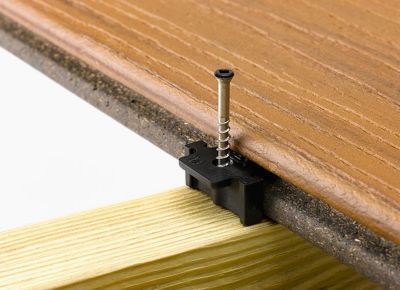
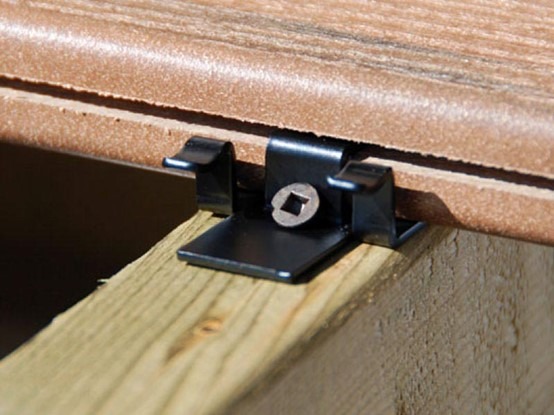
Hidden fasteners create a clean look on composite decks. They hide screws and clips beneath the boards. Still, there are times to avoid hidden fasteners. Choosing the wrong fastener can damage the deck or reduce its lifespan. Knowing when to skip hidden fasteners helps keep your deck strong and safe.
Board Type Limitations
Not all composite boards work well with hidden fasteners. Hollow boards often crack if fastened incorrectly. Solid boards hold fasteners better and resist damage. Some brands do not recommend hidden fasteners for their products. Check the board’s instructions before choosing fasteners. Using the wrong fastener can void warranties and cause costly repairs.
Climate And Movement Concerns
Composite decking expands and contracts with temperature changes. Hidden fasteners may restrict this natural movement. In very hot or cold climates, boards can warp or split. Face screws allow more room for movement and reduce stress. High moisture areas also need careful fastener choice. Avoid hidden fasteners if your deck faces extreme weather or moisture.
Pros Of Hidden Fasteners
Maintenance of composite decking changes depending on fastener type. Hidden fasteners create a smooth surface without visible screws. Face screws show on the deck surface. These differences affect how you clean and care for the deck.
Hidden fasteners reduce dirt buildup spots. Face screws can trap debris and moisture around the heads. This changes cleaning methods and frequency. Understanding these differences helps keep the deck looking good longer.
Cleaning Around Fasteners
Hidden fasteners make cleaning easier. The deck surface is flat and smooth. Dirt and leaves do not catch on screws. You can sweep or wash quickly without extra care.
Face screws require more attention. Dirt and grime collect near the screw heads. Use a brush to clean around screws. This prevents mold and rust buildup. Regular cleaning keeps the screws and deck strong.
Dealing With Wear And Tear
Hidden fasteners protect the deck boards from cracks. No screws press on the board surface. This lowers the risk of splitting or damage.
Face screws can loosen or cause cracks over time. Check screws regularly. Tighten or replace loose screws to avoid damage. This extends the deck’s life and keeps it safe.
Credit: www.oakio.com
Cons Of Hidden Fasteners
Comparing costs helps decide if hidden fasteners fit your budget. Understanding price differences guides your decking choices. Let’s explore the expenses of materials and labor for each option.
Material And Labor Costs
Hidden fasteners usually cost more than traditional screws. The clips and tracks add to the material price. Installation takes longer because of careful alignment. This means higher labor charges from contractors. Face screws require fewer parts and less time. This makes the upfront cost lower with visible screws.
Long-term Value
Hidden fasteners protect the deck surface from damage. They reduce the chance of scratches and rust spots. This lowers maintenance and repair expenses over time. Face screws might need tightening or replacing more often. Visible screw heads can fade or corrode in weather. Investing in hidden fasteners can save money on upkeep.
Frequently Asked Questions
How To Install Trex Decking Without Hidden Fasteners?
Install Trex decking without hidden fasteners by using face screws. Drive screws directly through deck boards into joists. Use corrosion-resistant decking screws and pre-drill holes to prevent splitting. Space screws evenly for secure attachment and a straightforward, cost-effective installation.
Can You Screw Directly Into Composite Decking?
You can screw directly into composite decking using appropriate composite screws. Avoid screwing into hollow boards to prevent cracks. Use screws designed for composite materials and pre-drill holes for best results. Face screwing is common but leaves visible heads on the deck surface.
What Ruins Composite Decking?
Composite decking ruins from mold, mildew, stains, grease, oil, sap, pet stains, rust, and ground-in dirt exposure. Harsh chemicals and poor maintenance also damage it.
Can You Use Regular Deck Screws On Trex?
You can use regular deck screws on Trex, but they may cause mushrooming without countersinking. Trex-specific screws offer better durability and appearance.
Conclusion
Choosing whether to use hidden fasteners on composite decking depends on your needs. Hidden fasteners offer a clean look without visible screws. Face screws are easier to install but leave heads showing. Consider board type and installation skill before deciding.
Proper fastening helps avoid damage like cracking or splitting. Both methods work well if done correctly. Think about maintenance, appearance, and cost to make the best choice. Your deck will last longer with good fastening practices.