If you want your deck to look clean and polished without visible screws or nails, installing composite decking with hidden fasteners is the way to go. But how exactly do you get that smooth, seamless finish while keeping your deck sturdy and secure?
This guide will walk you through the simple steps to install composite decking using hidden fasteners like Camo clips or screw-and-plug systems. You’ll learn which tools to use, how to position each fastener perfectly, and tips to avoid common mistakes.
Stick with us, and you’ll soon have a beautiful deck that not only looks amazing but stands the test of time—without any unsightly hardware spoiling the view. Ready to transform your outdoor space? Let’s dive in!
Materials And Tools
Installing composite decking with hidden fasteners requires careful selection of materials and tools. These components ensure a smooth, durable, and visually pleasing deck surface. Proper preparation with the right materials and tools saves time and prevents problems during installation.
Choosing Composite Decking
Select composite decking boards designed for hidden fasteners. Look for grooved edges that fit hidden clips perfectly. Choose boards with good weather resistance and low maintenance needs. Opt for colors and textures that match your outdoor style. Quality boards last longer and resist fading, warping, and staining.
Selecting Hidden Fasteners
Pick hidden fasteners compatible with your decking boards. Common types include clips that attach inside grooves on board edges. These fasteners secure boards to joists without visible screws on top. Choose rust-resistant materials like stainless steel or coated steel for durability. Some fasteners require special tools for installation. Check product instructions to find the best fit for your project.
Essential Tools For Installation
Gather all tools before starting the deck installation. A power drill with screwdriver bits is necessary for fastening clips. Use a tape measure and chalk line to mark board placement. A rubber mallet helps fit boards snugly without damage. A saw is needed to cut boards to length. Safety gear like gloves and eye protection is important. Having the right tools keeps the work clean and efficient.

Credit: www.arcadecks.com
Preparing The Deck Frame
Preparing the deck frame is a key step before installing composite decking with hidden fasteners. A strong, clean, and well-spaced frame ensures your deck stays safe and looks great for years. Take your time to check everything carefully. This helps avoid problems during and after installation.
Inspecting Joists And Supports
Start by examining all joists and supports closely. Look for signs of rot, damage, or warping. Replace any weak or broken pieces to keep the structure solid. Check that all joists are firmly attached and stable. This step prevents future sagging or movement in your decking.
Ensuring Proper Spacing
Measure the spacing between joists carefully. Composite decking usually needs joists spaced 16 inches apart. Follow the manufacturer’s guidelines for your specific decking product. Proper spacing allows hidden fasteners to fit and hold boards tightly. It also helps with drainage and prevents board warping.
Cleaning The Surface
Remove dirt, leaves, and debris from the deck frame surface. Use a stiff broom or a blower to clear dust and cobwebs. A clean surface helps hidden fasteners grip better and keeps boards level. Clean joists also reduce mold and mildew growth under the decking.
Installing Hidden Fasteners
Installing hidden fasteners is a popular method for a clean, smooth deck surface. These fasteners secure composite boards without visible screws or nails. This technique enhances the deck’s appearance and prevents damage to the board surface.
Using hidden fasteners requires precision and the right tools. The process involves attaching clips to the joists and spacing boards correctly. Each step helps create a strong, durable deck that looks professional.
Using Side-mount Clip Systems
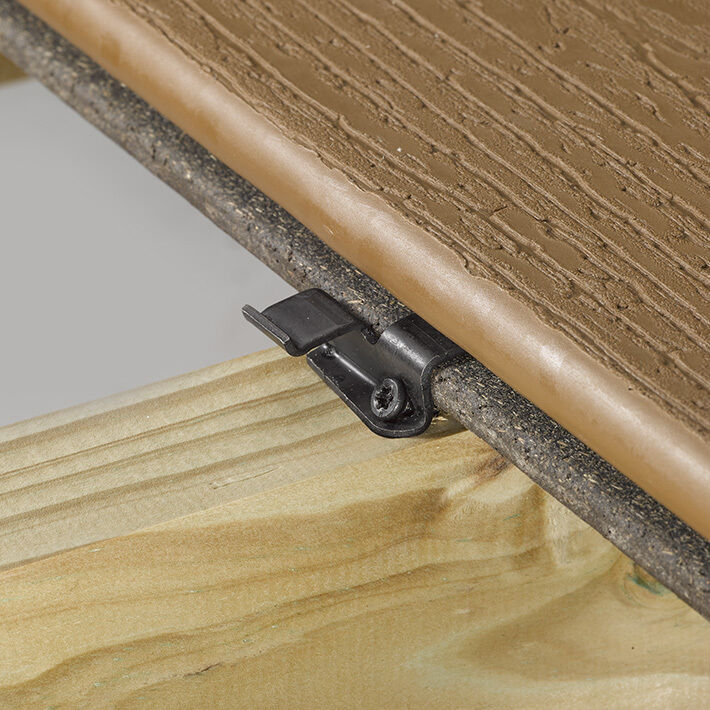
Side-mount clip systems fit into the grooves on the sides of composite boards. These clips hold the boards tightly without showing any fasteners on top. They slide into the board groove and lock it in place.
These clips are easy to install with a drill and the correct bit. They work best with boards designed for hidden fasteners. This method keeps the deck surface clean and free of holes.
Attaching Clips To Joists
Secure clips directly to the joists under the deck boards. Use screws that fit the clip design for a tight hold. Make sure each clip is straight and firmly attached.
Proper attachment prevents board movement and noise. Check each clip before placing the next board. This step is key to long-lasting deck stability.
Spacing Boards Correctly
Maintain even spacing between each deck board. Most hidden fastener systems have built-in spacers. These ensure consistent gaps for water drainage and expansion.
Check spacing during installation to avoid tight or loose boards. Proper gaps prevent warping and allow the deck to breathe. This step keeps the deck safe and durable over time.
Credit: www.fastenmaster.com
Securing The First And Last Boards
Securing the first and last boards is a key step when installing composite decking with hidden fasteners. These boards set the foundation for the rest of the deck. They need to be firmly attached to keep the deck stable and safe.
Because hidden fasteners often grip the board edges, fastening the first and last boards requires special attention. These boards usually lack grooves on both sides, so different methods are used to secure them properly. Let’s explore two common ways to do this.
Traditional Face-screwing Method
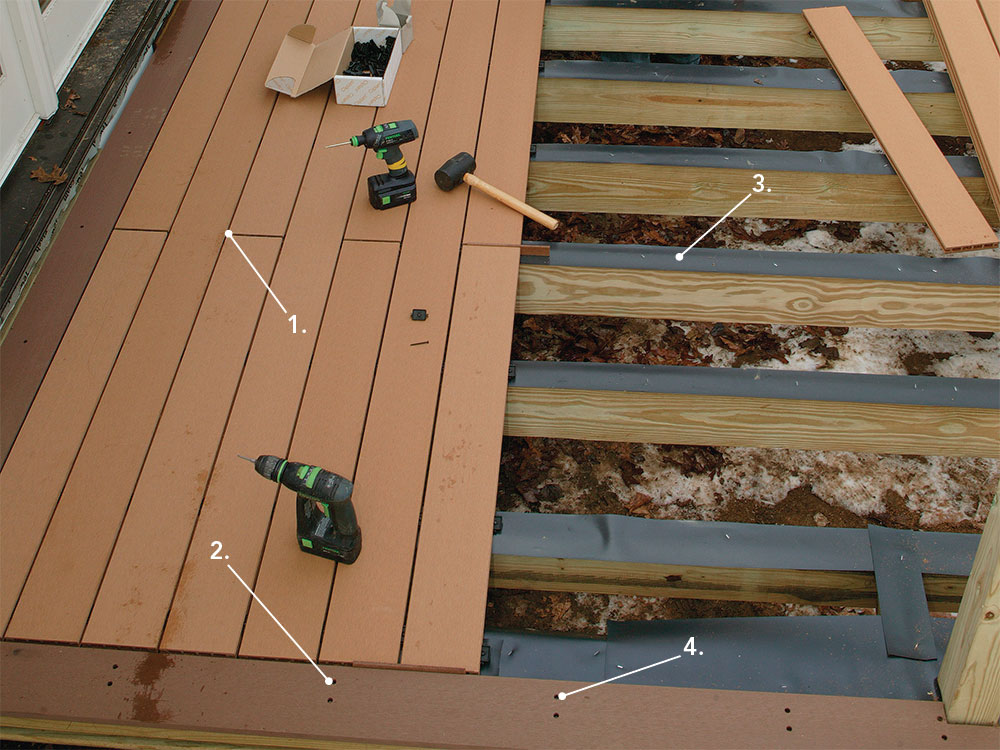
The first and last boards can be secured using traditional face screws. This means driving screws directly through the board into the joist below. It provides strong hold where hidden fasteners cannot be used.
Use corrosion-resistant screws for outdoor durability. Space the screws evenly along the board’s length. Pre-drill holes to prevent board splitting. Countersink screws slightly to avoid raised heads.
This method is simple and effective. The screws are visible but can be minimized with care. It ensures the edges of the deck are firmly locked in place.
Covering Fasteners With Fascia
Another way to hide face screws on the first and last boards is by installing fascia boards. Fascia covers the deck edges, hiding any screws used to secure the boards.
Attach fascia boards vertically along the deck’s perimeter. Use screws or nails to fasten fascia securely to the joists or ledger board. Choose a fascia material that matches or complements the decking.
Fascia not only hides screws but also adds a finished look to the deck. It protects the deck edges from weather and wear. This method keeps your deck looking clean and polished.
Screw-and-plug Systems
The screw-and-plug system offers a clean look for composite decking installation. Screws secure the boards firmly, while plugs cover the screw heads. This method works well with square-edge decking boards. It creates a smooth, seamless deck surface without visible fasteners.
The process requires careful preparation and precise finishing. Proper countersinking of screws is essential to fit plugs perfectly. Color-matched plugs blend with the decking color. This system gives a neat and polished deck appearance.
Countersinking Screws Properly
Start by drilling pilot holes in the decking board. Use a countersink bit to create a small recess. The recess should be deep enough for the screw head to sit flush or slightly below the surface.
Ensure the countersink is clean and smooth. Avoid over-drilling, which weakens the board. Proper countersinking allows plugs to sit flat and hide screws effectively.
Inserting Color-matched Plugs
Choose plugs that match the decking color closely. Insert the plug into the countersunk hole by hand or with light tapping. The plug should fit snugly without gaps.
Use a soft mallet to gently tap the plug flush with the deck surface. Avoid hitting too hard to prevent damage. A perfect fit hides the screw completely for a seamless finish.
Tools For Plug Installation
Use a drill with countersink bits for precise screw recesses. A soft mallet or rubber hammer helps tap plugs gently. A plug cutter or saw may be needed to trim plugs to size.
Keep a set of color-matched plugs handy for easy replacement. Using the right tools ensures a smooth and professional deck installation with hidden fasteners.
Tips For A Flawless Finish
Achieving a flawless finish with composite decking and hidden fasteners requires careful attention to detail. Small mistakes can lead to uneven surfaces or visible gaps. Follow key tips to ensure a smooth and professional look that lasts.
Choosing Manufacturer-recommended Fasteners
Always use fasteners recommended by the decking manufacturer. These fasteners fit the board grooves perfectly. They ensure a secure hold without damaging the decking material. Using the correct fasteners prevents warranty issues. It also helps maintain the deck’s appearance and strength over time.
Maintaining Consistent Spacing
Keep spacing between boards consistent throughout the deck. Use spacers or a jig for even gaps. Proper spacing allows for wood expansion and drainage. It also improves the overall look by avoiding uneven lines. Measure frequently during installation to stay accurate.
Preventing Board Damage
Handle boards carefully to avoid scratches or dents. Insert fasteners gently to prevent cracking the edges. Use the correct tools and avoid overtightening screws. Protect the boards from dirt and debris during installation. This care preserves the decking’s finish and durability.
Maintenance And Longevity
Proper maintenance is key to extending the life of your composite decking with hidden fasteners. These fasteners keep the deck surface smooth and free of visible screws. Regular care helps prevent damage and keeps the deck looking fresh for years. Simple steps make a big difference in durability and appearance.
Inspecting Hidden Fasteners Regularly
Check hidden fasteners at least twice a year. Look for any signs of loosening or damage. Tighten clips that feel loose to avoid board movement. Replace any broken fasteners immediately to keep boards stable. Regular inspection prevents bigger repairs later.
Cleaning Composite Decking
Clean your deck with mild soap and water every few months. Use a soft brush to remove dirt and debris from the surface. Avoid harsh chemicals that can damage the composite material. Rinse thoroughly to prevent residue build-up. Keeping the deck clean stops mold and stains from forming.
Replacing Damaged Components
Damaged boards or fasteners reduce your deck’s safety and beauty. Replace cracked or warped boards as soon as you notice them. Use matching hidden fasteners to keep the smooth look. Prompt replacement stops damage from spreading and extends your deck’s life.
Credit: www.finehomebuilding.com
Frequently Asked Questions
How To Use Hidden Fasteners On Composite Decking?
Use hidden fasteners by inserting clips into deck board grooves, then screw them into joists from the side. For square edges, drive special screws and insert color-matched plugs to conceal heads. Always follow manufacturer instructions and use recommended tools for proper spacing and secure installation.
How To Hide Screws In Composite Decking?
Use hidden fastener systems like Camo or Turbo Clip to secure boards from the side or below. For square-edge boards, drive special screws and insert color-matched plugs to conceal screw heads neatly.
How To Install Trex Hideaway Composite Deck Screws?
Install Trex Hideaway screws by inserting the clip into the board groove. Screw clips into joists using the recommended tool. For edge boards, use face screws covered by fascia. Ensure proper spacing and use manufacturer-approved fasteners for a secure, hidden finish.
When Not To Use Hidden Deck Fasteners?
Avoid hidden deck fasteners on boards without grooves or when installing the first and last boards. Use face screws there instead. Also, skip hidden fasteners on uneven joists or with incompatible decking materials to prevent poor fastening and damage.
Conclusion
Installing composite decking with hidden fasteners creates a clean, smooth deck surface. The process uses clips or screws hidden inside grooves or under boards. This method keeps fasteners out of sight and protects them from weather. Proper spacing and the right tools help secure boards firmly.
Remember to follow manufacturer instructions for best results. With patience and care, you can achieve a neat, long-lasting deck that looks great. Hidden fasteners improve both deck appearance and durability. Enjoy your beautiful deck with fewer visible screws and a professional finish.