Have you ever wondered what makes certain metal structures so strong and reliable? If you’ve seen bridges, cars, or even household items, chances are they are held together by something called weld joints.
But what exactly is an assembly fastened together by weld joints, and why does it matter to you? Understanding this can change the way you look at construction, manufacturing, and even the safety of everyday products. Keep reading, and you’ll discover how these hidden connections play a vital role in the durability and performance of countless things around you.
Welded Assembly Basics
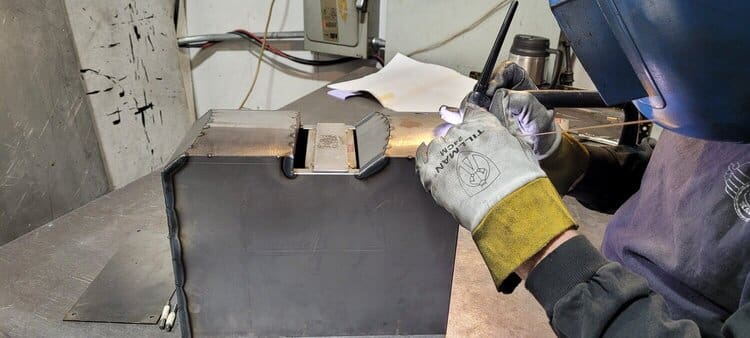
A welded assembly is a group of metal parts joined by welds. This process creates a strong and lasting bond between pieces. Welding holds parts tightly without extra hardware. It makes structures stable and durable. Understanding the basics helps in choosing the right welding method. It also ensures good quality and safety of the assembly.
Welding involves melting metals at the joint. The melted area cools and fuses the parts together. Different welds suit different needs. Some welds are simple, while others need skill. Knowing these types helps in making better choices.
Types Of Weld Joints
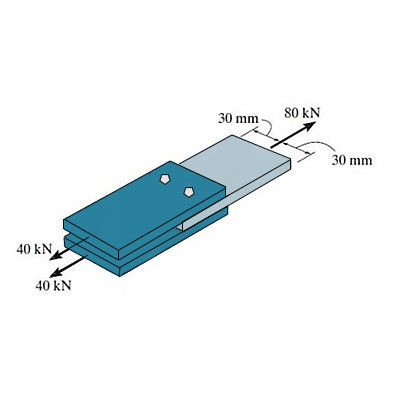
There are several common types of weld joints. Butt joints join two parts end to end. Lap joints overlap one part over another. T-joints connect parts at right angles. Corner joints join parts at the edge. Each type fits different shapes and uses. The choice depends on strength and design needs.
Common Welding Techniques
Several welding techniques exist for various tasks. Arc welding uses an electric arc to melt metals. MIG welding feeds wire automatically into the weld. TIG welding uses a non-consumable tungsten electrode. Each method differs in speed and control. Picking the right technique improves the final product.
Strength And Durability
Weld joints play a key role in the strength and durability of assemblies. They create a solid bond between metal parts. This bond holds the parts firmly together under various conditions. Welded assemblies often show higher strength than those joined by bolts or rivets. Durability is also a major benefit, as welds resist wear and tear over time.
The quality of the weld directly affects the assembly’s performance. Proper welding techniques ensure lasting connections. Poor welds can lead to weak spots and early failure. Understanding the strength and durability of weld joints helps in choosing the right method for construction and repair.
Load-bearing Capacity
Welded joints can carry heavy loads without breaking. The weld fuses the metal parts into one solid piece. This increases the joint’s ability to hold weight. Many structures rely on welds to support heavy machinery and equipment. A strong weld spreads the load evenly across the joint. This reduces the chance of cracks or breaks.
Resistance To Stress And Fatigue
Stress and fatigue often cause metal parts to fail over time. Welded joints resist these forces better than many other fasteners. The continuous metal connection absorbs stress more evenly. This lowers the risk of cracks forming under repeated use. Welded assemblies last longer in tough environments. They maintain their strength even after many stress cycles.
Cost-effectiveness
Cost-effectiveness is a key reason many industries choose welded assemblies. Welding joins parts tightly, reducing extra materials and labor. The process saves money without sacrificing strength or quality.
Welded joints provide a strong bond that lasts. This strength allows designers to use less material. It also speeds up the building process. The result is a more affordable product overall.
Material Savings
Welding cuts down the need for extra fasteners like bolts or screws. This reduces the cost of buying those parts. Less material means less weight too. Lightweight assemblies cost less to ship and handle. Welding joins parts directly, so less filler material is needed. This helps save money on raw materials.
Labor Efficiency
Welding often takes less time than other joining methods. Skilled welders can join parts quickly and securely. This lowers labor costs and speeds up production. Fewer steps are needed, which reduces errors and rework. Fast assembly means products reach the market sooner. Efficient labor adds to the overall cost savings.
Credit: www.approvedsheetmetal.com
Design Flexibility
Design flexibility is a key advantage of assemblies fastened by weld joints. Welding allows joining different metal parts with strong, durable bonds. This method supports a wide range of designs, shapes, and sizes. It suits many industrial and creative projects. Welded assemblies can adapt to specific needs and changes easily.
Complex Shapes And Sizes
Welding can join metals in complex shapes and sizes. It fits parts that other fastening methods cannot handle. Curves, angles, and unusual forms become possible. Large or small components join seamlessly. This flexibility helps designers bring unique ideas to life. It also saves time and material during assembly.
Customization Options
Welded assemblies offer many customization options. Designers can adjust weld types, positions, and thickness. They can choose different metals and finishes. This variety meets exact strength and appearance needs. Custom welds improve performance and style. Projects become more efficient and tailored to purpose.
Improved Aesthetics
Welded joints offer a clean and polished look for many assemblies. The connection is not just strong but visually appealing. This improves the overall design and appearance of metal structures and products.
Welds can be made smooth and even. This creates a continuous surface that looks neat and tidy. The visual flow of the assembly is enhanced, making it more attractive to the eye.
Seamless Joints
Welding joins parts without gaps or overlaps. The weld beads can be ground down to blend with the metal surface. This process removes rough edges and bumps.
The result is a joint that looks like one solid piece. This seamless finish adds to the aesthetic value. It suits products where appearance matters, such as furniture and decorative items.
Surface Finish Options
After welding, many surface treatments improve the look further. Polishing, painting, or powder coating can be applied. These finishes hide weld marks and protect the metal.
Each finish type adds a unique texture or color. This allows customization for different styles and uses. The final product looks professional and well-crafted.
Applications In Industry
Weld joints hold many parts tightly together in many industries. These joints create strong and lasting connections. They help build things that need to be safe and durable. Industries use weld joints in many ways to make products better and safer. The following are key areas where welded assemblies play a big role.
Automotive Sector
Cars and trucks rely on welded joints for strength and safety. The car body, frame, and engine parts use welds. These joints keep vehicles stable during travel. Welding helps make parts lighter and stronger. It also speeds up the manufacturing process. Welded joints help meet safety rules in the automotive world.
Construction And Infrastructure
Buildings and bridges need strong welds to stay steady. Steel beams and supports are joined by welds. This makes structures able to hold heavy loads. Welded joints resist weather and wear over time. They help complete projects faster and with less cost. Welding is key to building safe homes and offices.
Aerospace And Defense
Planes and defense machines use welding for critical parts. Welds join metal pieces that face great pressure. Strong welds ensure safety during flights and operations. Welding helps reduce weight while keeping strength. This is important for fuel efficiency and performance. Welded assemblies are trusted in harsh environments.
Challenges And Considerations
Assemblies fastened by weld joints face unique challenges. Ensuring strong, durable connections is essential. Different metals and designs add complexity to the welding process. Careful planning and control help prevent weak points and failures. Skilled workers and proper tools improve joint quality. Understanding these challenges is key for successful welding projects.
Quality Control
Quality control ensures welds meet required standards. It involves monitoring welding parameters like heat and speed. Consistent quality prevents cracks and weak spots. Materials must be clean and prepared before welding. Proper techniques reduce the risk of defects. Quality control helps extend the life of welded assemblies.
Inspection And Testing
Inspection checks welds for flaws or damage. Visual inspections catch surface cracks and gaps. Non-destructive testing methods reveal hidden defects inside welds. Common tests include ultrasonic, X-ray, and dye penetrant. Testing confirms weld strength and safety. Regular inspections maintain assembly reliability over time.
Credit: www.assemblymag.com
Credit: homework.study.com
Frequently Asked Questions
What Is An Assembly Fastened By Weld Joints?
An assembly fastened by weld joints uses heat to join metal parts. The weld creates a strong, permanent bond between components for structural integrity.
How Do Weld Joints Improve Assembly Strength?
Weld joints fuse metal surfaces, eliminating gaps and increasing load-bearing capacity. This results in a durable and rigid assembly that resists stress and deformation.
Are Welded Assemblies Better Than Bolted Ones?
Welded assemblies provide a continuous bond and better strength. Bolted joints allow disassembly but may loosen over time. Welds are preferred for permanent, heavy-duty structures.
What Types Of Weld Joints Are Commonly Used?
Common weld joints include butt, lap, corner, edge, and T-joints. Each type suits different assembly needs and shapes, ensuring optimal strength and fit.
Conclusion
Weld joints hold parts tightly and create strong assemblies. They save time and reduce the need for extra fasteners. Welded assemblies often last longer and handle stress well. Choosing the right welding method matters for quality and safety. Understanding weld joints helps in making better designs.
This knowledge benefits engineers and builders alike. Welded assemblies remain a popular choice in many industries. They combine strength, efficiency, and reliability in one solution.