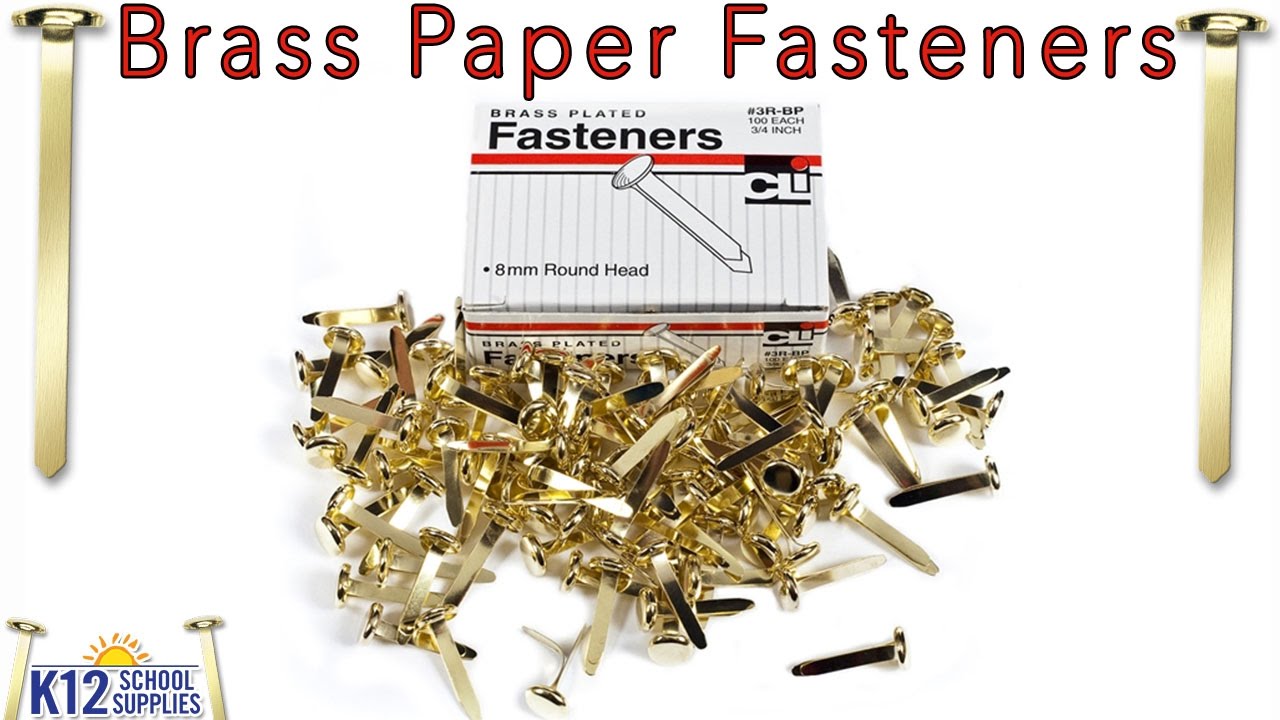
Are you stuck trying to find a quick fix because you don’t have a brass fastener on hand? Whether you’re working on a craft project, organizing papers, or putting together a DIY task, not having the right tool can slow you down.
But don’t worry—there are simple, effective alternatives you can use right now. You’ll discover easy swaps that work just as well, saving your time and keeping your project moving forward. Keep reading to find the perfect solution you never knew you had!
Credit: www.youtube.com
Common Issues With Brass Fasteners
Brass fasteners have been popular for many uses. Yet, they come with some common problems. These issues may affect your choice of fasteners. Understanding these problems helps you find better alternatives.
Limitations Of Brass
Brass fasteners are soft and can bend easily. They are not strong enough for heavy loads. Over time, brass can wear out or break. They also do not resist corrosion well in some environments. This limits their use in outdoor or wet areas.
Environmental Impact
Brass contains copper and zinc, which need mining. Mining harms the earth and uses a lot of energy. Brass fasteners may also release harmful substances when discarded. This makes them less eco-friendly than other materials. Choosing greener options helps protect the environment.
Cost Considerations
Brass fasteners often cost more than steel or plastic ones. Their price can increase project expenses. For large jobs, this cost difference becomes very clear. Budget constraints might push you to find cheaper fastener types. Cost efficiency is key for many users.
Steel Fasteners
Steel fasteners are a common choice for many projects. They offer a strong hold and come in many forms. These fasteners work well in place of brass fasteners for many tasks. Their strength and reliability make them useful in construction, crafts, and repairs.
Types Of Steel Fasteners
There are many types of steel fasteners. Bolts, screws, nails, and rivets are popular options. Each type fits different needs and materials. Some have smooth finishes, while others have threads for gripping. Choose the type that matches your project needs best.
Durability And Strength
Steel fasteners are known for their strength. They hold parts tightly together without bending easily. Steel resists wear and tear better than many metals. This makes steel fasteners ideal for heavy or outdoor use. They keep structures firm and safe over time.
Corrosion Resistance
Steel fasteners often have coatings to resist rust. Galvanized or stainless steel fasteners last longer in wet conditions. These coatings protect the metal from moisture and damage. Using corrosion-resistant steel fasteners helps maintain strength. This makes them good for outdoor and humid environments.
Aluminum Fasteners
Aluminum fasteners serve as a great alternative to brass fasteners. They offer strength and flexibility while being lighter. Aluminum is easy to shape and install, making it popular in many projects. These fasteners work well in both indoor and outdoor environments.
Lightweight Benefits
Aluminum fasteners weigh less than brass. This makes handling and installation easier. Reduced weight helps lower overall project costs. They put less stress on materials, which improves durability. Ideal for applications where weight matters most.
Use Cases
Aluminum fasteners fit many uses. They are common in automotive and aerospace industries. Also used in electronics and lightweight construction. Perfect for crafts and DIY projects. They hold materials firmly without adding heavy bulk.
Corrosion Behavior
Aluminum resists rust better than many metals. It forms a protective layer when exposed to air. This layer stops further corrosion from moisture. Works well in humid or wet conditions. Needs less maintenance than brass fasteners.
Credit: www.walmart.com
Plastic Fasteners
Plastic fasteners offer a lightweight and versatile alternative to brass fasteners. They come in many types and serve different purposes. Plastic fasteners resist rust and corrosion, making them ideal for damp environments. Their non-metallic nature also means they do not conduct electricity. These fasteners fit well in crafts, electronics, and light-duty assemblies.
Material Varieties
Plastic fasteners come in nylon, polypropylene, and polyethylene. Nylon is strong and flexible, good for repeated use. Polypropylene resists chemicals and moisture well. Polyethylene offers good toughness and is cheaper. Each type suits different environments and needs.
Advantages And Drawbacks
Plastic fasteners do not rust or corrode. They are lightweight and easy to handle. They do not scratch delicate surfaces. Their colors can vary for easy identification. Plastic fasteners may not hold as tightly as metal ones. They can break under high stress or heat. Choose plastic fasteners for light to medium tasks.
Applications
Plastic fasteners are common in office supplies and crafts. Electronics use them for insulation and lightweight assembly. Toys and household items often rely on plastic fasteners. They work well in outdoor gear exposed to moisture. Plastic fasteners suit projects needing easy, safe fastening.
Copper Fasteners
Copper fasteners offer a strong and attractive alternative to brass fasteners. Copper is a popular choice for many projects due to its unique properties. It combines both beauty and function in one material.
Copper fasteners suit various uses, from crafts to construction. Their natural color and finish add warmth to any design. They also resist corrosion well, making them practical for long-term use.
Aesthetic Appeal
Copper fasteners have a rich, reddish-brown color. They develop a natural patina over time. This adds character and a vintage look. The warm tones of copper often match wood and other natural materials beautifully.
The shine of new copper fasteners is bright and eye-catching. They bring a classic yet modern feel to projects. Many designers prefer copper for its unique look.
Durability Factors
Copper fasteners resist rust and corrosion better than many metals. They withstand moisture and outdoor conditions well. Copper is softer than steel but still strong enough for many uses.
Over time, copper forms a protective layer called patina. This layer protects the metal underneath. It helps copper fasteners last longer in harsh environments.
Cost And Availability
Copper fasteners usually cost more than brass or steel options. The price depends on copper market rates. They are widely available at hardware stores and online.
Buying copper fasteners in bulk can reduce costs. Their durability may save money over time by needing fewer replacements. Copper remains a practical choice despite the higher price.
Stainless Steel Fasteners
Stainless steel fasteners offer a strong and durable alternative to brass fasteners. They work well in many different projects. Their resistance to rust and wear makes them a top choice for many tasks.
Corrosion Resistance
Stainless steel fasteners resist rust and corrosion very well. They stay strong even in wet or salty conditions. This makes them perfect for outdoor use or places with moisture. They do not weaken or break down easily over time.
Strength And Longevity
These fasteners are known for their high strength. They hold materials tightly and last a long time. Stainless steel fasteners can handle heavy loads and rough use. They keep their shape and do not bend or break easily.
Common Uses
People use stainless steel fasteners in many places. They are common in construction, boats, and kitchen appliances. Also, they appear in electronics and automotive parts. Their strong build and rust resistance make them useful everywhere.
Composite Fasteners
Composite fasteners offer a modern alternative to traditional brass fasteners. These fasteners combine different materials to create strong and lightweight connectors. They suit many applications where metal fasteners may not work well. Their design focuses on durability and ease of use.
Material Composition
Composite fasteners are made from a mix of plastic and fiber. Common fibers include glass or carbon, which add strength. The plastic matrix holds the fibers together. This blend creates a fastener that resists corrosion and rust. It also keeps the fastener light and strong.
Performance Features
These fasteners resist moisture and chemicals better than metal. They do not conduct electricity, ideal for electronic projects. Composite fasteners offer good tensile strength and flexibility. They maintain their shape even under stress. Their surface often resists scratches and wear.
Suitability For Various Projects
Composite fasteners work well in outdoor and marine environments. They suit aerospace and automotive uses due to their light weight. These fasteners are perfect for electronics and appliances. Crafts and DIY projects also benefit from their easy handling. Their non-metal nature prevents damage to sensitive materials.
Choosing The Right Alternative
Choosing the right alternative to a brass fastener depends on several key factors. Each project has unique needs. Understanding these needs helps find the best substitute. Consider what the project requires, the environment it will face, and the budget available. These points guide your choice and ensure a good fit.
Project Requirements
Think about the strength needed for your project. Some alternatives offer more durability than brass fasteners. Others provide better flexibility or easier removal. Size and appearance also matter. Choose a fastener that matches the material and style of your project. The right fit makes your work look neat and last longer.
Environmental Conditions
Consider where the fastener will be used. Outdoors needs rust-resistant materials. Indoor projects might allow less durable options. High humidity or water exposure calls for corrosion-proof fasteners. Temperature changes can affect some metals. Pick a material that stands up to the conditions. This prevents damage and keeps parts secure.
Budget Constraints
Cost plays a big role in choosing fasteners. Brass can be expensive compared to other metals or plastics. Look for alternatives that fit your budget without losing quality. Bulk purchases often lower prices. Balance cost with performance to get the best value. Saving money is good, but not at the expense of durability.

Credit: www.knifekits.com
Frequently Asked Questions
What Are Common Alternatives To A Brass Fastener?
Common alternatives include paper clips, binder clips, split pins, and rivets. These options securely hold papers or materials together without brass fasteners.
Can I Use Paper Clips Instead Of Brass Fasteners?
Yes, paper clips are a simple, reusable alternative. They hold papers temporarily and work well for light documents or crafts.
Are Binder Clips A Good Substitute For Brass Fasteners?
Binder clips are strong and easy to use. They hold thick stacks firmly and are ideal for temporary binding needs.
What Fasteners Work Best For Craft Projects, Not Brass Fasteners?
Split pins, rivets, or plastic fasteners work well. They offer durability and flexibility for various craft applications.
Conclusion
Choosing the right alternative to a brass fastener can save time and effort. Paper clips, staples, or binder clips work well for many tasks. Each option offers unique benefits depending on your project needs. Trying different choices helps find the best fit.
Keep your materials secure without brass fasteners. Simple tools often solve common problems effectively. Explore these options and keep your work neat.