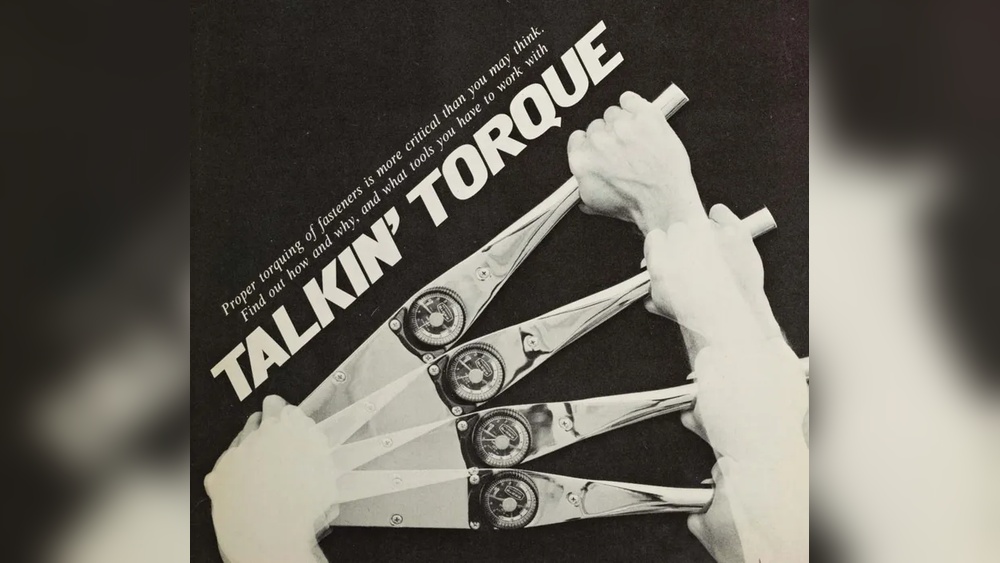
When torquing fasteners, it is critical to get it just right. If you apply too little force, your connection could come loose.
Apply too much, and you risk damaging the parts or the fastener itself. You might not realize how much this simple step affects the safety and durability of your project. You’ll discover the key reasons why precise torque matters and how mastering this skill can save you time, money, and headaches down the road.
Keep reading to learn how to protect your work and ensure everything stays tight and secure.

Credit: www.mudgefasteners.com
Importance Of Torque Accuracy
Torque accuracy means applying the correct force to fasteners. This is key for safety and machine performance. Too much or too little torque can cause problems. Proper torque ensures parts stay tight without damage.
Accurate torque helps avoid costly repairs and downtime. It also extends the life of equipment. Workers must use tools that measure torque precisely. Following torque specifications keeps everything working well.
Effects Of Over-tightening
Over-tightening fasteners can cause serious damage. Threads may strip or break under excess force. This weakens the connection and can lead to failure.
Parts may crack or warp if tightened too much. This affects the whole assembly’s strength. Over-tightened bolts also make future removal difficult. It wastes time and can require new parts.
Risks Of Under-tightening
Under-tightening fasteners is equally risky. Loose bolts can vibrate loose over time. This leads to parts separating or moving unexpectedly.
Under-tightened joints may leak fluids or air. This reduces system efficiency and safety. It can cause accidents or machine breakdowns. Correct torque prevents these issues and keeps machines safe.
Choosing The Right Torque Tools
Choosing the right torque tools is essential for accurate fastener tightening. The right tool ensures safety and prevents damage to parts. It also saves time and effort on every job.
Manual Torque Wrenches
Manual torque wrenches are simple and reliable. They do not need batteries or power sources. You can set the torque value by turning the handle. When the set torque is reached, the wrench clicks. This click tells you to stop tightening. Manual wrenches are good for most everyday tasks. They are easy to use and affordable.
Digital Torque Tools
Digital torque tools show torque readings on a screen. They offer more precise measurements than manual wrenches. These tools can store data for future use. Some models provide alerts when you reach the right torque. Digital tools work well for jobs needing high accuracy. They need batteries and careful handling.
Calibration And Maintenance
Torque tools must be calibrated regularly to stay accurate. Calibration compares the tool’s reading to a known standard. Over time, tools can lose accuracy from use. Proper maintenance includes cleaning and storing tools correctly. Wrenches should be checked for damage before each use. Calibrated and well-maintained tools improve safety and results.
Torque Specifications And Standards
Torque specifications and standards guide the proper tightening of fasteners. They ensure safety, reliability, and performance in assemblies. Following these rules prevents damage and failure. Understanding these standards helps in selecting the right torque for each fastener.
Manufacturer Guidelines
Fastener makers provide torque values for their products. These guidelines show the exact force needed to tighten bolts safely. Always check the manufacturer’s manual before applying torque. Ignoring these values can cause fastener breakage or loosening.
Industry Standards
Different industries follow specific torque standards. These rules come from organizations like ISO, ANSI, and SAE. They set clear limits on torque for various fasteners and materials. Following industry standards ensures compatibility and safety across projects.
Material Considerations
Materials affect how much torque a fastener can handle. Metals like steel and aluminum have different strength levels. Softer materials need less torque to avoid damage. Knowing the material helps set the correct torque value to protect parts.
Techniques For Consistent Torque Application
Applying the right torque to fasteners ensures safety and durability. Consistent torque prevents damage and loosening. Using proper techniques helps achieve this consistency. These methods reduce errors and improve reliability. The following sections explain key techniques.
Proper Fastener Preparation
Clean fasteners before torquing. Dirt and grease affect torque readings. Use a wire brush or cloth to remove debris. Check for rust or damage. Replace any worn fasteners. Lubricate threads if needed, but use correct lubricant. This avoids incorrect torque due to friction changes.
Step-torque Method
Tighten fasteners in steps. Start with a low torque value. Increase torque gradually until reaching the target. This method allows fasteners to seat evenly. It reduces stress and prevents stripping. Follow a star or cross pattern for multiple fasteners. This balances pressure and improves joint strength.
Using Torque Multipliers
Torque multipliers help apply high torque easily. They reduce effort and increase accuracy. Use them for large or hard-to-turn fasteners. Check the multiplier’s ratio before use. Always verify torque with a calibrated wrench. This ensures the correct force is applied.
Safety Precautions During Torquing
Safety is the top priority during torquing fasteners. Proper precautions reduce risks of injury and damage. This section explains key steps to stay safe. Follow these rules to protect yourself and others.
Personal Protective Equipment
Wear gloves to protect your hands from sharp edges and slipping tools. Safety glasses shield your eyes from debris and flying particles. Use sturdy footwear to prevent foot injuries from dropped tools or fasteners. Always check your gear before starting work.
Work Environment Setup
Keep the work area clean and free of clutter. Good lighting helps you see the fastener clearly. Make sure tools and parts are within easy reach. Avoid wet or slippery floors to reduce slip hazards. Organize cables and cords to prevent tripping.
Avoiding Common Hazards
Do not use damaged or worn tools. Check torque wrenches for accuracy regularly. Apply force steadily to avoid sudden slips. Stay alert and avoid distractions while torquing. Never force a fastener beyond its limit to prevent breakage.

Credit: www.hotrod.com
Common Errors And How To Avoid Them
Torquing fasteners correctly prevents failures and ensures safety. Many common errors can cause problems during the process. Knowing these mistakes helps you avoid costly repairs and downtime.
Incorrect Tool Usage
Using the wrong tool affects torque accuracy. A wrench that does not fit well can slip and damage the fastener. Always select tools designed for the specific fastener size and type. Avoid using worn or damaged tools. They do not apply torque evenly and risk injury.
Ignoring Calibration
Torque tools lose accuracy over time. Not calibrating tools regularly leads to incorrect torque values. This causes fasteners to be too loose or too tight. Set a schedule to check and calibrate tools. Calibration keeps tools reliable and ensures safe assembly.
Fastener Damage
Over-tightening or under-tightening fasteners causes damage. Threads can strip or break, weakening the joint. Inspect fasteners before use. Replace any that show signs of wear or damage. Proper torque prevents fastener failure and maintains strength.
Benefits Of Precision Torquing
Precision torquing is essential for fastening tasks. It ensures fasteners are tightened to the exact required force. This accuracy prevents problems caused by over-tightening or under-tightening. Precision torquing improves the overall performance of machines and structures.
Enhanced Equipment Reliability
Correct torque levels keep fasteners secure and stable. This reduces the chance of loosening during operation. Equipment works smoothly and without unexpected breakdowns. It increases the lifespan of machinery and parts. Reliable equipment means fewer interruptions in work processes.
Reduced Maintenance Costs
Accurate torquing lowers the risk of damage to parts. It prevents costly repairs caused by loose or damaged fasteners. Maintenance becomes easier and less frequent. Businesses save money on replacement parts and labor. Precise torque settings help avoid expensive downtime.
Improved Safety Outcomes
Fasteners tightened to the right torque reduce hazards. It stops parts from coming loose and causing accidents. Workers and users stay safer around well-maintained equipment. Proper torque helps meet safety standards and regulations. Safety risks drop with precise fastening practices.

Credit: www.enginelabs.com
Frequently Asked Questions
What Is The Importance Of Torquing Fasteners Correctly?
Proper torquing ensures fasteners hold components securely without damage. It prevents loosening, improves safety, and extends equipment life.
How Does Incorrect Torque Affect Fastener Performance?
Incorrect torque can cause fasteners to loosen or break. Over-tightening leads to damage, while under-tightening risks joint failure.
Why Use A Torque Wrench For Fasteners?
A torque wrench applies precise torque, ensuring fasteners are tightened to specifications. It prevents overtightening and under-tightening issues.
When Should Fasteners Be Re-torqued?
Fasteners should be re-torqued after initial installation or after vibration exposure. This maintains proper clamping force and safety.
Conclusion
Properly torquing fasteners ensures safety and durability in any project. Tighten bolts evenly and to the right specification. Avoid overtightening to prevent damage or failure. Use a calibrated torque wrench for best results. Check fasteners regularly to maintain secure connections.
Small steps make a big difference in performance. Trust careful work to protect your equipment and yourself.