If you’re a parent or caregiver looking for an easy, secure way to fasten cloth diapers, Snappi cloth diaper fasteners are a game-changer. But if you’re unsure how to use them or worried about leaks and discomfort, you’re not alone.
This guide will show you step-by-step how to master Snappi fasteners quickly and confidently. By the end, you’ll feel ready to keep your baby dry and comfortable without any hassle. Keep reading to discover simple tips that make diaper changes faster and stress-free.
What Are Snappi Cloth Diaper Fasteners
Snappi cloth diaper fasteners offer a simple way to secure cloth diapers. They replace traditional safety pins with a safer and easier option. These fasteners hold the diaper snugly without poking or scratching your baby.
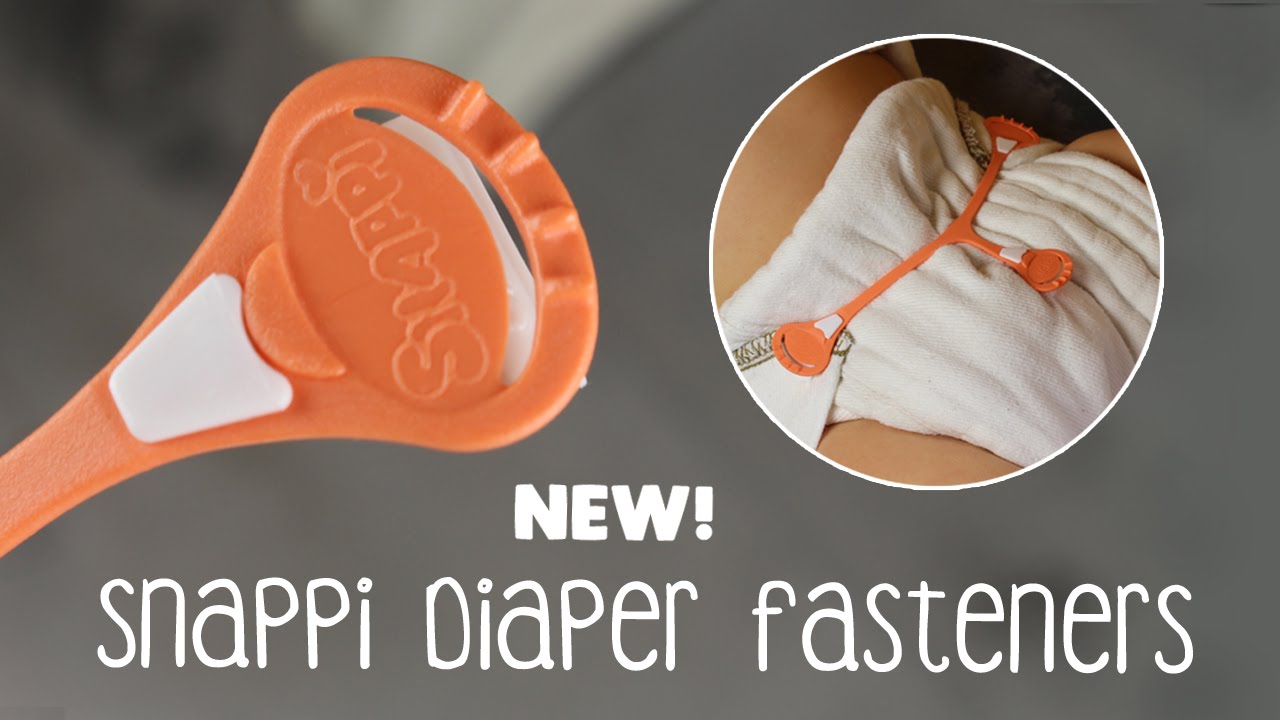
Designed with soft, flexible material, Snappi fasteners grip the diaper fabric firmly. They have three gripping arms that attach to the diaper’s edges. This design keeps the diaper in place through daily activities.
What Is A Snappi Cloth Diaper Fastener?
A Snappi fastener is a small, T-shaped clip. It fastens the cloth diaper without pins or snaps. Made from soft plastic, it is gentle on baby’s skin.
How Do Snappi Fasteners Work?
Snappi fasteners use three gripping arms. Each arm hooks onto the diaper fabric. This creates a tight and secure hold. The fastener stretches slightly to fit snugly.
Why Choose Snappi Fasteners Over Pins?
They prevent needle pricks and injuries. Pins can open and poke the baby. Snappi fasteners stay closed and safe. They also save time when changing diapers.

Credit: www.youtube.com
Choosing The Right Snappi Fastener
Choosing the right Snappi fastener makes cloth diapering easier and safer. A good fastener keeps the diaper snug and prevents leaks. It also protects your baby’s skin from irritation. Understanding material, size, and safety helps pick the best one for your needs.
Material Options
Snappi fasteners usually come in plastic or silicone. Plastic is lightweight and affordable. Silicone feels softer and lasts longer. Both materials resist moisture well. Choose a material that feels comfortable to touch. Avoid rough or sharp edges to protect baby’s skin.
Size And Strength
Snappi fasteners come in different sizes for newborns and toddlers. Smaller fasteners fit tiny diapers better. Larger ones hold bigger diapers firmly. Strength matters to keep diapers secure during play. Pick a fastener that holds tight but stretches a little for comfort.
Safety Features
Safety is key with any fastener. Snappi fasteners have rounded ends to prevent poking. They use strong gripping teeth to hold fabric safely. Avoid fasteners with loose parts that can fall off. Check for smooth finishes that won’t scratch delicate skin.
Preparing Your Diaper For Snappi
Preparing your diaper correctly helps the Snappi fastener work well. A good start makes diapering easier and keeps your baby comfortable. Focus on folding and positioning the diaper before attaching the Snappi. These steps create a snug fit without gaps or leaks.
Folding Techniques
Fold the diaper into a triangle shape. Lay the diaper flat and bring one corner to the opposite side. Smooth out wrinkles and make the edges even. The fold should fit your baby’s size and shape. Make sure the diaper is not too thick or bulky.
Positioning The Diaper
Place the folded diaper under your baby’s bottom. The point of the triangle goes between the legs. The wide edges should wrap around the waist. Adjust the diaper so it covers the front and back well. Keep the diaper snug but not too tight for comfort.
Step-by-step Fastening Process
Using Snappi cloth diaper fasteners is simple and quick. Follow the step-by-step process to secure the diaper properly. This method keeps the diaper snug and comfortable for your baby. Each step ensures the diaper stays in place without leaks.
Attaching The Snappi
Start by placing the cloth diaper under your baby. Hold the Snappi fastener with the hook side facing down. Attach one end of the Snappi to the front center of the diaper. Gently stretch the fastener to the left side of the diaper. Hook it securely on the fabric.
Next, stretch the fastener to the right side. Attach the second hook firmly on the fabric. The Snappi should now form a triangle shape with three hooks attached. This shape helps keep the diaper tight and balanced.
Securing The Clips
Make sure each hook grips the diaper fabric well. Press the clips firmly but avoid pulling too hard. The hooks should catch the fabric without tearing it. Check all three clips for a strong hold. This prevents the diaper from coming loose during movement.
Adjust the hooks if needed to find the best grip. The fastener should feel secure but not too tight. Proper clip placement keeps the diaper stable all day.
Adjusting For Comfort
Once the Snappi is attached, check your baby’s comfort. The diaper should fit snugly without pinching the skin. Adjust the fastener if it feels too tight or loose. Move the hooks slightly to allow room for movement.
Ensure the diaper edges lie flat against your baby’s body. Smooth out any wrinkles or folds. A comfortable fit prevents leaks and skin irritation. Snappi fasteners make cloth diapering easy and safe.
Tips For First-time Users
Using Snappi cloth diaper fasteners for the first time can feel tricky. These fasteners are simple but need a careful touch. A few tips can help new users feel more confident. This guide covers common mistakes, practice tips, and ways to solve problems.
Common Mistakes To Avoid
Placing the Snappi too close to the edge can cause slipping. Attach it to thick fabric, not thin layers. Avoid pulling the fastener too hard; it might break. Many users forget to check if the fastener’s teeth are gripping well. Not adjusting the tension can lead to leaks or discomfort.
Practice Tips
Start by practicing on a flat surface. Attach the fastener slowly and evenly. Feel how the teeth grab the cloth. Try using the fastener on different fabric thicknesses. Practice helps you learn the right pressure and angle. Repeat the steps until you feel sure.
Troubleshooting
If the fastener slips, reposition it slightly. Check for worn or bent teeth. Clean the fastener if dirt blocks the grip. Replace the Snappi if it breaks or loses tension. Keep extras handy to avoid stress during diaper changes.

Credit: kdfoundation.org
Cleaning And Maintaining Snappi Fasteners
Cleaning and maintaining Snappi fasteners keeps them working well. It also helps them last longer. Proper care prevents dirt and build-up that can reduce their grip. Follow simple steps to keep your Snappi fasteners clean and strong for every diaper change.
Washing Instructions
Rinse Snappi fasteners with warm water after each use. Use mild soap if needed to remove residue. Avoid harsh chemicals or bleach that can damage the material. Let them air dry completely before storing or using again. Do not put Snappi fasteners in the washing machine or dryer.
Storage Tips
Store Snappi fasteners in a dry, clean place. Avoid damp areas to prevent rust or mold. Keep them away from direct sunlight to stop plastic parts from breaking down. Use a small container or pouch to keep fasteners together and safe.
When To Replace
Replace Snappi fasteners if they lose grip or stretch out. Bent or broken arms reduce their hold on the diaper. Check regularly for cracks or missing parts. Using worn fasteners can cause leaks or discomfort for your baby.
Benefits Of Using Snappi Fasteners
Snappi fasteners offer many benefits for cloth diaper users. They are easy to use, safe, and reliable. These fasteners hold diapers snugly in place without pins or snaps. Many parents choose Snappi fasteners for their practicality and comfort.
Cost-effectiveness
Snappi fasteners save money over time. They last through many diaper changes without breaking. No need to buy expensive disposable diapers. A single Snappi fastener can replace many diaper pins. This makes diapering more affordable for families.
Eco-friendly Advantages
Snappi fasteners reduce waste. They help parents use cloth diapers instead of disposables. Cloth diapers with Snappi fasteners cut down landfill trash. The fasteners are reusable and durable. This supports a cleaner environment and less pollution.
Ease Of Use
Snappi fasteners are simple to attach and remove. Their design grips fabric securely without hurting baby. No sharp pins to poke or scratch. Parents find them quick and safe to use. This makes diaper changes faster and less stressful.
Credit: www.youtube.com
Alternatives To Snappi Fasteners
Snappi fasteners are popular for cloth diapers, but some parents want other options. Different fasteners suit different needs and preferences. Exploring alternatives helps find what works best for your baby.
Velcro Options
Velcro fasteners are easy to use and adjust. They stick quickly and keep diapers secure. Velcro is soft and gentle on baby’s skin. It allows fast diaper changes. Some Velcro options come with covers to protect the hook part.
Traditional Pins
Cloth diaper pins are classic and very affordable. They need careful handling to avoid pricks. Pins offer a strong hold and do not wear out. Some pins have safety closures for extra security. They work well with many cloth diaper types.
Other Fastener Types
Snap buttons are another choice for cloth diapers. They provide a firm and adjustable fit. Some parents use hook-and-loop tapes instead of Velcro. Elastic bands can help keep diapers snug. Different fasteners serve different diaper styles and needs.
Frequently Asked Questions
What Are Snappi Cloth Diaper Fasteners?
Snappi fasteners are stretchy, safe clips that replace pins for cloth diapers. They secure diapers snugly without harm or discomfort to babies.
How Do I Attach Snappi Fasteners Properly?
Hook the fastener’s three arms onto the diaper edges. Stretch gently to ensure a tight, secure fit around the baby’s waist.
Can Snappi Fasteners Be Reused Safely?
Yes, Snappi fasteners are durable and reusable. Clean them after each use to maintain hygiene and prolong their lifespan.
Are Snappi Fasteners Safe For Newborns?
Absolutely. Snappi fasteners have no sharp edges and provide a secure, gentle hold suitable for newborns and older babies.
Conclusion
Using Snappi cloth diaper fasteners makes diaper changes quick and easy. They hold diapers securely without hurting your baby’s skin. Practice a few times to get comfortable attaching them. These fasteners save time and keep diapers in place well. Choose Snappi for a simple, safe diapering option.
Your baby stays happy and dry throughout the day. Give Snappi a try and see the difference yourself. Simple, safe, and effective—just what every parent needs.