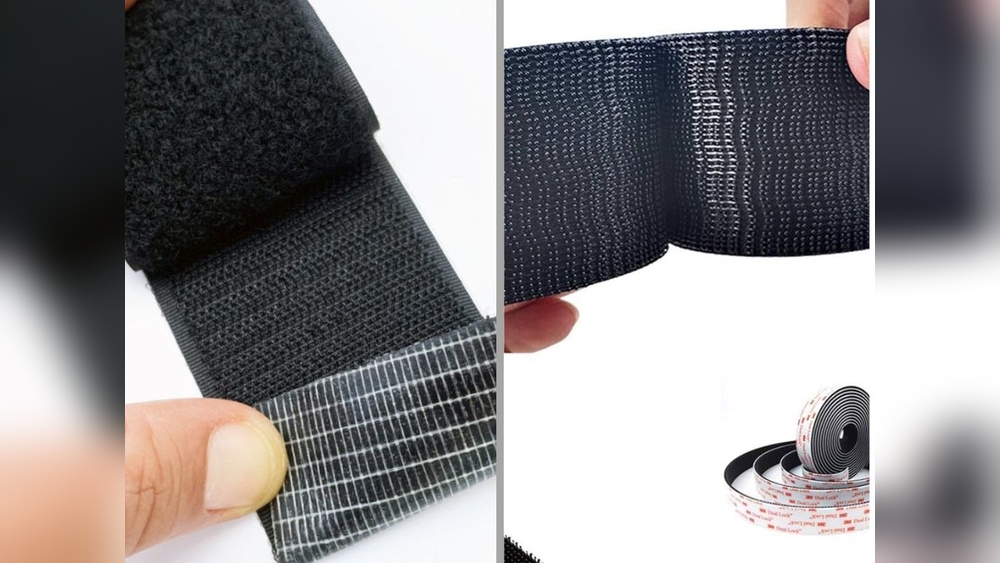
Have you ever struggled with buttons that won’t fasten or zippers that get stuck? Velcro fasteners can be the simple solution you didn’t know you needed.
They make securing items quick, easy, and reliable. Whether you want to organize your space, fix clothing, or create DIY projects, learning how to use Velcro fasteners will save you time and frustration. Keep reading, and you’ll discover practical tips that will change the way you handle everyday tasks.
Your life is about to get a lot more convenient.
Choosing The Right Velcro
Choosing the right Velcro fastener is important for your project’s success. The right choice ensures strong hold and easy use. Consider the type, material, strength, and size before buying. These factors affect how well the Velcro works and lasts.
Types Of Velcro Fasteners
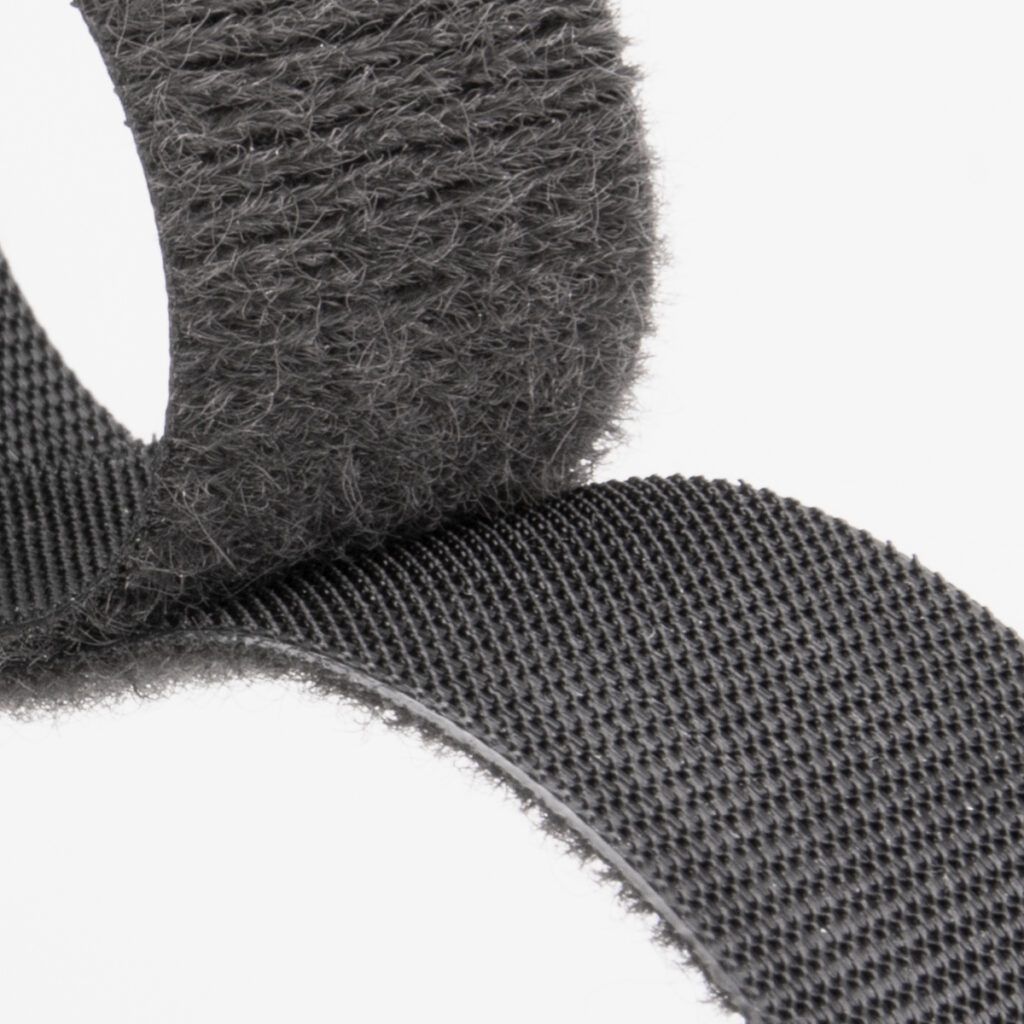
Velcro fasteners come in different types. Hook and loop is the most common. Some have adhesive backing for easy stick-on use. Others need sewing for a stronger hold. Some Velcro is waterproof or heat resistant for special needs.
Selecting Based On Material
Velcro fasteners come in various materials. Nylon is soft and flexible. Polyester is stronger and lasts longer. Choose material based on the surface and conditions. For fabric, soft nylon works well. For rough surfaces, polyester suits better.
Considering Strength And Size
Strength depends on the hook and loop quality. Bigger hooks offer stronger hold but can be rougher. Smaller hooks are softer but less strong. Choose size based on how much weight it must hold. Also, pick the width to match your project needs.
Preparing Surfaces
Preparing surfaces is a key step to make Velcro fasteners stick well. Proper surface preparation helps the adhesive bond stronger and last longer. Clean, smooth surfaces give the best results. Spend some time to get the surface ready before applying the Velcro. This makes your project more reliable and neat.
Cleaning For Better Adhesion
Start by removing dirt, dust, and oils from the surface. Use rubbing alcohol or soapy water and a clean cloth. Wipe the area gently but thoroughly. Let the surface dry completely before applying the Velcro. Avoid touching the cleaned spot with your fingers. Oils from skin can reduce the stickiness of the adhesive.
Surface Compatibility Tips
Check the type of surface before using Velcro fasteners. Smooth, hard surfaces work best for strong adhesion. Surfaces like plastic, metal, and glass hold the Velcro well. Rough or porous surfaces like fabric or wood may need extra care. Use a primer or extra glue for better grip on these surfaces. Avoid applying Velcro on dusty or oily surfaces as it will fail quickly.
Cutting Velcro Correctly
Cutting Velcro correctly is key to getting a neat and strong hold. A clean cut stops the edges from fraying. It also helps the Velcro pieces fit perfectly on your project. Taking time to cut Velcro the right way saves effort later.
Tools For Precise Cutting
Sharp scissors work best for cutting Velcro. They give a clean and straight edge. A craft knife can help with detailed cuts on smaller pieces. Use a ruler or straight edge to guide the blade. Avoid dull tools; they cause uneven cuts and fraying.
Measuring For Perfect Fit
Measure the area where you want to apply Velcro carefully. Use a tape measure or ruler for accuracy. Mark the exact length on the Velcro with a pencil or fabric chalk. Double-check your marks before cutting. Cutting too long or short can weaken the hold.
Attaching Velcro Fasteners
Attaching Velcro fasteners is simple and useful for many projects. You can fix Velcro on almost any surface. Choosing the right method depends on the material and the use. The most common ways are using adhesive, sewing, or combining Velcro with hardware. Each method holds well if done correctly.
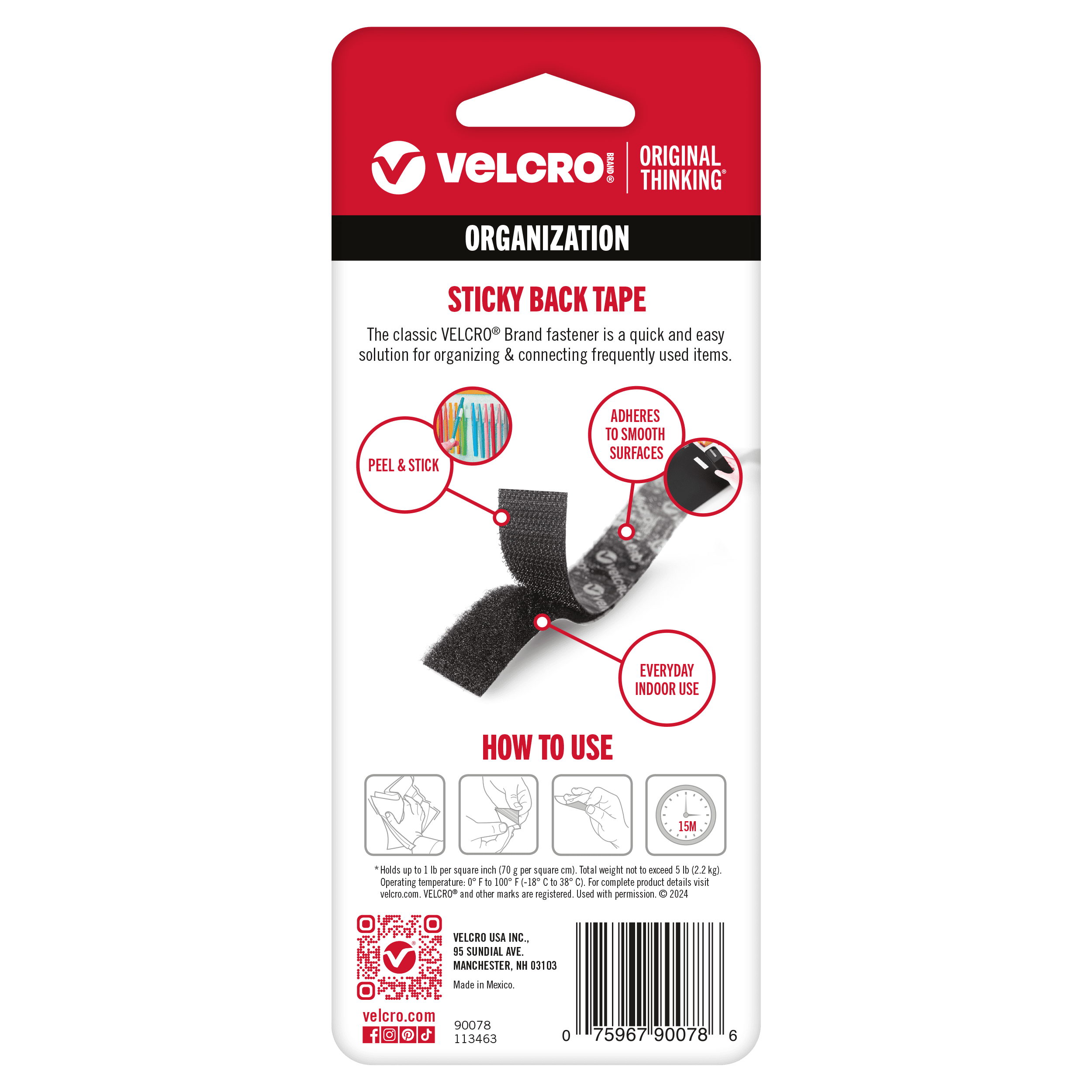
Using Adhesive-backed Velcro
Adhesive-backed Velcro is quick and easy to use. Peel off the paper backing to expose the sticky side. Press the Velcro firmly on a clean, dry surface. Hold it in place for several seconds to ensure it sticks. This method works best on smooth, flat surfaces like plastic or metal. Avoid using adhesive Velcro on rough or dirty materials. Let the glue set for a few hours before use.
Sewing Velcro On Fabric
Sewing Velcro is the strongest way to attach it to fabric. Use a needle and thread or a sewing machine. Pin the Velcro in place before sewing. Stitch around the edges and the middle for extra strength. Use a thread color that matches the fabric or Velcro. Sewing works well for clothes, bags, and other textiles. It holds up well in washing and heavy use.
Using Velcro With Hardware
Velcro can also work with buttons, snaps, or rivets. Attach one side of the Velcro using screws or rivets. The other side sticks to fabric or another surface. This method adds extra security for heavy or outdoor items. It is useful for straps, covers, and gear. Make sure the hardware fits the Velcro size. This combination creates a strong, durable fastener.
Common Uses And Fixes
Velcro fasteners offer a quick and easy way to attach and fix many items. Their strength and reusability make them popular for daily use. Below are common areas where Velcro helps solve everyday problems.
Clothing And Accessories
Velcro works well on shoes, jackets, and hats. It replaces buttons and zippers for fast closure. Kids’ clothes often use Velcro for simple dressing. Wristbands and belts also benefit from Velcro’s easy adjustment. It holds accessories like bags and gloves securely in place.
Home Organization
Velcro helps keep things neat and tidy. Use it to attach remote controls to furniture or walls. It holds cables and cords out of sight. Small tools and kitchen gadgets stick well with Velcro. It helps hang lightweight items without nails or hooks.
Diy Repairs
Velcro is perfect for quick fixes around the house. It can mend torn fabrics or broken straps. Attach cushions to chairs to prevent slipping. Fix loose items on backpacks or sports gear. Velcro allows easy removal and reattachment for repairs.
Credit: www.velcro.com
Maintaining Velcro Performance
Velcro fasteners work best when kept clean and intact. Dirt and debris reduce their stickiness. Over time, hooks and loops wear down. Proper care keeps Velcro strong and lasting longer.
Small efforts help maintain good Velcro performance. Clean hooks and loops often. Avoid rough use that damages the material. These steps keep your Velcro fasteners reliable.
Cleaning Velcro Hooks And Loops
Remove dirt and lint from Velcro hooks by using a fine-tooth comb. Gently pull debris out without breaking hooks. For loops, use a soft brush to clear dust. Avoid washing Velcro with sticky items.
Hand wash Velcro with mild soap and water if very dirty. Let it air dry completely before reuse. Do not use heat or strong chemicals. Clean Velcro sticks better and lasts longer.
Preventing Wear And Tear
Close Velcro fasteners before washing or storing. This stops hooks from catching on other fabrics. Avoid pulling Velcro apart roughly. Open it slowly to protect hooks and loops.
Keep Velcro away from sharp objects and extreme heat. Store items with Velcro in a dry place. Proper handling reduces damage and keeps fasteners working well.
Troubleshooting Velcro Issues
Velcro fasteners can lose their grip over time. Dirt, wear, and poor sticking cause common problems. Troubleshooting helps restore their hold quickly. This guide covers easy fixes to keep Velcro working well.
Fixing Loose Adhesion
Clean the Velcro hooks and loops using a soft brush. Remove dirt and lint stuck inside. Wash with mild soap and water if very dirty. Let it dry completely before using again. Press firmly when attaching to make a strong bond.
Replacing Worn-out Fasteners
Old Velcro loses grip after many uses. Remove the worn strip carefully. Buy a new strip matching the size and type. Use strong adhesive or sew it on for a secure fit. Replace both hook and loop sides for best results.
Credit: www.velcro.com

Credit: www.amazon.com
Frequently Asked Questions
What Are The Main Uses Of Velcro Fasteners?
Velcro fasteners are used in clothing, shoes, bags, and sports gear. They provide quick, secure, and adjustable closures. They are ideal for DIY projects and home organization. Their versatility makes them popular in various industries and everyday life.
How Do You Properly Attach Velcro Fasteners?
Clean the surface before attaching Velcro. Peel off the adhesive backing and firmly press the hook and loop sides together. For sewing, stitch around the edges securely. Proper attachment ensures strong hold and long-lasting use.
Can Velcro Fasteners Be Reused Multiple Times?
Yes, Velcro fasteners can be reused many times. They maintain their grip with repeated opening and closing. Proper care, like keeping them clean, extends their lifespan. Avoiding excessive dirt and damage preserves functionality.
How To Clean Velcro Fasteners Effectively?
Use a fine-toothed comb or brush to remove lint and debris. Wash gently with mild soap and water if needed. Allow them to air dry completely before reuse. Regular cleaning maintains their grip and performance.
Conclusion
Velcro fasteners offer simple and quick solutions for many tasks. They hold items firmly and are easy to use. You can apply them to clothes, shoes, and even home projects. Cleaning Velcro keeps it working well for a long time.
Choose the right size and type for your needs. Experiment and see how Velcro can make daily tasks easier. Small steps lead to big improvements. Try Velcro today and enjoy its convenience every day.


