Have you ever wondered how race cars and airplanes keep their panels securely fastened, yet allow quick access when needed? The answer lies in a small but powerful device called the Dzus fastener.
If you’re curious about what a Dzus fastener is and why it’s so important in industries where speed and safety matter, you’re in the right place. You’ll discover how this simple fastener can make a big difference in your projects, saving you time and effort every time you need to open or close panels.
Keep reading to unlock the secret behind this clever fastening solution!
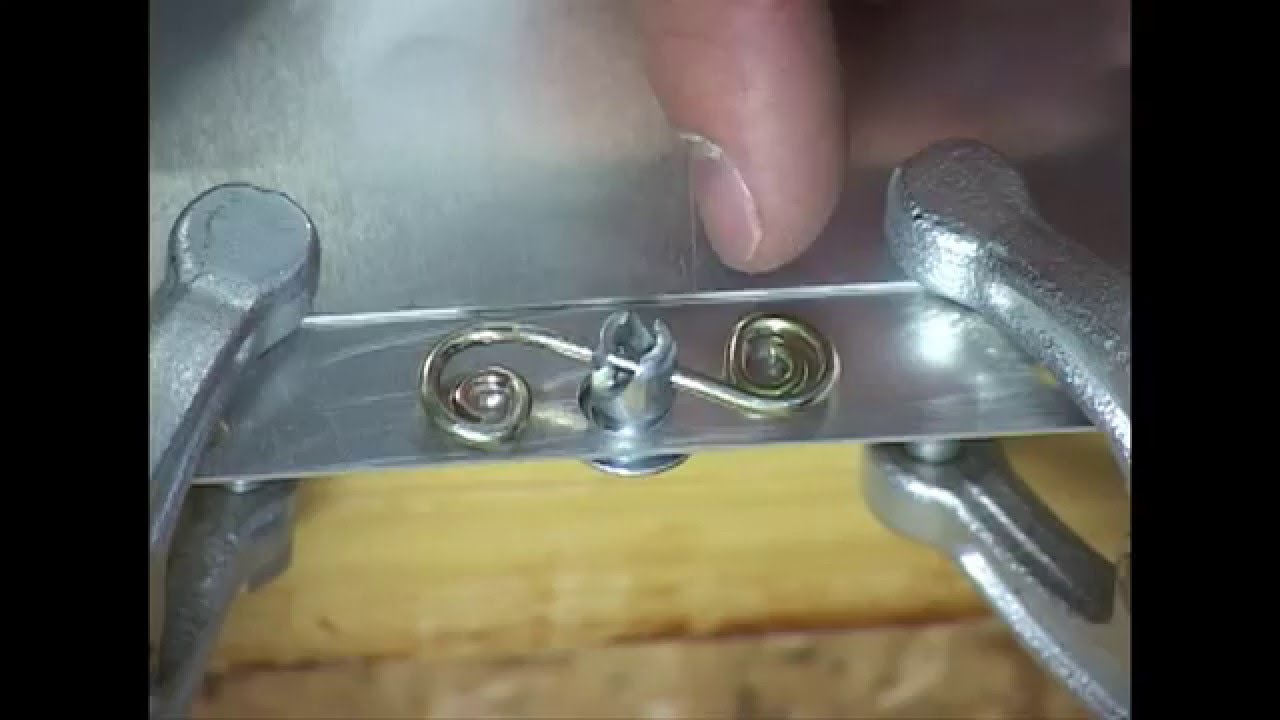
Credit: www.youtube.com
Dzus Fastener Basics
Dzus fasteners are small but powerful tools used to secure panels and parts quickly. They allow easy access and fast removal without tools. These fasteners are popular in aircraft, motorsports, and other industries needing quick panel changes.
Understanding the basics of Dzus fasteners helps in choosing and using them correctly. Here is a simple explanation of their design, materials, and operation.
Design And Structure
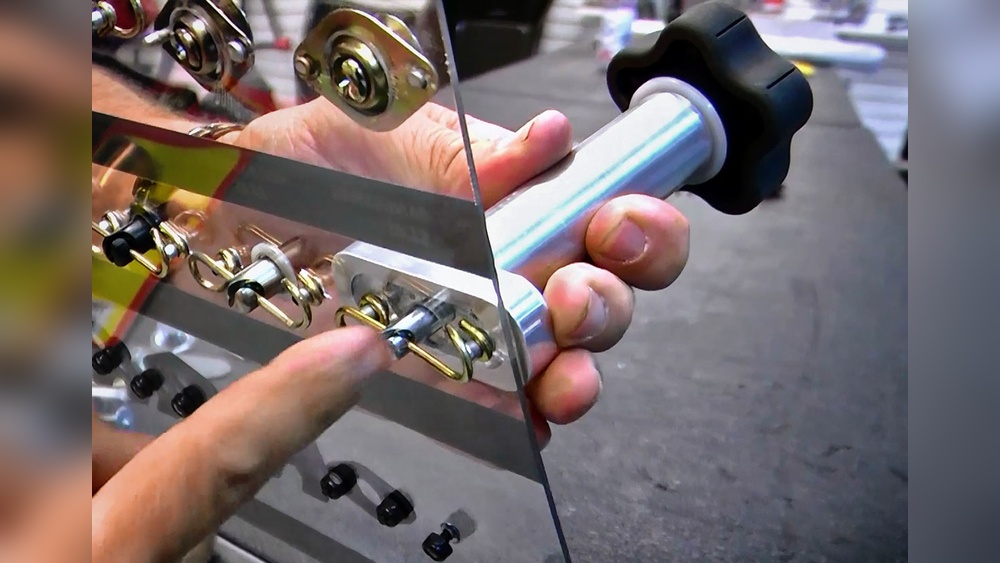
Dzus fasteners consist of a spring-loaded stud and a receiver. The stud has a cam shape that locks into the receiver. This design creates a strong hold with a simple twist. The fastener sits flush against the surface for a clean look.
Common Materials
Most Dzus fasteners are made from steel or stainless steel. Steel offers strength and durability. Stainless steel resists rust and corrosion, ideal for outdoor or moist environments. Some fasteners use aluminum for lightweight needs.
How It Works
To fasten, insert the stud into the receiver slot. Turn the stud a quarter turn. The cam action pulls the parts tightly together. To release, twist the stud back and pull it out. This quick action saves time and effort.
Benefits For Aircraft
Dzus fasteners offer many benefits for aircraft. They help keep parts secure and allow quick access for maintenance. These fasteners are designed to meet strict aviation standards. They improve safety and efficiency in many ways.
Using Dzus fasteners helps reduce downtime during repairs. They withstand harsh conditions in flight. Their design prevents loosening from vibration. These features make them a popular choice for aircraft builders and technicians.
Speed Of Installation
Dzus fasteners install quickly without tools. Pilots and mechanics save time during inspections. Their push-and-turn design allows fast panel removal. This speeds up repairs and routine checks. Easy installation lowers labor costs on aircraft.
Durability In Flight
Dzus fasteners resist corrosion and extreme temperatures. They keep panels tightly closed during flight. Their strong metal materials last for years. This durability ensures aircraft parts stay secure. It reduces the need for frequent replacements.
Vibration Resistance
Aircraft face constant vibration from engines and air pressure. Dzus fasteners hold firm despite this shaking. Their design prevents loosening under stress. This helps keep vital components safe and intact. Vibration resistance improves overall flight safety.
Typical Applications
Dzus fasteners are widely used in many industries due to their quick fastening and release features. They help secure panels and parts that need frequent access. These fasteners save time and effort during maintenance or inspections. Below are some common uses of Dzus fasteners.
Aircraft Panels
Dzus fasteners hold aircraft panels firmly in place. They allow quick removal for repairs or checks. Pilots and mechanics rely on them for safety and efficiency. These fasteners keep panels secure during flight and easy to open on the ground.
Access Doors
Access doors use Dzus fasteners for easy opening and closing. They provide strong hold but quick release. This helps workers reach inside machines or compartments fast. The fasteners reduce the time needed for inspections or fixes.
Engine Cowlings
Engine cowlings are fastened with Dzus fasteners to stay secure. They protect engines while allowing quick removal for maintenance. Mechanics can open engine cowlings without extra tools. This makes engine work safer and faster.

Credit: www.amazon.com
Installation Process
The installation process of a Dzus fastener is simple and quick. These fasteners are designed for easy attachment and removal. They hold panels firmly and allow fast access when needed. Understanding the installation steps helps ensure a secure fit and proper function.
Tools Required
- Phillips screwdriver or flathead screwdriver
- Drill with drill bits
- Measuring tape or ruler
- Marker or pencil
- Wrench or pliers (optional)
Step-by-step Guide
First, mark the panel and frame where the fastener will go. Use the measuring tape for accuracy.
Next, drill holes for the fastener’s rivet or screw. Make sure holes match the fastener size.
Insert the Dzus fastener into the hole on the panel. Secure it with the rivet or screw.
Attach the spring clip on the frame or the mating part. Ensure it lines up with the fastener’s stud.
Press the panel into place. Turn the fastener to lock it securely.
Tips For Secure Fit
Check the alignment of all parts before tightening. Misalignment can cause damage or loose fit.
Do not over-tighten the fastener. Tighten just enough to hold firmly.
Regularly inspect the fasteners. Replace any that show wear or damage.
Use the correct size fastener for your panel thickness. This prevents gaps and looseness.
Maintenance And Troubleshooting
Proper maintenance and troubleshooting keep Dzus fasteners working well. These fasteners secure panels and parts tightly. Regular care prevents failures and saves time during repairs.
Knowing common problems helps spot issues early. Regular checks ensure the fasteners stay strong and safe. Quick fixes avoid bigger damage later.
Common Issues
Dzus fasteners can loosen over time. Dirt and debris may block the locking mechanism. Corrosion affects metal parts, causing stiffness. Misalignment can stop the fastener from closing properly. Worn springs lose tension and reduce grip.
Inspection Tips
Check fasteners for looseness or wobbling. Look for rust or dirt build-up. Test the turning action; it should be smooth. Inspect the spring for breaks or loss of tension. Clean fasteners with a soft brush or cloth. Lubricate moving parts lightly to prevent rust.
Replacement Guidelines
Replace fasteners if damaged or worn out. Use the exact size and type for your equipment. Remove old fasteners carefully to avoid panel damage. Install new fasteners firmly but do not overtighten. Test the fastener to ensure it locks securely. Keep spare fasteners for quick replacements.

Credit: dmeracing.com
Comparing Fastener Types
Choosing the right fastener is important for any project. Different fasteners serve different needs. Understanding how Dzus fasteners compare with others helps in making the best choice. This section looks at Dzus fasteners compared to Quarter-Turn and Camlock fasteners. It also offers tips for selecting the right fastener for your task.
Dzus Vs Quarter-turn
Dzus fasteners lock by pushing and twisting the fastener into place. Quarter-Turn fasteners require a simple 90-degree turn to lock. Dzus fasteners provide a very secure hold, often used in aviation and racing. Quarter-Turn fasteners are easier to open and close quickly. Dzus fasteners need a tool or knob, while Quarter-Turn can be operated by hand.
Dzus Vs Camlock
Camlock fasteners use a cam mechanism to hold panels tightly. Both Dzus and Camlock fasteners offer quick access without screws. Dzus fasteners are more common in aircraft and motorsports. Camlock fasteners are often found in industrial and marine applications. Camlock fasteners can handle thicker materials better than Dzus.
Choosing The Right Fastener
Consider the material thickness and how often you open the fastener. Choose Dzus fasteners for strong, secure holds in thin materials. Pick Quarter-Turn fasteners for quick access and easy use without tools. Select Camlock fasteners for heavy-duty needs and thicker panels. Always match the fastener type to your specific project needs.
Innovations And Variations
The Dzus fastener has seen many changes since its invention. These changes help it work better and fit different needs. Innovations and variations keep the fastener useful in many fields. New materials and designs improve strength and ease of use. Specialized fasteners serve specific purposes.
Modern Materials
Modern Dzus fasteners use strong metals like stainless steel. These materials resist rust and last longer. Some fasteners use lightweight aluminum to reduce weight. High-quality plastics also appear in some models. These materials keep the fastener reliable in tough conditions.
Enhanced Designs
Designs now focus on faster installation and removal. Some fasteners have improved heads for better grip. Others use locking mechanisms to prevent loosening. Shapes are refined to fit tight spaces. These changes make work easier and safer.
Specialized Fasteners
Specialized Dzus fasteners serve unique tasks. Some are made for high-vibration environments. Others fit unusual panel thicknesses or shapes. There are versions designed for quick-release needs. These specialized types expand the fastener’s usefulness.
Frequently Asked Questions
What Is A Dzus Fastener Used For?
A Dzus fastener is used to quickly secure panels and access doors. It allows fast, tool-free removal and installation. This makes it ideal for aircraft, automotive, and industrial applications where frequent access is needed.
How Does A Dzus Fastener Work?
A Dzus fastener works by twisting a spring-loaded stud into a receptacle. The stud locks panels firmly in place with a quarter-turn action. This design provides strong, vibration-resistant fastening and quick release.
Why Choose Dzus Fasteners Over Other Fasteners?
Dzus fasteners offer quick installation and removal without tools. They provide reliable vibration resistance and consistent panel alignment. Their ease of use and durability make them preferred in aerospace and racing industries.
Are Dzus Fasteners Reusable?
Yes, Dzus fasteners are reusable. They maintain secure fastening after multiple uses. This makes them cost-effective and practical for applications needing frequent panel access.
Conclusion
Dzus fasteners keep panels and parts securely in place. They are easy to use and save time. Many industries, like aviation and racing, trust them for quick access. Their design allows fast opening and closing without tools. Understanding Dzus fasteners helps you choose the right one.
They offer a simple and strong solution for fastening needs. Using them can improve your work efficiency and safety. Small but important parts make a big difference.