Have you ever wondered what keeps bolts and screws from twisting loose under pressure? The answer lies in something called torsional strength.
Understanding the torsional strength of a fastener is key to making sure your projects stay safe and secure. Whether you’re working on a simple DIY task or a complex engineering project, knowing this concept can save you time, money, and headaches.
You’ll discover exactly what torsional strength means, why it matters, and how it affects the fasteners you use every day. Keep reading to learn how to choose the right fastener and avoid costly mistakes.

Credit: www.researchgate.net
Torsional Strength Basics
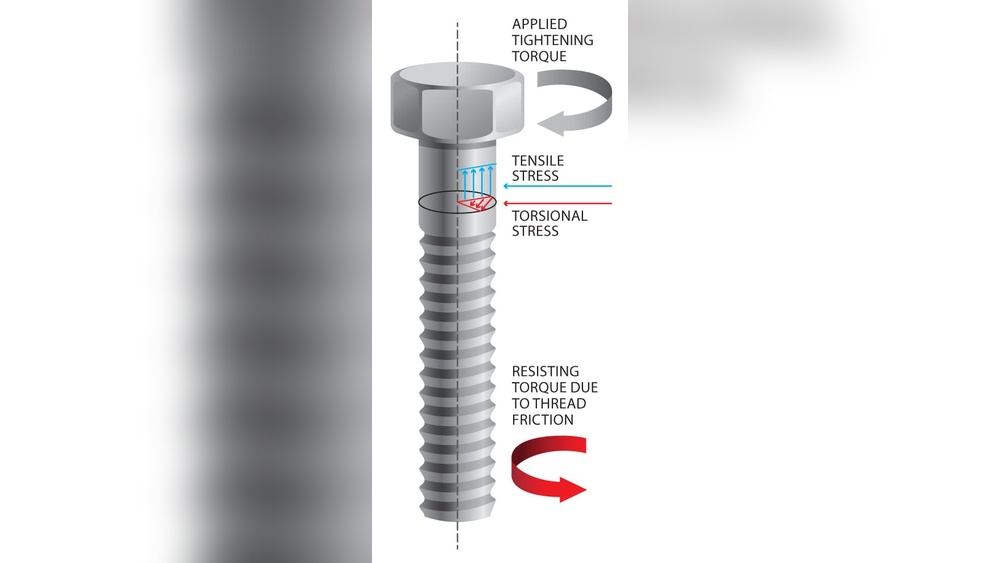
Torsional strength is a key factor for fasteners. It shows how much twisting force they can handle. Understanding this helps choose the right fastener for any job. Fasteners face twisting forces often. Knowing their strength prevents failures and keeps things safe.
This section explains the basics of torsional strength. It covers what torsional strength means and why it matters in fasteners.
Definition Of Torsional Strength
Torsional strength measures a fastener’s ability to resist twisting. It is the maximum torque a fastener can handle before breaking. Torque is the force that causes rotation. A high torsional strength means the fastener can twist more without damage.
Importance In Fasteners
Torsional strength ensures fasteners hold parts tightly. It stops bolts or screws from snapping under twist pressure. Fasteners with low torsional strength fail easily. This can cause machines to break or parts to loosen. Strong torsional resistance means safer, longer-lasting connections.

Credit: www.high-strength-steel.com
Factors Affecting Torsional Strength
Torsional strength is how much twist a fastener can handle before it breaks or deforms. Several factors affect this strength. Understanding these factors helps in choosing the right fastener for a job. The material, shape, and surface all play key roles.
Material Composition
The type of material used impacts torsional strength a lot. Strong metals like steel offer high resistance to twisting. Softer metals, such as aluminum, have less torsional strength. Heat treatment also changes the material’s strength. Hardened metals resist twisting better than untreated ones.
Fastener Geometry
The shape and size of a fastener affect its ability to resist twist. Thicker shafts can handle more torque than thin ones. Thread design also matters. Coarse threads may reduce torsional strength compared to fine threads. The length of the fastener influences how much twist it can take.
Surface Treatment
Surface treatments improve fastener durability and strength. Coatings like zinc or black oxide protect against corrosion. Corrosion weakens the fastener and lowers torsional strength. Some treatments also harden the surface, making it more resistant to twisting forces.
Measuring Torsional Strength
Measuring the torsional strength of a fastener is crucial to ensure its performance in real applications. This process determines how much twisting force a fastener can handle before it fails. Accurate measurement helps engineers select the right fasteners for construction, machinery, and automotive uses.
Testing the torsional strength involves precise methods and standards. These ensure the results are reliable and consistent. Understanding these methods and the units used helps in interpreting the data correctly.
Testing Methods
One common method is the torsion test, where the fastener is twisted until it breaks or deforms. Machines apply a controlled twisting force to measure resistance. The test records the maximum torque the fastener can withstand. This method shows how much twisting load the fastener can take in real use.
Another method uses specialized equipment to apply torque gradually. This helps find the exact point where the fastener starts to fail. Testing conditions like speed and temperature may vary to simulate real environments. These tests help improve fastener design and material choice.
Units And Standards
Torsional strength is usually measured in Newton-meters (Nm) or pound-inches (lb-in). These units express the twisting force applied to the fastener. Using standard units allows easy comparison between different fasteners and tests.
International standards guide how tests are done. Standards like ASTM and ISO set rules for testing fasteners. They ensure tests are fair and results are consistent worldwide. Following these standards is vital for quality control and safety.
Torsional Strength In Different Fastener Types
Torsional strength varies widely among fastener types. It depends on material, design, and intended use. Understanding these differences helps choose the right fastener for each project. Each fastener type handles twisting forces uniquely. This affects how well they resist breaking or loosening under torque.
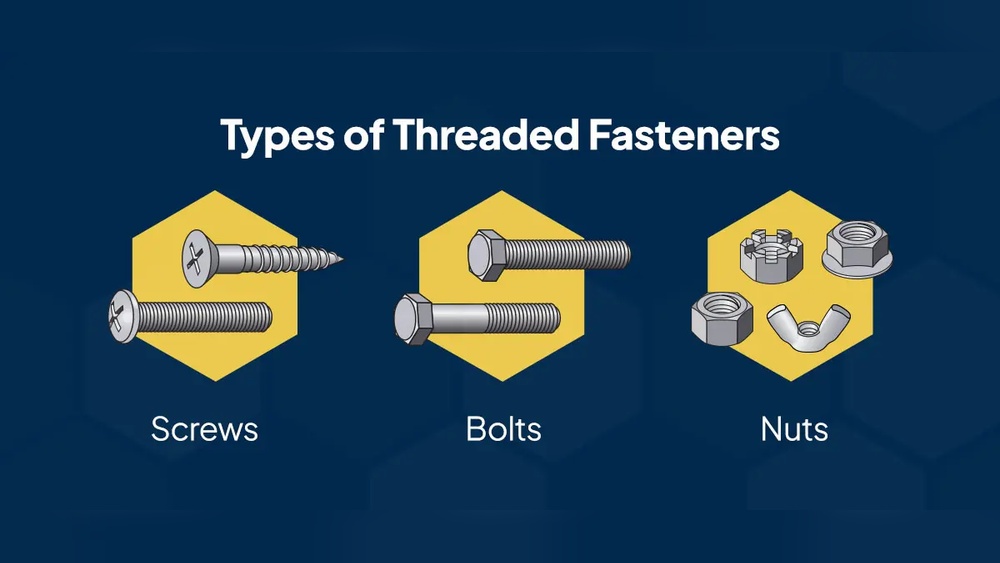
Bolts And Screws
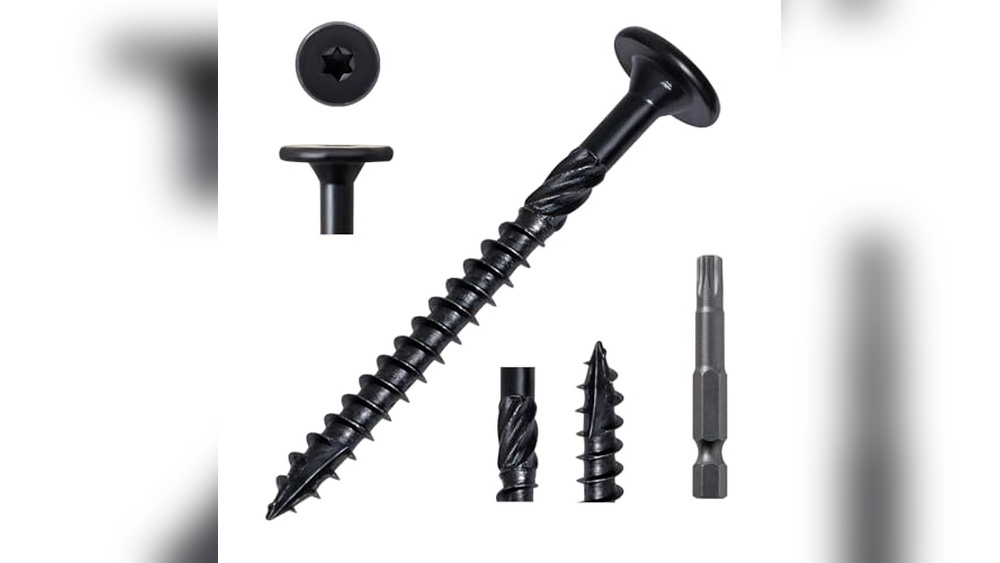
Bolts and screws are common fasteners with strong torsional resistance. Their threads hold tightly in materials, preventing rotation. The torsional strength depends on the bolt or screw’s diameter and thread pitch. Steel bolts usually offer high torsional strength. Screws made for wood or plastic have lower resistance. Proper installation torque is important to avoid damage or failure.
Nuts And Washers
Nuts work with bolts to secure joints under twisting forces. Their torsional strength depends on thread quality and material hardness. Washers do not resist torsion directly but help spread the load. This reduces stress on the nut and bolt threads. Lock nuts and special washers increase torsional resistance. They prevent loosening in vibration or heavy torque conditions.
Specialty Fasteners
Specialty fasteners include rivets, anchors, and locking devices. These are designed for specific torsional demands. Rivets resist twisting by deforming in place. Anchors offer torsional strength in concrete or masonry. Locking fasteners have added features to stop rotation. Each type fits unique applications with tailored torsional performance. Choosing the right specialty fastener ensures joint stability under torque.
Common Failure Modes
Fasteners must resist twisting forces to hold parts together. Sometimes, these forces become too strong. This causes fasteners to fail. Understanding common failure modes helps prevent damage and keeps assemblies safe.
Over-torque Damage
Over-torque happens when a fastener is tightened too much. This can strip threads or break the fastener. Over-torquing weakens the fastener’s ability to hold. It causes permanent damage that reduces strength.
Fatigue And Wear
Fasteners face repeated twisting in many applications. This causes fatigue, a slow crack growth inside the material. Over time, fatigue leads to failure. Wear also happens when parts rub, making the fastener weaker.
Material Defects
Some fasteners have tiny flaws inside the metal. These defects reduce strength and cause cracks. Defects can form during manufacturing or from poor-quality materials. They make fasteners more likely to fail under stress.
Improving Torsional Strength
Improving the torsional strength of a fastener is essential for many applications. It helps the fastener resist twisting forces that can cause failure. Strengthening this property extends the fastener’s life and ensures safety in use.
Several factors influence torsional strength. Choosing the right materials, enhancing design, and applying proper installation techniques all make a big difference. Each step plays a role in making fasteners stronger and more reliable.
Material Selection
The material of a fastener greatly affects its torsional strength. Stronger metals like alloy steel offer higher resistance to twisting. Heat treatment processes can also improve hardness and durability. Avoid soft metals that bend or break easily under torque.
Design Enhancements
Design changes can increase torsional strength without changing the material. Thicker shanks and tighter threads reduce stress points. Adding grooves or ridges improves grip and prevents slipping. Careful design balances strength and flexibility for better performance.
Proper Installation Techniques
Correct installation is crucial to maintain torsional strength. Use the right tools and apply the recommended torque. Over-tightening or under-tightening weakens the fastener. Lubrication can help achieve consistent torque and avoid damage during installation.
Applications And Industry Relevance
The torsional strength of a fastener plays a vital role in many industries. It measures how much twisting force a fastener can handle before it breaks or deforms. This property is important in applications where fasteners must resist turning under load. Understanding torsional strength helps engineers select the right fasteners for safety and durability.
Different industries depend on fasteners with specific torsional strengths. These fasteners ensure machines and structures work well and last longer. Below are some key industries where torsional strength is critical.
Automotive
Fasteners in vehicles face constant twisting forces. Engines, transmissions, and suspension parts need strong fasteners to hold together. High torsional strength prevents loosening and failures. This keeps cars safe and reliable on the road. Proper fastener choice reduces maintenance and repair costs.
Construction
Buildings and bridges rely on fasteners that resist twisting. Wind, vibrations, and heavy loads create torque on bolts and screws. Fasteners with good torsional strength keep structures stable and secure. They help prevent accidents and structural damage. This is key for long-lasting construction projects.
Aerospace
Aerospace parts experience extreme forces and vibrations. Fasteners must withstand high torsional stress without failing. This ensures aircraft parts stay tightly connected during flight. Strong fasteners improve safety and performance in planes and spacecraft. Engineers carefully test torsional strength for every fastener used.

Credit: www.gauthmath.com
Frequently Asked Questions
What Defines The Torsional Strength Of A Fastener?
Torsional strength is the maximum torque a fastener can withstand before failure. It depends on material, diameter, and thread design. This strength ensures the fastener resists twisting forces during installation and use.
How Is Torsional Strength Measured In Fasteners?
Torsional strength is measured by applying torque until the fastener twists or breaks. Testing uses torque wrenches or specialized machines. Results help determine safe torque limits for installation.
Why Is Torsional Strength Important For Fasteners?
Torsional strength prevents fastener damage during tightening or operation. It ensures reliability in mechanical joints exposed to twisting forces. Proper strength selection avoids failures and maintains structural integrity.
Can Torsional Strength Vary By Fastener Material?
Yes, torsional strength varies with fastener materials like steel, titanium, or aluminum. Stronger materials typically have higher torsional strength. Material choice affects fastener performance in torque-critical applications.
Conclusion
Torsional strength tells how much twist a fastener can handle. It helps choose the right fastener for your project. Knowing this strength keeps joints safe and strong. Always check fastener specs before use. Good fastener choice prevents damage and saves time.
Understanding torsional strength supports better building and repair work. Keep this in mind for stronger, lasting connections.