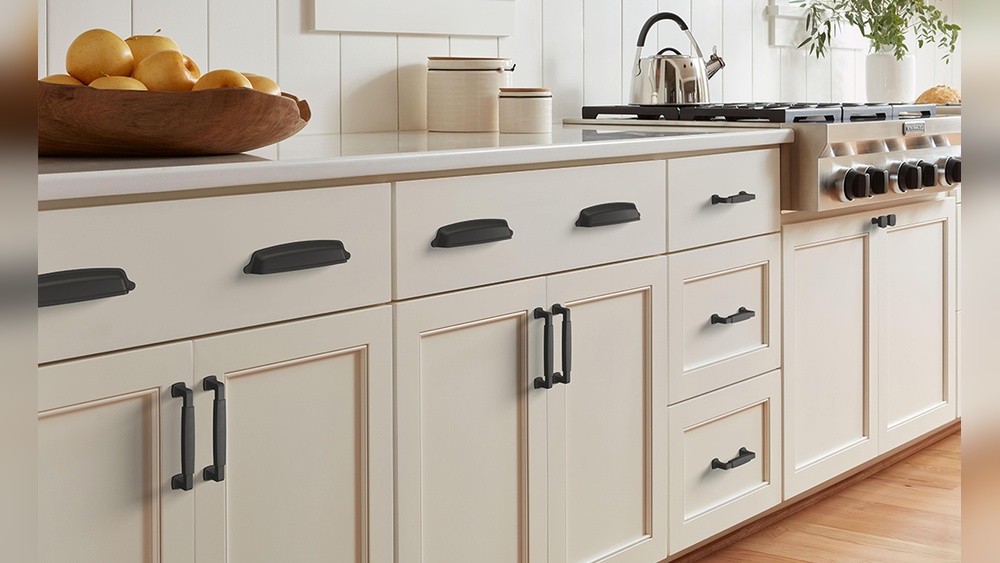
Have you ever thought about what your cabinets look like without any hardware? No knobs, no handles—just smooth surfaces.
It might seem like a small detail, but not having hardware on your cabinets can change the entire feel of your space. You might wonder if it’s stylish, practical, or even confusing to use. Keep reading, and you’ll discover how this simple choice can affect your home’s design, functionality, and even your daily routine.
By the end, you’ll know exactly whether going hardware-free is the right move for your cabinets.
Credit: diamondkitchenandbath.com
Minimalist Cabinet Design
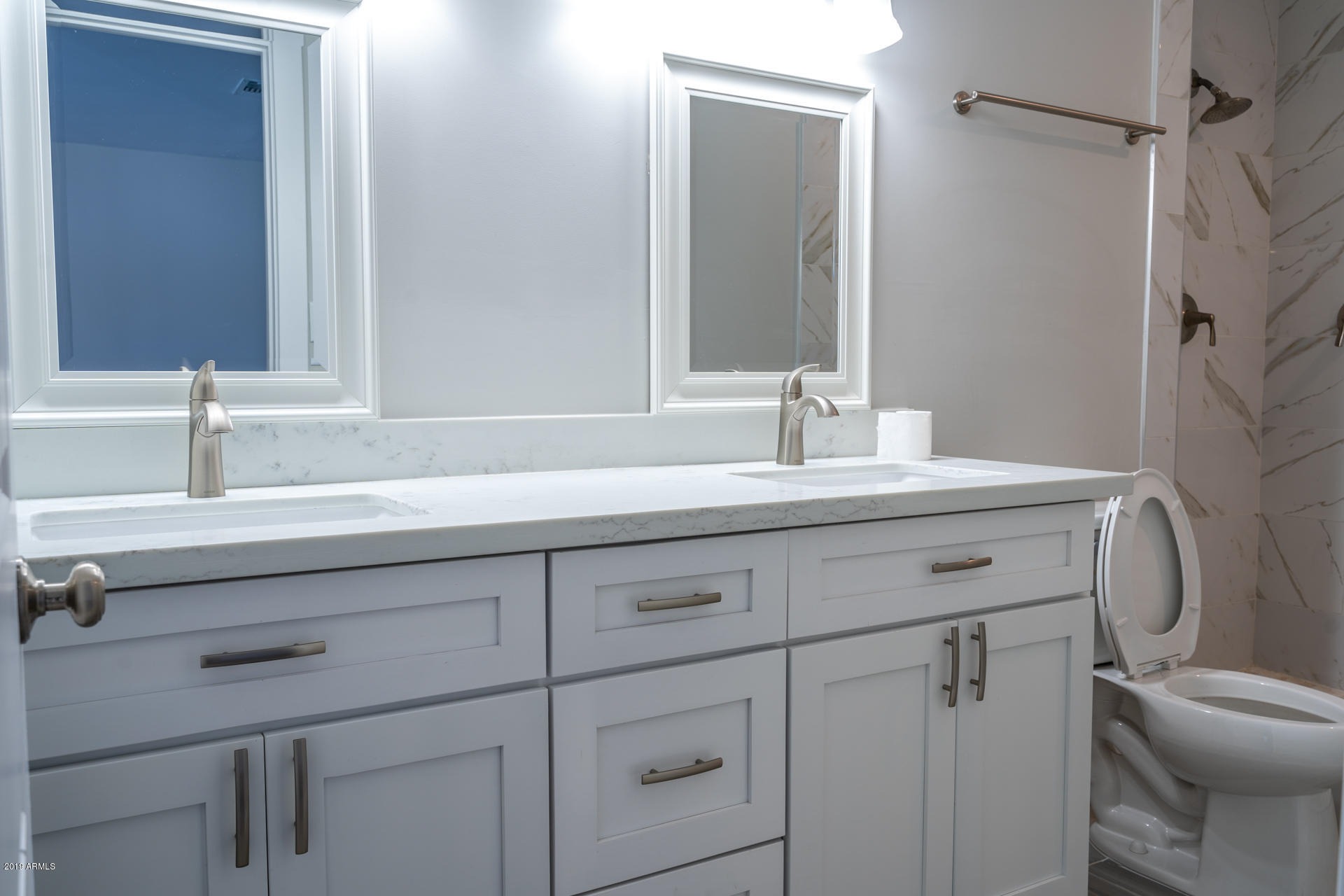
Minimalist cabinet design focuses on simplicity and function. It removes extra details and keeps only what is needed. Cabinets without hardware create a smooth, clean look. This style fits well in modern homes. It makes kitchens and bathrooms feel open and tidy.
Choosing cabinets without hardware helps to highlight the design’s clean lines. It also makes cleaning easier. Without knobs or handles, the surfaces stay sleek and plain. This design choice can make small spaces feel larger. It offers a calm and peaceful atmosphere.
Clean Lines And Sleek Appearance
Cabinets without hardware show straight, sharp lines clearly. No handles break the visual flow. This look is simple yet elegant. The smooth fronts create a polished finish. Light reflects evenly on the surface, adding brightness. The design feels less busy and more calm. It suits minimalist and modern decor styles well.
Popular Styles Without Hardware
Flat-panel and slab cabinets are common without hardware. They have plain, flat surfaces perfect for this look. Handleless designs use push-to-open doors or recessed grooves. These options keep the minimal style while staying practical. Shaker cabinets also work with hidden hardware. All these styles keep the focus on clean design. They help create a neat and stylish space.
Credit: www.walmart.com
Benefits Of No Hardware
Choosing cabinets without hardware offers many benefits. It creates a clean and simple look. It also makes your kitchen or bathroom easier to use and keep tidy. Let’s explore why no hardware can be a smart choice.
Easy To Clean Surfaces
Cabinets without handles have smooth surfaces. Dirt and dust have fewer places to hide. Wiping down cabinets becomes faster and easier. No hardware means no tricky corners to clean around. This saves time and effort daily.
Modern And Streamlined Look
No hardware creates a sleek and modern style. Cabinets look neat and uniform. The simple design fits many decor styles. It gives rooms a fresh, updated feel. This look works well in both small and large spaces.
Safety Advantages
Without hardware, there are no knobs or pulls to bump into. This lowers the chance of getting hurt. It is safer for children and older adults. Smooth cabinets prevent clothes from catching on handles. This design helps keep your home safer overall.
Potential Drawbacks
Choosing cabinets without hardware offers a clean, modern look. Still, it comes with some challenges. It is important to understand these potential drawbacks before making a decision.
Functionality And Accessibility Issues
Cabinet hardware helps open and close doors easily. Without it, cabinets may be harder to use. You might struggle to get a good grip, especially with wet or greasy hands. This can slow down your work in the kitchen or bathroom. For people with limited hand strength, hardware-free cabinets can cause frustration.
Wear And Tear On Cabinet Edges
Opening cabinets without handles often means pulling on the edges. This can cause damage over time. Edges might chip, crack, or become rough. The finish on the cabinet surface may wear off faster. These signs of wear reduce the cabinets’ appearance and lifespan.
Higher Maintenance Concerns
Without hardware, cleaning cabinets can be tricky. Fingerprints and smudges show more on smooth surfaces. You may need to clean more often to keep them looking neat. Also, repairing damaged edges can be costly. More care is necessary to maintain a polished look without handles.
Alternative Solutions
Choosing not to have hardware on your cabinets creates a sleek look. It keeps surfaces clean and smooth. Many alternatives offer both style and function without traditional knobs or pulls.
These options make opening cabinets easy and maintain a modern design. They suit kitchens, bathrooms, and other storage spaces well.
Push-to-open Mechanisms
Push-to-open systems allow cabinets to open with a gentle press. No handles or pulls are needed. This method is simple and quick. It works well for those who prefer a minimalist style.
These mechanisms are easy to install and maintain. They keep cabinet fronts flat and clean. Also, they reduce fingerprints and dirt buildup.
Integrated Handles And Grooves
Integrated handles blend into the cabinet design. Grooves or cutouts create natural places to grip. These handles keep a smooth cabinet surface. They avoid the bulk of separate hardware.
This approach offers a subtle way to open doors. It adds texture and detail without clutter. It fits modern and traditional cabinet styles alike.
Magnetic Closures
Magnetic closures use magnets to keep cabinets shut. You pull the door open without a handle. Magnets hold doors firmly closed. This method is quiet and clean looking.
Magnetic closures suit cabinets that open often. They help keep the design simple and neat. These closures require little effort to use and last long.
Design Tips For Hardware-free Cabinets
Designing kitchens with hardware-free cabinets creates a clean and modern look. These cabinets rely on smooth surfaces and smart designs. This style needs careful planning to keep the kitchen practical and stylish.
Focus on materials, lighting, and matching other kitchen parts. These tips help make hardware-free cabinets stand out and work well in your space.
Material Choices And Finishes
Choose materials that feel smooth and look neat. Matte finishes hide fingerprints better than glossy ones. Wood and laminate are popular for hardware-free cabinets. Soft-touch surfaces add ease when opening doors. Quality materials prevent damage from frequent use.
Lighting To Enhance Design
Use lighting to highlight cabinet shapes and textures. Under-cabinet lights add warmth and depth. LED strips inside cabinets improve visibility. Light helps create shadows that add interest. Proper lighting makes the kitchen feel bigger and brighter.
Combining With Other Kitchen Elements
Match hardware-free cabinets with sleek countertops and backsplashes. Simple drawer pulls on islands can balance the look. Use minimalist appliances to keep the style consistent. Choose colors that blend well for a smooth flow. This mix keeps the kitchen inviting and easy to use.
When To Consider Adding Hardware
Deciding whether to add hardware to your cabinets depends on several factors. Hardware affects both the look and function of your cabinets. Consider adding hardware when it improves daily use or fits your lifestyle needs.
User Convenience And Ergonomics
Hardware makes opening and closing cabinets easier. Handles and knobs offer a better grip than bare surfaces. This convenience reduces strain on your fingers and hands. Ergonomic hardware helps prevent discomfort during frequent use. Think about adding hardware if you want smoother cabinet access.
Aging In Place And Accessibility
As people age, strength and dexterity often decline. Hardware can support easier cabinet use for older adults. Large, easy-to-grip handles help those with arthritis or limited motion. Adding hardware improves safety and independence in the kitchen. Cabinets without hardware may become frustrating for aging users.
Balancing Style With Practicality
Hardware adds style while serving a practical purpose. It can complement your kitchen design and color scheme. Choose hardware that fits your decor and feels good to use. Bare cabinets may look sleek but can lack functionality. Adding hardware balances beauty with everyday use.

Credit: nelsonkb.com
Frequently Asked Questions
What Are The Benefits Of No Hardware On Cabinets?
No hardware creates a sleek, modern look and makes cleaning easier. It also reduces clutter and allows for smooth cabinet surfaces. This design choice enhances minimalist aesthetics and can make small spaces feel larger.
Does Hardware-free Design Affect Cabinet Functionality?
Hardware-free cabinets use push-to-open or recessed pulls for easy access. These alternatives maintain functionality while offering a seamless look. They are user-friendly and do not compromise cabinet usability.
Are Hardware-free Cabinets Harder To Install?
Installation requires precision for push-to-open mechanisms or grooves. However, it is not necessarily harder, just different. Proper alignment is key to ensure smooth operation and durability.
How Does No Hardware Impact Cabinet Maintenance?
Without hardware, there are fewer parts to clean or repair. This reduces maintenance time and costs. Smooth surfaces are easier to wipe down, preventing dirt buildup.
Conclusion
Not having hardware on your cabinets gives a clean, simple look. It can make small spaces feel bigger and less busy. Without handles, cleaning becomes easier and faster. But, it may be harder to open doors, especially for kids or older people.
Choose what fits your style and daily needs best. Simple design can still be very stylish and practical. Think about how you use your kitchen before deciding. Your cabinets should work well and look nice too.