Do you ever find yourself stuck, unsure if a fastener will fit your project? Getting the right fastener size is crucial for a secure and lasting hold.
But measuring fasteners can seem confusing if you don’t know where to start. In this guide, you’ll discover simple, clear steps to measure screws, bolts, and nuts with confidence. By the end, you’ll have the know-how to pick the perfect fastener every time—saving you time, effort, and frustration.
Keep reading to unlock these easy techniques and take control of your next project!
Types Of Fasteners
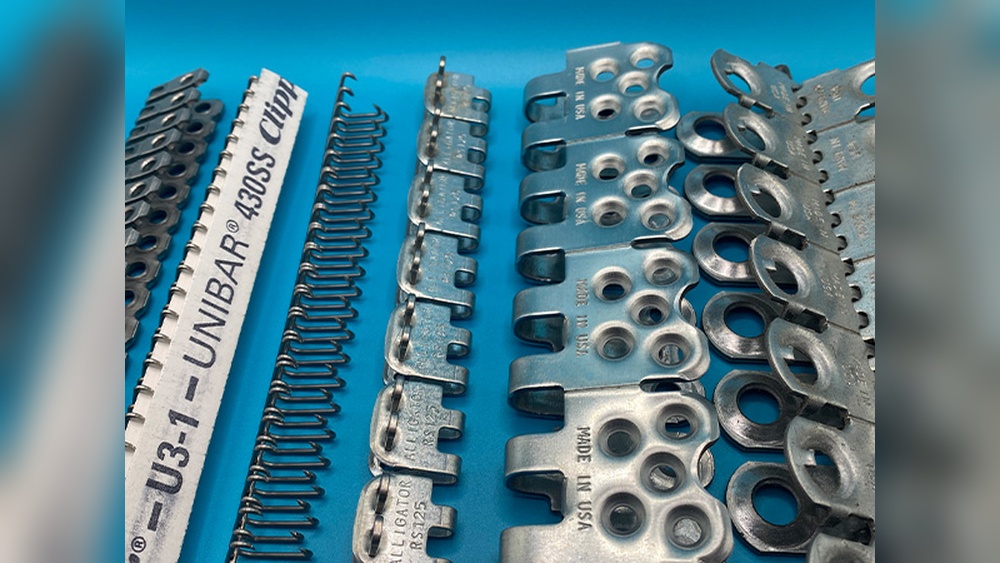
Fasteners come in many types and shapes. Knowing these types helps in measuring size correctly. Each fastener has specific features for different uses. Understanding these features guides you to pick the right tool and method for measurement.
Common Fastener Shapes
Fasteners have various shapes. Bolts often have a round head and a threaded shaft. Screws have a pointed tip and spiral threads. Nuts are usually hexagonal and fit onto bolts. Washers are flat discs placed under nuts or bolt heads. Each shape affects how you measure length and diameter.
Material Considerations
Fasteners are made from different materials. Steel is strong and common in many fasteners. Stainless steel resists rust and is good for outdoor use. Brass and aluminum are lighter and used in special cases. Material affects the fastener’s durability and how tightly it holds. This also changes how you handle and measure the fastener.
Key Measurement Terms
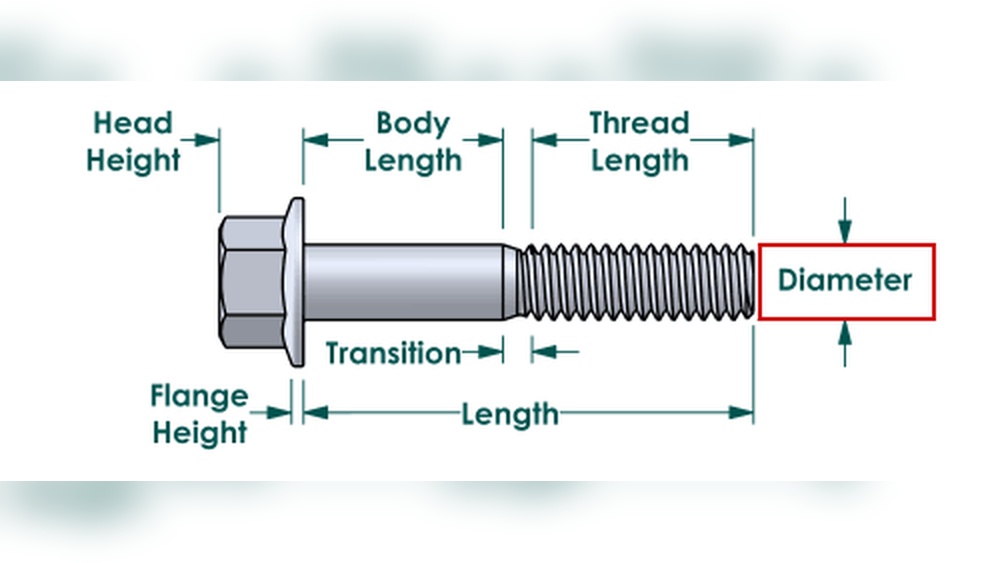
Measuring fasteners correctly starts with understanding key terms. These terms describe the size and shape of screws, bolts, and other fasteners. Knowing them helps you find the right fastener for any project. This section explains the most important measurement terms clearly and simply.
Diameter Basics
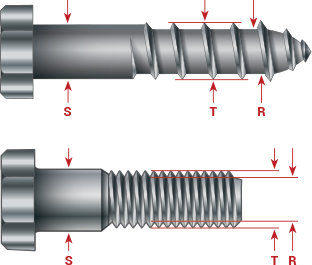
Diameter is the width of the fastener’s shaft. It is usually measured in millimeters or inches. For bolts and screws, this means the distance across the outer edges of the thread. The diameter helps you pick the right drill bit or hole size. Using the correct diameter ensures a tight and secure fit.
Thread Pitch Explained
Thread pitch shows how close the threads are to each other. It is the distance between two threads, measured in millimeters or threads per inch. A smaller pitch means more threads packed tightly together. The pitch must match the nut or tapped hole for proper threading. This keeps the fastener from loosening or stripping.
Length Details
Length is the measurement from the fastener’s tip to where the head starts. It does not include the head unless the fastener is a countersunk type. Length affects how deep the fastener goes into the material. Choosing the right length avoids damage and ensures strong holding power.
Tools For Measuring
Measuring fastener size requires the right tools. These tools help get accurate dimensions. Accurate measurements ensure the fastener fits well and works properly. Several tools work well for measuring fasteners, each with its own use and benefits.
Using Calipers
Calipers are precise tools for measuring fastener size. They measure diameter, length, and thread pitch. Digital calipers show easy-to-read measurements on a screen. Manual calipers use a sliding scale for reading numbers. Calipers fit around bolts and screws to measure size exactly.
Thread Gauges
Thread gauges check the thread size and pitch of fasteners. They come in sets with different thread shapes and sizes. Using a thread gauge helps identify the correct thread type. This tool is essential for matching screws and bolts accurately. It ensures threads fit together without damage.
Rulers And Tape Measures
Rulers and tape measures offer quick, simple measurements. They work well for measuring length and overall size. These tools are less precise than calipers but easy to use. Rulers suit larger fasteners and rough measurements. Tape measures are flexible and helpful for longer fasteners.
Measuring Diameter
Measuring the diameter of a fastener is key to ensuring it fits perfectly. The diameter helps you choose the right size for your project. This measurement is simple but must be accurate. It involves checking the width of the fastener in specific areas. Let’s explore how to measure the outside and inside diameters properly.
Outside Diameter
The outside diameter is the width of the fastener’s thread from one edge to the other. Use a caliper for the best accuracy. Place the caliper jaws across the outer edges of the threads. Avoid measuring over the thread peaks only. This number tells you the fastener’s nominal size. It is important for bolts and screws.
Inside Diameter For Nuts
Inside diameter refers to the hole size of a nut. Measure the distance across the nut’s inside edges. Use a caliper or ruler for this task. This measurement must match the bolt diameter. It ensures the nut fits snugly on the bolt threads. Accurate inside diameter prevents loosening or damage.
Determining Thread Pitch
Determining thread pitch is key to measuring fastener size accurately. Thread pitch tells how close the threads are on a screw or bolt. It helps match the fastener with the right nut or hole. Knowing the pitch prevents damage and ensures a tight fit.
Counting Threads Per Inch
Counting threads per inch (TPI) is a simple way to find thread pitch. Use a ruler to count the number of threads along one inch of the fastener. Count the peaks or ridges carefully. This method works best for imperial fasteners with standard thread sizes.
For metric fasteners, thread pitch is measured in millimeters. Here, count the distance between two threads instead of threads per inch. A smaller pitch means tighter threads, while a larger pitch means wider spacing.
Using Thread Pitch Gauges
Thread pitch gauges are tools made specifically to measure thread pitch. They have many blades with teeth matching common thread sizes. Match the blade to the fastener threads until it fits perfectly.
This method is faster and more accurate than counting threads. It works for both metric and imperial threads. Thread pitch gauges come in sets and are easy to carry in a toolbox.

Credit: www.fivetk.com
Measuring Length
Measuring the length of a fastener is key for choosing the right size. Length affects how well the fastener fits and holds materials together. Understanding how to measure length accurately helps avoid mistakes and ensures a secure fit.
Head Types And Their Impact
Fastener heads come in many shapes and sizes. Some heads add to the total length, while others do not. For example, countersunk heads sit flush with the surface and are included in length measurements. Pan heads and hex heads usually are not included in length.
Knowing the head type helps decide if you measure from the top of the head or the bottom. This prevents choosing a fastener too long or too short for the job.
Measuring Full Length
Use a ruler or caliper for precise length measurement. Measure from the point where the head meets the shaft to the tip of the fastener. For countersunk heads, measure from the top of the head to the tip.
Do not include the head height for fasteners with raised heads. Check the product guide to confirm how length is specified for each fastener type. Accurate length measurement ensures a strong, lasting hold.
Tips For Accurate Measurement
Measuring fastener size takes care and attention. Small errors can lead to wrong parts and wasted time. Accurate measurement ensures the right fit and strong connections. These tips help you measure fasteners correctly and avoid common problems.
Avoiding Common Mistakes
Use the right tool, like a caliper or ruler. Measure the fastener’s length from the flat end to the tip. Check the diameter at the widest part of the thread. Don’t guess sizes by eye. Take your time and double-check each measurement. Avoid mixing metric and imperial units in one project. Write down your results clearly to prevent confusion.
Handling Damaged Fasteners
Damaged fasteners can give wrong measurements. Look for bent, rusted, or stripped threads. Avoid measuring damaged parts if possible. Use a new or undamaged fastener for accurate size checking. Clean the fastener before measuring to remove dirt or grease. If damage is minor, measure the undamaged sections carefully. Replace damaged fasteners to keep your project safe and strong.

Credit: monsterbolts.com
Converting Between Systems
Measuring fastener size often involves two main systems: metric and imperial. These systems use different units and scales. Converting between them helps you find the right fastener size easily. Understanding this makes your work more accurate and efficient.
Metric To Imperial
To convert metric fastener sizes to imperial, multiply the millimeter value by 0.03937. This changes millimeters into inches. For example, a 10 mm bolt equals about 0.39 inches. Round the result to two decimal places for easy use.
Thread pitch also needs conversion. Metric pitch is in millimeters per thread. Imperial uses threads per inch (TPI). Divide 25.4 by the pitch in millimeters to get TPI. For example, 1.5 mm pitch equals about 17 TPI.
Imperial To Metric
Convert imperial fastener sizes to metric by multiplying inches by 25.4. This changes inches into millimeters. For example, a 1/2 inch bolt equals 12.7 mm. Round the number for simple measurements.
Threads per inch convert to metric pitch by dividing 25.4 by the TPI number. For example, 20 TPI equals about 1.27 mm pitch. This helps find the right metric fastener with similar threading.
Credit: www.fastenersuperstore.com
Frequently Asked Questions
How Do I Measure A Fastener’s Diameter?
To measure a fastener’s diameter, use a caliper or ruler across the widest part of the threads. This size indicates the fastener’s major diameter, which is crucial for selecting the right tool or matching a nut.
What Tool Is Best For Measuring Fastener Length?
A caliper or ruler is ideal for measuring fastener length. Measure from the flat end to the tip of the fastener, excluding the head if it’s a bolt. Accurate length helps ensure proper fit in your project.
How Can I Identify Fastener Thread Pitch?
Use a thread pitch gauge to measure thread pitch. It counts the threads per inch (TPI) or the distance between threads in millimeters. Correct thread pitch ensures compatibility with nuts and threaded holes.
Why Is Measuring Fastener Size Important?
Measuring fastener size ensures compatibility, safety, and durability. It helps select the right fastener for your project, preventing damage or failure caused by wrong sizes or thread mismatches.
Conclusion
Measuring fastener size is simple with the right tools and steps. Always check length, diameter, and thread pitch carefully. Correct measurement helps you choose the right fastener for any project. Avoid mistakes that can cause weak joints or damage. Practice often to improve your skill and confidence.
Keep your tools clean and ready for accurate results. Now, you can measure fasteners with ease and precision every time.