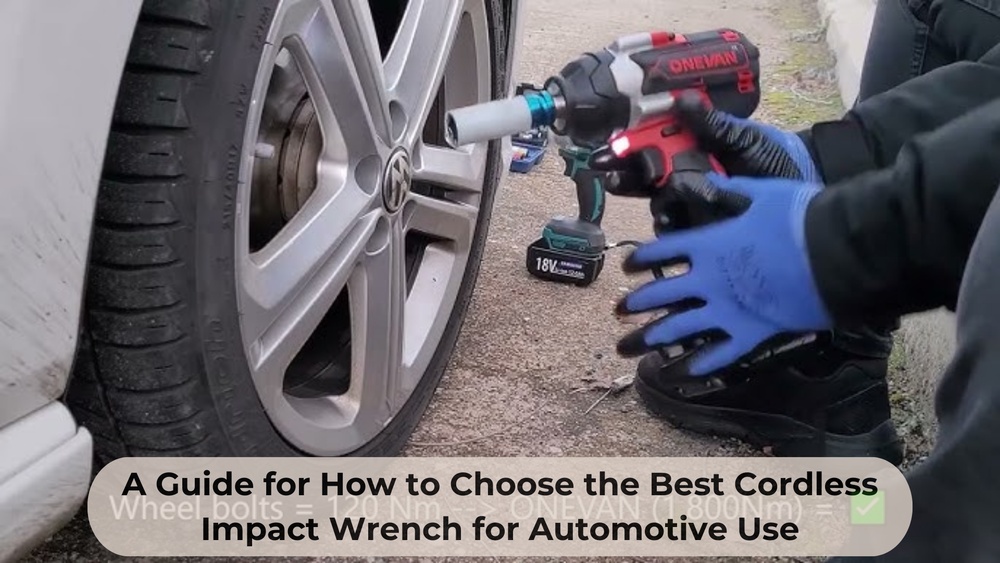
When tightening lug fasteners, an impact wrench should be used carefully to avoid costly mistakes. You might think it’s a quick and easy way to get the job done, but using it the wrong way can cause serious damage to your wheels or even put your safety at risk.
You’ll discover the key steps to use an impact wrench properly and why getting it right matters more than you think. Keep reading to make sure your wheels stay secure and your vehicle stays safe on the road.
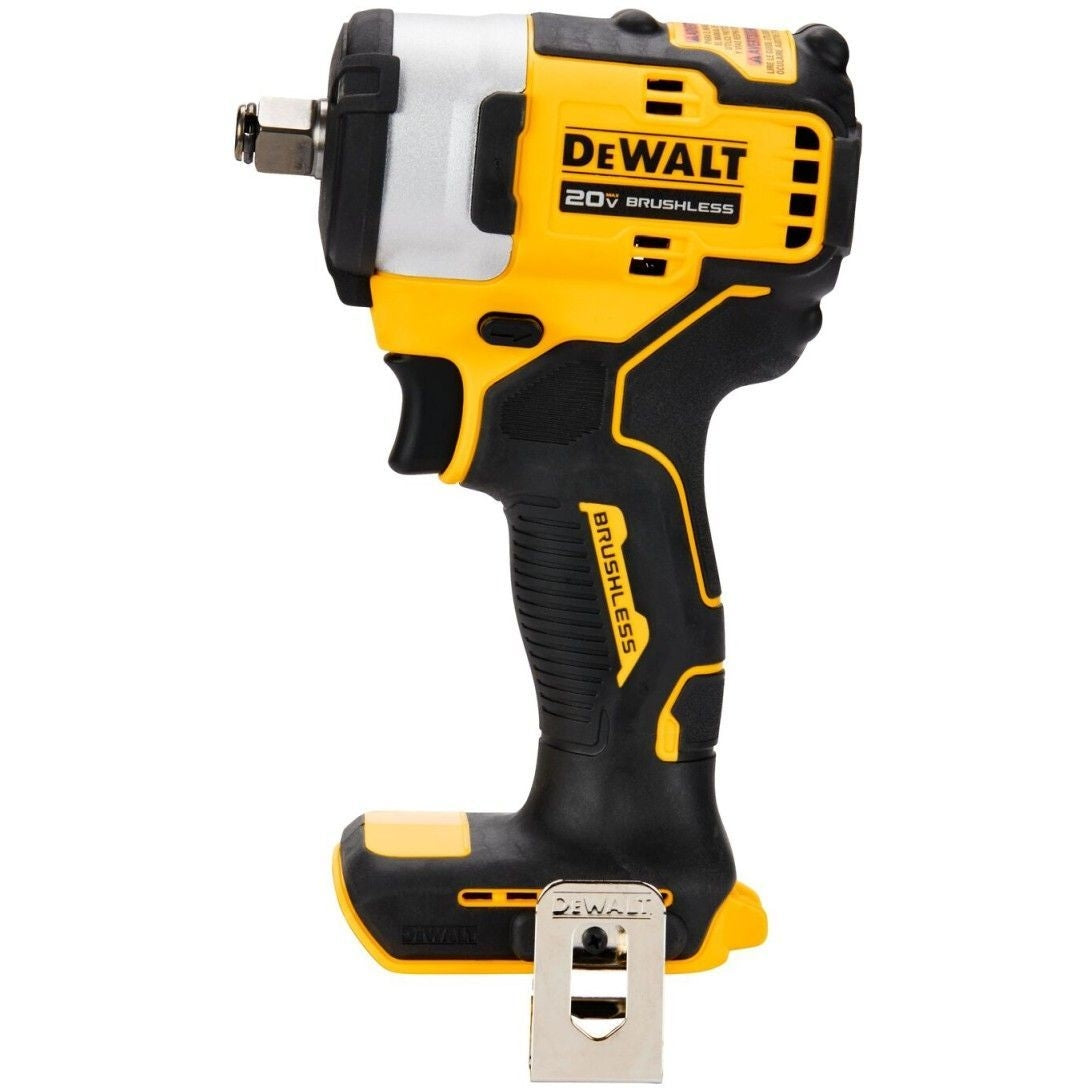
Credit: www.toolnut.com
Risks Of Over-tightening Lug Fasteners
Over-tightening lug fasteners can cause serious problems for your vehicle. It affects the safety and performance of your wheels. Using an impact wrench without care can lead to these risks. Knowing what can go wrong helps you avoid costly repairs and accidents.
Damage To Threads
Too much torque can strip the threads on lug bolts or nuts. Stripped threads make it hard to secure the wheel properly. This damage means the fasteners may not hold tight. It can cause the wheel to loosen while driving.
Warped Brake Rotors
Excessive tightening can put stress on brake rotors. This stress may cause the rotors to warp or bend. Warped rotors lead to vibrations when braking. It reduces braking performance and increases stopping distance.
Compromised Wheel Integrity
Over-tightened lug fasteners can crack or deform the wheel. This weakens the wheel’s structure and can cause failure. A compromised wheel may break under pressure. It creates a serious safety hazard on the road.
Choosing The Right Impact Wrench
Selecting the right impact wrench is key to safely tightening lug fasteners. The right tool saves time and prevents damage. It also ensures the right torque is applied every time.
Several factors affect this choice. Power source, torque control, and comfort all play a role. Understanding these points helps pick the best impact wrench for your needs.
Corded Vs Cordless Models
Corded impact wrenches offer constant power with no battery limits. They work well in a garage or shop with easy plug access.
Cordless models give freedom to move around. Batteries may run out, but modern ones last longer and recharge fast. Cordless is best for outdoor or mobile jobs.
Choose based on work location and power availability. Cordless for mobility, corded for steady power.
Torque Settings And Control
Torque control is crucial when tightening lug nuts. Too much force can strip threads or damage wheels. Too little leaves nuts loose and unsafe.
Look for wrenches with adjustable torque settings. Some have digital controls or presets for accuracy. This lets you match the exact torque needed.
Good control reduces errors and protects your vehicle. Always use the proper torque for your lug fasteners.
Ergonomic Considerations
Comfort affects how well you use the tool. A heavy or poorly balanced wrench tires your hand quickly. This can cause mistakes or slow work.
Choose models with soft grips and balanced weight. Lightweight wrenches reduce strain during long use. A comfortable grip helps maintain control.
Ergonomics improve safety and efficiency. A good fit feels natural in your hand and eases your task.
Proper Torque Application Techniques
Proper torque application is key when tightening lug fasteners with an impact wrench. It ensures the fasteners are tight enough to hold the wheel securely. At the same time, it prevents damage from overtightening. Using the right techniques helps keep vehicles safe and avoids costly repairs.
Using A Torque Stick
A torque stick limits the amount of force applied by an impact wrench. It fits between the wrench and the socket. The stick bends slightly at a set torque level. This prevents over-tightening. Torque sticks come in different ratings. Choose the one that matches the lug nut’s torque specification. This tool helps apply consistent and safe torque easily.
Sequential Tightening Patterns
Use a star or crisscross pattern when tightening lug nuts. Tighten one nut, then move to the opposite side. This spreads the pressure evenly across the wheel. It prevents warping or uneven fastening. Tighten the nuts in small steps. This method ensures a balanced fit and reduces the risk of wheel damage.
Final Torque Verification
Always check the torque after using an impact wrench. Use a calibrated torque wrench for final tightening. This confirms all lug nuts meet the correct torque value. Do this after driving a short distance too. It ensures none of the nuts have loosened. Final verification keeps wheels secure and safe on the road.
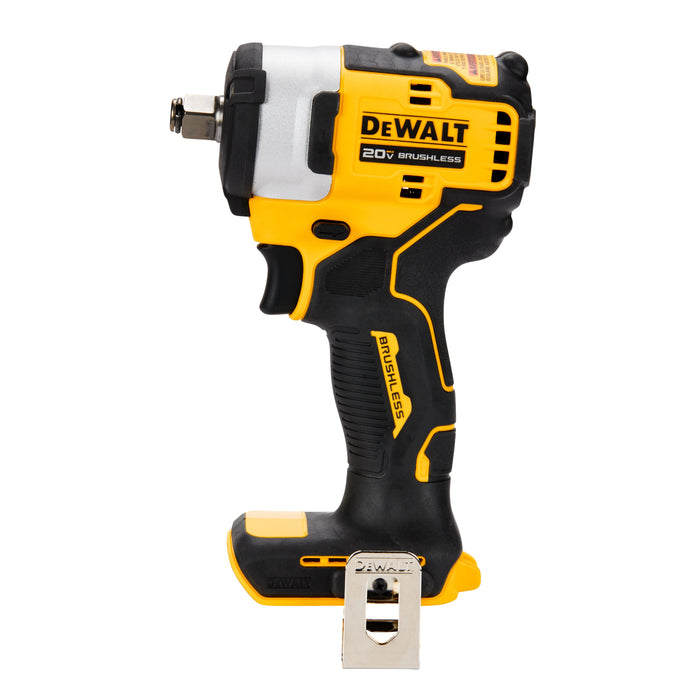
Credit: www.coastaltool.com
Safety Precautions When Using Impact Wrenches
Using an impact wrench to tighten lug fasteners can speed up your work. Safety must always come first. Impact wrenches are powerful tools. They can cause injury if not handled properly. Following safety steps helps protect you and others around.
Wearing Protective Gear
Always wear safety glasses to protect your eyes. Dust and small metal pieces can fly during use. Gloves help protect your hands from vibration and cuts. Wear ear protection if noise is loud. Proper gear reduces risks and keeps you safe.
Inspecting Tools Regularly
Check your impact wrench before every use. Look for cracks, worn parts, or loose fittings. A damaged tool can break or malfunction. Regular inspection helps prevent accidents. Fix or replace tools that show signs of wear.
Avoiding Loose Clothing
Loose clothes can get caught in the tool’s moving parts. This causes serious injury. Wear fitted clothes when using an impact wrench. Remove jewelry and tie back long hair. Keep your work area safe and clear.
Common Mistakes To Avoid
Using an impact wrench to tighten lug fasteners saves time and effort. Yet, many make errors that cause damage or unsafe conditions. Avoiding common mistakes helps ensure safety and proper wheel installation. Understanding these errors improves your work quality and tool use.
Relying Solely On Impact Wrench
Many users depend only on the impact wrench to tighten lug fasteners. This tool is powerful but not always precise. It can over-tighten or leave fasteners too loose. Always use a torque wrench afterward to check the exact tightness.
Ignoring Manufacturer Specifications
Every vehicle has specific torque settings for lug fasteners. Ignoring these can damage threads or cause wheel issues. Follow the vehicle manual for correct torque values. Using the right torque protects the wheel and ensures safety.
Over-tightening Without Verification
Over-tightening lug fasteners can strip threads or break studs. An impact wrench can easily apply too much force. Always verify tightness with a torque wrench after using the impact tool. This step prevents costly repairs and accidents.

Credit: knowhow.napaonline.com
Benefits Of Controlled Use
Using an impact wrench with control is key when tightening lug fasteners. Too much force can harm the fasteners and wheel parts. Controlled use helps avoid damage and keeps everything working well.
Careful tightening brings clear benefits. It extends the life of parts, keeps the vehicle safe, and lowers repair bills. These advantages matter for anyone who works on wheels.
Enhanced Fastener Longevity
Controlled tightening stops over-torquing. This prevents threads from stripping or breaking. Fasteners last longer and hold better. You avoid frequent replacements and save time.
Improved Vehicle Safety
Proper torque keeps wheels firmly in place. It lowers the risk of loosening during driving. Controlled use ensures consistent tightness on all fasteners. This improves overall vehicle safety on the road.
Reduced Repair Costs
Damage from too much force leads to costly repairs. Controlled impact wrench use reduces wear on wheel parts. It cuts down on maintenance and replacement expenses. This saves money over time.
Frequently Asked Questions
When Should You Stop Tightening Lug Fasteners With An Impact Wrench?
You should stop tightening once the lug fasteners are snug. Avoid over-tightening with an impact wrench. Use a torque wrench to finish tightening to the manufacturer’s specified torque. This prevents damage to the fasteners and ensures safety.
Why Avoid Over-tightening Lug Fasteners With An Impact Wrench?
Over-tightening can strip threads or damage the wheel and fasteners. It can also cause uneven clamping force. Using an impact wrench only for initial snugging helps avoid these issues. Final torque should always be applied with a torque wrench.
How To Properly Tighten Lug Fasteners Using An Impact Wrench?
First, use the impact wrench to snug the lug fasteners. Then, switch to a torque wrench to tighten to the correct torque. This two-step process ensures safety and proper clamping force. It prevents damage and ensures wheel security.
Can Impact Wrenches Replace Torque Wrenches For Lug Fasteners?
No, impact wrenches cannot replace torque wrenches. Impact wrenches are for quick initial tightening. Torque wrenches provide precise torque control. Always use a torque wrench to finish tightening lug fasteners for safety and accuracy.
Conclusion
Using an impact wrench for lug fasteners saves time and effort. Always follow the correct tightening sequence and torque specs. Avoid overtightening to prevent damage or unsafe conditions. Double-check lug nuts with a torque wrench after using the impact tool.
This simple step ensures safety on the road. Proper use keeps your wheels secure and your drives smooth. Remember, care and caution make all the difference in wheel maintenance. Stay safe and drive confidently every time.