
If you’re new to cloth diapering or just want a quicker way to secure your baby’s diapers, learning how to use a Snappi cloth diaper fastener can make a huge difference. This small tool is designed to replace safety pins, making diaper changes faster, safer, and easier for you.
Imagine being able to snap your diaper on in seconds, without worrying about poking your little one or fumbling with tricky pins. In this guide, you’ll discover simple steps to master the Snappi fastener, so you can save time and feel more confident during every diaper change.
Keep reading to find out how this handy tool can simplify your diapering routine today.
What Is A Snappi Fastener
A Snappi fastener is a special clip used to secure cloth diapers. It replaces safety pins, making diapering safer and easier. The fastener holds the diaper snugly around the baby’s waist without hurting the skin.
This tool has three gripping arms that grab the diaper fabric firmly. It stretches slightly to fit different diaper sizes. The Snappi fastener keeps the diaper in place during movement and play.
How Does A Snappi Fastener Work?
The fastener uses small teeth on each arm to grip the cloth. You stretch the arms and attach them to the diaper edges. The clip holds the fabric tight, preventing leaks and loosening.
What Materials Are Snappi Fasteners Made Of?
Snappi fasteners are made from soft, flexible plastic. This material is safe for babies and easy to clean. It bends without breaking, allowing repeated use over time.
Why Choose A Snappi Fastener?
Snappi fasteners are safer than pins, avoiding pokes and scratches. They are quick to use, saving time during diaper changes. The clip fits many diaper sizes and styles for convenience.
Why Choose Snappi Over Pins
Choosing the right fastener for cloth diapers matters a lot. Snappi fasteners provide a safer and easier option than traditional pins. They hold diapers firmly without risk of poking or injury.
Snappi fasteners are simple to use. No sharp points. Just stretch and snap in place. This makes diaper changes quick and stress-free for parents and caregivers.
Safety First With Snappi Fasteners
Snappi fasteners have no sharp edges. They protect babies from getting pricked. Pins can slip and cause small injuries. Snappi keeps little ones safe and comfortable.
Easy To Use For Everyone
Snappi fasteners clip on quickly. No need to handle tiny pins carefully. Parents and babysitters can change diapers faster. This saves time and reduces frustration.
Secure Hold Without Damage
Snappi grips cloth diapers tightly. No risk of fabric tearing or holes. Pins can sometimes damage delicate diaper material. Snappi keeps diapers in great shape longer.
Reusable And Durable Design
Snappi fasteners last through many washes. Pins can bend or rust after use. Snappi stays strong and flexible. This makes it a cost-effective choice for families.
Preparing The Cloth Diaper
Preparing the cloth diaper is the first step in using a Snappi fastener. It helps the fastener hold the diaper securely and keeps your baby comfortable. Taking time to prepare the diaper correctly makes the whole process easier and cleaner.
Choose The Right Cloth Diaper
Select a cloth diaper that fits your baby well. It should be soft and absorbent. Avoid diapers that are too thick or stiff. These can make it hard for the Snappi to grip properly.
Lay The Diaper Flat
Spread the diaper on a clean, flat surface. Smooth out any wrinkles or folds. This step ensures the diaper stays even and comfortable on your baby.
Fold The Diaper Correctly
Fold the diaper into a shape that fits your baby’s body. Most parents use the “prefold” or “flat fold” method. Make sure the diaper’s edges line up neatly before fastening.
Check For Cleanliness
Ensure the diaper is clean and dry before use. A wet or dirty diaper can cause discomfort. It may also make the Snappi slip off easily.

Credit: www.youtube.com
Step-by-step Snappi Attachment
Attaching a Snappi cloth diaper fastener is simple and quick. Follow these steps to secure the diaper properly. A correct attachment keeps the diaper safe and comfortable for your baby.
Aligning The Fastener
Start by holding the Snappi fastener with the three gripping arms facing down. Place the middle arm on the front center of the diaper. Make sure the fabric is smooth and flat. This helps the fastener hold better.
Securing The Sides
Pull the two side arms to the diaper’s edges. Attach each arm by pinching the fabric gently but firmly. The fastener grips the diaper without poking your baby’s skin. Check that the arms are evenly stretched to hold the diaper snugly.
Checking For Comfort
After attaching, check the diaper on your baby. The diaper should fit well without gaps or tight spots. Move your fingers gently around the fastener to feel for comfort. Adjust the Snappi if it feels too loose or too tight.
Tips For A Secure Fit
Getting a secure fit with a Snappi cloth diaper fastener is key to keeping your baby comfortable and dry. A snug fit stops leaks and keeps the diaper in place. Small steps make a big difference in how well the fastener works.
These tips help you use the Snappi fastener correctly every time. Focus on placement, tension, and checking the fit often. A well-secured diaper means less fuss and more happy moments.
Position The Fastener Correctly
Place the Snappi fastener in the middle of the diaper’s edge. Align the fastener’s grips with the diaper’s fabric. Avoid placing it too close to the edge to prevent slipping. Each grip should hold a secure fold of cloth.
Stretch The Fastener Gently
Pull the Snappi fastener gently to avoid tearing the fabric. The fastener should feel snug but not too tight. Too much stretch can cause discomfort or damage. Keep a balance between tightness and comfort.
Check Each Grip For Security
Ensure each grip is firmly attached to the diaper fabric. Press each hook into the cloth until it holds tight. Loose grips can cause leaks and make the diaper fall off. Confirm all three grips are secure before finishing.
Adjust As Baby Moves
Babies move a lot and the fit can change. Check the fastener regularly throughout the day. Re-adjust if the diaper feels loose or shifts. A quick fix keeps the diaper secure and your baby happy.

Credit: www.diaperkind.com
Removing And Cleaning Snappi
Removing and cleaning your Snappi cloth diaper fastener is easy. Keeping it clean helps it last longer and work better. Dirt and residue can build up after use. Regular care keeps your Snappi fresh and safe for your baby.
How To Remove The Snappi Fastener
Hold the Snappi gently but firmly. Pull the fastener slowly away from the diaper. Avoid pulling too hard. The fastener has small teeth that grip the fabric. Pull straight back to prevent damage. Never twist or yank the Snappi.
Cleaning Your Snappi Fastener
Rinse the Snappi under warm water. Use mild soap to remove any dirt. Gently rub the teeth with your fingers. Avoid using harsh chemicals or bleach. These can weaken the fastener’s material. Rinse thoroughly to remove all soap.
Drying And Storing The Snappi
Shake off excess water after rinsing. Let the Snappi air dry completely. Do not use a dryer or direct heat. Heat can warp the fastener. Store it in a clean, dry place until next use.
Troubleshooting Common Issues
Troubles with Snappi cloth diaper fasteners can cause frustration. Small problems often stop your diaper from fitting right or staying secure. Fixing these issues helps keep your baby comfy and dry. Below are common problems and easy ways to solve them.
Fastener Slipping
Fastener slipping happens when the Snappi does not hold tight. Check if the fabric is wet or very smooth. Wet or slippery fabric makes the fastener lose grip. Make sure the fastener’s teeth catch the diaper firmly. Try to attach the fastener in the thickest part of the diaper. Replace the fastener if the teeth look worn out.
Diaper Gaps
Gaps let leaks escape and cause messes. Gaps appear when the Snappi is too loose or placed wrong. Pull the fastener snug but not too tight. Attach it evenly on both sides of the diaper. Adjust placement to cover all edges of the diaper. Gaps close when the fastener fits well and holds strong.
Skin Irritation
Skin irritation can happen from a rough fastener or tight fit. Check the fastener’s teeth for sharp points. Smooth out any rough edges with a nail file. Avoid pulling the fastener too tight on the baby’s skin. Leave enough space for comfort and movement. Use a soft diaper cover over the fastener for extra protection.
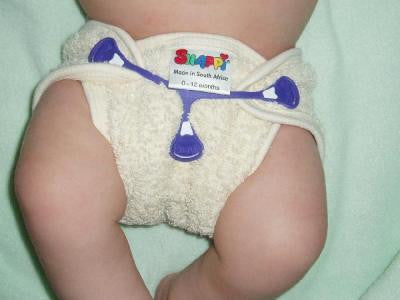
Credit: jilliansdrawers.com
Frequently Asked Questions
What Is A Snappi Cloth Diaper Fastener?
A Snappi is a flexible, plastic fastener that secures cloth diapers. It replaces traditional pins, offering safety and ease. It grips the diaper fabric firmly without damaging it. This fastener makes diaper changes quicker and hassle-free.
How Do You Attach A Snappi Fastener Correctly?
To attach, stretch the Snappi gently across the diaper’s edges. Hook each end into the diaper fabric carefully. Ensure the fastener is taut but not too tight. Proper attachment keeps the diaper snug and leak-proof.
Can Snappi Fasteners Be Used On All Cloth Diapers?
Snappi fasteners work best with fitted and prefold cloth diapers. They may not secure pocket diapers effectively. Always check compatibility with your diaper type. Using the right fastener ensures a secure and comfortable fit.
How Do You Clean And Maintain A Snappi Fastener?
Rinse the Snappi under warm water after use. Occasionally, scrub with mild soap to remove residue. Avoid harsh chemicals that can weaken the plastic. Proper cleaning extends the fastener’s lifespan and maintains its grip.
Conclusion
Using a Snappi cloth diaper fastener is simple and quick. It keeps diapers secure without pins or snaps. Just stretch and attach the fastener to the diaper’s edges. This tool saves time and makes diaper changes easier. You can reuse it many times, making it eco-friendly and cost-effective.
Practice a few times to get comfortable. Soon, diaper changes will feel smooth and stress-free. Try it today for a better diapering experience.


