Have you ever wondered what exactly makes a rivet so important in construction and manufacturing? If you’re curious about whether a rivet is truly a fastener and how it works, you’re in the right place.
Understanding this simple yet powerful tool can change the way you look at building and fixing things. Keep reading to discover how a rivet might be the key to your next project’s strength and durability.
What Is A Rivet
A rivet is a simple tool used to join two or more materials. It holds parts tightly together. Rivets are common in many industries like construction, automotive, and aerospace.
They provide a strong and permanent bond. Unlike screws or nails, rivets do not loosen easily. This makes them very reliable for many uses.
What Does A Rivet Look Like?
A rivet looks like a small metal pin. It has a smooth cylindrical shaft with a head at one end. The head stops the rivet from passing all the way through the materials.
How Does A Rivet Work?
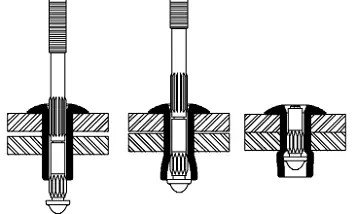
You place the rivet through holes in the materials. Then, you deform the tail end to hold the materials tightly. This deformation creates a second head, locking the rivet in place.
There are many types of rivets. Some common ones include solid rivets, blind rivets, and drive rivets. Each type suits different materials and applications.
Credit: www.rivetsonline.com
Types Of Rivets
Rivets come in many types, each designed for specific tasks. Choosing the right rivet ensures strong, lasting joints. Understanding these types helps in selecting the perfect fastener for your project.
Solid Rivets
Solid rivets are the simplest and strongest type. They consist of a solid metal pin with a head on one end. Installation requires access to both sides of the material. These rivets are common in aircraft and heavy machinery.
Blind Rivets
Blind rivets, also called pop rivets, work when you can access only one side. They have a mandrel inside that pulls the rivet to form a secure joint. Used in automotive and home repairs for easy fastening.
Semi-tubular Rivets
Semi-tubular rivets have a hollow end to reduce the force needed for installation. They are ideal for light to medium strength requirements. Common in electrical appliances and furniture assembly.
Drive Rivets
Drive rivets use a special pin driven into the rivet body to lock it in place. They install quickly without special tools. Often used in sheet metal and plastic parts for quick repairs.
Rivets Compared To Other Fasteners
Rivets are a type of fastener used to join materials together. They differ from other fasteners like screws and bolts in how they hold parts firmly. Understanding the differences helps choose the right fastener for each job.
Rivets Vs Screws
Screws have threads that dig into materials. They can be removed and reused easily. Rivets do not have threads and are permanent. Once installed, rivets hold parts tightly without loosening. Screws are better for parts that need frequent removal.
Rivets Vs Bolts
Bolts require nuts to hold parts together. They create strong joints but can loosen with vibration. Rivets form a permanent bond by deforming metal. They are lighter and need less space. Bolts suit heavy-duty tasks needing strong holds.
Advantages Of Rivets
Rivets provide a solid, lasting connection. They resist vibration and do not back out. Rivets work well on thin materials where screws may split. They are quick to install and cost less. Rivets spread load evenly over a larger area.
Applications In Construction
Rivets are widely used in construction for joining materials securely. Their strength and reliability make them ideal fasteners in many building projects. They hold parts together firmly, ensuring safety and durability. Let’s explore how rivets play a key role in different construction areas.
Structural Steelwork
Rivets connect steel beams and columns in buildings. They create strong joints that support heavy loads. Steel frameworks rely on rivets to keep the structure stable. This method has been trusted for decades in skyscrapers and large halls.
Bridges And Infrastructure
Bridges use rivets to join metal parts tightly. Rivets withstand vibrations and heavy traffic over time. They help maintain the bridge’s strength and shape. Infrastructure projects depend on riveted connections for long-term safety.
Building Facades
Rivets fasten facade panels to building frames. They ensure the outer walls stay secure against wind and weather. Rivets allow for flexible designs while keeping panels in place. This helps maintain the building’s appearance and protection.
Temporary Vs Permanent Joints
Rivets usually form permanent joints that do not come apart. Once set, they hold materials tightly for years. Some types of rivets can be removed if needed. Choosing the right rivet depends on whether the joint must last or be temporary.
Installation Techniques
Rivets are simple but strong fasteners. They join materials by creating a permanent bond. Installing rivets requires specific methods. These methods ensure a tight and lasting hold. Each technique suits different needs and tools.
Manual Riveting
Manual riveting uses hand tools like hammers and squeezers. It is common for small jobs or repairs. The rivet is placed in the hole first. Then, the tool deforms the rivet end to lock it. This process is slow but precise. It works well in tight or hard-to-reach spots.
Pneumatic And Hydraulic Riveting
Pneumatic and hydraulic tools speed up riveting. They use air pressure or fluid to push the rivet. These tools reduce manual effort and increase power. They are ideal for medium to large projects. Rivets install quickly and consistently. This method improves productivity and reduces fatigue.
Modern Automation
Modern automation uses robots and machines for riveting. This method suits high-volume production lines. Machines place and set rivets fast and accurately. Automation lowers human error and increases safety. It also helps keep costs down over time. This is common in car and airplane manufacturing.
Durability And Maintenance
Durability and maintenance are key factors when choosing a rivet as a fastener. Rivets must hold parts firmly for a long time. They face stress, weather, and wear. Proper care helps rivets last longer and keep safety high. Understanding how to protect and maintain rivets improves their performance.
Corrosion Resistance
Rivets come in materials that resist rust and corrosion. Aluminum and stainless steel rivets handle moisture well. Coatings add extra protection against harsh environments. Choosing the right rivet material prevents damage from water and chemicals. This extends the life of the fastener and the joined parts.
Inspection Practices
Regular checks help spot rivet problems early. Look for cracks, loosening, and rust. Inspection ensures the rivet still holds parts tightly. Use visual checks and simple tools for safety. Keeping a schedule for inspections reduces the risk of failure. Quick action can stop small issues from growing.
Repair And Replacement
Damaged rivets should be fixed or replaced quickly. Repair may include tightening or adding new rivets. Removing old rivets needs care to avoid damaging parts. Using the right tools makes replacement easier and safer. Timely repair keeps structures strong and reliable for longer.
Future Trends In Riveting
The future of riveting holds exciting possibilities. Technology and materials continue to evolve. These changes will affect how rivets are made and used. Riveting will become more efficient and reliable. Industries like automotive, aerospace, and construction will benefit greatly.
New trends focus on stronger materials, smarter tools, and eco-friendly options. This ensures riveting stays relevant and useful. It also helps meet modern demands for safety and sustainability.
Innovative Materials
New materials improve rivet strength and durability. Lightweight metals like titanium and aluminum alloys gain popularity. These metals resist corrosion and reduce weight. Composite materials also appear in riveting. They offer flexibility and toughness for special uses. Material innovation helps meet performance needs in tough environments.
Smart Fastening Solutions
Smart fastening uses sensors and digital tech. These tools check rivet tightness and condition in real-time. Detecting problems early prevents failures and saves costs. Automated riveting machines improve speed and accuracy. Smart solutions make riveting safer and more precise. They support quality control on factory floors.
Sustainability Considerations
Sustainability shapes future riveting methods. Eco-friendly materials reduce environmental impact. Recycling old rivets and scrap metal is common. Energy-efficient production lowers carbon footprints. Sustainable practices align riveting with global green goals. This trend encourages more responsible manufacturing and use.

Credit: www.youtube.com

Credit: www.youtube.com
Frequently Asked Questions
What Is A Rivet In Fastener Terminology?
A rivet is a permanent mechanical fastener. It joins two or more materials by deforming its tail. Rivets provide strong, durable connections without threading.
How Does A Rivet Differ From A Screw Fastener?
Rivets create permanent joints by deformation. Screws use threads to fasten and can be removed easily. Rivets are best for vibration resistance.
Are Rivets Suitable For Heavy-duty Fastening?
Yes, rivets are widely used in heavy-duty applications. They offer strong and reliable joints in structures like bridges and aircraft.
Can Rivets Be Reused After Removal?
No, rivets are usually single-use fasteners. Removing a rivet damages it, requiring replacement for secure fastening.
Conclusion
A rivet is definitely a type of fastener used to join materials. It holds parts tightly by creating a permanent bond. Rivets work well in places where screws or nails might fail. They provide strong, lasting connections without loosening over time.
Knowing this helps you understand how many structures stay together. Fasteners come in many forms, but rivets remain a simple, reliable choice. Next time you see metal joined firmly, a rivet might be the reason why.