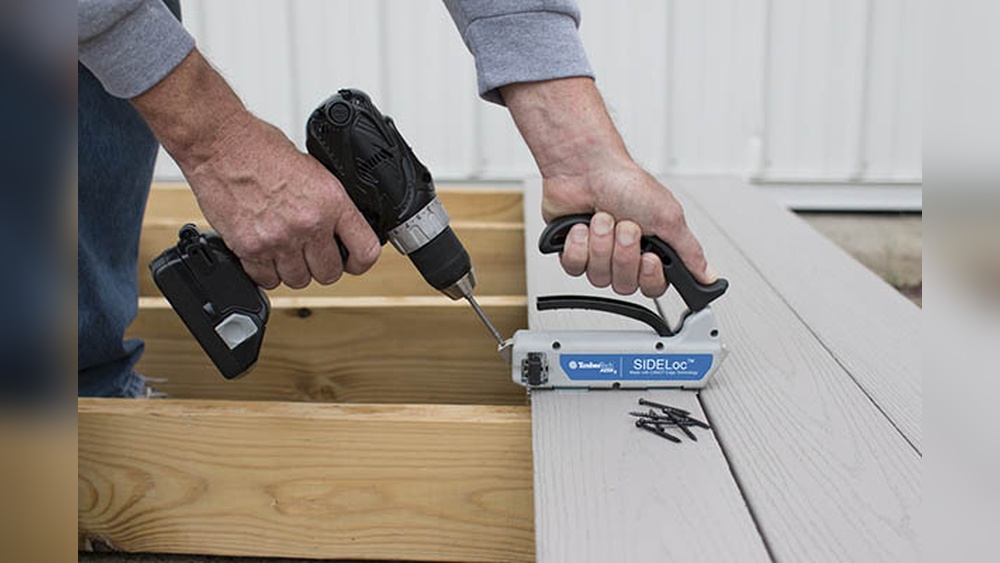
Have you ever wondered what holds your furniture, gadgets, or vehicles firmly together? The answer often lies in something small but mighty: threaded fasteners.
These tiny components play a crucial role in keeping everything secure and functioning properly. If you want to understand how these fasteners work and why they matter so much, you’re in the right place. By the end of this article, you’ll see threaded fasteners in a whole new light—and you might even spot them in your daily life with fresh eyes.
Let’s dive in and uncover what makes these simple tools so essential for your projects and repairs.

Credit: www.mudgefasteners.com
Basics Of Threaded Fasteners
Threaded fasteners are essential tools in construction and repair. They hold parts together securely and allow for easy assembly and disassembly. Understanding the basics helps you choose the right fastener for your project.
This section explains what threaded fasteners are, how threads work, and the common materials used.
What Are Threaded Fasteners
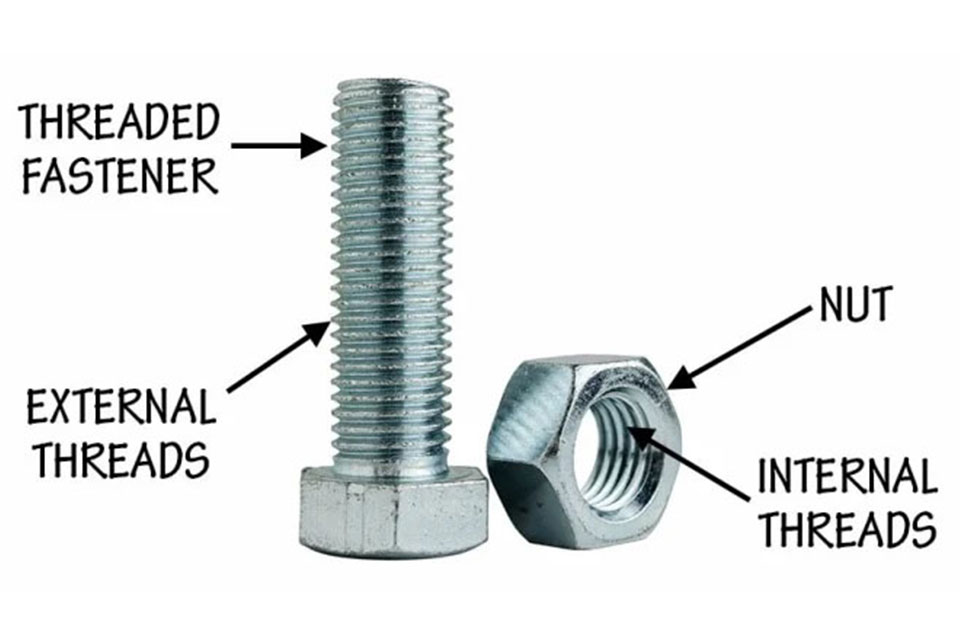
Threaded fasteners are screws, bolts, or studs with helical ridges called threads. These threads wrap around the fastener’s shaft. They create a strong grip when twisted into a matching threaded hole or nut. This grip holds parts tightly together.
How Threads Work
Threads convert turning motion into linear force. When you twist a fastener, the threads pull it deeper into the material. The angle and shape of threads affect how tight the fastener holds. Threads also prevent the fastener from loosening under vibration.
Common Materials Used
Threaded fasteners come in many materials. Steel is the most common due to its strength. Stainless steel resists rust and corrosion. Brass and aluminum are lighter and used where weight matters. Plastic fasteners work in non-metal applications.
Types Of Threaded Fasteners
Threaded fasteners are essential in many industries and projects. They join parts securely and allow easy assembly and disassembly. Various types of threaded fasteners serve different purposes. Understanding these types helps in choosing the right fastener for your task.
Bolts And Screws
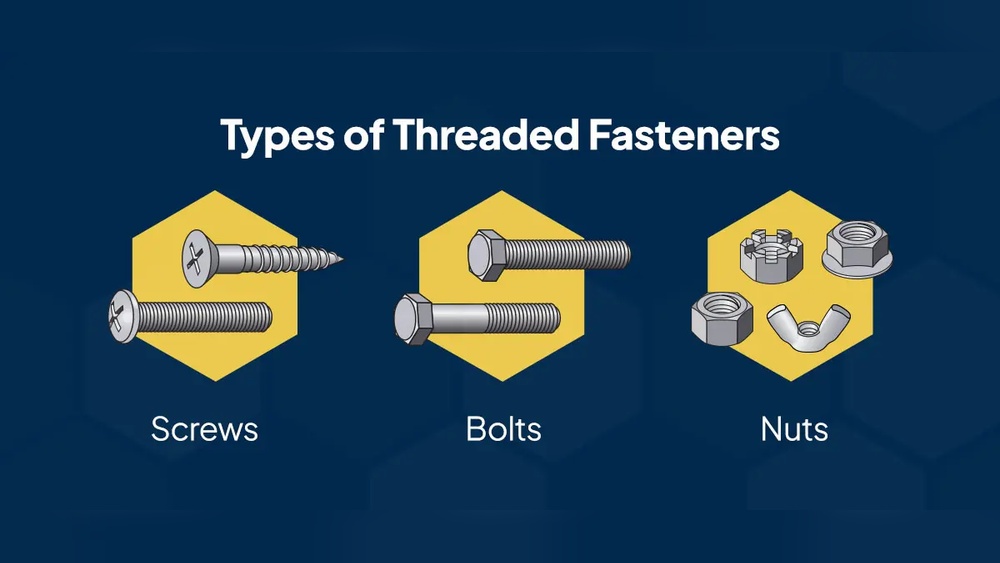
Bolts and screws are common threaded fasteners. Bolts usually need a nut to hold parts together. Screws can hold parts by themselves, often by threading into the material. Both come in many sizes and shapes. They are used in wood, metal, and plastic.
Nuts And Washers
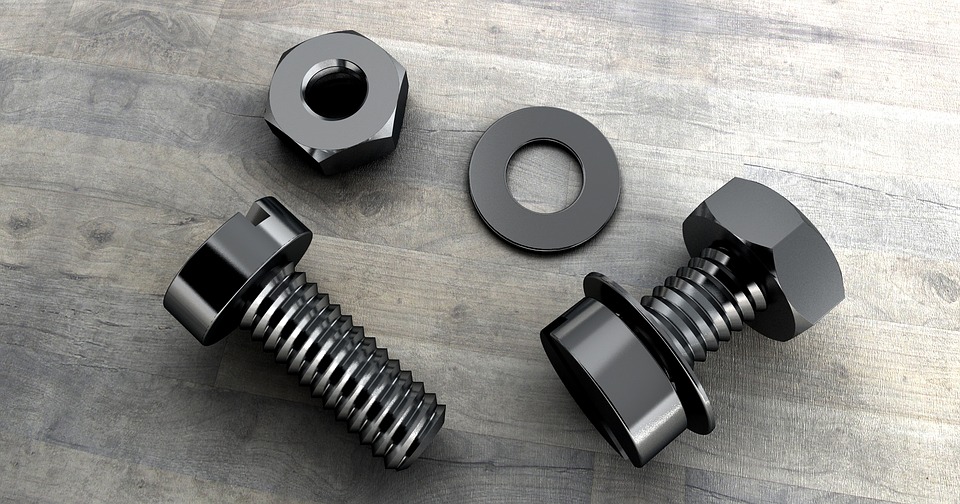
Nuts work with bolts to secure parts tightly. They have internal threads that match the bolt’s external threads. Washers sit between the nut or bolt head and the surface. They spread the load and prevent damage to the material. Washers also reduce loosening from vibration.
Studs And Threaded Rods
Studs are threaded rods with no head. They screw into one part and allow a nut on the other end. Threaded rods are long rods fully threaded along their length. They join parts at a distance or provide extra length. Both are useful in construction and machinery.
Thread Forms And Standards
Threaded fasteners use specific thread shapes and sizes. These shapes and sizes follow set standards. These standards ensure parts fit well and work safely. Different thread forms suit different needs. Some threads are common worldwide, while others are for special tasks.
Unified Thread Standard
The Unified Thread Standard (UTS) is common in the United States. It uses inch measurements for thread size. Threads have a triangular shape with a 60-degree angle. UTS includes different thread types: coarse, fine, and extra fine. Coarse threads are strong and quick to install. Fine threads hold better in thin materials. UTS helps parts fit together in machines and tools.
Metric Thread System
The Metric Thread System is used worldwide. It measures thread size in millimeters. Thread pitch shows the distance between threads. Metric threads also have a 60-degree angle. This system has standard sizes and pitches. It is easy to use and widely accepted. Metric threads work well for cars, electronics, and construction.
Specialty Thread Types
Specialty threads serve unique purposes. Some have rounded or square shapes instead of triangles. Acme threads are strong and good for power transmission. Buttress threads handle heavy loads in one direction. There are also self-locking threads to prevent loosening. These types fit specific machines or tasks. They offer strength or special function beyond standard threads.
Choosing The Right Fastener
Choosing the right threaded fastener is key to a strong and lasting connection. Fasteners come in many types and sizes. Each choice affects how well your project holds together. Understanding the main factors helps pick the best fastener for your needs.
Load And Strength Considerations
Fasteners must handle the weight and force they face. Check the load capacity before selecting. Stronger materials like steel suit heavy loads. Light loads might only need aluminum or plastic fasteners. Using the wrong strength can cause failure or damage.
Environmental Factors
Fasteners face different environments. Moisture, heat, and chemicals affect their performance. Stainless steel resists rust in wet areas. Zinc coating prevents corrosion outdoors. Choose fasteners that survive the conditions they will meet.
Material Compatibility
Fasteners should match the materials they join. Metals react with each other and cause corrosion. Avoid mixing incompatible metals like aluminum and steel. Use fasteners made from similar or compatible materials. This prevents damage and keeps joints strong.
Common Applications
Threaded fasteners are small but vital parts in many fields. They hold pieces together firmly and allow easy assembly or repair. Their use spans many industries due to their strength and reliability.
These fasteners come in various shapes and sizes. They fit different materials and load requirements. Their common use shows their importance in daily products and structures.
Automotive Industry
Cars, trucks, and motorcycles use threaded fasteners extensively. They secure engine parts, wheels, and body panels. Fasteners also hold electrical components and interiors. Reliable fastening is key for vehicle safety and performance.
Construction And Infrastructure
Threaded fasteners join steel beams, pipes, and panels. They help build bridges, buildings, and roads. Workers prefer them for quick assembly and strong holds. Fasteners allow easy maintenance and upgrades on structures.
Electronics And Appliances
Small fasteners hold circuit boards and casings in place. They secure parts inside phones, computers, and TVs. Appliances like refrigerators and washing machines rely on them. These fasteners keep devices safe and functional over time.
Credit: thors.com
Installation And Maintenance Tips
Installing and maintaining threaded fasteners properly extends their life and ensures safety. Careful attention during these steps prevents common problems like loosening or breaking. Follow simple guidelines to keep fasteners strong and reliable.
Proper Torque Techniques
Use a torque wrench to tighten fasteners to the recommended level. Too much force can strip threads or break bolts. Too little force allows parts to loosen over time. Always follow the manufacturer’s torque specs carefully. Tighten bolts gradually in a crisscross pattern when needed. This helps distribute pressure evenly and avoids warping parts.
Avoiding Thread Damage
Start threading by hand to avoid cross-threading. Cross-threading damages fasteners and weakens connections. Clean threads before installation to remove dirt or debris. Use lubricants if specified to reduce friction. Avoid using power tools for the final tightening step. This prevents over-tightening and thread stripping.
Inspection And Replacement
Regularly inspect fasteners for signs of wear or damage. Look for rust, cracks, or bent parts. Replace any fastener that shows damage immediately. Do not reuse single-use or stretch bolts. Keep spare fasteners on hand for quick replacements. Proper inspection prevents failures and keeps equipment safe.
Credit: monroeengineering.com
Frequently Asked Questions
What Are Threaded Fasteners Used For?
Threaded fasteners join two or more objects securely. They provide strong, removable connections in machinery, construction, and electronics. Common types include screws, bolts, and studs. Their threaded design allows easy assembly and disassembly, making them essential in maintenance and repairs.
How Do Threaded Fasteners Work?
Threaded fasteners work by engaging with internal or external threads. When tightened, the threads create friction and tension. This holds components firmly together. The spiral ridge design converts rotational force into linear clamping force, ensuring a secure fit between parts.
What Materials Are Threaded Fasteners Made From?
Threaded fasteners are made from steel, stainless steel, brass, aluminum, and plastic. Steel is the most common due to strength and durability. Stainless steel offers corrosion resistance. Material choice depends on application, environment, and load requirements for optimal performance.
What Are Common Types Of Threaded Fasteners?
Common types include screws, bolts, nuts, studs, and threaded rods. Screws often have tapered shafts. Bolts require nuts to secure parts. Each type varies in head shape, thread pattern, and usage, catering to different fastening needs across industries.
Conclusion
Threaded fasteners hold parts tightly together. They come in many shapes and sizes. These fasteners make machines and structures strong. Choosing the right type helps the job last longer. Simple to use, they save time and effort. Understanding their role improves how things are built.
Every project benefits from strong, reliable fasteners. Keep these basics in mind when working with them.