Have you ever wondered how things stay firmly attached when you can only access one side? That’s where blind fasteners come in.
If you’ve struggled with tricky repairs or assembly jobs, understanding what a blind fastener is could change the way you work. This simple, yet clever tool helps you secure materials quickly and safely, even when the back side is out of reach.
Keep reading to discover how blind fasteners work and why they might be exactly what you need for your next project.
Credit: www.huyett.com
Types Of Blind Fasteners
Blind fasteners are essential in many industries for joining materials. They work well when access is only possible from one side. Different types of blind fasteners suit various applications and materials.
Each type has unique features. Choosing the right one improves strength and efficiency. Below are some common types of blind fasteners.
Structural Blind Rivets
Structural blind rivets offer strong, permanent fastening. They are designed for heavy-duty applications. These rivets can join thick materials reliably. Their high strength makes them popular in construction and transportation.
Blind Bolts
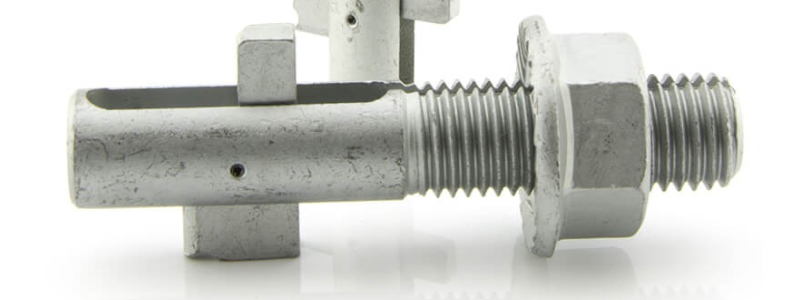
Blind bolts provide secure fastening with high shear strength. They work well for structural steel and heavy metal parts. Installation requires special tools but creates very strong joints. Blind bolts resist vibration and heavy loads effectively.
Self-piercing Rivets
Self-piercing rivets do not need pre-drilled holes. They pierce the material and fasten in one step. These rivets are common in automotive and sheet metal industries. They save time and reduce the risk of material damage.
Pull-type Blind Rivets
Pull-type blind rivets are easy to install. A tool pulls the mandrel, expanding the rivet body. This creates a tight and secure joint on the blind side. They are versatile and used in many light to medium-duty applications.

Credit: www.tjlituo.com
How Blind Fasteners Work
Blind fasteners are special tools used to join materials together when only one side is accessible. They offer a strong and reliable hold, even in hard-to-reach places. Understanding how blind fasteners work helps to choose the right type and use them correctly.
Installation Process
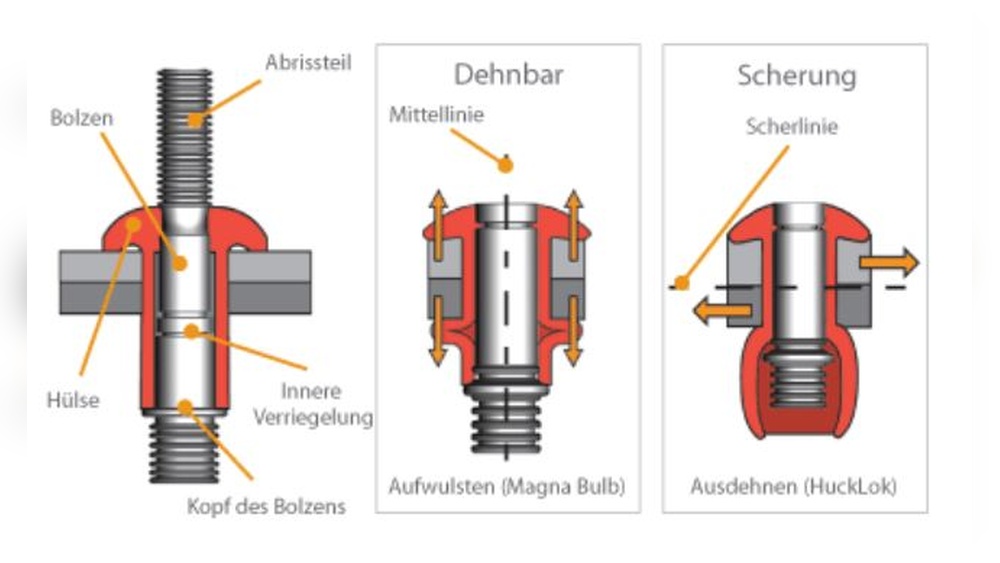
The installation of blind fasteners starts by placing the fastener into the hole from the accessible side. A special tool pulls the fastener’s mandrel, which causes the fastener to expand inside the material. This expansion creates a tight grip between the fastener and the material. After the fastener is secure, the mandrel breaks off and is removed.
Mechanism Of Grip
Blind fasteners grip by expanding behind the material, forming a strong hold. The mandrel pulls the fastener’s body, causing it to deform and fill the hole. This deformation locks the fastener in place. The grip is strong enough to resist vibration and movement, keeping the materials joined securely.
Material Compatibility
Blind fasteners work well with many materials like metal, plastic, and composites. Choosing the right fastener depends on the materials’ thickness and hardness. Some fasteners are made from stainless steel, aluminum, or other metals to resist corrosion. Proper selection ensures a lasting and strong connection.
Common Applications
Blind fasteners are popular in many industries due to their ease of use. They work well where only one side of the material is accessible. This makes them perfect for tight spaces and hidden joints. Here are some common areas where blind fasteners are widely used.
Automotive Industry
Blind fasteners help assemble cars quickly and safely. They join body panels without needing access to both sides. This saves time on the factory floor. These fasteners also resist vibrations from the engine and road. They keep parts secure during vehicle operation.
Aerospace Sector
In aerospace, weight and strength matter a lot. Blind fasteners provide strong joints without adding extra weight. They work well on aircraft skins and interior panels. Their reliability helps maintain safety at high speeds and altitudes. Maintenance crews also prefer them for easy repairs.
Construction Projects
Blind fasteners are useful in many building tasks. They join metal frames, panels, and sheets quickly. Builders use them where access is limited or dangerous. These fasteners hold up well under stress and weather. Their durability helps structures last longer.
Electronics Assembly
Small blind fasteners secure electronic parts and casings. They fit into tight spaces inside devices. This prevents damage to delicate components. They also allow fast assembly and repair of gadgets. Their precision supports the compact design of electronics.
Advantages Of Using Blind Fasteners
Blind fasteners offer many benefits that improve assembly and maintenance. They work well in hard-to-reach areas and provide strong, lasting joints. These fasteners save time and reduce costs in production. They also resist corrosion, which increases lifespan and reliability.
Accessibility Benefits
Blind fasteners can be installed from one side only. This feature helps in tight or limited spaces. It eliminates the need to access the back of the material. This makes assembly easier and safer in many projects.
Strength And Durability
Blind fasteners create strong, reliable joints. They hold parts tightly together, even under stress. Their design spreads the load evenly. This reduces the chance of damage or failure over time.
Time And Cost Efficiency
These fasteners speed up the assembly process. Fewer tools and simpler steps save time. Less labor means lower production costs. They also reduce the need for repairs and replacements.
Corrosion Resistance
Many blind fasteners are made from corrosion-resistant materials. This protects against rust and wear. It is ideal for outdoor and marine applications. The long-lasting finish keeps joints secure over time.
Choosing The Right Blind Fastener
Choosing the right blind fastener is key for strong and reliable joints. The selection depends on several important factors. Each factor helps match the fastener to your project needs. Understanding these can save time and prevent failures.
Material Considerations
Pick a fastener material that suits your base materials. Aluminum fasteners suit light metals and plastics. Steel fasteners offer high strength for heavy-duty jobs. Stainless steel resists rust and suits wet or outdoor use. Match the fastener material with the parts you join.
Load Requirements
Consider the forces the joint must handle. Light loads need smaller, simpler fasteners. Heavy loads require strong fasteners with high tensile strength. Check if the fastener must resist shear or pull forces. Choose a fastener rated for the expected load.
Environmental Factors
Think about the environment around the fastener. Moisture, chemicals, and temperature changes affect fastener choice. Use corrosion-resistant materials in wet or salty areas. For high heat, choose fasteners that hold strength at temperature. Protect your joint from environment damage.
Installation Tools
Match the fastener to tools you have or can get. Blind fasteners need special rivet guns or setting tools. Some fasteners work with manual tools, others need power tools. Choose fasteners easy to install with your equipment. This saves effort and ensures correct installation.
Credit: www.blindbolt.com
Maintenance And Inspection Tips
Maintaining and inspecting blind fasteners is key for safety and durability. Regular checks prevent failures and costly repairs. Simple steps can extend the life of these fasteners.
Signs Of Wear
Look for cracks, corrosion, or loose fasteners. Bent or damaged parts show wear. Rust indicates moisture exposure. Worn fasteners may cause parts to shift or loosen.
Replacement Guidelines
Replace fasteners showing damage or corrosion. Follow manufacturer instructions for replacements. Use the same size and type of fastener. Replace all fasteners in a joint if one fails.
Preventive Measures
Keep fasteners clean and dry. Apply rust-proof coatings if needed. Avoid over-tightening during installation. Schedule regular inspections to catch early problems.
Frequently Asked Questions
What Is A Blind Fastener Used For?
A blind fastener is used to join materials where only one side is accessible. It provides strong, reliable fastening in tight or hard-to-reach spaces.
How Does A Blind Fastener Work?
A blind fastener expands or clamps from one side, creating a secure hold without needing access to the opposite side.
What Are Common Types Of Blind Fasteners?
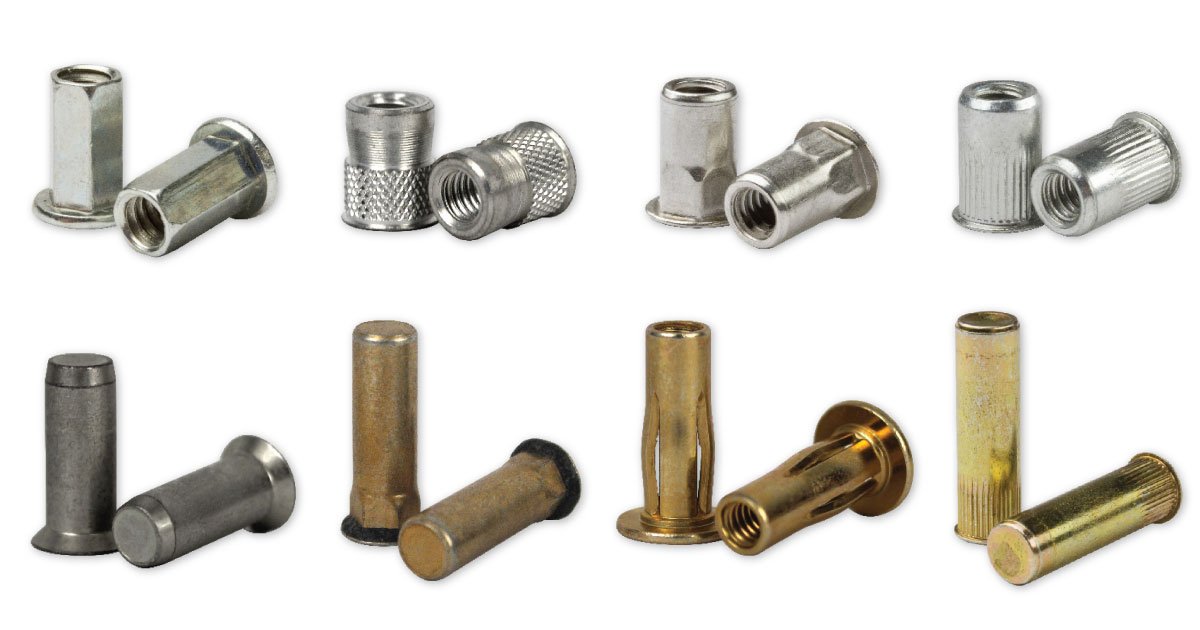
Common types include rivets, blind bolts, and threaded inserts. Each type suits different materials and load requirements.
Why Choose Blind Fasteners Over Traditional Fasteners?
Blind fasteners save time and effort by allowing installation from one side. They are ideal for blind or enclosed spaces.
Conclusion
Blind fasteners join materials where only one side is accessible. They save time and effort during assembly. These fasteners work well in tight or hard-to-reach spaces. Choosing the right type ensures a strong and secure hold. They come in various sizes and materials to fit different needs.
Understanding their use helps in making better repair or construction decisions. Blind fasteners remain a reliable choice for many projects. Simple, effective, and easy to use.