When you start any project, whether it’s fixing a loose chair or building a new deck, the right fasteners make all the difference. But do you know the different types of fasteners and which one fits your needs best?
Choosing the wrong fastener can lead to weak joints, wasted time, and frustration. You’ll discover the most common types of fasteners, how they work, and when to use each one. Understanding these simple yet essential tools will help you complete your projects faster and stronger.
Keep reading to unlock the secrets behind fasteners and take your DIY skills to the next level.
Credit: bhansalitechno.com
Common Fastener Types
Fasteners hold objects together. They keep things strong and steady. Many types exist for different jobs. Knowing common fasteners helps choose right ones.
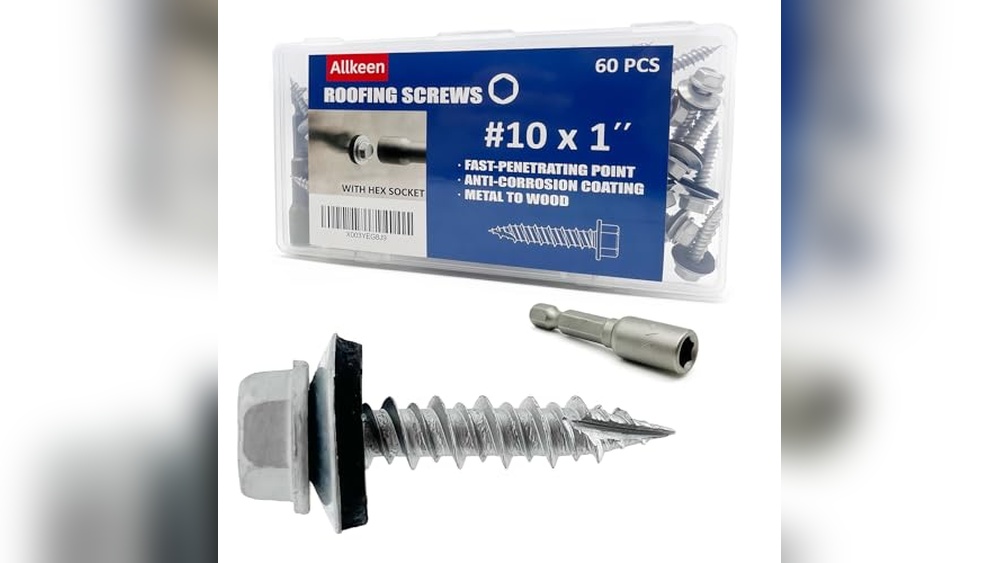
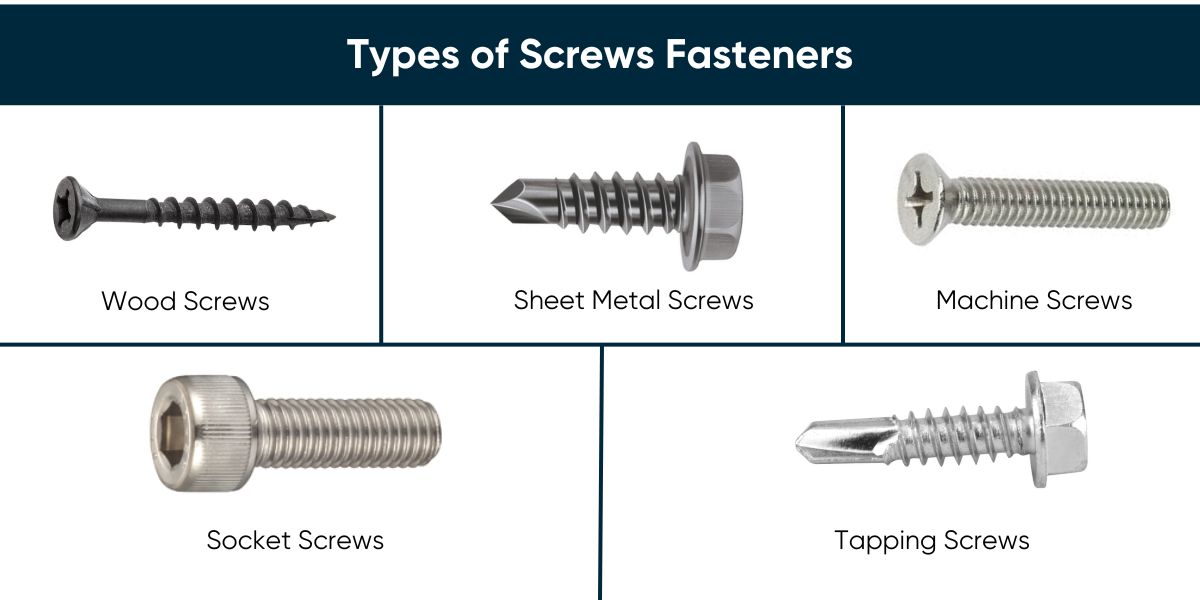
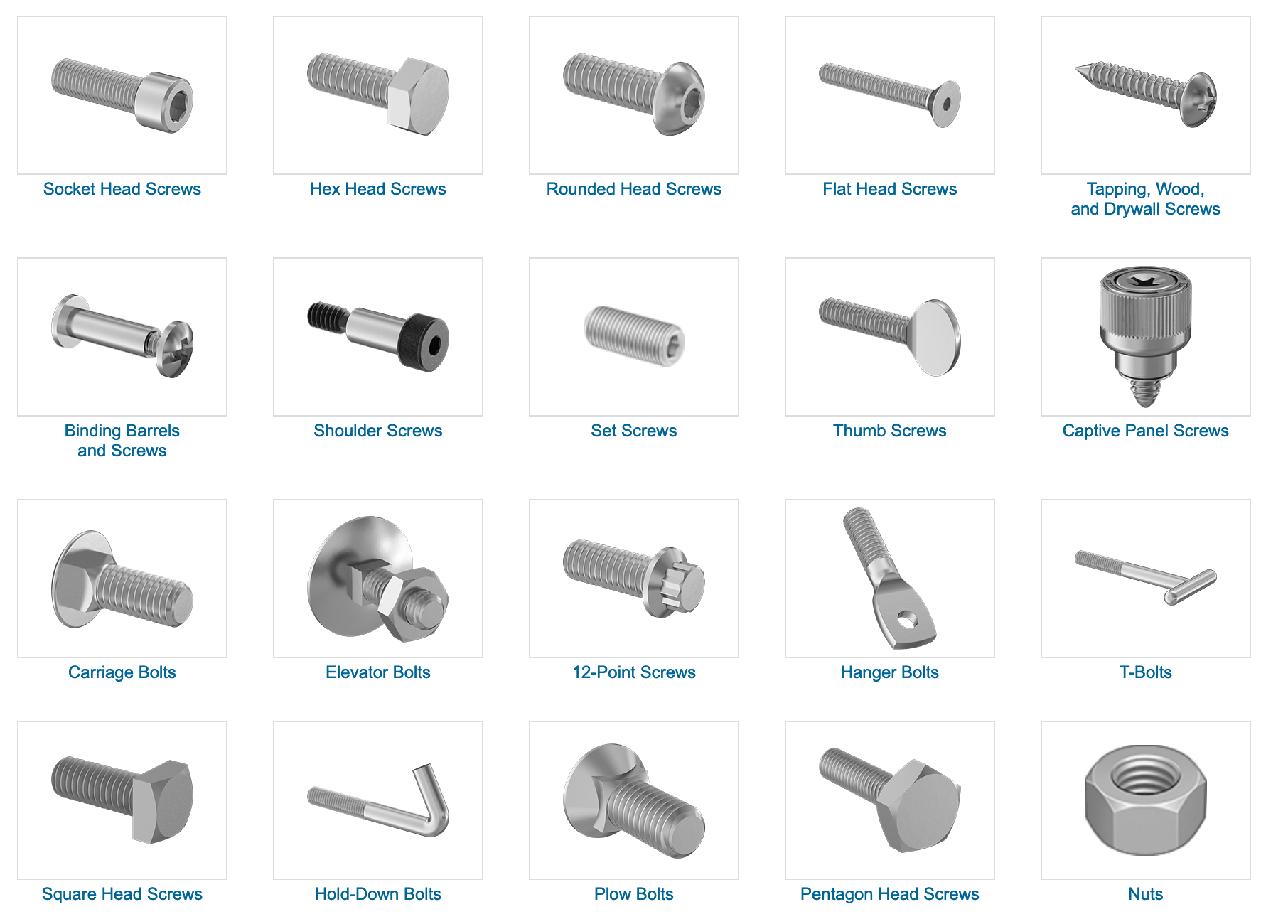
Bolts And Screws
Bolts and screws join parts by threading. Bolts need nuts to hold tight. Screws cut their own threads in materials. Both come in many shapes and sizes. They work well with wood, metal, and plastic.
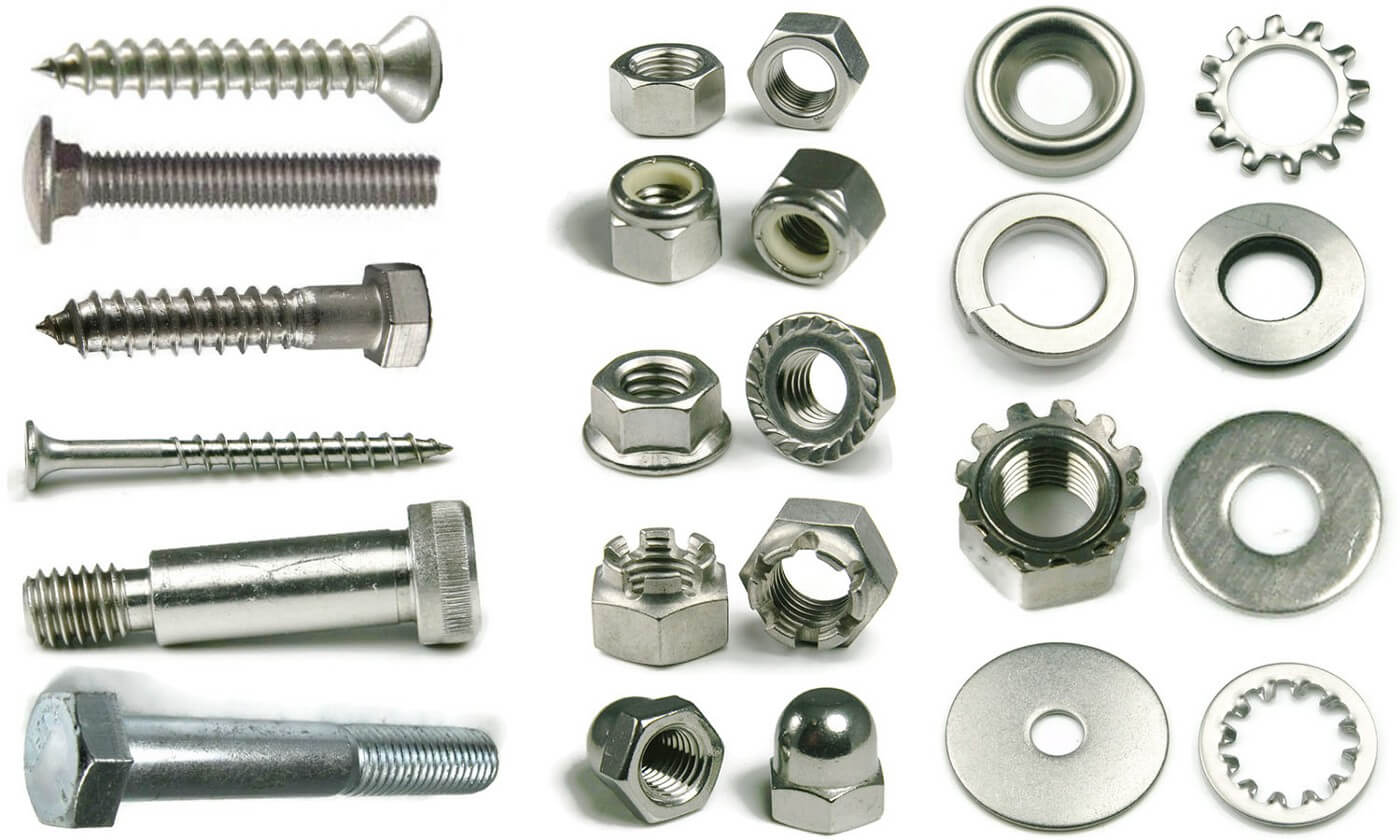
Nuts And Washers
Nuts pair with bolts to lock parts. Washers spread pressure to avoid damage. They stop nuts from loosening from vibration. Washers also protect surfaces from scratches. Common types include flat and spring washers.
Rivets
Rivets join materials by deforming the end. They create a permanent hold. Often used in metalwork and construction. Rivets resist vibration and strong forces. They come in solid, blind, and pop forms.
Anchors
Anchors secure fasteners in walls or concrete. They expand to grip the base material. Used for heavy items like shelves and cabinets. Types include plastic, metal, and sleeve anchors. Anchors provide strong, stable support for loads.
Credit: www.fusiondesigninc.com
Specialty Fasteners
Specialty fasteners serve unique purposes in many industries. They are designed for specific tasks that regular fasteners cannot handle. These fasteners offer precise solutions for complex assembly needs. Understanding these types can help choose the right fastener for your project.
Threaded Inserts
Threaded inserts create strong threads in soft materials. They are often used in wood, plastic, or metal. These inserts improve fastening strength and durability. Installing them prevents damage to the base material. Threaded inserts allow repeated assembly and disassembly without wear.
Clips And Clamps
Clips and clamps hold parts tightly together. They come in many shapes and sizes. These fasteners provide quick and easy assembly. Clips often snap into place without tools. Clamps apply pressure to secure objects firmly during work or transport.
Pins And Cotter Pins
Pins align or join two parts securely. Cotter pins lock fasteners in place to stop loosening. They are simple but effective fasteners. Cotter pins are bent after insertion to hold tight. Both pins and cotter pins are reusable and reliable.
Material Choices
Choosing the right material for fasteners is key to their strength and durability. Different materials offer unique benefits. These choices affect how fasteners perform in various environments.
Understanding material options helps pick the best fastener for each job. Materials vary in resistance to rust, weight, and cost. Let’s explore common materials used in fasteners.
Steel Fasteners
Steel fasteners are strong and widely used. They handle heavy loads and tough conditions well. These fasteners are often coated to prevent rust. Zinc plating is a common protective layer. Steel fasteners work best in dry or indoor settings.
Stainless Steel Options
Stainless steel fasteners resist rust and corrosion naturally. They suit outdoor and wet environments perfectly. These fasteners maintain strength even in harsh weather. Stainless steel costs more but lasts longer. Ideal for marine, food, and medical uses.
Brass And Aluminum
Brass fasteners resist corrosion and look attractive. They are softer and used in decorative projects. Aluminum fasteners are lightweight and resist rust. Both are less strong than steel but good for light tasks. Choose these for low-stress applications or where appearance matters.
Selecting Fasteners By Project
Selecting the right fasteners depends on the type of project you have. Different materials need different fasteners. Choosing the correct one helps ensure strength and durability. It also makes the work easier and safer.
Fasteners come in many types. Each type fits specific materials and uses. Knowing which fastener works best with your project saves time and prevents damage.
Woodworking Fasteners
Woodworking uses nails, screws, and bolts made for wood. Wood screws have coarse threads to hold wood tightly. Nails are quick for joining wood but hold less than screws. Bolts provide strong joints for heavy wood projects. Use fasteners that resist rust in outdoor woodwork.
Metal Fabrication Fasteners
Metal projects need fasteners like machine screws, nuts, and rivets. Machine screws fit threaded holes or are used with nuts. Rivets join metal sheets firmly and permanently. Choose fasteners made of steel or stainless steel for strength. Proper fasteners prevent metal parts from loosening or breaking.
Masonry Fasteners
Masonry involves materials like brick, concrete, and stone. Use anchors, masonry screws, or expansion bolts. Anchors expand inside the hole to hold tight in hard material. Masonry screws have special threads for gripping stone or brick. These fasteners resist vibration and weather for long-lasting hold.
Installation Techniques
Installing fasteners correctly is key to strong, lasting connections. Different fasteners require specific methods for best results. This section explains important installation techniques to help you use fasteners with confidence and safety.
Hand Tools Vs Power Tools
Hand tools give control and precision. Use screwdrivers, wrenches, and pliers for small or delicate fasteners. They help avoid over-tightening and damage.
Power tools save time and effort. Drills and impact drivers work well for many fasteners. Match the tool power to the fastener size to prevent stripping.
Choose tools based on the job, fastener type, and material. Sometimes, a combination of hand and power tools works best.
Proper Torque Application
Applying correct torque ensures fasteners hold firmly without breaking. Over-tightening can strip threads or snap bolts. Under-tightening makes joints loose and weak.
Use a torque wrench for accuracy. Follow manufacturer torque specs for each fastener. This maintains the strength and safety of the assembly.
Check torque again after initial installation if possible. This keeps fasteners secure over time.
Safety Tips
Wear safety glasses to protect eyes from debris. Gloves shield hands from sharp edges and hot surfaces. Keep work area clean and well-lit.
Use tools properly to avoid slips and injuries. Check tools before use to ensure they are in good condition. Secure materials firmly before fastening.
Never force a fastener if it won’t turn. Inspect fasteners regularly for wear or damage. Replace damaged fasteners immediately.
Credit: www.3erp.com
Frequently Asked Questions
What Are The Main Types Of Fasteners?
The main types of fasteners include screws, bolts, nuts, washers, rivets, and nails. Each serves specific purposes in joining materials securely.
How Do Screws Differ From Bolts?
Screws are threaded fasteners designed to be driven into materials. Bolts require a nut to secure two parts together tightly.
What Applications Use Rivets As Fasteners?
Rivets are commonly used in aircraft, construction, and metalwork for permanent, strong joints where welding isn’t suitable.
When Should Washers Be Used With Fasteners?
Washers distribute load, prevent damage, and reduce loosening in fastened joints. They improve fastening reliability and durability.
Conclusion
Fasteners come in many types, each serving a specific need. Choosing the right fastener helps build strong and lasting projects. Simple tools and fasteners can make big differences. Understanding these types saves time and effort. Use this knowledge to pick fasteners that fit your work.
Small details matter in every construction or repair job. Keep learning about fasteners to improve your skills. This makes your work safer and more reliable every time.