Choosing the right fasteners for pressure treated wood can make or break your project. You want your deck, fence, or outdoor furniture to last for years without rust or damage.
But with so many options out there, how do you know which ones will hold up best? You’ll discover exactly what fasteners work perfectly with pressure treated wood. By the end, you’ll feel confident picking the right materials that keep your work strong and looking great.
Keep reading to avoid costly mistakes and get your project done right the first time.
Types Of Pressure Treated Wood
Pressure treated wood is popular for outdoor projects. It lasts longer and resists rot and insects. Different types of pressure treated wood suit various needs. Knowing the types helps choose the right fasteners and tools.
Common Wood Varieties
Pine is the most used wood for pressure treatment. It is affordable and easy to find. Southern Yellow Pine stands out for strength and durability. Other woods like fir and spruce also get treated but are less common.
Chemical Treatments Used
Wood is soaked with chemicals under high pressure. Copper-based preservatives like ACQ and CA are popular. These chemicals stop fungi and bugs from damaging wood. Newer treatments avoid harmful arsenic, making wood safer.
Effects On Wood Properties
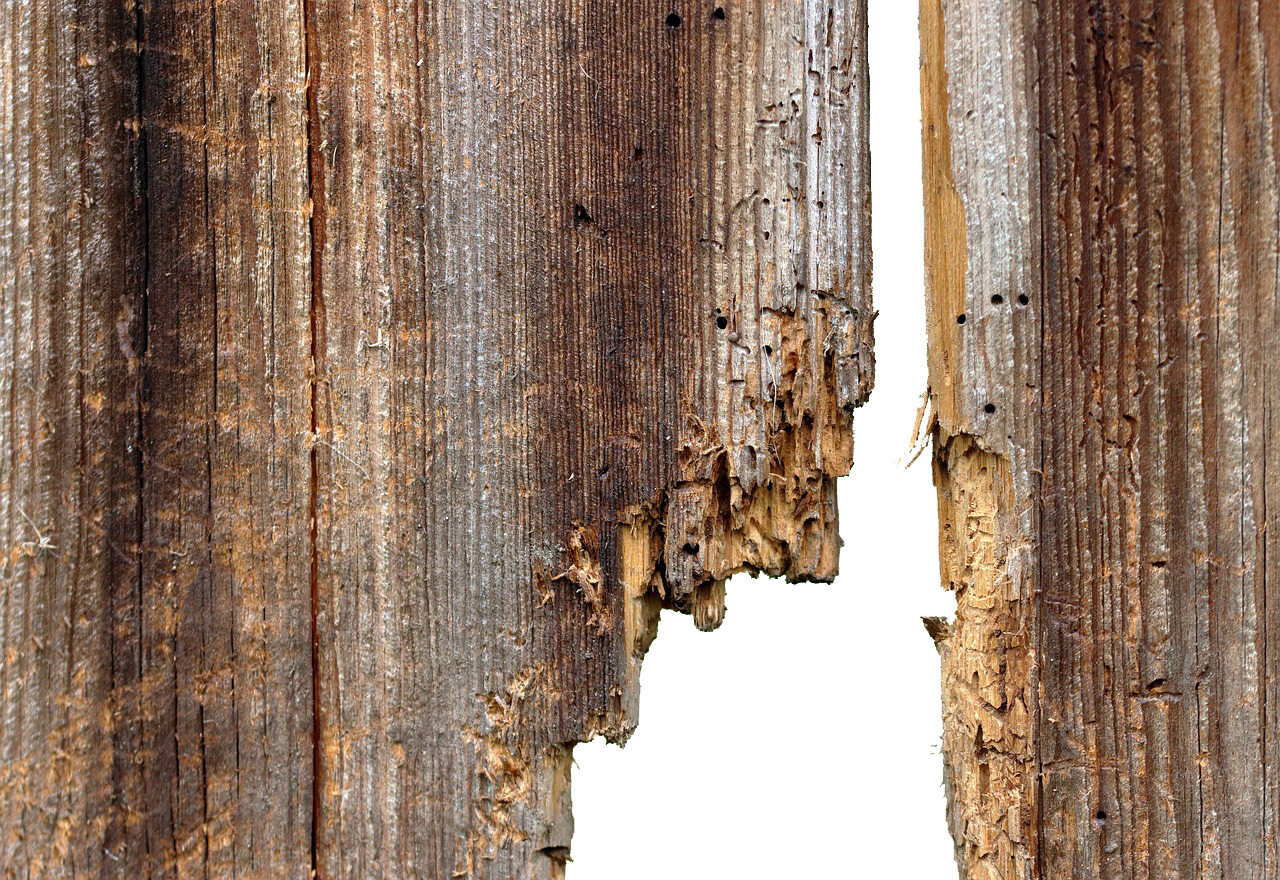
Treated wood can be heavier due to chemical absorption. It may also be slightly softer or more brittle. Some treatments cause wood to corrode metal fasteners faster. Choosing the right fasteners is key to avoid rust and damage.
Credit: us.sfs.com
Challenges With Fastening Pressure Treated Wood
Fastening pressure treated wood presents unique challenges. The chemicals in the wood affect how fasteners hold up over time. Choosing the wrong fastener can lead to problems like rust or loosening joints. Understanding these issues helps pick the right materials and tools for a strong, lasting build.
Corrosion Risks
Copper and other chemicals in pressure treated wood cause metal fasteners to corrode quickly. Ordinary nails and screws rust fast, weakening the structure. Corrosion can cause fasteners to break or fail completely. Using corrosion-resistant fasteners is essential to avoid damage and keep the wood secure.
Wood Expansion And Contraction
Pressure treated wood absorbs moisture and changes size often. This causes the wood to expand and contract with weather changes. Fasteners must allow for this movement to prevent splitting or loosening. Rigid fasteners can cause cracks or gaps, reducing the wood’s strength.
Impact On Fastener Longevity
The harsh environment inside pressure treated wood reduces fastener life. Fasteners exposed to chemicals and moisture degrade faster than normal. Choosing stainless steel or coated fasteners extends durability. This helps maintain the wood’s structure and reduces maintenance over time.
Materials For Durable Fasteners
Choosing the right materials for fasteners is vital for pressure-treated wood projects. These woods contain chemicals that can cause metal fasteners to rust or corrode quickly. Durable fasteners resist these chemicals and last longer. This protects your wood structure and keeps it safe and strong. Different materials offer different levels of protection and price points. Understanding these options helps in picking the best fastener for your needs.
Stainless Steel Options
Stainless steel fasteners resist rust and corrosion very well. They contain chromium, which creates a protective layer on the metal. This layer stops moisture and chemicals from damaging the fastener. Stainless steel is ideal for outdoor projects and wet areas. It is more expensive but lasts much longer than other metals. It works best in places exposed to rain or ground contact.
Hot-dipped Galvanized Fasteners
Hot-dipped galvanized fasteners have a thick coating of zinc. This zinc layer protects the metal underneath from rust. The coating forms a strong barrier against moisture and chemicals. These fasteners cost less than stainless steel but still offer good protection. They are a popular choice for decks, fences, and outdoor furniture. Over time, the zinc may wear off, but it lasts many years.
Coated And Alloy Fasteners
Coated fasteners have special layers to protect against corrosion. Some use ceramic or epoxy coatings to cover the metal. Alloy fasteners mix different metals for extra strength and rust resistance. These fasteners often cost less than stainless steel. They work well for many pressure-treated wood projects. Check the coating type and quality before buying to ensure proper protection.
Choosing The Right Fastener Types
Choosing the right fastener types for pressure treated wood is crucial. The wrong fastener can cause wood damage or fail over time. Pressure treated wood contains chemicals that can corrode some metals. This means not all nails, screws, or bolts are suitable. Selecting the proper fastener ensures strong, long-lasting connections in your outdoor projects.
Nails Vs Screws
Nails are quick to install and cost less. They work well for framing and basic wood connections. But nails can loosen with wood movement or weather changes. Screws hold tighter than nails and resist pulling out. They offer better grip for decks and fences. Use screws with corrosion-resistant coatings to avoid rust. Screws also allow easy removal and adjustments.
Bolts And Anchors
Bolts provide the strongest hold for heavy loads. They secure large beams or posts in decks and patios. Anchors fasten bolts firmly to concrete or masonry surfaces. Use galvanized or stainless steel bolts to prevent rust. Bolts need pre-drilled holes for proper installation. Anchors add extra stability in ground or wall mounts.
Specialty Fasteners For Outdoor Use
Specialty fasteners are designed to resist weather and chemicals. Stainless steel fasteners offer excellent corrosion resistance. Hot-dipped galvanized fasteners have a protective zinc coating. Spiral-shank nails improve holding power in treated wood. Some fasteners come with sealants to prevent water damage. Choose fasteners labeled safe for pressure treated wood.
Installation Tips For Maximum Durability
Installing fasteners in pressure treated wood requires care. Proper steps ensure long-lasting strength and avoid common problems. Follow these tips for maximum durability and a solid build.
Pre-drilling And Spacing
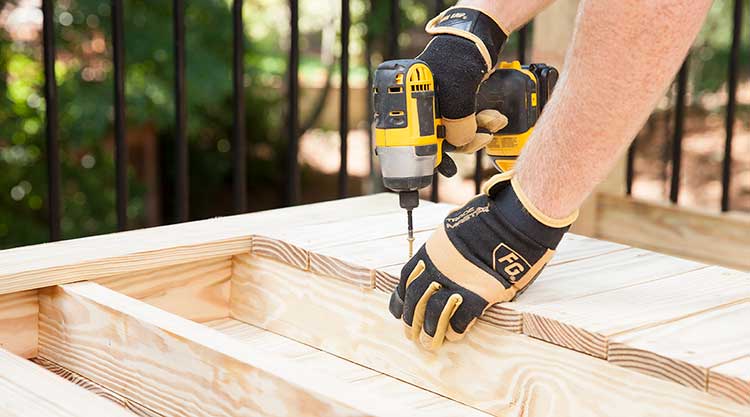
Always pre-drill holes before inserting fasteners. This reduces wood stress and prevents cracks. Use a drill bit slightly smaller than the fastener diameter.
Maintain proper spacing between fasteners. Place them at least 6 inches apart to distribute pressure evenly. Avoid placing fasteners too close to edges.
Avoiding Wood Splitting
Splitting weakens wood and shortens project life. Pre-drilling helps prevent splitting. Use sharp drill bits for clean holes.
Drive fasteners slowly and steadily. Applying too much force can cause cracks. Choose fasteners designed for pressure treated wood to resist corrosion and damage.
Proper Fastener Depth
Fasteners should sit flush or slightly below the wood surface. Avoid driving them too deep, which can weaken the hold.
Using a depth gauge or stopping collar helps control depth. This prevents over-driving and damage to the wood fibers.
Credit: www.yellawood.com
Maintenance And Inspection
Maintenance and inspection are key to keeping fasteners secure in pressure treated wood. These woods contain chemicals that can cause metal fasteners to corrode over time. Regular care helps spot problems early and extends the life of your project. Checking fasteners often saves you from costly repairs later.
Signs Of Fastener Failure
Look for rust or corrosion on screws and nails. Loose or wobbly fasteners mean they may no longer hold well. Wood that splits or cracks around fasteners can indicate failure. Fasteners that have backed out or are missing need attention. Watch for discoloration or stains near the fasteners.
Routine Checks
Inspect fasteners at least twice a year, especially after harsh weather. Use a screwdriver or hammer to test if they are tight. Check hidden areas and joints where moisture can collect. Clean off any dirt or debris that may hide damage. Keep an eye on any changes in the wood near fasteners.
When To Replace Fasteners
Replace fasteners if rust covers more than half of their surface. Any fastener that bends, breaks, or pulls loose must be swapped out. Use corrosion-resistant fasteners like stainless steel or coated nails for replacements. Replace fasteners showing signs of wood damage or decay nearby. Timely replacement stops further damage and keeps structures strong.
Credit: ozcobp.com
Frequently Asked Questions
What Types Of Fasteners Work Best For Pressure Treated Wood?
Stainless steel and hot-dipped galvanized fasteners resist corrosion in pressure treated wood. These materials prevent rust and prolong wood integrity, making them ideal for outdoor use.
Can Regular Nails Be Used With Pressure Treated Wood?
No, regular nails are prone to rust and corrosion in pressure treated wood. Use corrosion-resistant fasteners like stainless steel or hot-dipped galvanized nails for durability.
Why Avoid Plain Steel Fasteners In Pressure Treated Wood?
Plain steel fasteners corrode quickly due to chemicals in pressure treated wood. This corrosion weakens connections and shortens the lifespan of your project.
Are Stainless Steel Screws More Durable For Treated Wood?
Yes, stainless steel screws offer superior corrosion resistance. They maintain strength and appearance, making them perfect for long-lasting outdoor projects with pressure treated wood.
Conclusion
Choosing the right fasteners protects your pressure treated wood from damage. Use stainless steel or coated screws to avoid rust and corrosion. These fasteners last longer and keep wood strong. Avoid regular nails that can cause wood to split or weaken.
Good fasteners help your project stay safe and sturdy. Remember, simple choices make big differences in woodwork. Select fasteners carefully for the best results. Your wood will thank you with lasting strength.


