Are you planning to update your cabinets but feel stuck when choosing the right hardware? You might be wondering, “Is cabinet hardware universal?”
This question can save you time, money, and frustration. If you pick the wrong size or style, your new knobs or pulls won’t fit properly, ruining the look and function of your cabinets. Keep reading to discover the truth about cabinet hardware compatibility and learn how to make the perfect choice for your space.
Your cabinets deserve the best—let’s make sure you get it right the first time.

Credit: www.amazon.com
Types Of Cabinet Hardware
Cabinet hardware comes in many types. Each type serves a different purpose and style. Choosing the right hardware can change the look of your cabinets. Knowing these types helps you pick the best fit for your space.
Hardware affects both function and design. It makes cabinets easy to open and adds character. Explore the main types to understand their uses and looks.
Knobs Vs. Pulls
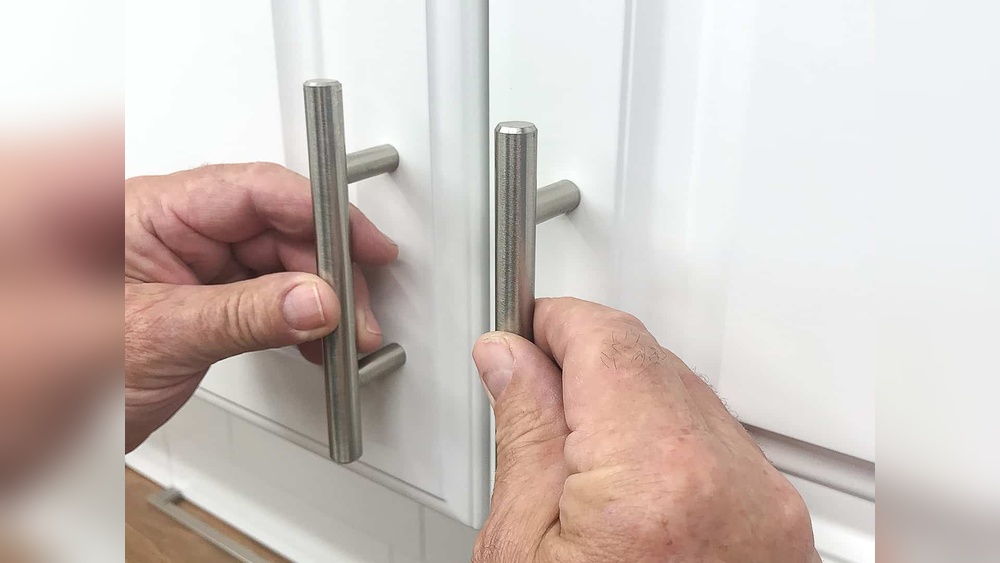
Knobs are small and usually round or square. They attach with one screw. Pulls are longer and need two screws. They offer a better grip for bigger drawers. Both knobs and pulls come in many shapes and sizes. Choosing between them depends on cabinet style and use.
Materials And Finishes
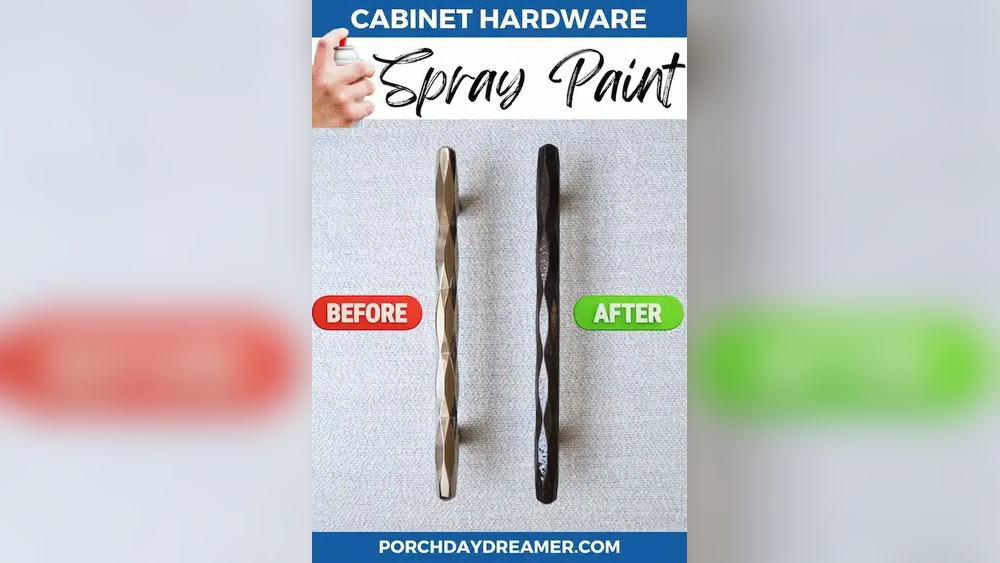
Hardware can be metal, plastic, wood, or ceramic. Metal is the most common for durability. Finishes include chrome, brass, nickel, and bronze. Matte, shiny, and brushed looks change the feel of a room. Pick materials and finishes that match your decor and last long.
Styles And Designs
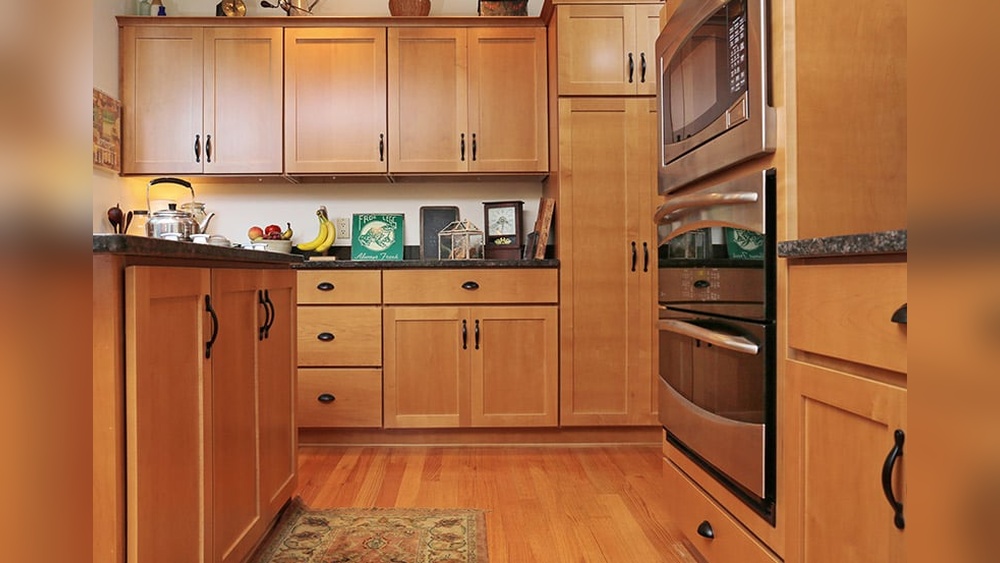
Styles range from classic to modern. Traditional hardware often has detailed designs. Modern styles focus on clean lines and simplicity. Rustic hardware shows a worn or natural look. Choose a style that fits your cabinet and room theme.
Standard Sizes And Measurements
Cabinet hardware comes in many shapes and styles. But sizes and measurements often follow some common rules. Knowing these standards helps you pick the right hardware for your cabinets. It avoids mistakes and makes installation easier.
Common Hole Spacing
Hole spacing means the distance between screw holes on handles or pulls. The most common spacing is 3 inches. Some cabinet hardware has 2.5 or 5 inches spacing too. Measuring your cabinet holes before buying saves time. It helps you find hardware that fits perfectly.
Screw Lengths
Screws come in different lengths to match cabinet thickness. Most screws range from 3/4 inch to 1 1/2 inch. Thicker doors need longer screws. Thin doors need shorter ones. Using the right screw length keeps hardware secure and avoids damage.
Backset And Projection
Backset is the distance from the edge of the door to the center of the handle. Projection means how far the handle sticks out. These measurements affect how easy it is to open doors. Standard backset usually ranges from 1 1/2 to 2 1/2 inches. Projection varies but often falls between 1 and 2 inches.
Compatibility Factors
Compatibility factors play a key role in choosing the right cabinet hardware. Not all hardware fits every cabinet type. Understanding these factors helps pick pieces that work well together and last long.
Each cabinet has unique features. These features affect which hardware fits best. Some important factors include cabinet door thickness, mounting methods, and whether the hardware is for drawers or doors.
Cabinet Door Thickness
Cabinet door thickness varies from one model to another. Hardware must match this thickness for proper fitting. Thin doors need smaller screws and different hardware sizes. Thick doors require longer screws and stronger brackets.
Installing hardware on the wrong thickness can cause damage or loose fittings. Check the door thickness before buying any handles or knobs. This step ensures a secure and neat look.
Mounting Methods
Hardware attaches to cabinets using different mounting methods. The most common are front-mounted and back-mounted styles. Front-mounted hardware installs directly on the door surface. Back-mounted hardware uses brackets or plates behind the door.
Each mounting method needs specific hardware shapes and screw sizes. Choose hardware that fits your cabinet’s mounting style. This choice keeps the hardware stable and easy to use.
Drawer Vs. Door Hardware
Drawers and doors often need different hardware types. Drawer handles usually have a different size and shape than door knobs. This difference helps users open and close them easily.
Using door hardware on drawers or vice versa can cause problems. Handles might not fit well or feel uncomfortable. Select hardware designed for the specific cabinet part to ensure smooth function.

Credit: www.amazon.com
When Hardware Is Not Universal
Cabinet hardware often fits many cabinets, but not always. Some types of hardware do not work on every cabinet. Knowing when hardware is not universal helps avoid mistakes. Certain cabinets need special hardware to fit right and work well.
Choosing the wrong hardware can cause problems with installation and use. It may also affect the look and function of your cabinets.
Custom Cabinets
Custom cabinets are made for specific spaces and uses. Their hardware often has unique sizes and shapes. Standard hardware may not fit these cabinets properly. Custom hardware matches the cabinet’s design and build. This ensures smooth operation and a clean look.
Specialized Designs
Some cabinets have special designs like soft-close drawers or hidden compartments. They need hardware made just for those features. Normal hardware cannot provide the right fit or function. Using specialized hardware keeps the design working as planned. It also keeps the cabinet safe and durable.
Legacy And Vintage Hardware
Old cabinets sometimes use legacy or vintage hardware. These pieces are often rare and made in old styles. Modern hardware usually does not fit these cabinets. Keeping vintage hardware keeps the cabinet’s original charm. Replacing it with new hardware can spoil the look and value.
Tips For Choosing The Right Hardware
Choosing the right cabinet hardware makes a big difference in your kitchen or bathroom. Hardware affects both style and function. Picking the wrong size or finish can cause problems. Follow simple tips to find hardware that fits well and looks great.
Focus on measuring, matching styles, and thinking about how you use your cabinets. These steps help avoid mistakes and improve your space.
Measuring Existing Hardware
Start by measuring your current hardware carefully. Use a ruler or tape measure to get exact sizes. Measure the distance between screw holes. This is called the center-to-center measurement. Knowing this helps you find new hardware that fits without extra drilling.
Measure the length and width of your handles or knobs. This ensures the new pieces look balanced on your cabinet doors or drawers.
Matching Styles And Finishes
Choose hardware that matches your room’s style. For a modern look, pick sleek and simple designs. For a classic feel, go for detailed or vintage styles. The finish should also match your room’s colors and materials.
Common finishes include brushed nickel, chrome, bronze, and brass. Pick one that blends well with your cabinets and other fixtures. Consistent finishes create a polished and coordinated look.
Considering Functionality
Think about how you use your cabinets. Handles with a good grip make opening easier. Knobs work well for small drawers or doors. Consider hardware size and shape to suit your daily needs.
Also, look for durable materials that can handle frequent use. Hardware should last without loosening or breaking. Choose pieces that feel comfortable and work well in your space.
Replacing Cabinet Hardware
Replacing cabinet hardware can give your kitchen or bathroom a fresh look. It is a simple way to update your space without spending much money. New knobs or handles can make cabinets look modern and clean. The process is easy, even for beginners.
Before starting, gather the right tools and follow clear steps. Avoid common mistakes to ensure the hardware fits well and works properly. This guide will help you replace your cabinet hardware with confidence.
Tools Needed
- Screwdriver (usually Phillips head)
- Measuring tape
- Drill (optional, for new holes)
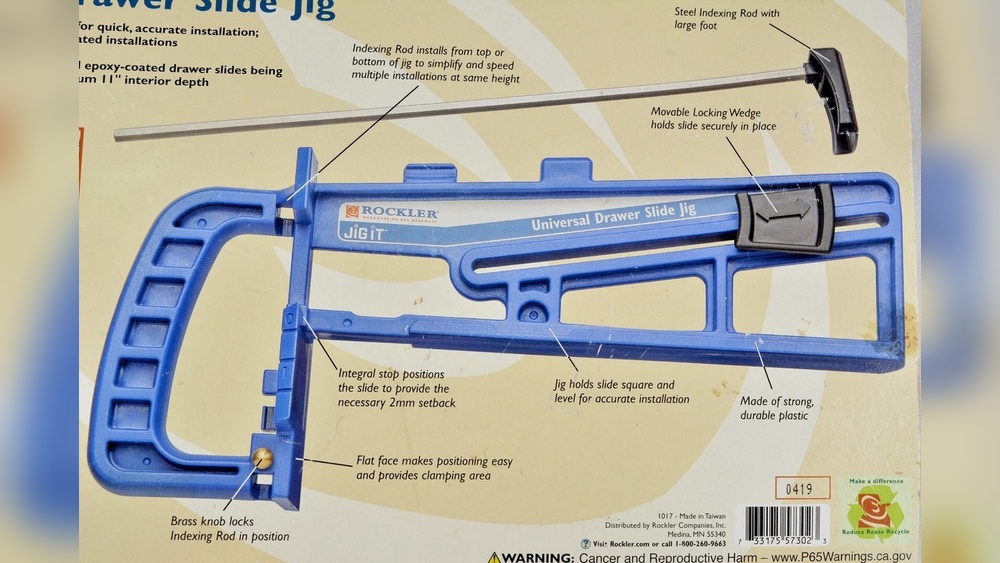
- Level (to align hardware)
- New cabinet knobs or pulls
- Soft cloth (to protect surfaces)
Step-by-step Process
- Remove old hardware by unscrewing it carefully.
- Clean the surface where hardware was attached.
- Measure the distance between existing holes.
- Check if new hardware matches these measurements.
- If needed, mark new hole positions with a pencil.
- Drill new holes carefully if old ones do not fit.
- Attach new hardware using screws provided.
- Use a level to keep handles straight and aligned.
- Tighten screws firmly but avoid over-tightening.
Avoiding Common Mistakes
- Do not ignore measuring old hardware before buying new.
- Avoid mixing different types or sizes of hardware.
- Do not force screws if holes do not line up.
- Never over-tighten screws to prevent damage.
- Do not skip cleaning old screw holes before installing.
- Avoid rushing; take time to align hardware correctly.

Credit: www.inspirehardware.com
Frequently Asked Questions
Is Cabinet Hardware Universal Across All Furniture Types?
No, cabinet hardware is not universal. Sizes, styles, and hole spacing vary by manufacturer and furniture type. Always measure existing hardware before purchasing replacements.
Can I Use Different Cabinet Hardware Brands Together?
Yes, you can mix brands if hole spacing and style match. Consistency in design and size ensures a cohesive look and easy installation.
What Standard Sizes Exist For Cabinet Hardware?
Common sizes include 3, 3. 5, and 5 inches for drawer pulls. Knobs usually have a standard diameter of 1 to 1. 5 inches.
How Do I Measure Cabinet Hardware For Replacements?
Measure the center-to-center distance between screw holes. This measurement is crucial to find compatible hardware and avoid extra drilling.
Conclusion
Cabinet hardware is not always universal. Different cabinets need different sizes and styles. Measuring your cabinet before buying helps avoid mistakes. Choose hardware that fits your cabinet’s holes and design. Small changes can make a big difference in look and function.
Taking time to pick the right hardware saves effort later. Remember, simple checks lead to better results. Keep your cabinets easy to use and nice to see. This makes your space more comfortable and organized.