Have you ever wondered what keeps huge structures, machines, and everyday items tightly held together? The answer often lies in a simple yet powerful tool: the bolt fastener.
If you’re curious about how things stay secure and strong, understanding what a bolt fastener is can change the way you see the world around you. You’ll discover what makes bolt fasteners essential, how they work, and why they matter in your daily life.
Keep reading, and you might just unlock the secret behind the strength and stability of countless objects you use every day.
Credit: en.wikipedia.org
Bolt Fastener Basics
Bolt fasteners are essential tools in construction and manufacturing. They hold parts together firmly. Understanding the basics helps you choose the right bolt for your project. This section explains the types, parts, and materials of bolts.
Types Of Bolts
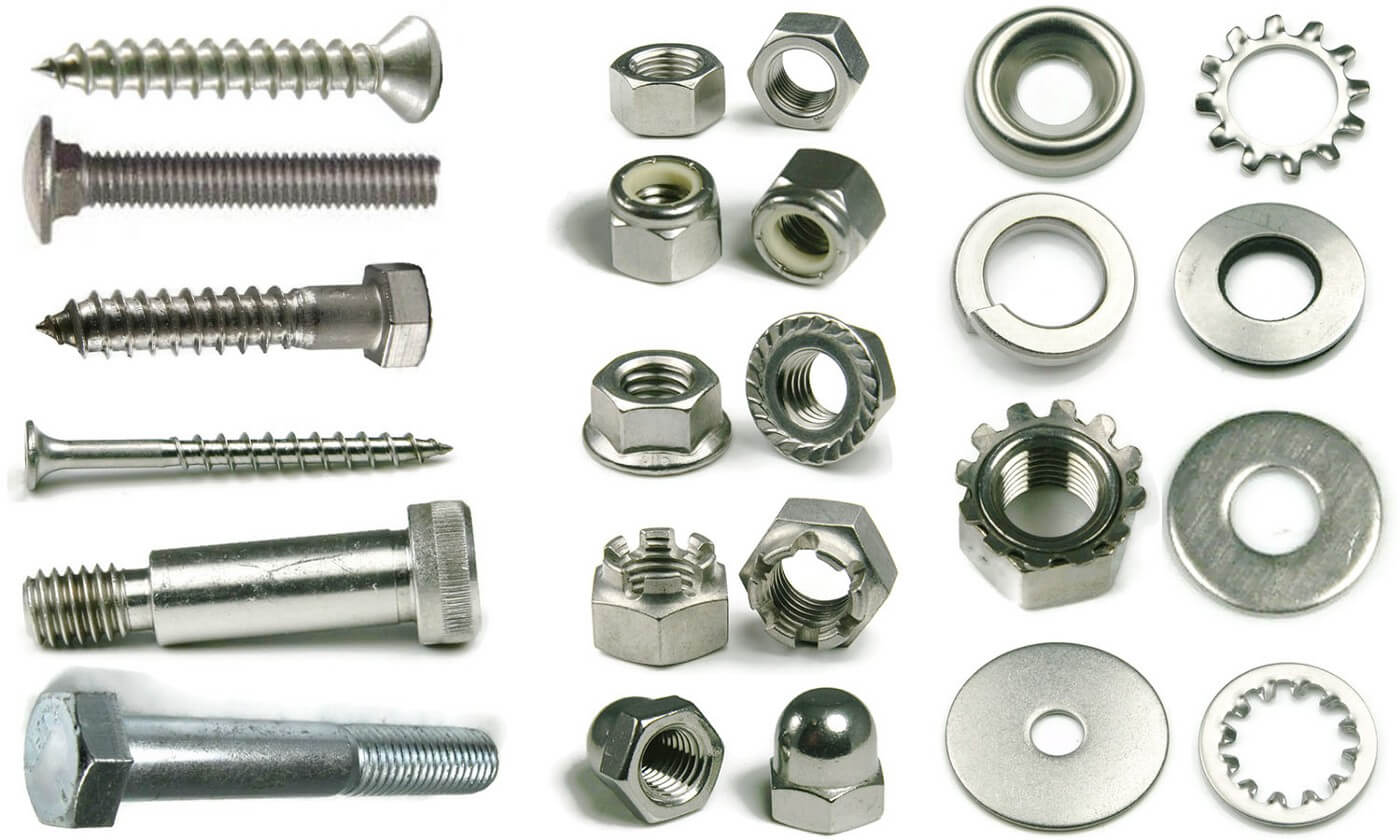
Bolts come in many shapes and sizes. Common types include hex bolts, carriage bolts, and eye bolts. Hex bolts have six sides and fit a wrench easily. Carriage bolts have a rounded head and a square neck. Eye bolts have a looped head for attaching ropes or cables. Each type serves a special purpose.
Bolt Components
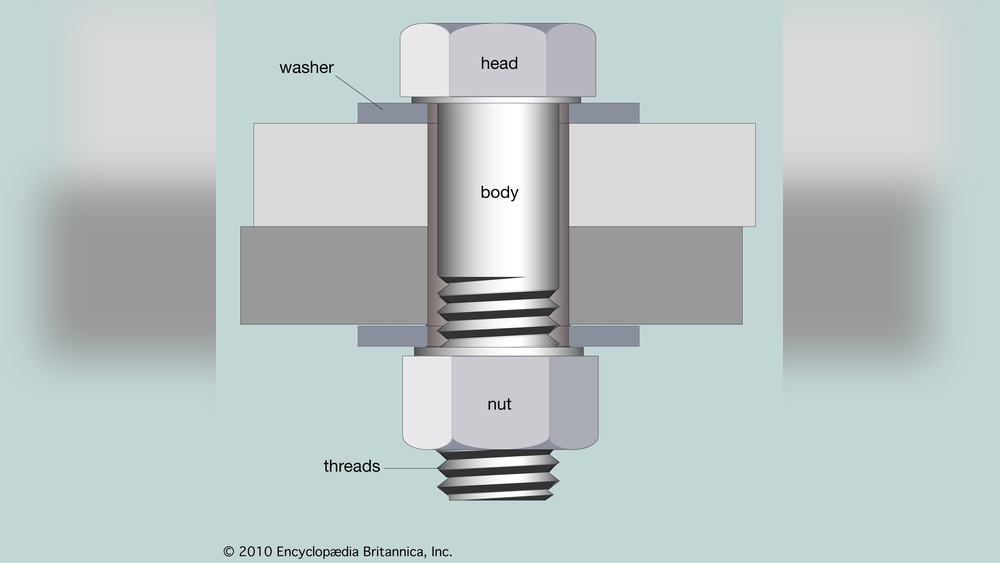
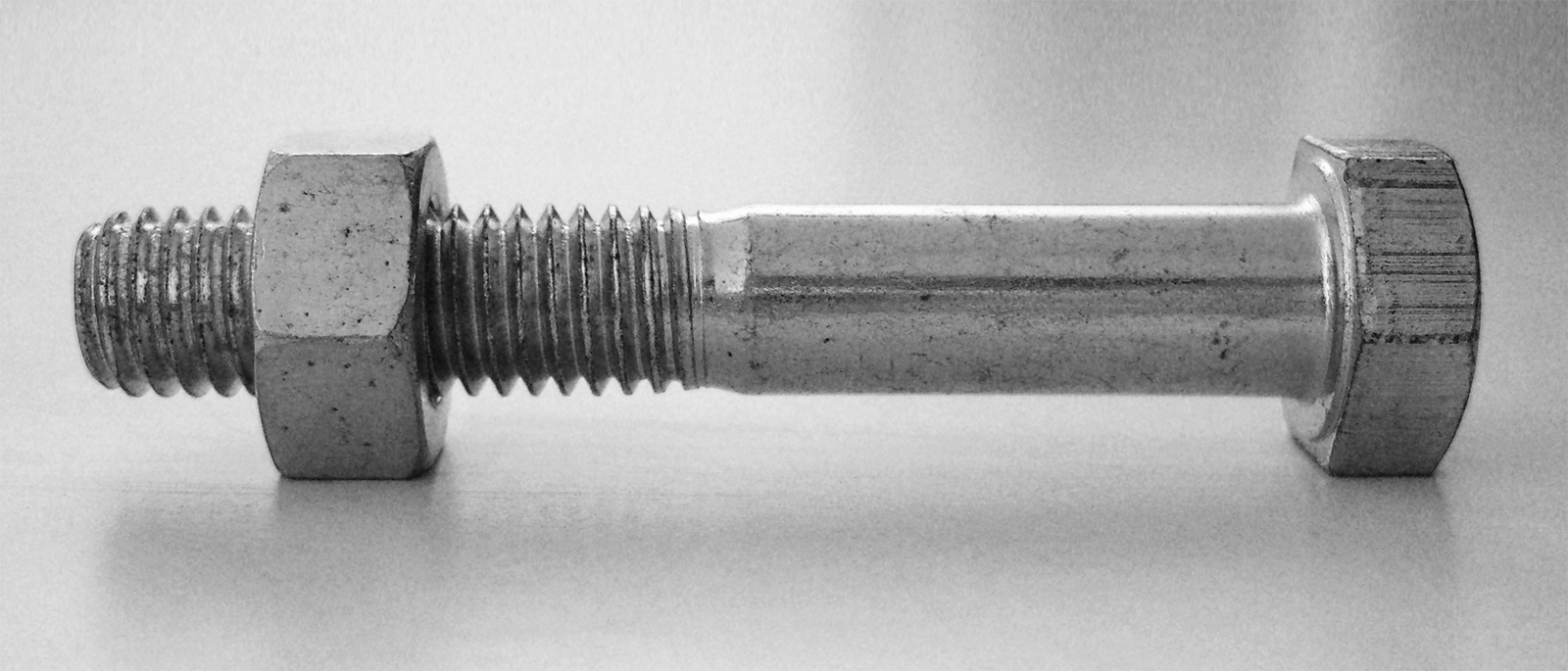
A bolt has two main parts: the head and the shaft. The head is the top part you turn with a tool. The shaft is the long, threaded part that goes into the material. Threads help the bolt grip and hold tight. Some bolts have a smooth section called the shank for added strength.
Materials Used
Bolt materials affect strength and durability. Steel is the most common choice. Stainless steel bolts resist rust and corrosion. Brass bolts offer good conductivity and look attractive. For heavy-duty jobs, bolts may use alloy steel. Material choice depends on the environment and load demands.
Credit: www.3erp.com
How Bolts Work
Bolt fasteners hold materials tightly together. They create strong and stable joints. Understanding how bolts work helps to use them well. Bolts rely on simple but effective principles to keep parts connected. Let’s explore these key factors in detail.
Thread Mechanics
Threads are spiral ridges on the bolt shaft. They match the internal threads of a nut or hole. When you turn the bolt, the threads pull it deeper. This action clamps parts together. Threads also stop the bolt from slipping out.
Load Distribution
Bolts spread forces evenly over the connected parts. This stops damage or bending. The bolt’s head and nut press on the surfaces. The pressure keeps the joint tight and stable. Good load distribution increases strength and lifespan.
Torque And Tightening
Torque means the twisting force applied to the bolt. Tightening the bolt adds tension along its length. This tension creates a clamping force. Proper torque prevents bolts from loosening or breaking. Using a wrench helps control the right tightness.
Choosing The Right Bolt
Choosing the right bolt is key to a strong and safe connection. A bolt must fit well and hold up under stress. Picking the correct bolt ensures long-lasting results and prevents failures. Several factors help decide the best bolt for your project.
Size And Length
The bolt size must match the hole and materials. Too small bolts can loosen or break. Too large bolts may damage parts or not fit. Length matters to hold parts firmly without extra length sticking out. Measure the thickness of materials before picking a bolt.
Strength Grades
Bolt strength shows how much force it can handle. Strength grades are marked by numbers or symbols on the bolt head. Higher grades mean stronger bolts. Use strong bolts for heavy loads or safety parts. For light tasks, lower grades are enough and cost less.
Corrosion Resistance
Bolts face weather, moisture, and chemicals. Rust weakens bolts and makes them fail. Choose bolts with coatings like zinc or stainless steel for rust protection. Corrosion-resistant bolts last longer in outdoor and wet places. This keeps the connection safe over time.
Installation Techniques
Installing a bolt fastener correctly ensures strong and safe connections. Proper installation prevents damage and keeps structures stable. Each step matters for the best results.
Proper Tools
Choose tools that fit the bolt size and type. Use a wrench or socket set that grips tightly. Avoid worn or damaged tools. They can slip and cause injury or damage.
Pre-tightening Steps
Clean bolt threads and holes before installation. Remove dirt and rust for smooth threading. Align parts carefully to avoid cross-threading. Start tightening bolts by hand first. This reduces the risk of damage.
Avoiding Common Mistakes
Do not over-tighten bolts; this can strip threads or break bolts. Tighten bolts evenly and in a pattern if many are used. Avoid mixing different bolt grades or sizes. Check torque values and use a torque wrench if possible.
Bolt Maintenance
Bolt maintenance is crucial for the safety and performance of any structure or machine. Regular care helps prevent failures and extends the bolt’s life. Simple checks can avoid costly repairs and downtime.
Bolts face stress, weather, and wear daily. Maintaining them ensures they hold components tightly and function well. Proper maintenance saves time and money in the long run.
Inspection Tips
Check bolts regularly for tightness using a wrench. Look for rust, dirt, or damage on the surface. Clean bolts with a wire brush to remove debris. Use a flashlight to spot cracks or bends. Make sure bolts are not loose or missing.
Signs Of Wear
Rust or corrosion weakens bolts. Stripped threads reduce holding power. Cracks or bends show metal fatigue. Worn heads make it hard to tighten or loosen bolts. Any damage means the bolt may fail soon.
Replacement Guidelines
Replace bolts showing rust, cracks, or stripped threads. Use the same size and grade as the original. Tighten new bolts to the correct torque level. Avoid mixing different metals to prevent corrosion. Always use new washers with replacement bolts.
Applications Of Bolt Fasteners
Bolt fasteners are essential in many fields. They hold parts together tightly and safely. Their strength and reliability make them popular across industries. Understanding where bolts are used shows their importance in daily life.
Construction Uses
Bolts secure steel beams in buildings. They hold concrete forms during pouring. Bolts fasten wooden structures like decks and bridges. Their durability supports heavy loads and harsh weather. Construction relies on bolts for strong, lasting joints.
Automotive Industry
Bolts connect engine parts and chassis components. They keep wheels and brakes firmly attached. Bolts allow easy repairs and part replacements. Vehicles need bolts that resist vibration and heat. This ensures safety and smooth operation on roads.
Electronics And Machinery
Small bolts fix circuit boards inside devices. They hold motors and gears in machines. Bolts help maintain precise alignment of parts. Machines depend on bolts for stable, accurate performance. Electronics use bolts for secure assembly and durability.
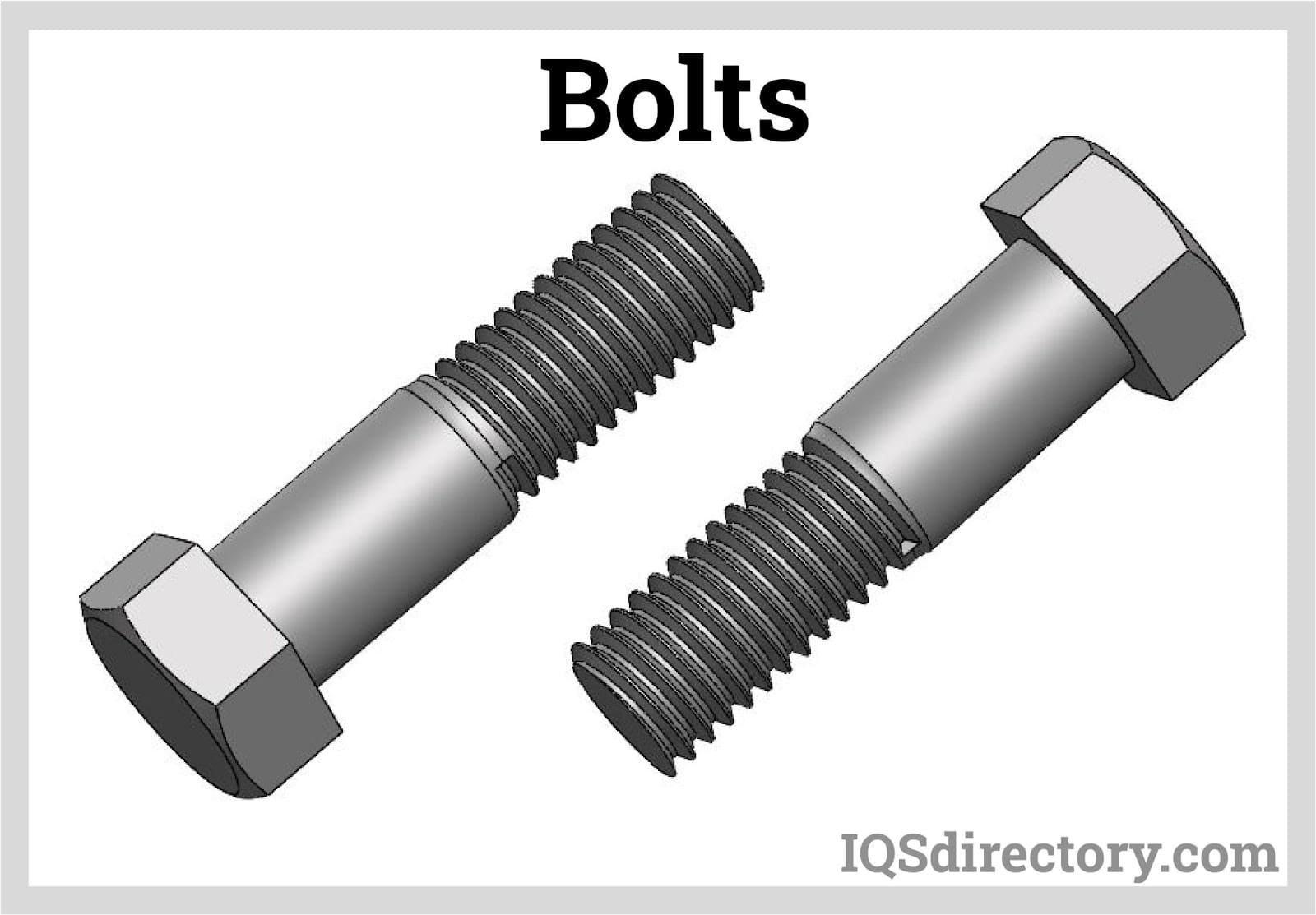
Credit: www.iqsdirectory.com
Frequently Asked Questions
What Is A Bolt Fastener Used For?
A bolt fastener joins two or more objects securely. It provides strong, removable connections in machinery, construction, and automotive applications. Bolts work with nuts to clamp parts tightly, ensuring stability and ease of maintenance or disassembly when needed.
How Does A Bolt Fastener Differ From A Screw?
Bolts require nuts to fasten parts, unlike screws. Screws usually thread directly into materials. Bolts offer higher strength and are ideal for heavy-duty applications. They create a secure joint by clamping parts with a nut and washer.
What Are Common Materials For Bolt Fasteners?
Bolt fasteners are commonly made from steel, stainless steel, brass, and titanium. Steel bolts offer strength and durability. Stainless steel resists corrosion, suitable for outdoor use. Brass bolts prevent rust and provide electrical conductivity. Material choice depends on application needs.
How To Choose The Right Bolt Fastener Size?
Select bolt size based on load, hole diameter, and thread pitch. Measure the thickness of materials to be joined. Use standard size charts for diameter and length. Proper sizing ensures a secure, safe, and long-lasting connection in your project.
Conclusion
A bolt fastener holds parts together tightly and securely. It comes in many shapes and sizes for different jobs. You can use bolts in machines, buildings, and vehicles. Choosing the right bolt is important for safety and strength. Knowing how bolts work helps you fix or build things better.
Simple but strong—bolts are key in everyday construction and repair. Understanding bolts makes your work easier and more reliable.