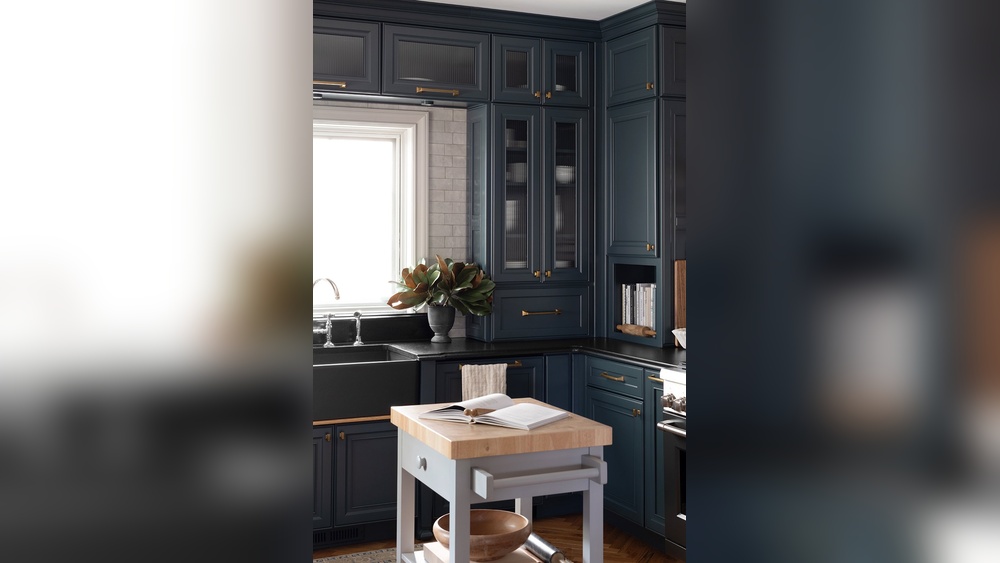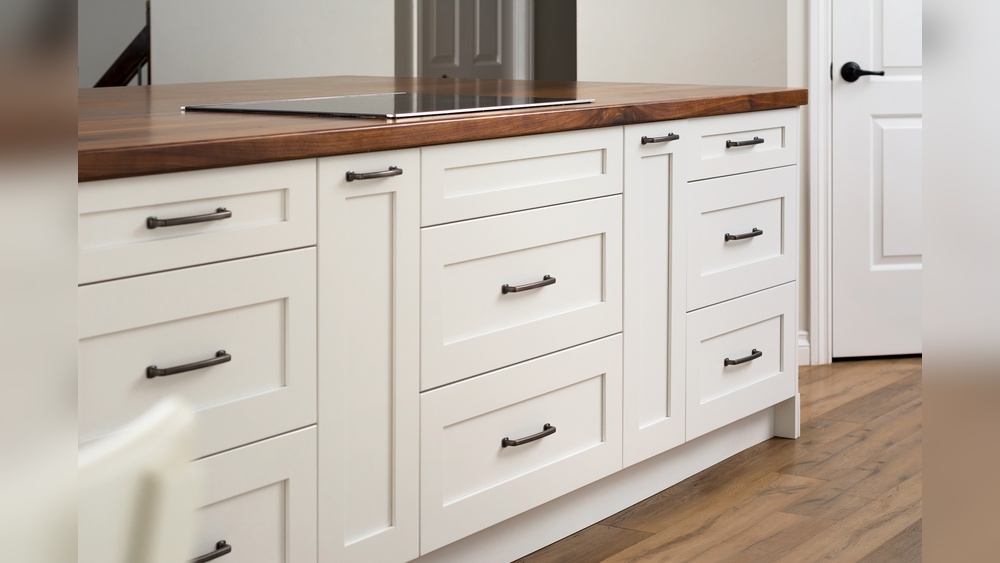
Choosing the right kitchen cabinet hardware might seem like a small detail, but it can completely change the look and feel of your kitchen. You want something that matches your style, feels comfortable to use, and lasts for years.
But with so many options out there, how do you pick the perfect handles and knobs? This guide will help you cut through the confusion and find hardware that fits your kitchen and your lifestyle perfectly. Keep reading, and you’ll discover simple tips that make your decision easy and even enjoyable.
Types Of Cabinet Hardware
Choosing the right kitchen cabinet hardware can change your kitchen’s look. Hardware comes in many types, each with unique benefits. Knowing these types helps you pick the best fit for your style and needs.
Knobs Vs Pulls
Knobs are small and round or square pieces you hold to open cabinets. They are easy to install and work well for simple designs. Pulls are longer handles that you grab with your whole hand. They provide a stronger grip and suit bigger drawers. Both knobs and pulls come in many shapes and sizes.
Material Options
Cabinet hardware is available in many materials. Metal is the most common, such as stainless steel, brass, or bronze. Metal lasts long and is easy to clean. Plastic hardware is cheaper but less durable. Wood hardware gives a warm, natural feel. Consider the material that fits your kitchen’s look and use.
Styles And Finishes
Styles range from classic to modern. Traditional styles often have ornate details. Modern hardware has clean lines and simple shapes. Finishes affect color and texture. Popular finishes include matte black, shiny chrome, and brushed nickel. Choose a style and finish that match your cabinets and kitchen decor.
Measuring For The Right Fit
Measuring your kitchen cabinet hardware correctly is essential for a perfect fit. Accurate measurements ensure the handles and knobs look balanced and work well. Taking the time to measure properly saves effort and money later.
Start by measuring the existing hardware or the space where you want to install new pieces. Use a ruler or tape measure for precise results. Write down each measurement carefully to avoid mistakes.
Standard Sizes
Cabinet hardware usually comes in standard sizes. Most handles have hole spacing of 3, 4, 5, or 6 inches. Knobs are often about 1 to 1.5 inches in diameter. Knowing these sizes helps you pick hardware that fits your cabinets.
Measure the distance between the screw holes on your current hardware. This is the center-to-center measurement. Matching this size lets you replace hardware without drilling new holes. If you choose a different size, you may need to fill old holes and drill new ones.
Spacing And Placement Tips
Correct placement makes your cabinets look neat and balanced. For drawers, center the handles horizontally. For doors, place knobs or handles about 2 to 3 inches from the edge.
Use a template or tape to mark holes before drilling. This helps keep spacing consistent. Check alignment by holding hardware in place before fixing screws. Even spacing improves the kitchen’s overall look and function.
Matching Hardware To Cabinet Style
Choosing the right hardware helps complete the look of your kitchen cabinets. Hardware should match the style of your cabinets. This connection makes the kitchen feel balanced and thoughtful. Different cabinet styles need different hardware types. Picking hardware that fits the cabinet style improves the kitchen’s overall design.
Modern Cabinets
Modern cabinets often have clean lines and flat surfaces. Simple hardware suits this style best. Look for sleek pulls or knobs with minimal detail. Brushed metals like stainless steel or matte black work well. Avoid ornate or busy designs that can clash with modern looks.
Traditional Cabinets
Traditional cabinets show classic and detailed craftsmanship. Hardware with curves, intricate shapes, or vintage finishes fits perfectly. Bronze, brass, or antique gold are popular choices. Knobs and pulls with decorative elements add charm. These details highlight the cabinet’s timeless beauty.
Transitional Designs
Transitional cabinets blend modern and traditional features. Hardware should balance both styles. Choose simple shapes with subtle details. Satin nickel or chrome finishes often complement this look. This mix keeps the kitchen fresh and inviting without extremes.

Credit: schoolhouse.com
Considerations For Functionality
Choosing kitchen cabinet hardware requires more than just style. Functionality plays a key role. Hardware should work well every day. It must feel good in your hand. It should last for years without problems. Thinking about how you use your kitchen helps pick the best hardware. Consider comfort and how easy it is to clean and keep looking new.
Ergonomics And Comfort
Hardware should fit your hand comfortably. Handles that are too small or sharp can hurt fingers. Rounded edges feel nicer and reduce strain. Think about how often you open drawers and doors. Easy-to-grip knobs or pulls make cooking faster. Test different shapes and sizes before choosing. Your hardware should make daily tasks simple and pleasant.
Durability And Maintenance
Kitchen hardware faces water, heat, and grease daily. Choose materials that resist rust and wear. Stainless steel, brass, and coated metals often last longer. Some finishes hide fingerprints and scratches better. Smooth surfaces are easier to clean. Avoid hardware with tiny grooves where dirt collects. Durable hardware saves money and keeps your kitchen looking fresh.
Mixing And Matching Hardware
Mixing and matching kitchen cabinet hardware can add personality to your space. It creates a unique look that feels thoughtful and stylish. This approach breaks the monotony of using the same hardware everywhere. It also allows you to showcase different styles that reflect your taste.
Combining Finishes
Combining different finishes brings depth to your kitchen design. Matte black pairs well with brass for a bold contrast. Brushed nickel and chrome can work together for a modern feel. Stick to two or three finishes to keep the look balanced. Avoid using too many finishes, which can feel chaotic. Test your choices on a small area before committing.
Balancing Patterns And Textures
Mixing patterns and textures adds interest and charm to cabinets. Smooth knobs look great with textured pulls. Simple shapes balance out intricate designs. Use patterns sparingly to avoid overwhelming the space. Matching the texture style to your kitchen theme helps keep harmony. Textured hardware can hide fingerprints and wear better than smooth finishes.
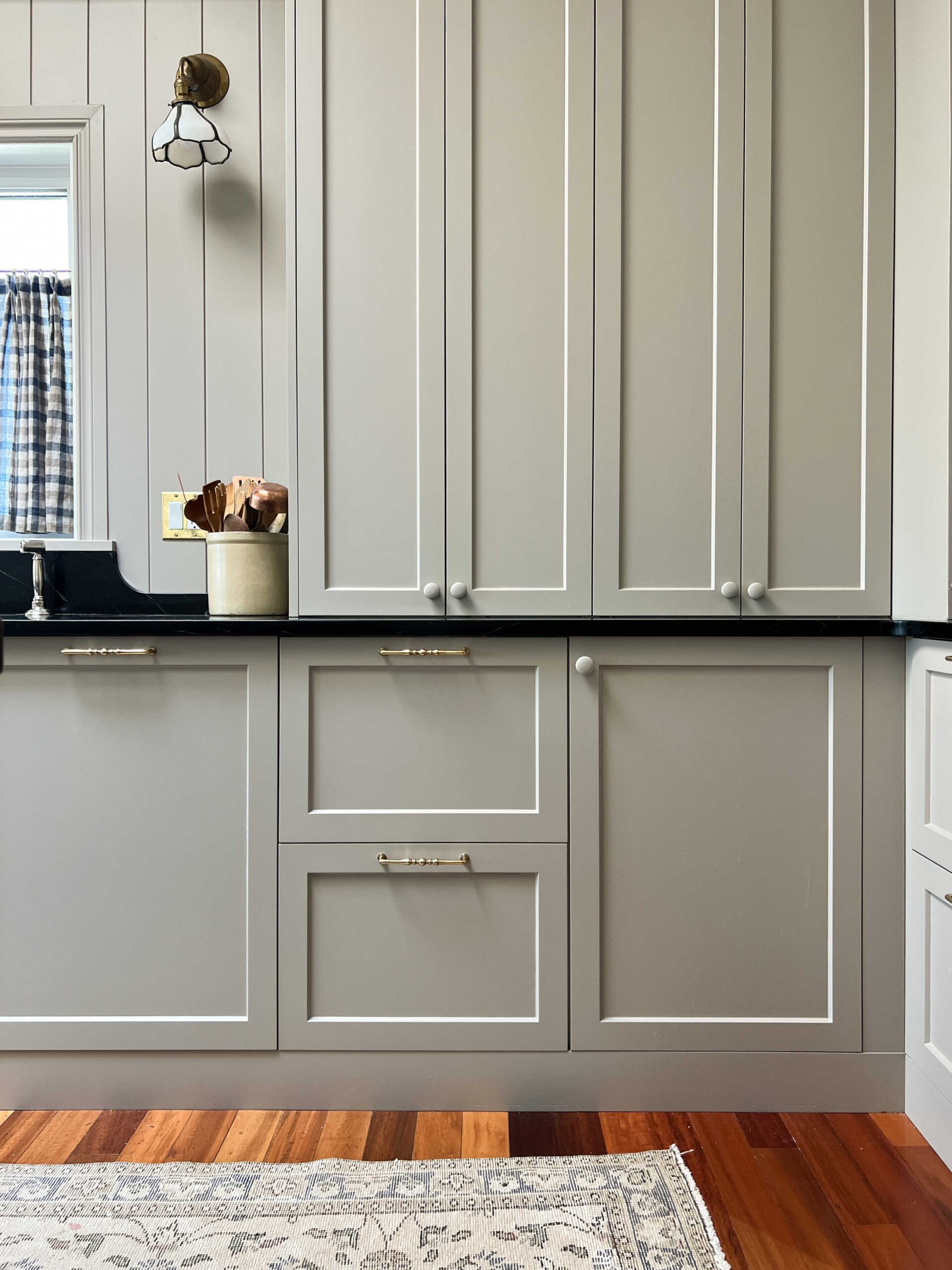
Credit: erinzubotdesign.com
Budgeting For Hardware
Setting a budget for kitchen cabinet hardware helps keep your project on track. Hardware costs can add up quickly. Planning ahead avoids surprises and stress. Knowing where to spend and save is key. This approach ensures you get quality pieces without overspending.
Cost Vs Quality
Cheap hardware may look good at first. But it can wear out fast. Poor quality handles can break or loosen easily. High-quality hardware lasts longer and feels sturdy. It also improves your kitchen’s overall look. Spend a little more for durable materials like solid metal. Avoid plastic or thin metals that bend or chip.
Where To Save And Where To Splurge
Save on pieces that are less visible. For example, small knobs on inside cabinets can be budget-friendly. Splurge on handles and pulls you use every day. These need to be comfortable and strong. Focus your budget on finishes that match your kitchen style. This makes a big difference in appearance without extra cost.
Installation Tips
Installing kitchen cabinet hardware can change the look of your kitchen fast. It is important to install the hardware correctly. Good installation keeps handles and knobs tight and looking great for years. Follow clear steps to avoid mistakes and save time. Here are some useful tips for your installation process.
Tools Needed
- Measuring tape for precise measurements
- Pencil to mark drill points
- Drill with drill bits matching screw size
- Screwdriver for fastening screws
- Level to keep hardware straight
- Masking tape to protect cabinet surface
Step-by-step Guide
- Measure the exact spot for each handle or knob.
- Mark the drill points gently with a pencil.
- Apply masking tape on the spot to avoid wood splintering.
- Drill holes carefully through the marked points.
- Insert screws from the inside of the cabinet door.
- Align the handle or knob and tighten screws with screwdriver.
- Check alignment using a level for a straight finish.
- Repeat for all cabinet doors and drawers.
Trending Hardware Styles
Choosing the right kitchen cabinet hardware can change the entire look of your kitchen. Trends in hardware styles are always evolving. New designs and finishes appear every year. This makes the kitchen feel fresh and modern. Understanding these trends helps you pick the best hardware for your space.
Popular Finishes
Matte black finish is very popular now. It gives a sleek, modern look to cabinets. Brushed nickel remains a classic choice. It suits many kitchen styles and hides fingerprints well. Brass and gold finishes add warmth and luxury. These finishes work great in traditional and modern kitchens. Satin chrome offers a clean and bright appearance. It blends easily with other kitchen fixtures. Choosing the right finish is key to matching your kitchen’s style.
Emerging Design Trends
Minimalist hardware with simple shapes is trending. Clean lines and smooth surfaces create a calm look. Mixed metals are gaining popularity too. Combining different finishes adds visual interest and uniqueness. Vintage-inspired hardware is making a comeback. It brings charm and character to kitchens. Large, bold pulls give a statement look to cabinets. These trends offer many options to personalize your kitchen’s style.
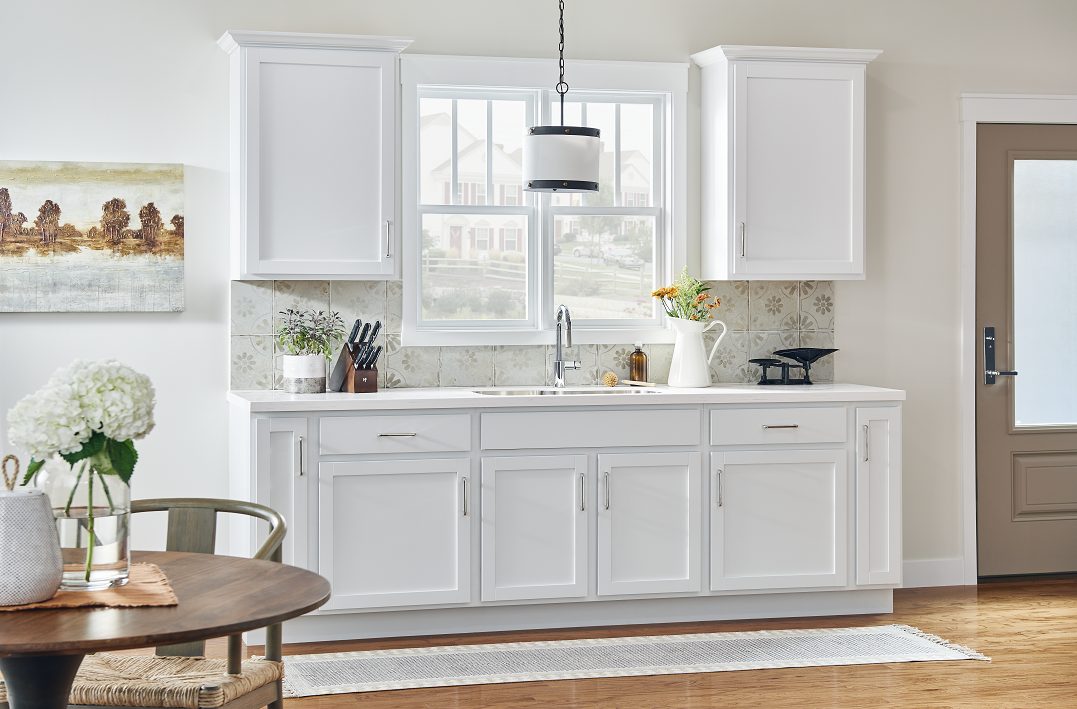
Credit: www.wolfhomeproducts.com
Frequently Asked Questions
What Types Of Kitchen Cabinet Hardware Are Available?
Kitchen cabinet hardware includes knobs, pulls, handles, and hinges. Each type offers different styles and functionalities. Choose based on design preference and ease of use.
How To Choose The Right Size For Cabinet Hardware?
Measure the cabinet door or drawer front. Select hardware that fits proportionally and complements the cabinet size. Proper sizing ensures comfort and aesthetic balance.
Which Materials Are Best For Kitchen Cabinet Hardware?
Common materials are metal, brass, stainless steel, and ceramic. Choose durable, easy-to-clean materials that match your kitchen style and usage needs.
How Does Cabinet Hardware Style Affect Kitchen Design?
Hardware style sets the kitchen’s tone. Modern, traditional, or rustic styles influence the overall look. Select hardware that complements your cabinetry and décor theme.
Conclusion
Choosing the right kitchen cabinet hardware shapes your kitchen’s look. Think about style, finish, and comfort for daily use. Small details make a big difference in your space. Match hardware with your cabinets and overall design. Trust your taste and take your time deciding.
The right choice will add charm and function to your kitchen. Simple steps lead to a fresh, inviting cooking area. Enjoy the process of making your kitchen truly yours.